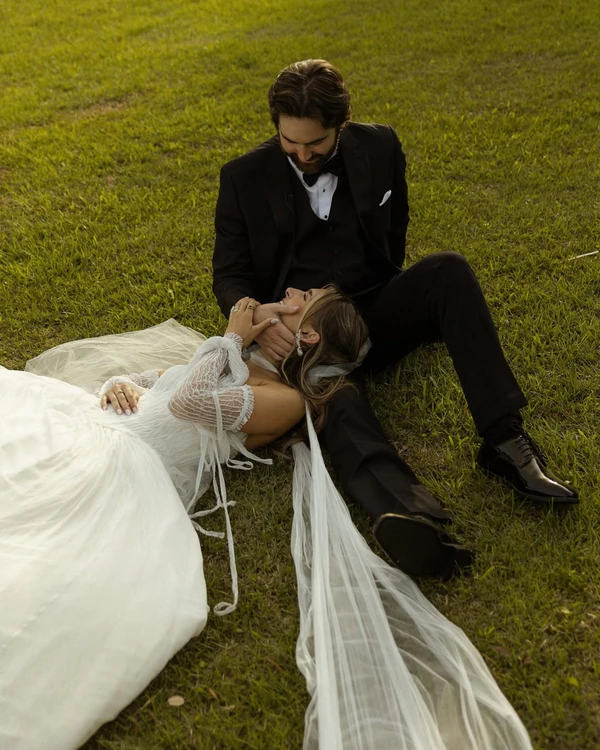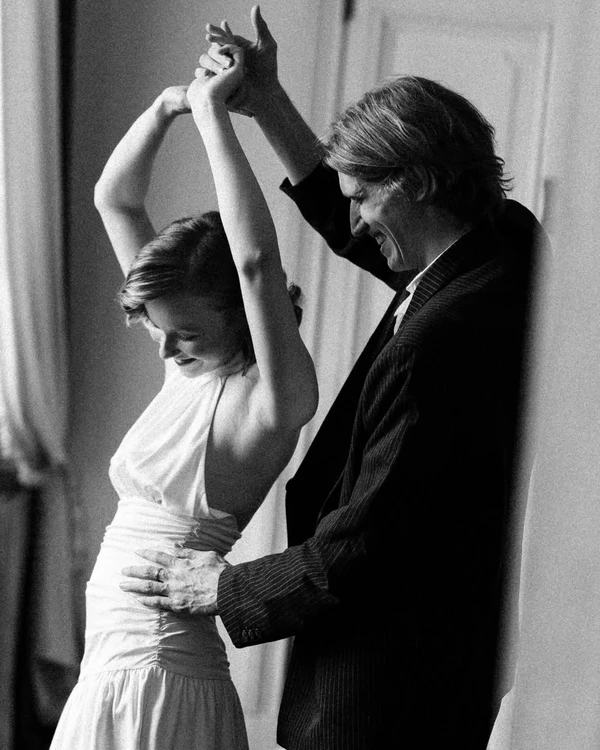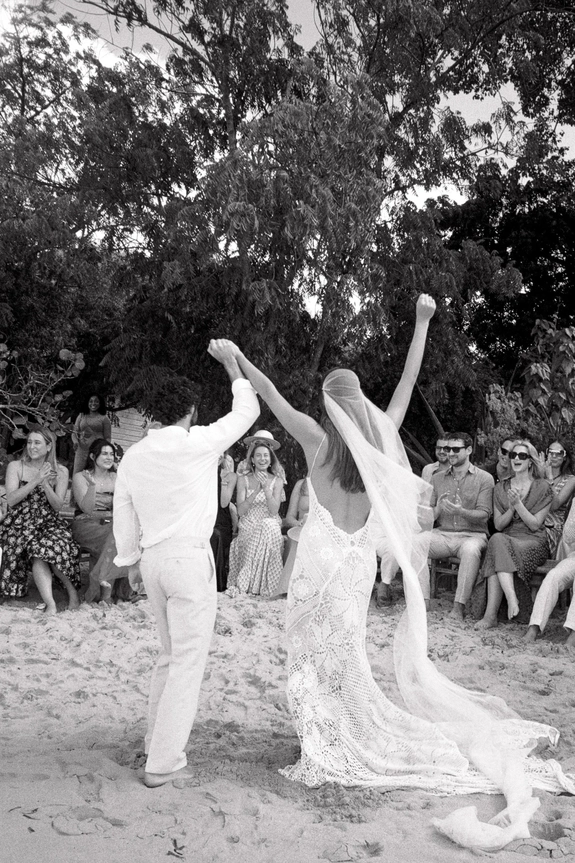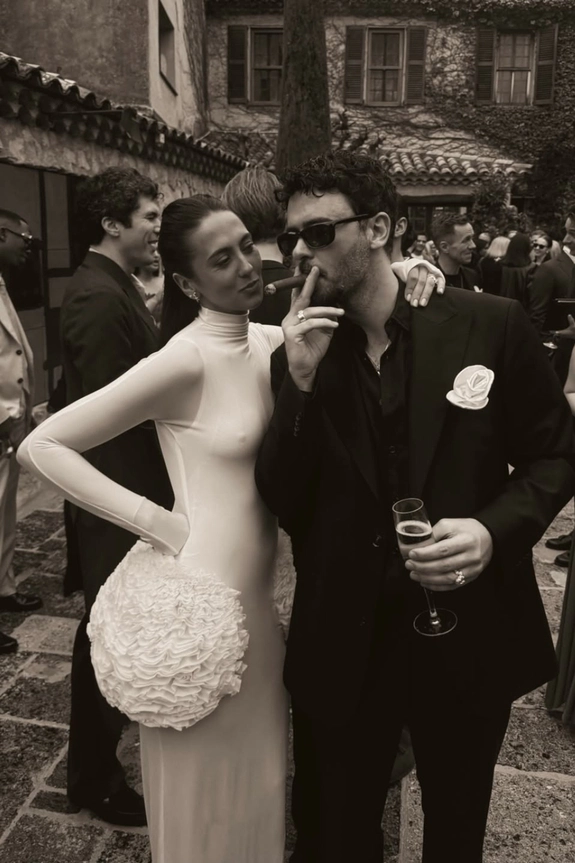
Your wedding photos will hold so much more than the flowers, the dress, and the golden-hour glow everyone secretly hopes for. They will hold the people who showed up for you, the tiny in-between moments you almost missed, and you at the heart of it all: joyful, emotional, and wildly in love. But being photographed so closely, for so many hours, can feel surprisingly vulnerable, even if you’re usually at ease. The camera has a way of making people overthink everything, from their posture to their smile, pose, or where to place your hands. To help you show up on your wedding day as your most confident and authentic self, we asked top wedding photographers from around the world how to forget the camera and actually enjoy the process.
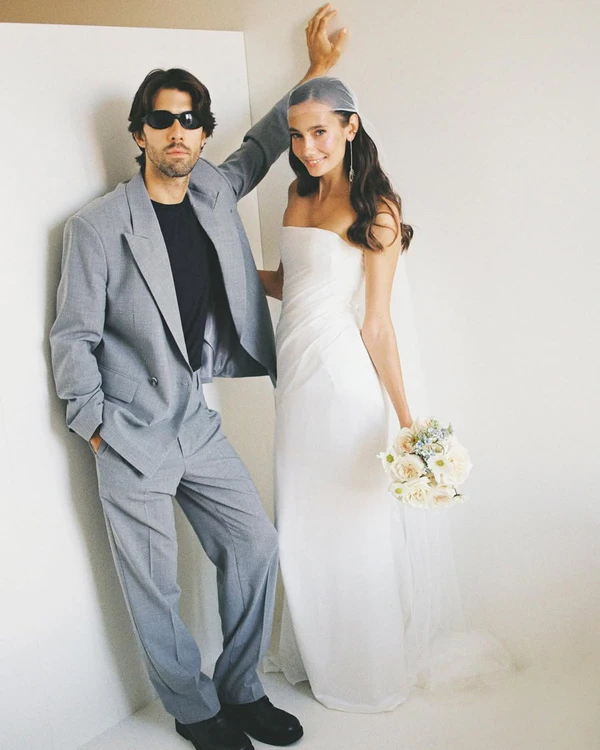
It all Begins With Trust
Confidence starts with trust, which sounds simple until a camera appears and your brain suddenly forgets what hands are for. Still, any photographer will tell you that the more comfortable you feel with the person behind the lens, the more emotionally honest your photos will be. Florida-based wedding photographer Austin Trenholm shares this advice with every couple he works with: “Letting go of the worry about what you look like in photos if often the most important step to looking better in photos. We all have a photo of ourselves that we love that was candid, full of emotion, and most importantly in a moment when we weren’t thinking about the camera. Trust your photographer to get more moments like this.”
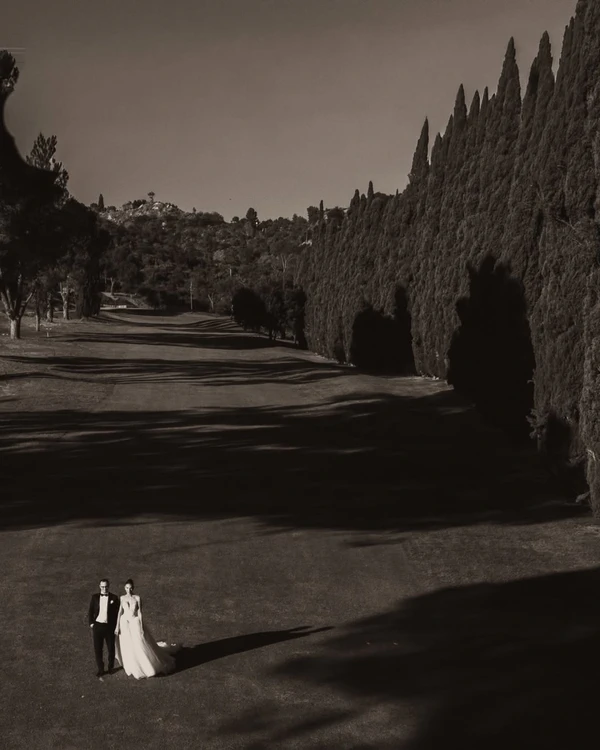
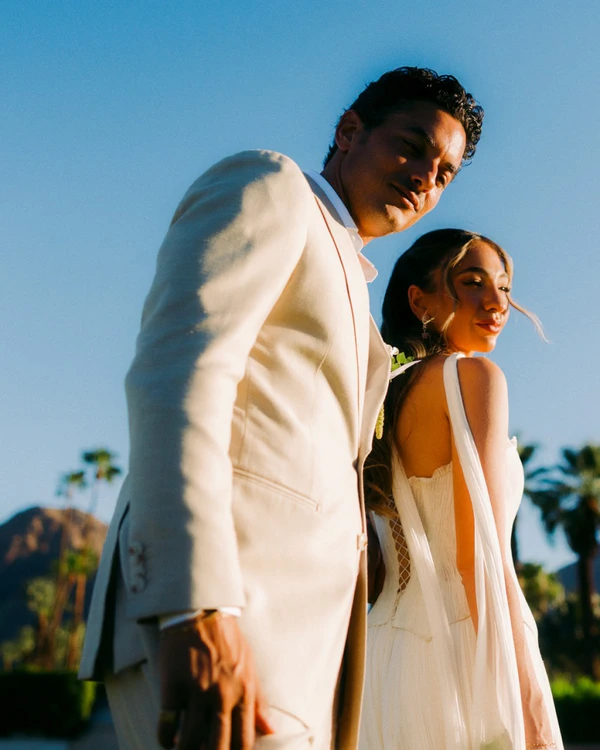
And that trust isn’t only about liking someone’s portfolio. It’s about feeling at ease with their presence, too. Nadine Pramhas, a wedding photographer based in Austria, adds: “Your photographer will be by your side for 8–14 hours on one of the most intimate and emotional days of your life, so choosing someone whose energy feels calming and reassuring makes a huge difference.”
Texas-based wedding photographer Malia May, founder of MGM Moments, believes couples should spend just as much time connecting with the artist as they do studying the work itself. “So many people just want ‘this vibe, or that vibe,’ when in reality they should spend time connecting with the artist themselves,” she says. “This allows the client to feel relaxed, comfortable, and safe to be themselves in their presence.”
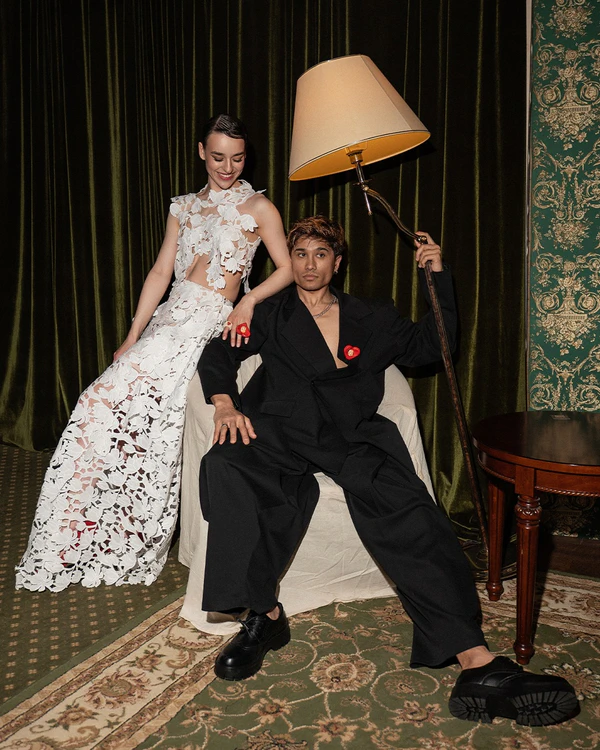
Put in the Prep So You Can Be Present
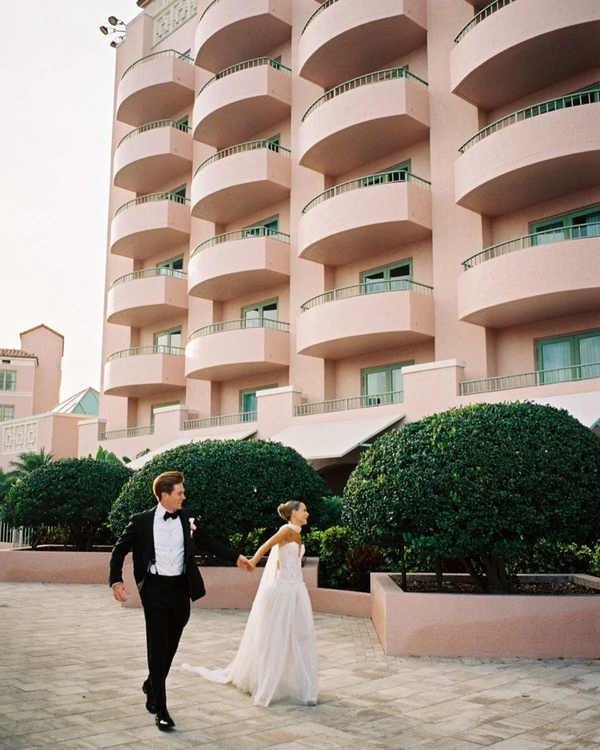
The more your photographer understands before the wedding day, the less you have to think about once the camera is on you. Talk through what matters most, what makes you feel comfortable, and any preferences you want them to know. Colorado-based wedding photographer Meredith Diamond says: “The more thoughtful planning and communication that happens ahead of the wedding, the easier it is to be fully present once the day arrives. I always tell my couples that we do the work beforehand so they can simply enjoy their wedding. Knowing your photographer and creative team understand what matters most to you allows you to let go of the logistics and focus on the experience itself.”
Warm Up Before the Wedding Day
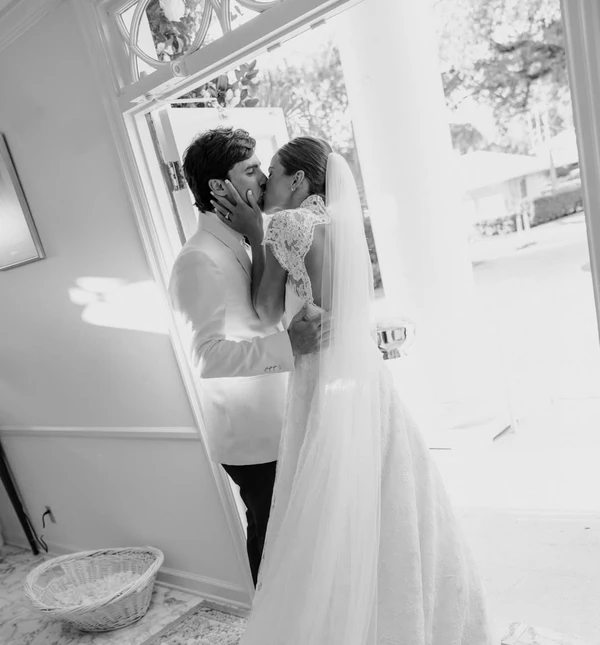
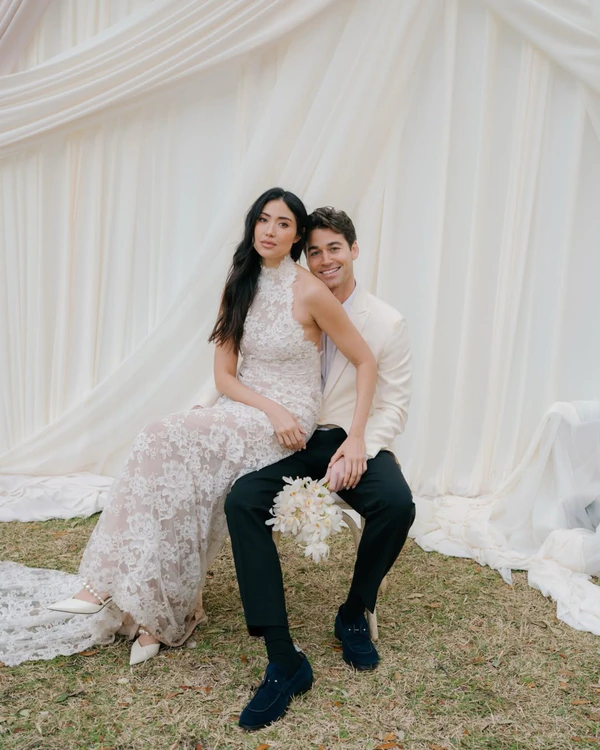
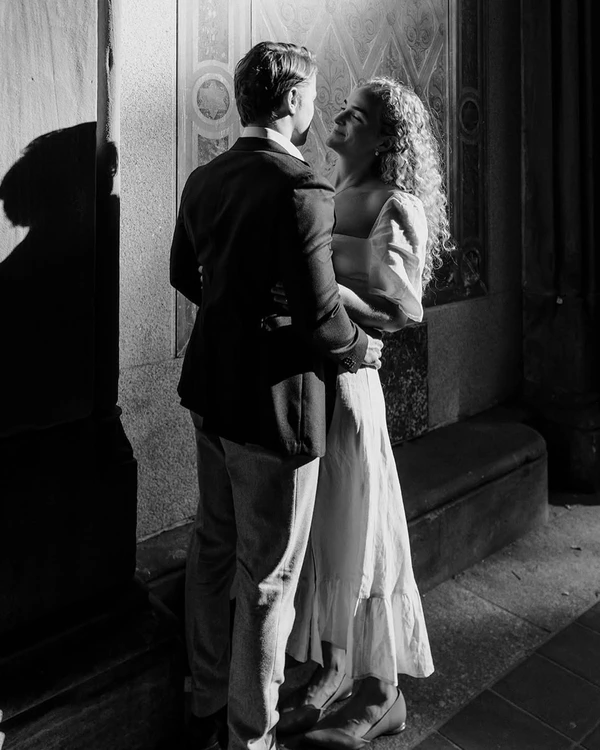
The camera feels far less intimidating when it does not arrive as a total stranger. Spending time with your photographer before the wedding, whether through an engagement session, rehearsal dinner coverage, or another pre-wedding moment, gives you space to get used to their rhythm, direction, and presence without the full emotional electricity of the day itself. Meredith Diamond recommends it for exactly that reason: “It gives you the opportunity to get comfortable in front of the camera, understand how your photographer works and discover what feels most natural for you as a couple. By the time the wedding day arrives, it feels much more like being photographed by a trusted friend than a stranger.”
Practice Makes Perfect
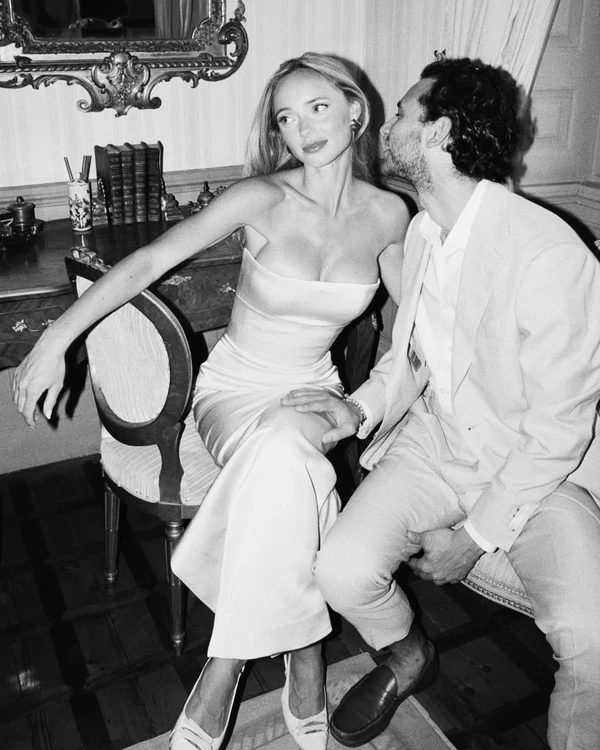
A little practice never hurt anybody, and your wedding photos are no place to discover in real time that standing naturally is, somehow, an advanced skill. While posing in front of the mirror before your wedding might feel a bit theatrical, it can actually be one of the easiest ways to feel less stiff once the camera comes out. The point is not to rehearse every smile or turn your photos into a choreographed production, but to build familiarity with your body and angles. “Look at photos you love and try to see what the people in them are doing. Oftentimes, small adjustments in our body position can make a huge difference. Developing muscle memory for how you look best is important and can take time. So, a few months out from the shoot, start practicing every day,” recommends Austin Trenholm.
Let Your Outfit Work With You
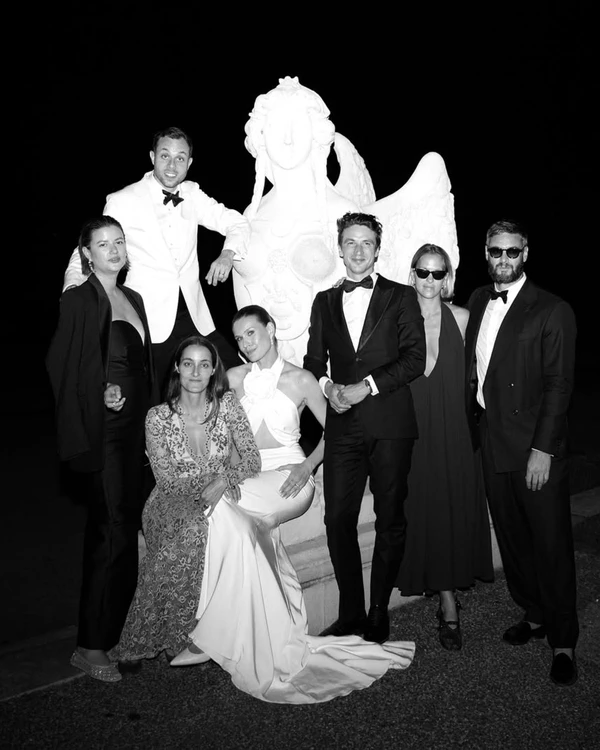
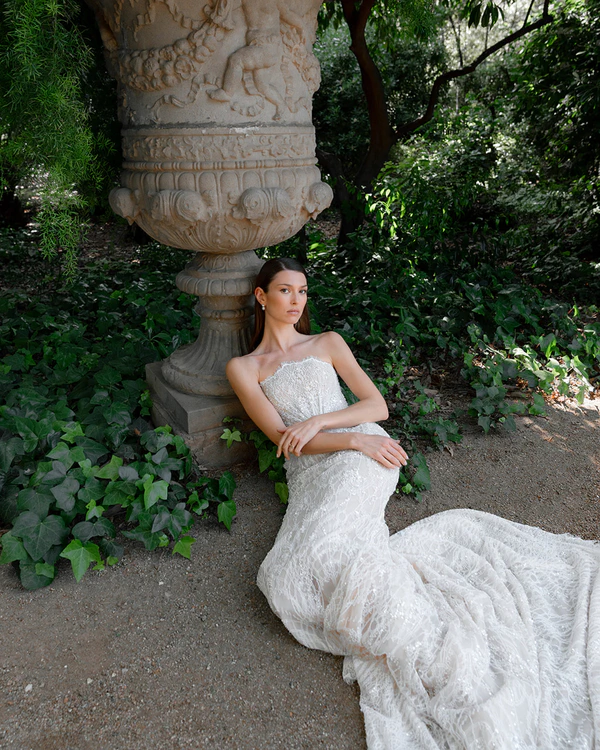
Your wedding look should not feel like a beautiful trap. Yes, the gown, suit, or two-piece set needs to photograph well, but it also needs to let you move, breathe, sit, dance, and be fully present in the day. The camera can sense discomfort: tense shoulders, cautious steps, a hand forever reaching for a slipping strap. California-based wedding photographer Moosho has seen time and again how comfort shapes confidence in front of the camera. “If you constantly have to adjust your dress, pull straps up, fix sleeves, or feel uncomfortable walking, it affects your confidence all day long,” he emphasizes. “Comfort plays a huge role in feeling relaxed and confident in photos.”
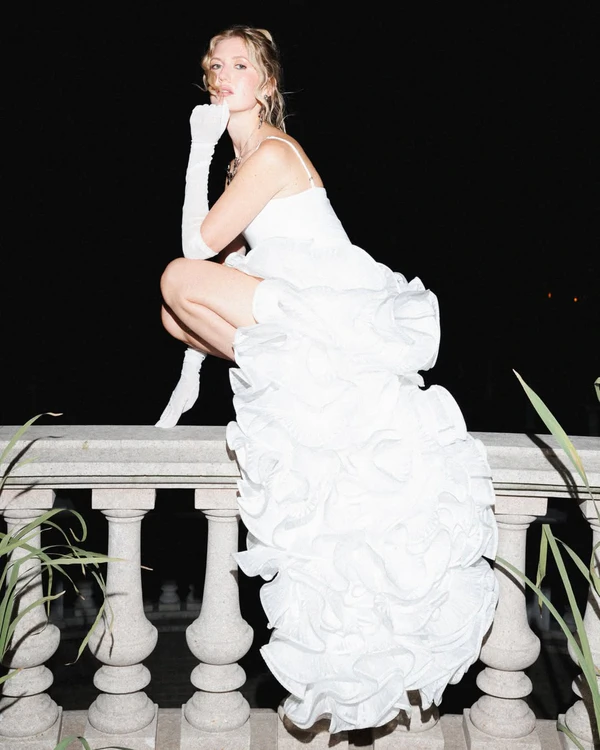
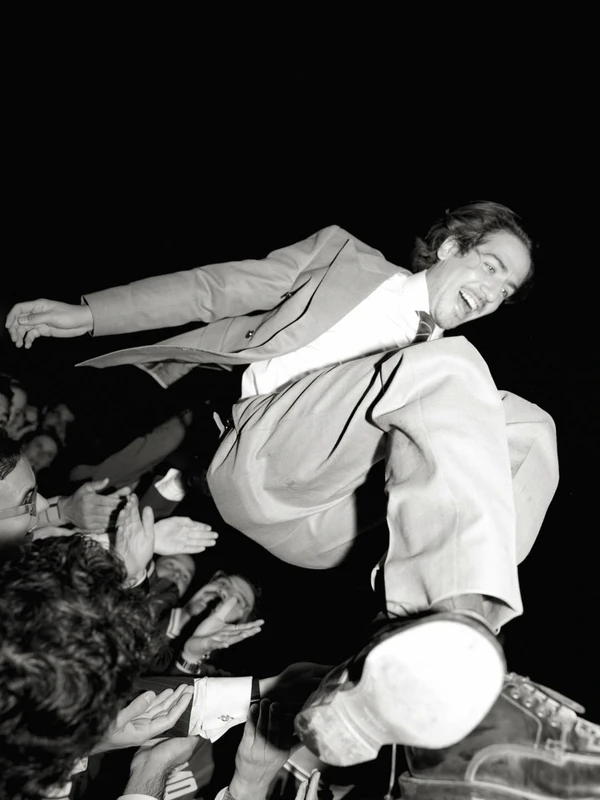
Nadine Pramhas shares the perspective, noting that confidence often begins long before the shutter clicks: “Feeling comfortable in front of the camera starts with feeling like yourself. The more comfortable you feel in what you’re wearing, your styling, and your overall atmosphere, the more naturally confidence comes through in photographs.”
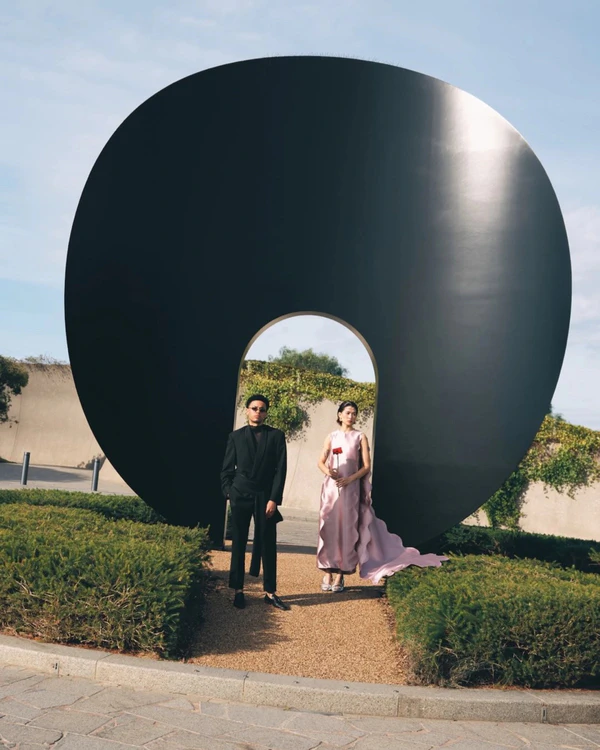
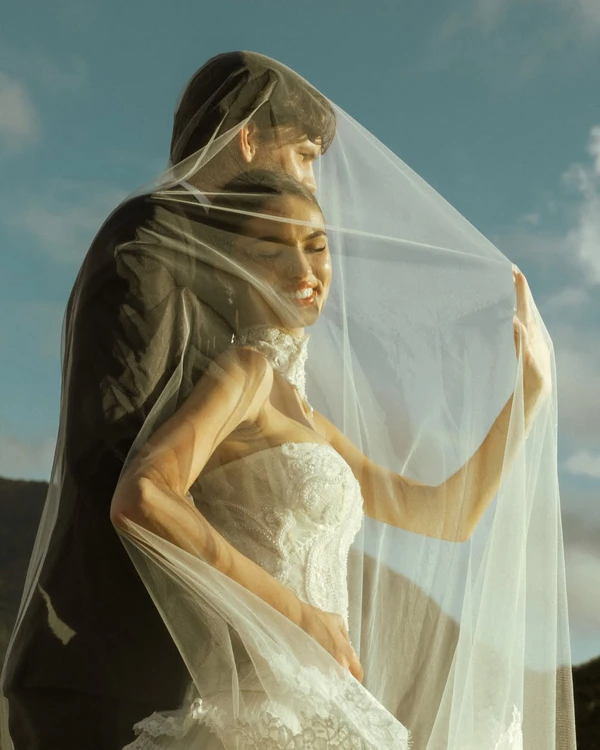
The same goes for beauty choices. Californian wedding photographer Lizzy Mae emphasizes that feeling camera-ready should never mean feeling unlike yourself. “Make sure your hair, makeup, and dress all truly reflect you and your style,” she says. “If you like simple makeup daily, then for your big day keep it simple too. You will feel the most confident doing what comes naturally to you.
Give Yourself Time to
Settle Into the Day
Do not underestimate the power of an unhurried morning. The extra half hour you think you do not need might be the reason you get to sip coffee, write a note, laugh with your friends, breathe before putting on your outfit, or simply look around and realize "this is actually happening." That kind of calm has a way of softening the whole day, including the photos. As Moosho says, “Rushing creates stress, and stress always shows in energy and photos. A calm morning with enough time for hair, makeup, getting dressed, and simply taking in the moment makes a huge difference.”
Create the Right Atmosphere
Bring Your Squad
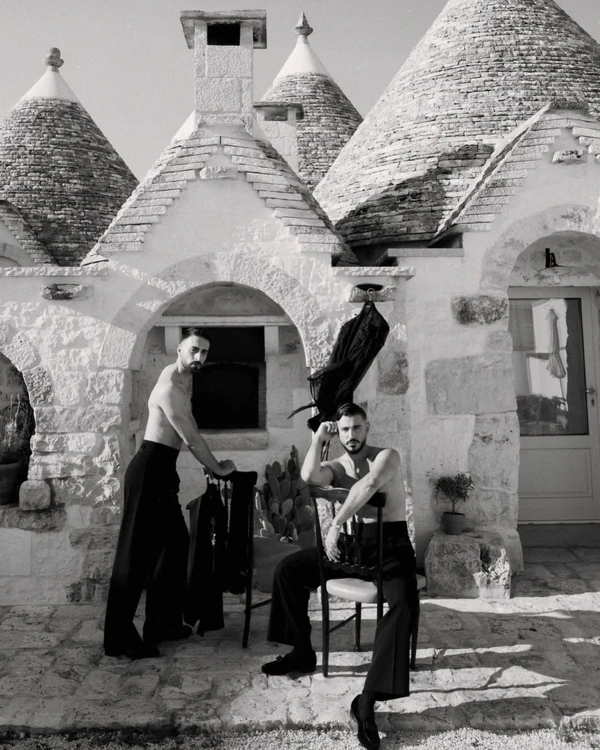
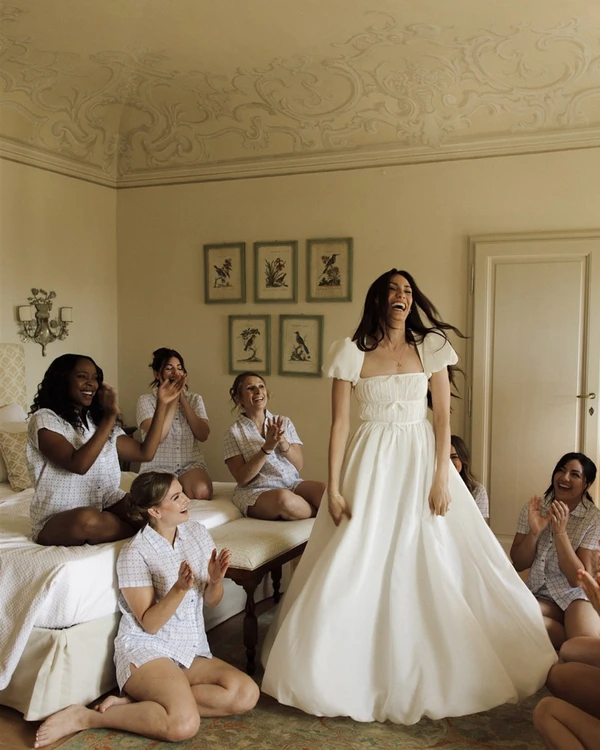
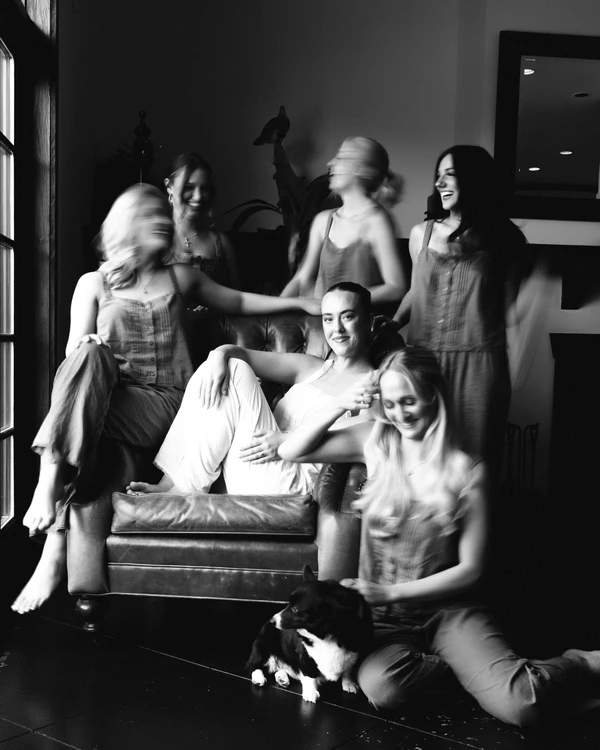
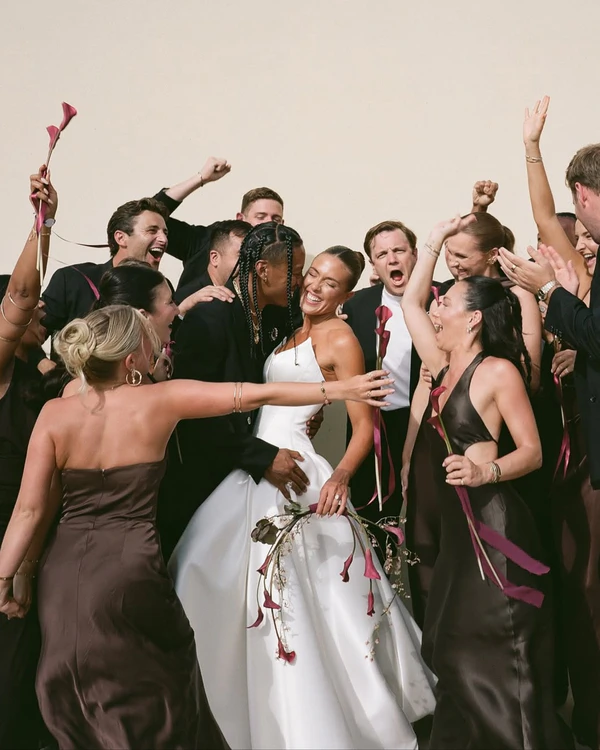
Confidence can be contagious, especially when it comes from the people who know exactly how to make you laugh when you start taking yourself too seriously. If solo portraits feel intimidating, bring a few trusted friends or family members into the moment, even if they are standing just outside the frame. Julia Wade, an East Coast wedding photographer with over a decade of experience in the industry, loves this during bridal portraits: “There are really fun moments throughout the day to bring your squad and hype you up during photos. My favorite is during a bridal portrait moment. Let your people help you fluff the dress, stand by the photographer, laugh and smile and enjoy with you. Hype you up! It becomes a memory and helps you relax in front of the camera.”
Focus on Each Other, Not the Lens
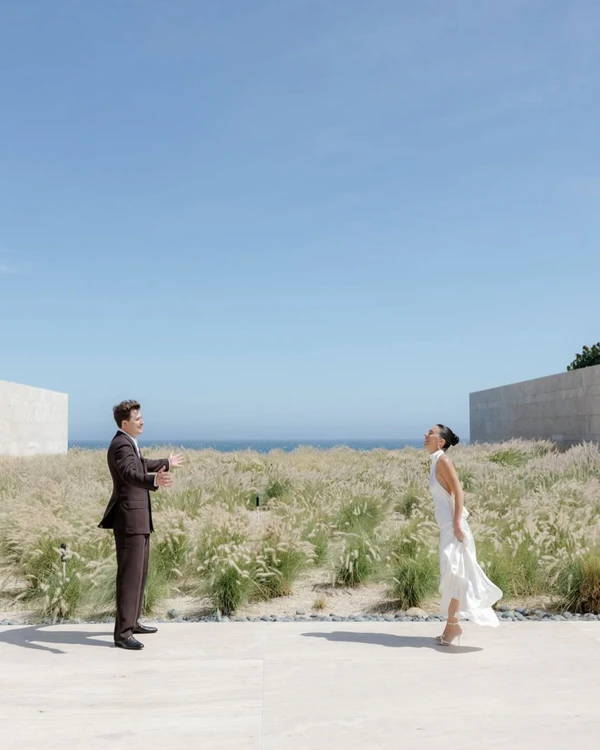
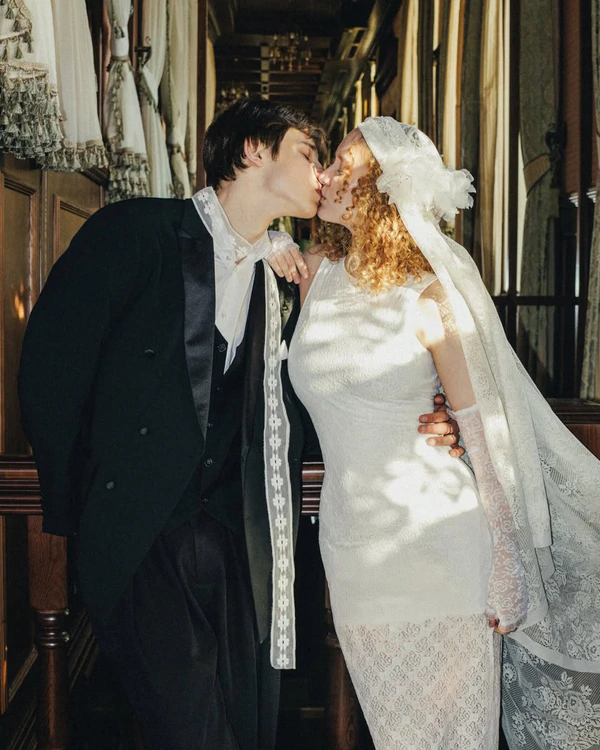
Keep reminding yourselves that the day belongs to you, not to the camera. The lens may be there, yes, but it is not the main character. You are. The easiest way to look natural, comfortable and confident in photos is to stop performing for the frame and turn your attention back to each other. “The best photos usually happen when couples stop thinking about posing and start being present with each other,” notes Moosho. “Instead of worrying about where to look or what to do with your hands, focus on your partner, the emotions, and the experience of the day. Real connection always photographs beautifully.”
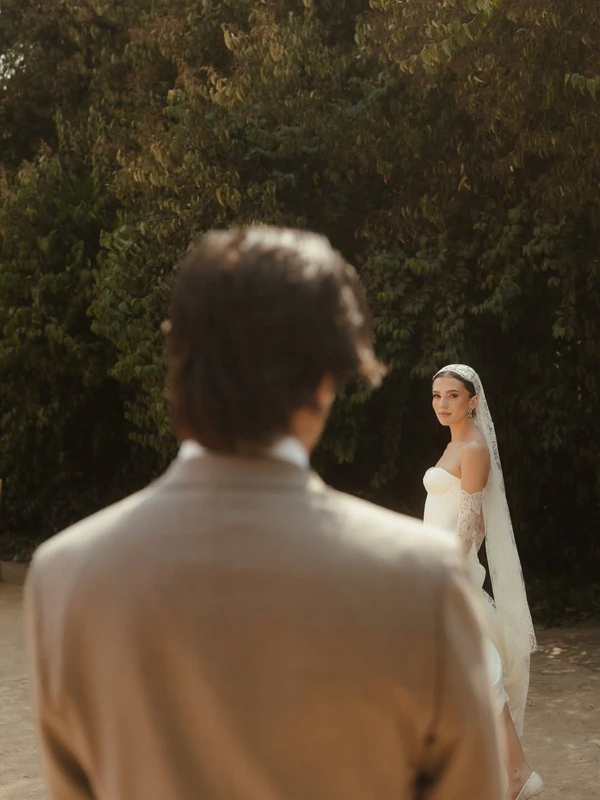
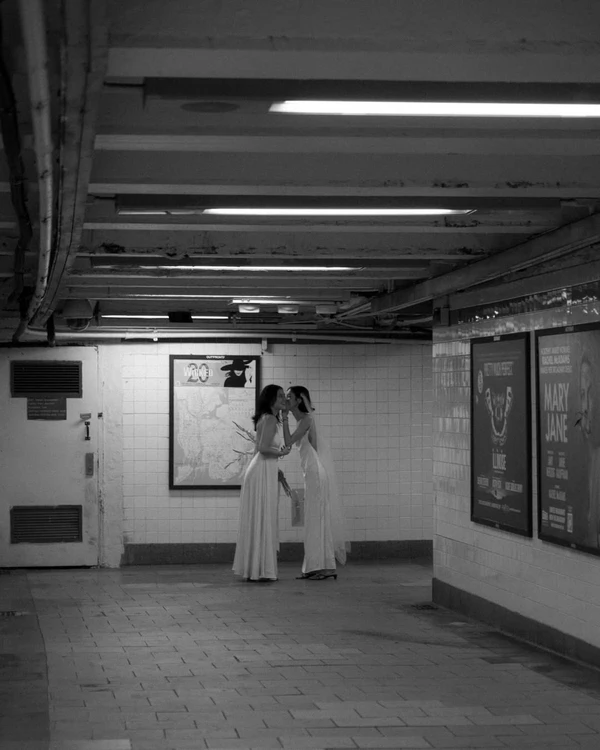
Malia May of MGM Moments, sees it the same way: the most powerful images happen when couples are not trying to become a more polished version of themselves for the camera, but simply living the day. “Photographers and media teams can only document what is in front of them,” she says. “So if clients are feeling outside of their own body and not truly living the day, they are always going to be a bit camera-shy.”
For Julia Wade, that sense of presence is exactly what turns a photograph into something more than a pose. “The moment you turn your attention to each other, the day, the feelings you’re experiencing, magic happens every time. Get into that flow state and the right photographer will bottle that magic in spades.”
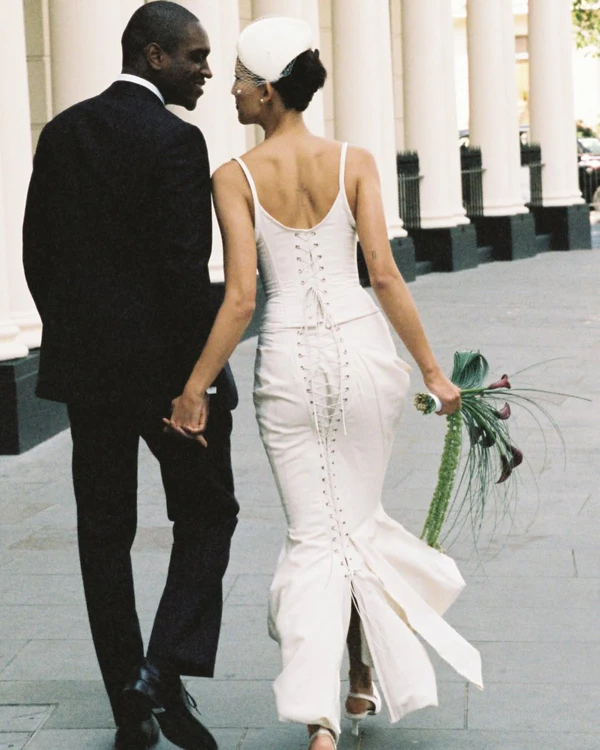
Move, Laugh, Talk, & Touch
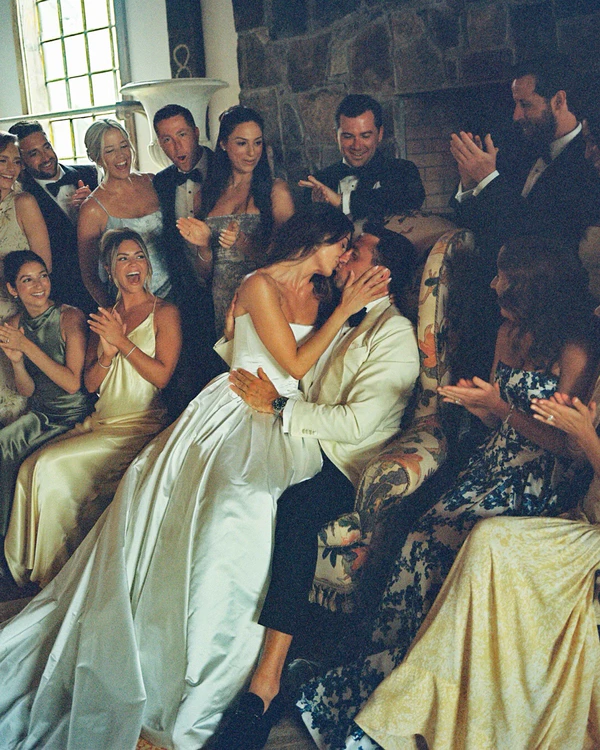
Connection rarely happens in perfect stillness. Don’t be afraid to move around and be tactile: hold hands, lean in, whisper something ridiculous, walk together, laugh for real. Those small, instinctive gestures translate incredible on camera because they give the image life. “Talk, have fun, laugh,” says Austin Trenholm. “Movement breaks up the awkwardness that can exist in photos when we are standing still and waiting. Movement equals better moments.” And once you give yourself permission to move, give yourself permission to be imperfect, too. Stop trying to look flawless every second. As Moosho adds, “Real emotion always looks better than trying to pose perfectly the entire day.”
When you stop chasing the image, you make room for the experience, and that is often what photographs best. Lizzy Mae encourages couples to come back to the heart of the day whenever camera nerves start to creep in. “Breathe and take in that it is your day and it’s going to be beautiful,” she says. “Confidence comes from peace, and on a day that can be so easily stressful, it’s important to remember what truly matters.”