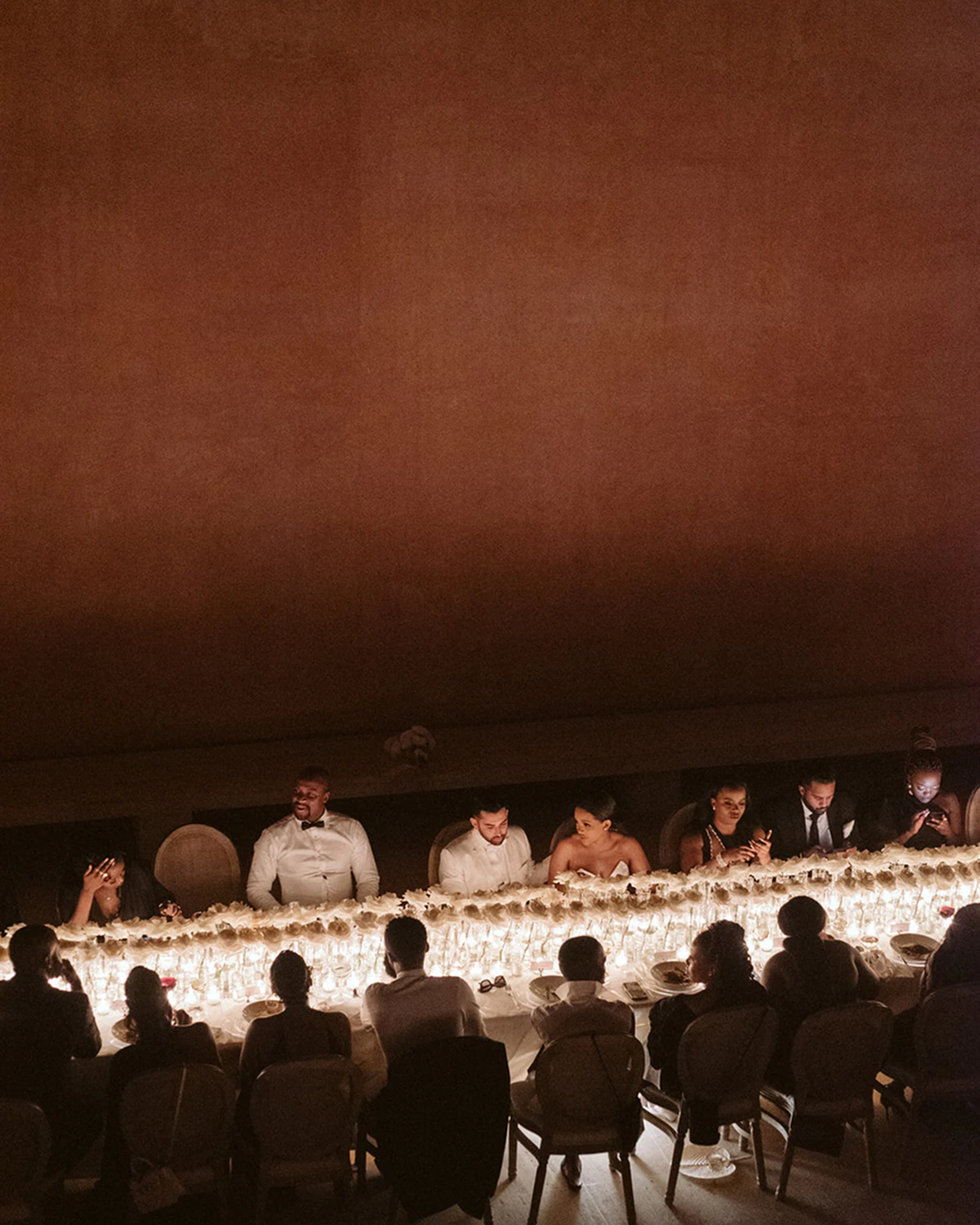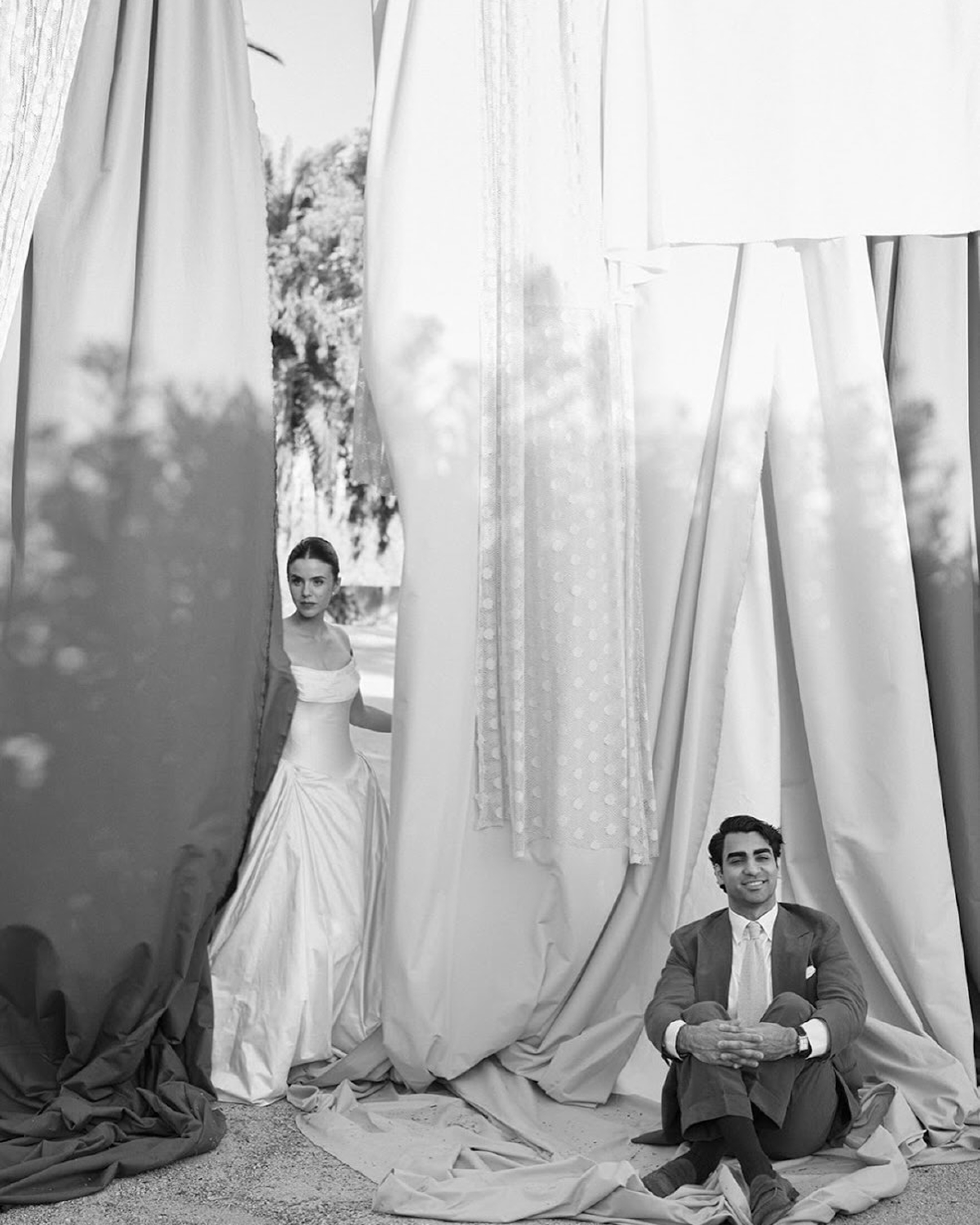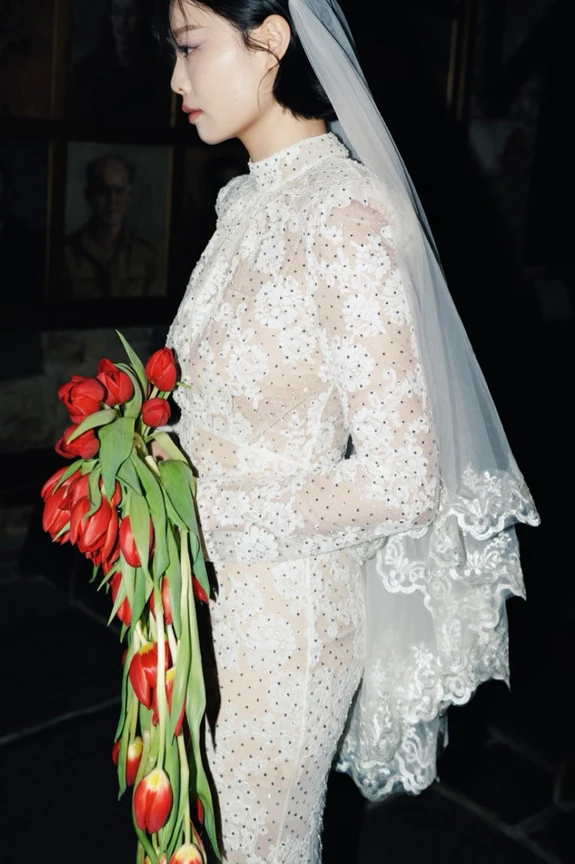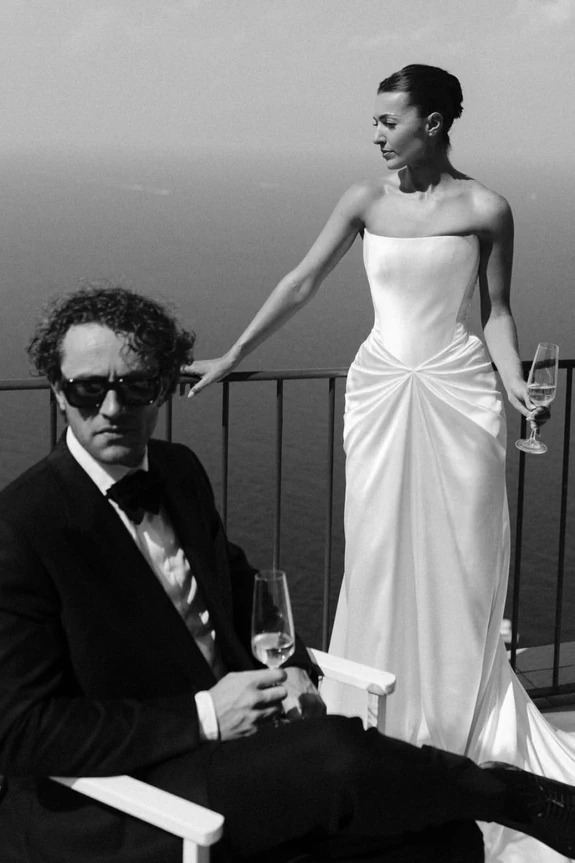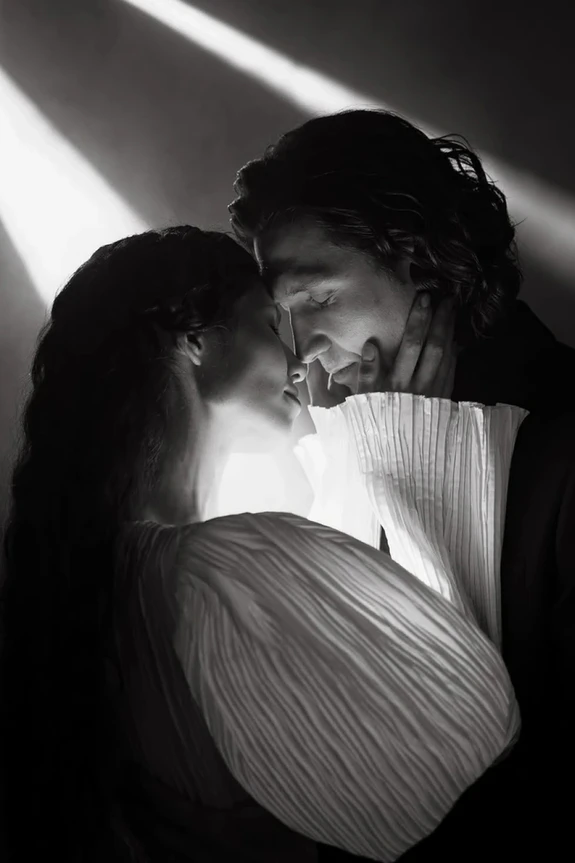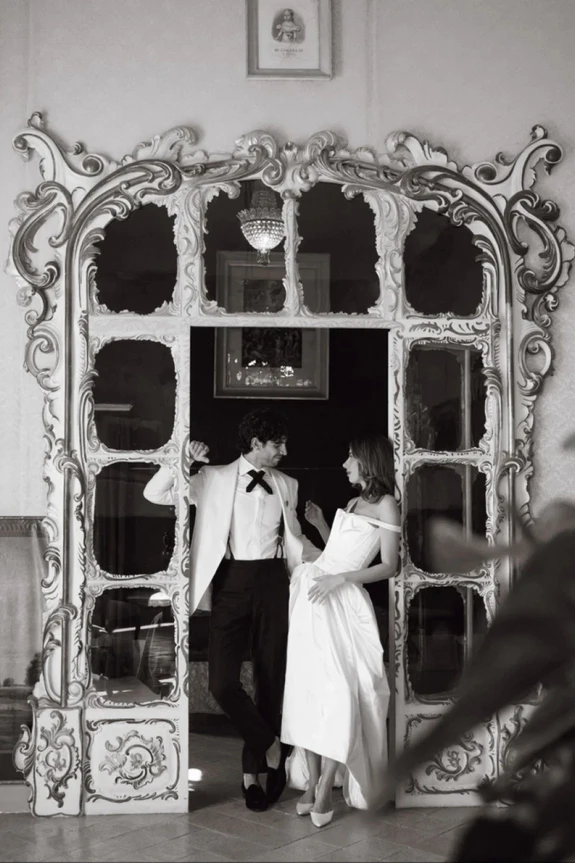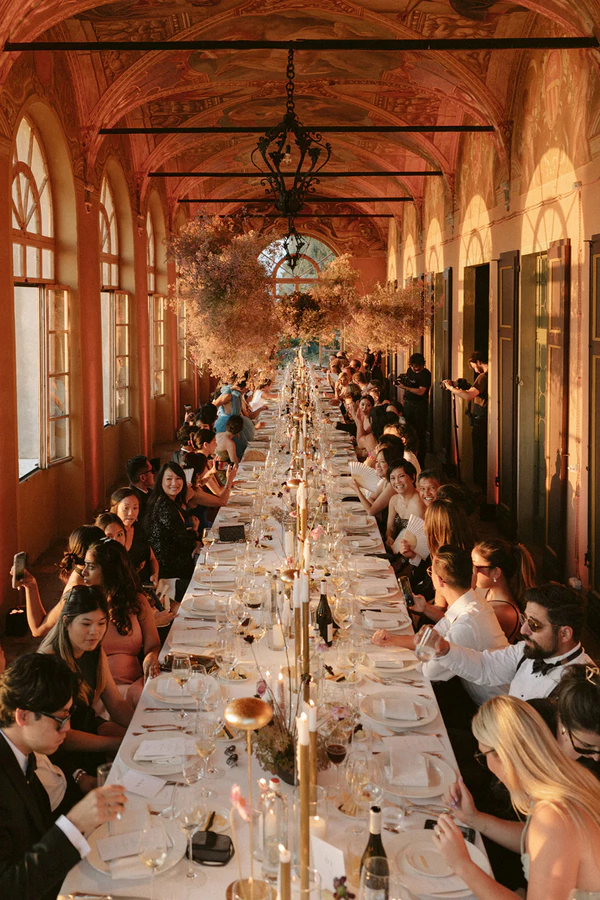
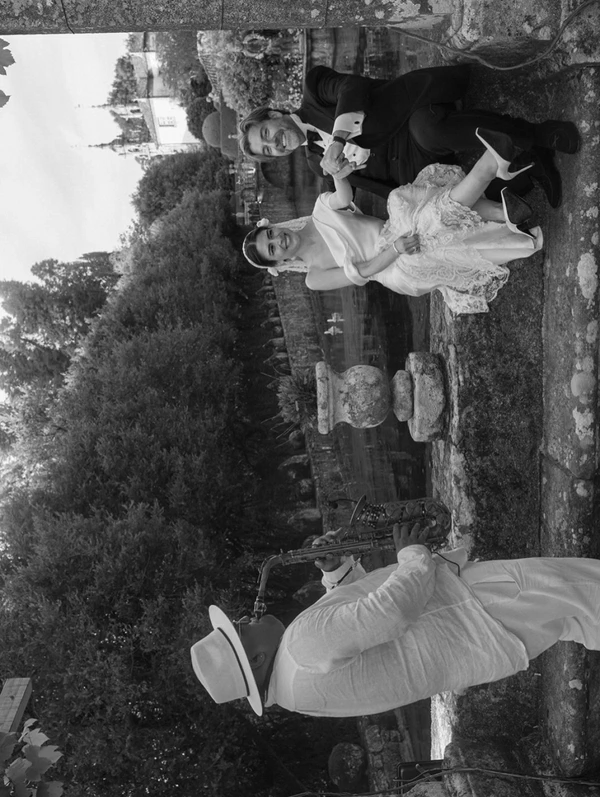
Most photographers are expected to be a fly on the wall, but this quartet prefers to stay close. Dos Más En La Mesa, whose name translates to “two more at the table,” began in 2011 when Andrea and David came together over a shared love of documentary photography. Bernardita later joined them, and for many years, the three built the studio and shaped its distinctive identity together. Today, they have become a quartet, welcoming Clara as their fourth partner after ten years of working side by side. Together, the four photographers bring complementary perspectives, working in different combinations while sharing the same vision. For fifteen years, they have pulled up a chair at other people’s weddings, capturing love stories in a distinct, documentary-meets-fine art way. Ask them where a couple’s story lives, and the answer is rarely the place most people would look. We sat down with David to discover what fifteen years at the table have taught them, what building a wedding photography studio around conversation looks like, and why the best images depend on decisions made before the day.
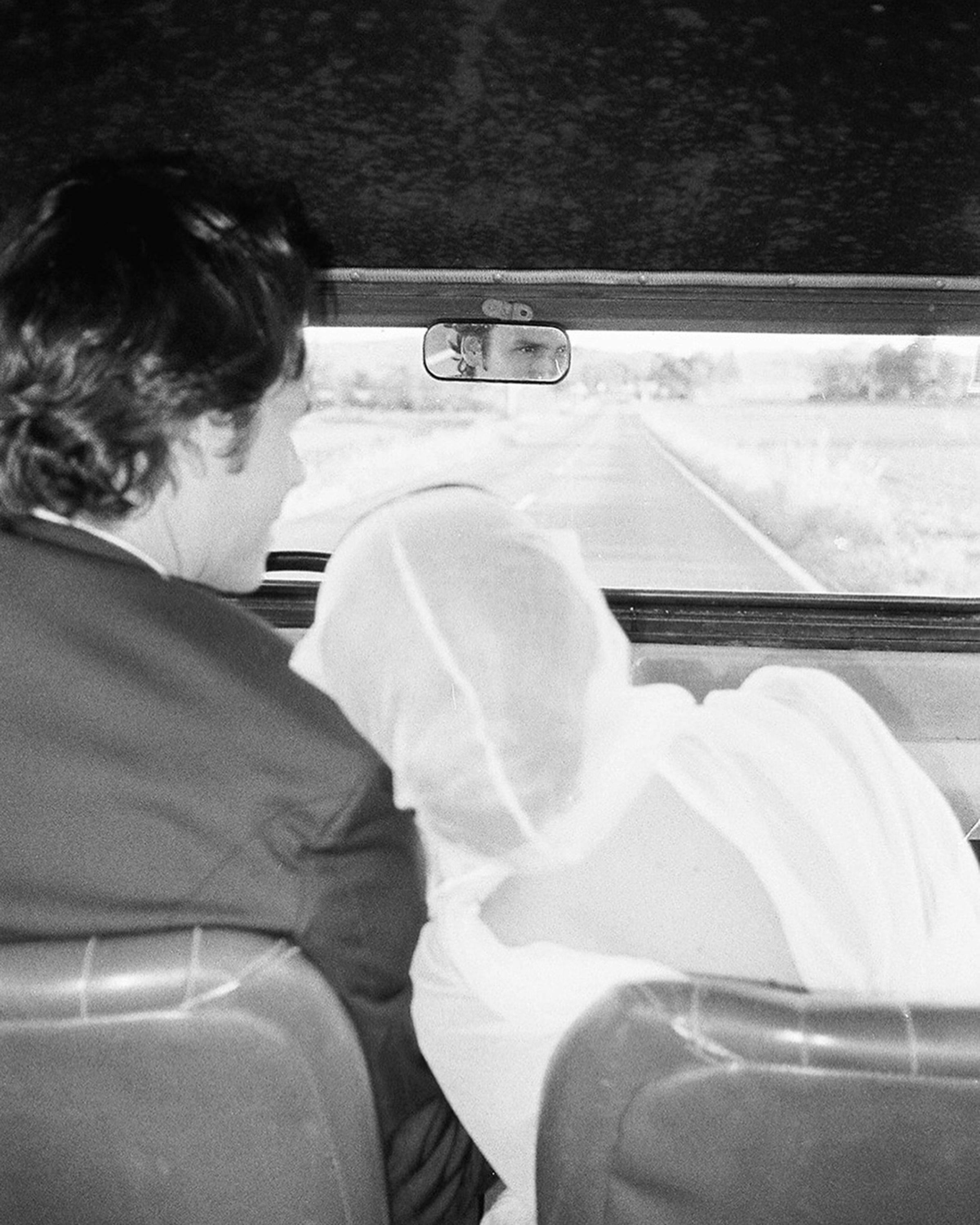
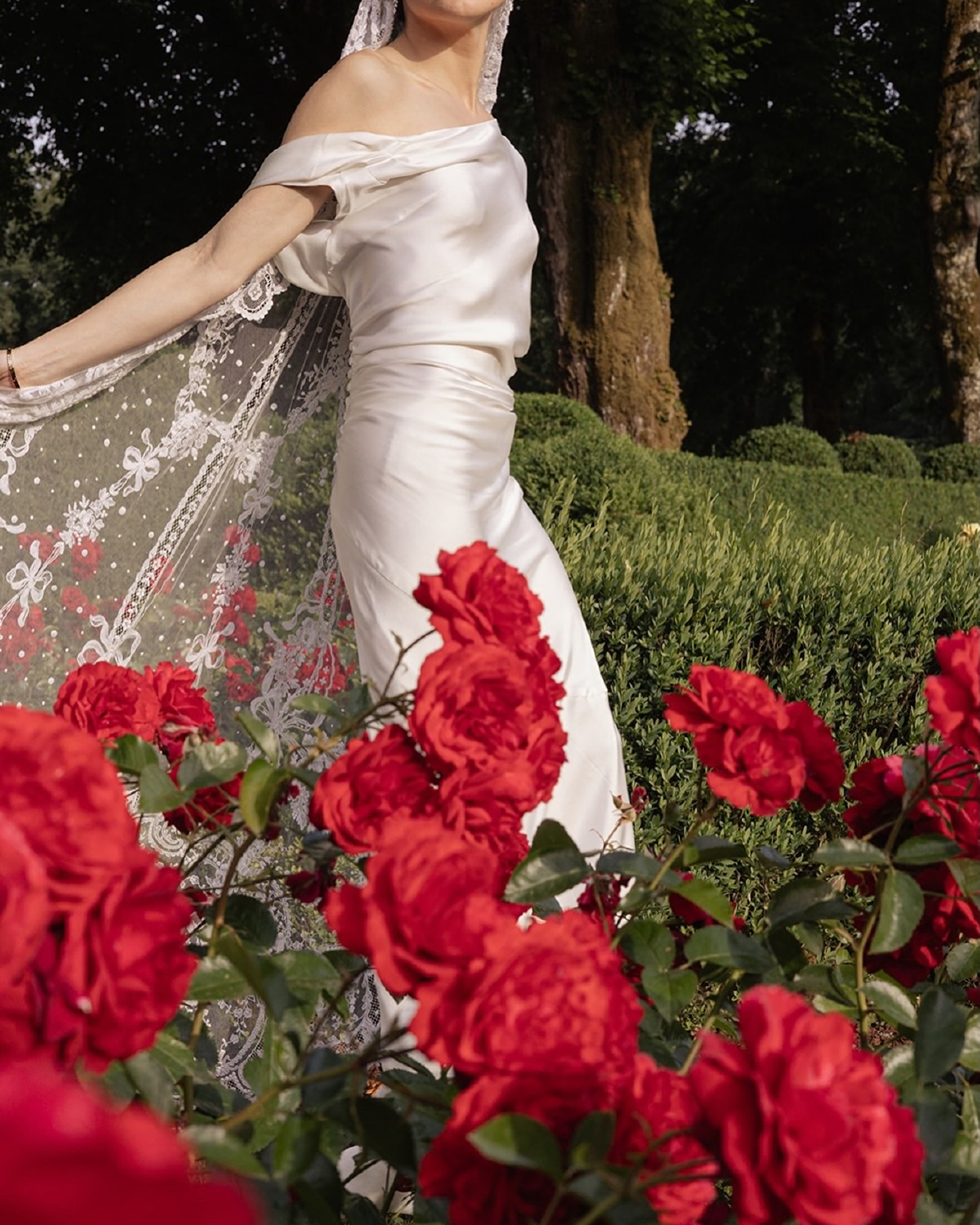
Tell us the story of how Dos Más En La Mesa came to be. What did those first years look like, and what made you realize there was something worth building together?
We met in 2011 through documentary photography. What began as conversations about photographers we admired gradually became a friendship built around a shared curiosity. Over time, we realized that although our individual sensibilities were different, we shared something more fundamental: a way of understanding photography, an interest in the same artistic questions, and a desire to create work that felt personal rather than follow an established formula.
Our first clients were friends, and that is where the name Dos Más En La Mesa came from. We wanted to be welcomed as two more people at the table, close enough to understand what was happening around us rather than simply documenting it from the outside. Looking back, I think what convinced us to build something together was not the discovery of a business opportunity. It was the feeling that our conversations were making us better photographers. Fifteen years later, that remains the foundation of everything we do.
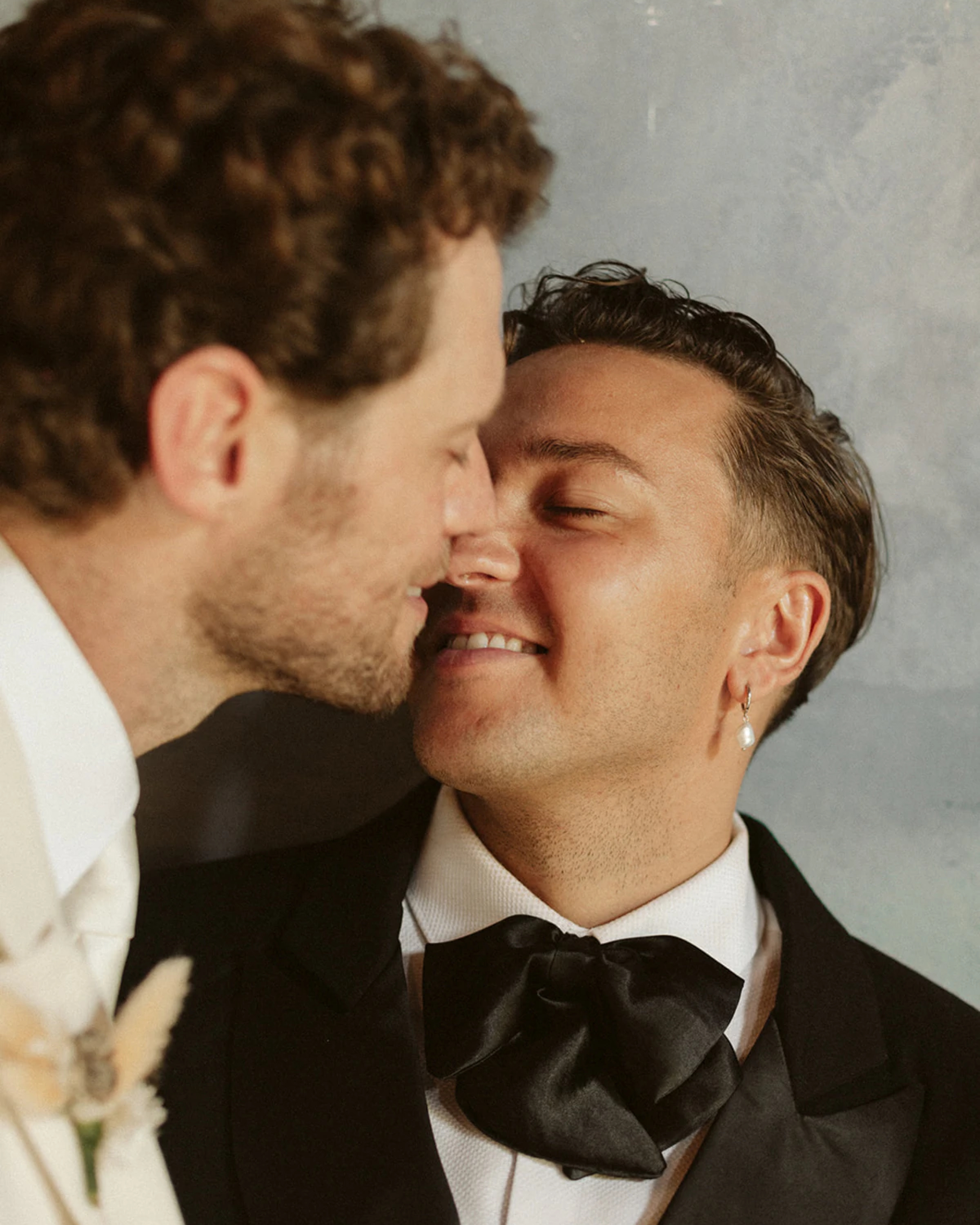
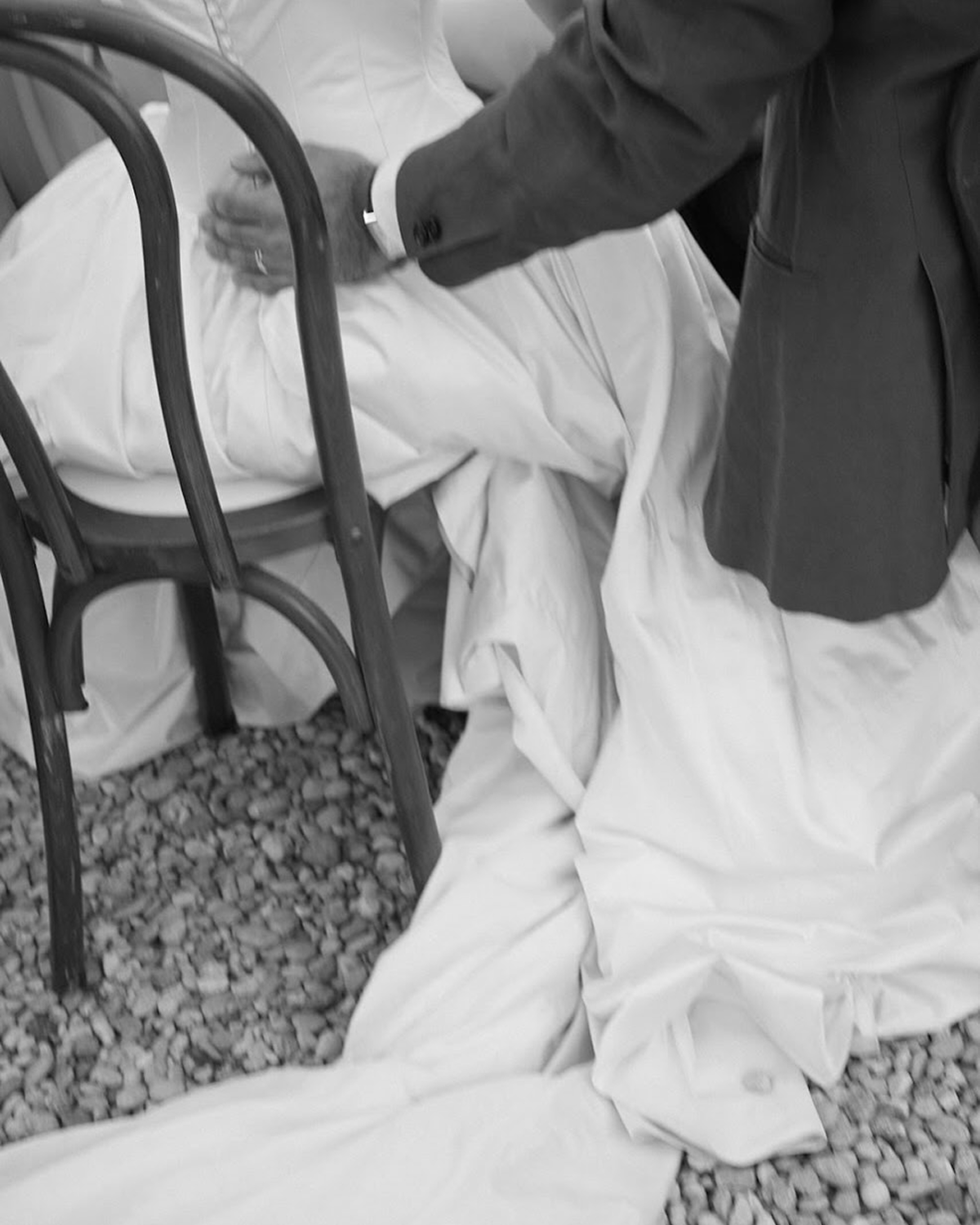
"We wanted to be welcomed as two more people at the table, close enough to understand what was happening around us rather than simply documenting it from the outside."
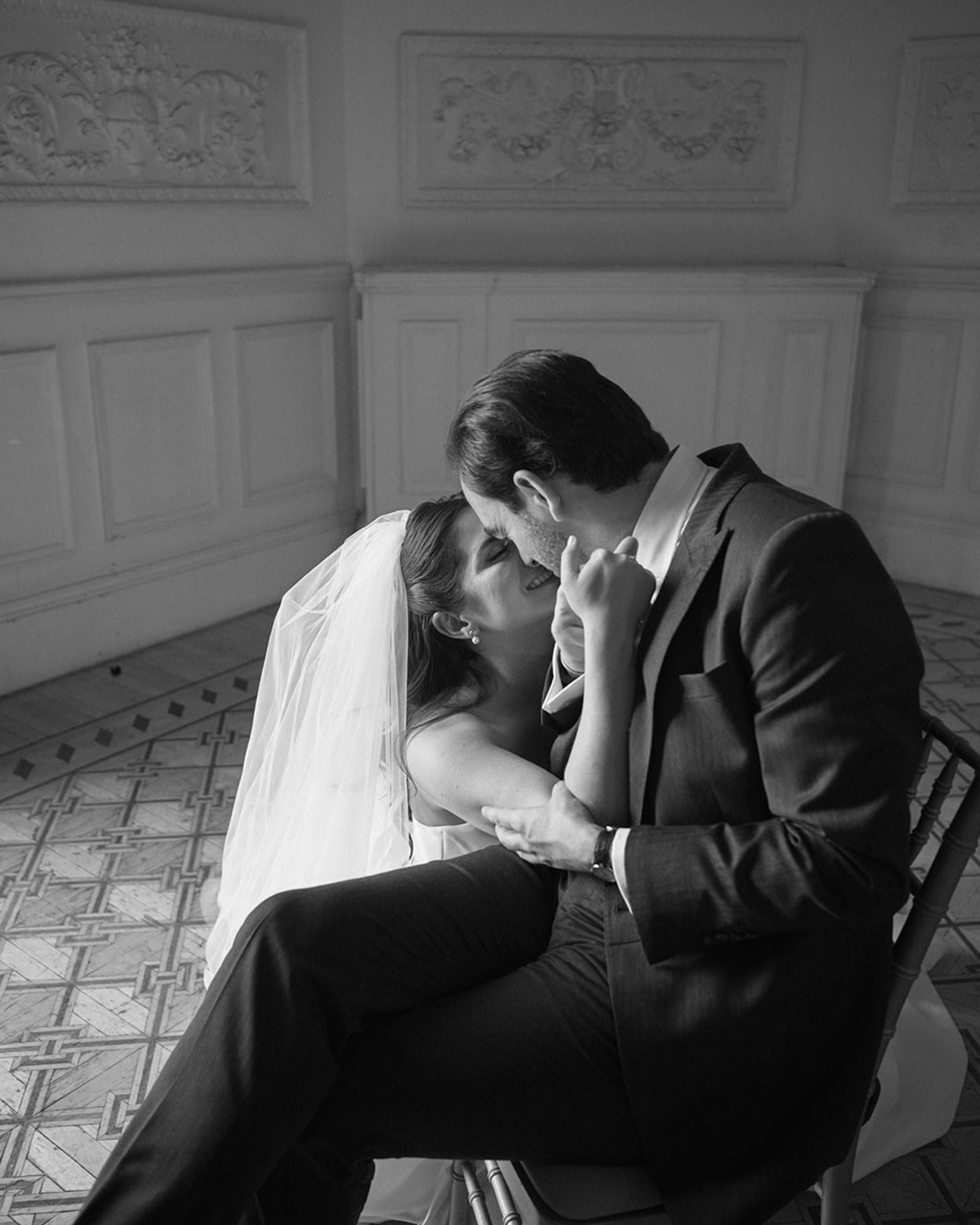
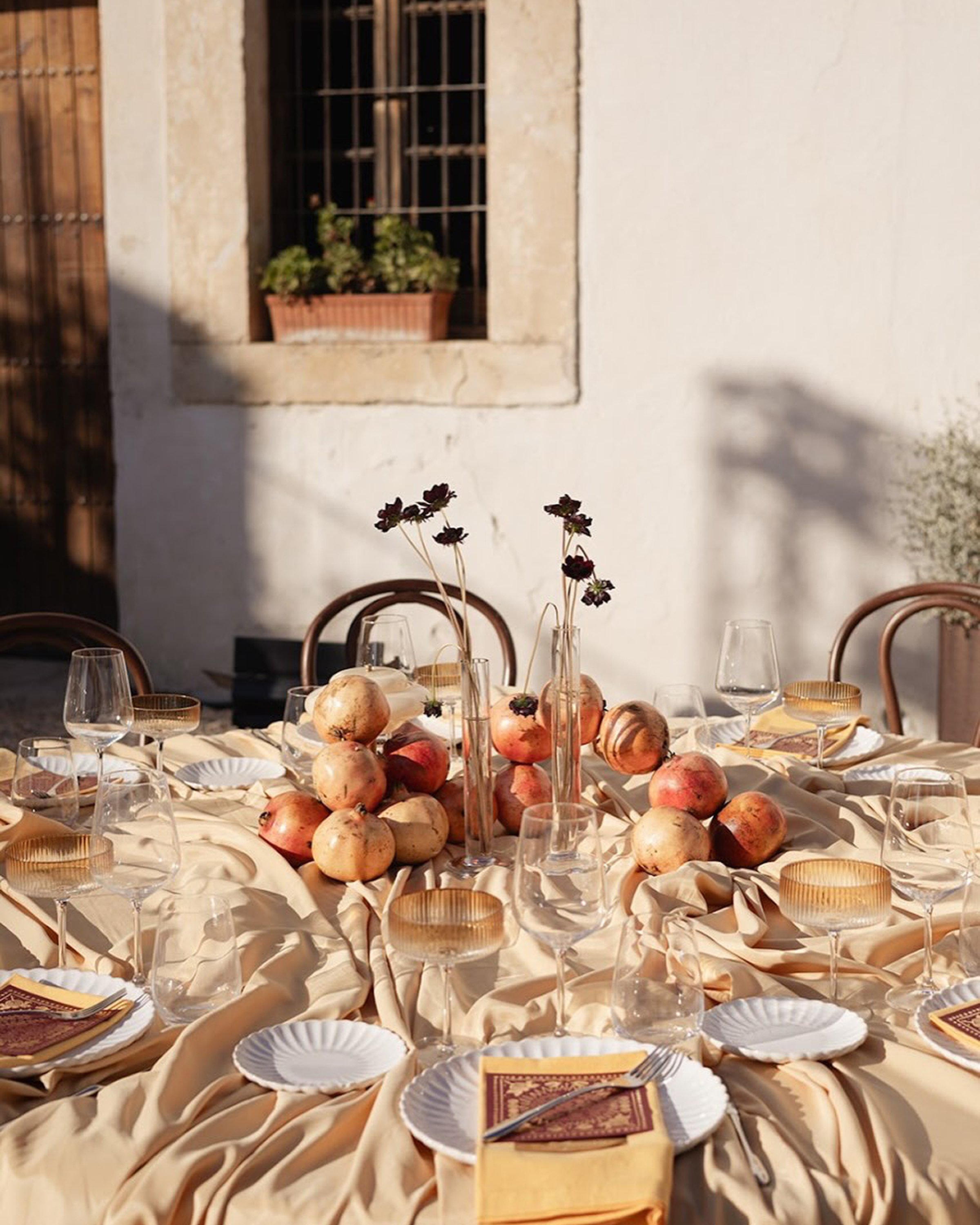
You’ve described your work as sitting somewhere between documentary and fine art. Where do you think those two approaches meet?
We have never seen documentary photography and fine art as opposing disciplines. To us, they are two ways of approaching the same subject, constantly informing and challenging one another. Within our team, we have developed distinct specializations. One of us is more deeply involved in the documentary tradition, following human relationships, gestures, and the unpredictable movement of life. The other works with a more contemplative sensibility, paying particular attention to form, composition, light, and the relationships between people and their surroundings. What interests us is what happens when those two approaches begin to influence each other. Documentary photography reminds us that an image needs to remain connected to something real, while fine art encourages us to question how that reality can be interpreted, transformed, or given another meaning through photography.
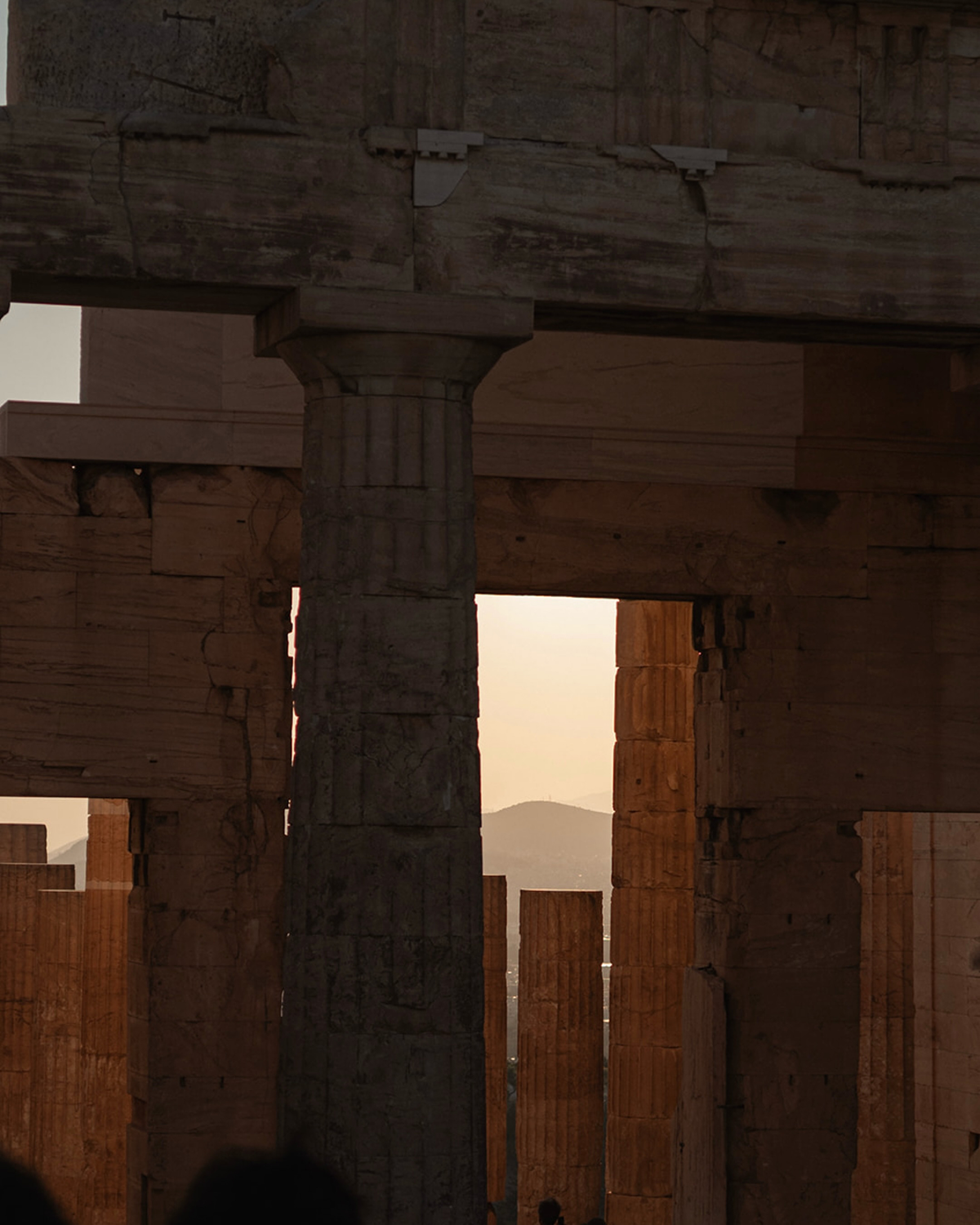
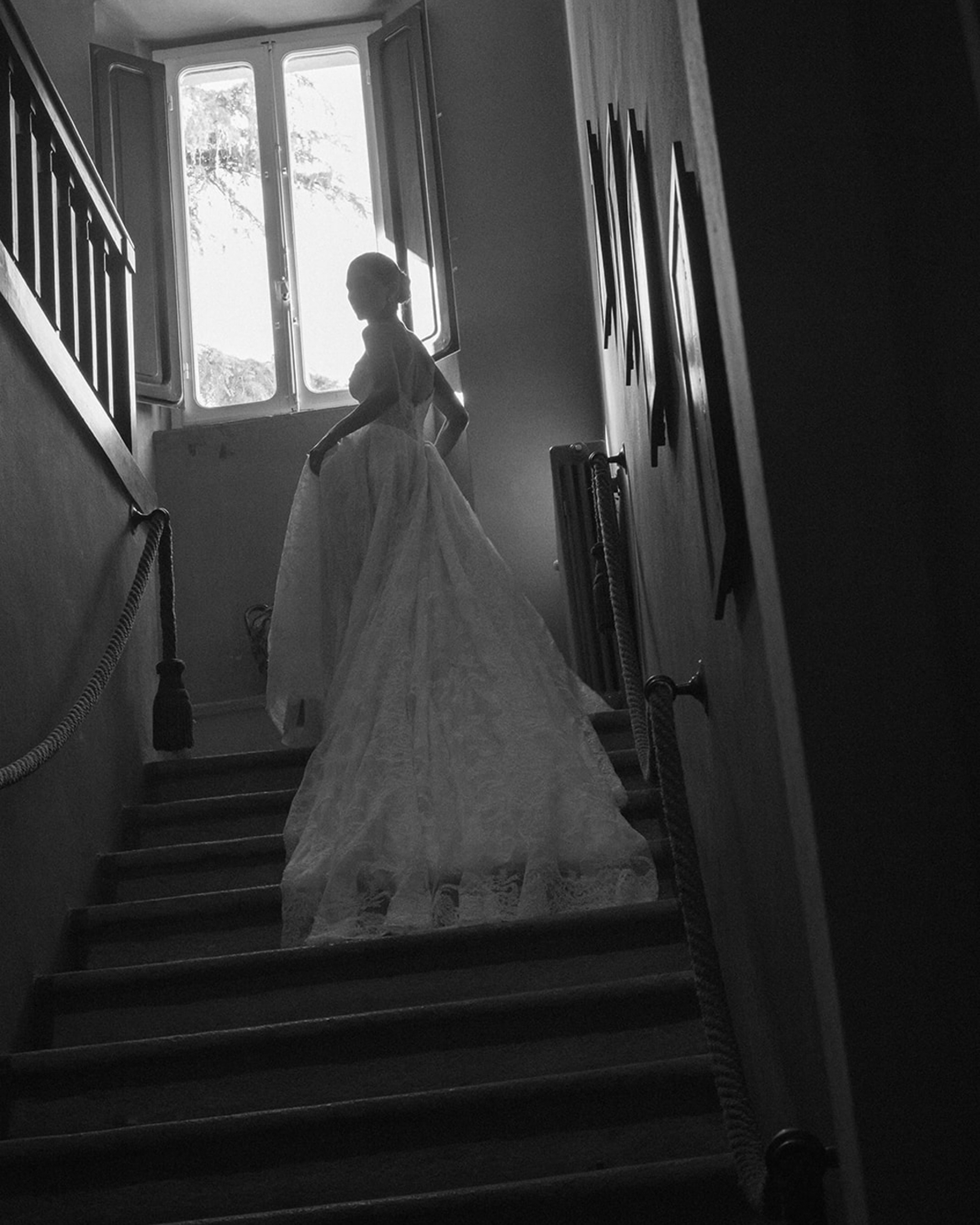
We constantly discuss our work, challenge each other’s decisions and try to push both disciplines further. Over time, that exchange has created a shared visual language without requiring us to see things in the same way.
Perhaps that is where they meet for us: in the possibility of making photographs that remain faithful to what happened, while allowing the photographer’s interpretation to reveal something that might otherwise have gone unnoticed.
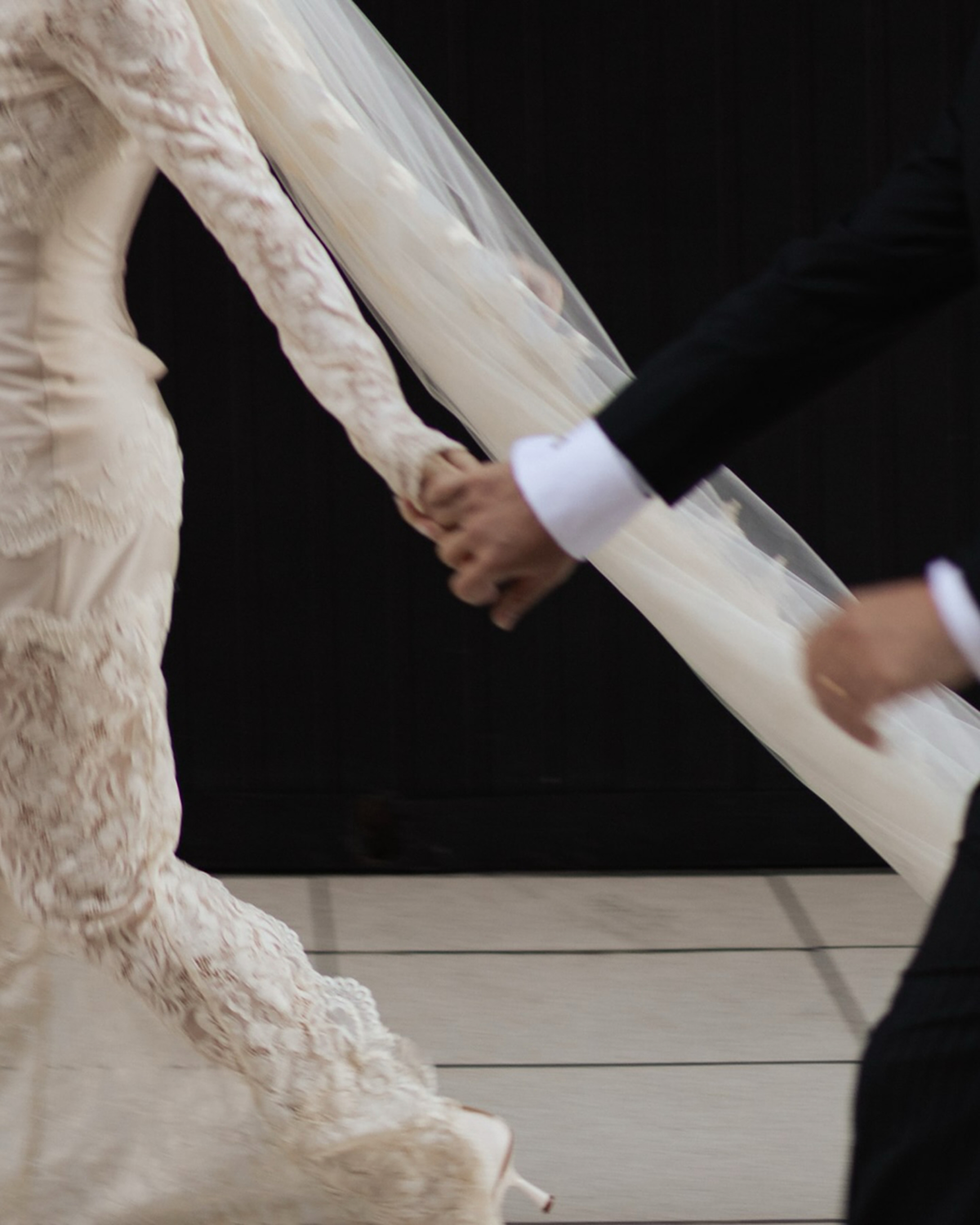
Two photographers, two ways of seeing, one body of work. What does each of you notice that the other would miss, and why does the work need both?
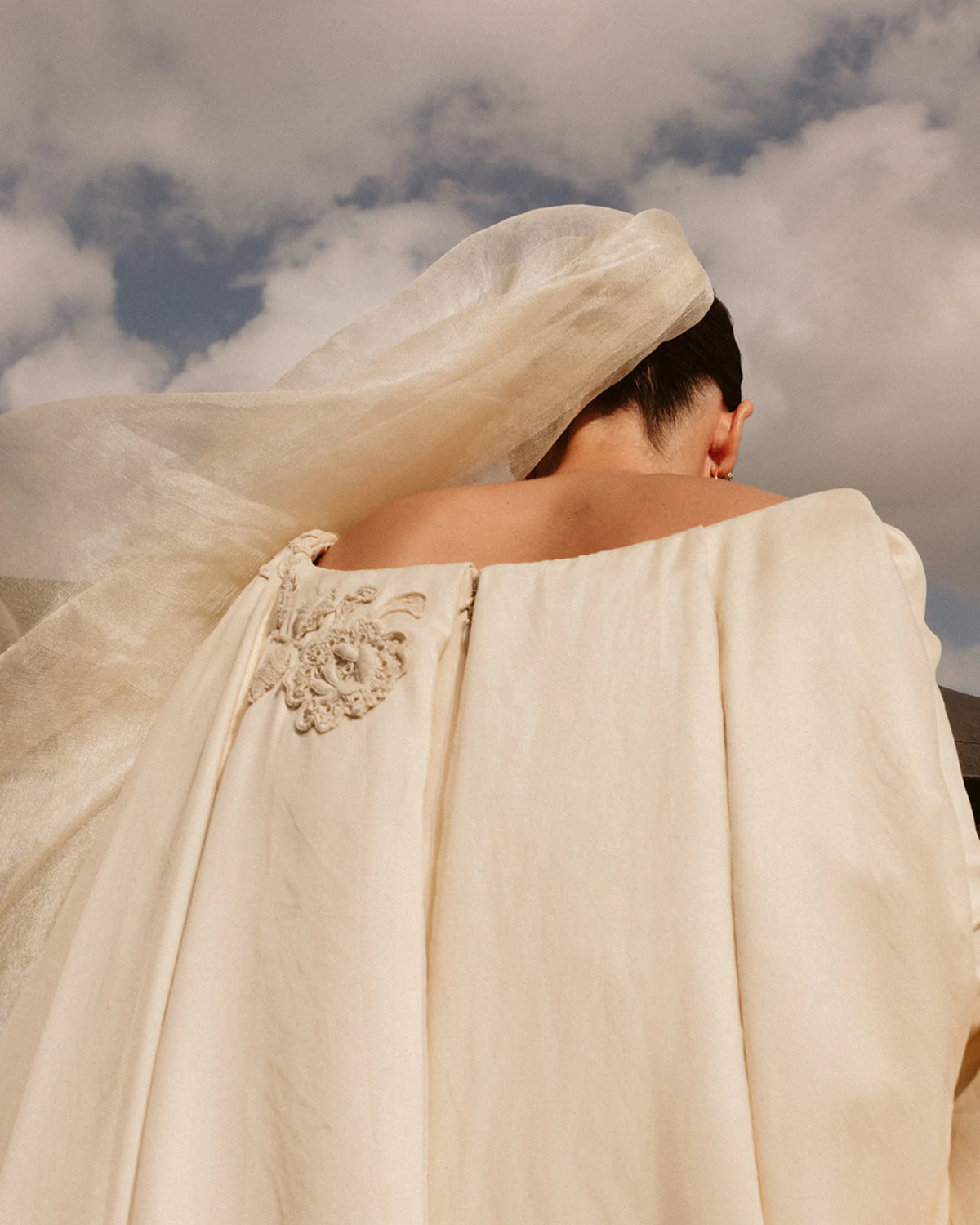
We work with two distinct, equally valued sensibilities; neither photographer is an assistant to the other. One stays close to family dynamics and the emotional movement of the day. The other has space for a quieter register: a pause, the shape of a gesture or a relationship between someone and their surroundings. That attention is a specialism in its own right.
We know each other inside out. Each of us knows how to offer a counterpoint. If one moves close, the other may step back; if one follows the action, the other can stay with its traces. Different lenses and distances help us develop those readings. The clothes guests wear, the suppliers’ work and the character of a space all express something about the couple and deserve that attention. If you strive for perfection, you need to specialize deeply. We do not believe a generalist can achieve the same depth and quality across every aspect of the work. We know what each of us sees especially well. We discuss those strengths and give them space within the project. In our opinion, a shared language becomes richer when people have room to contribute differently.
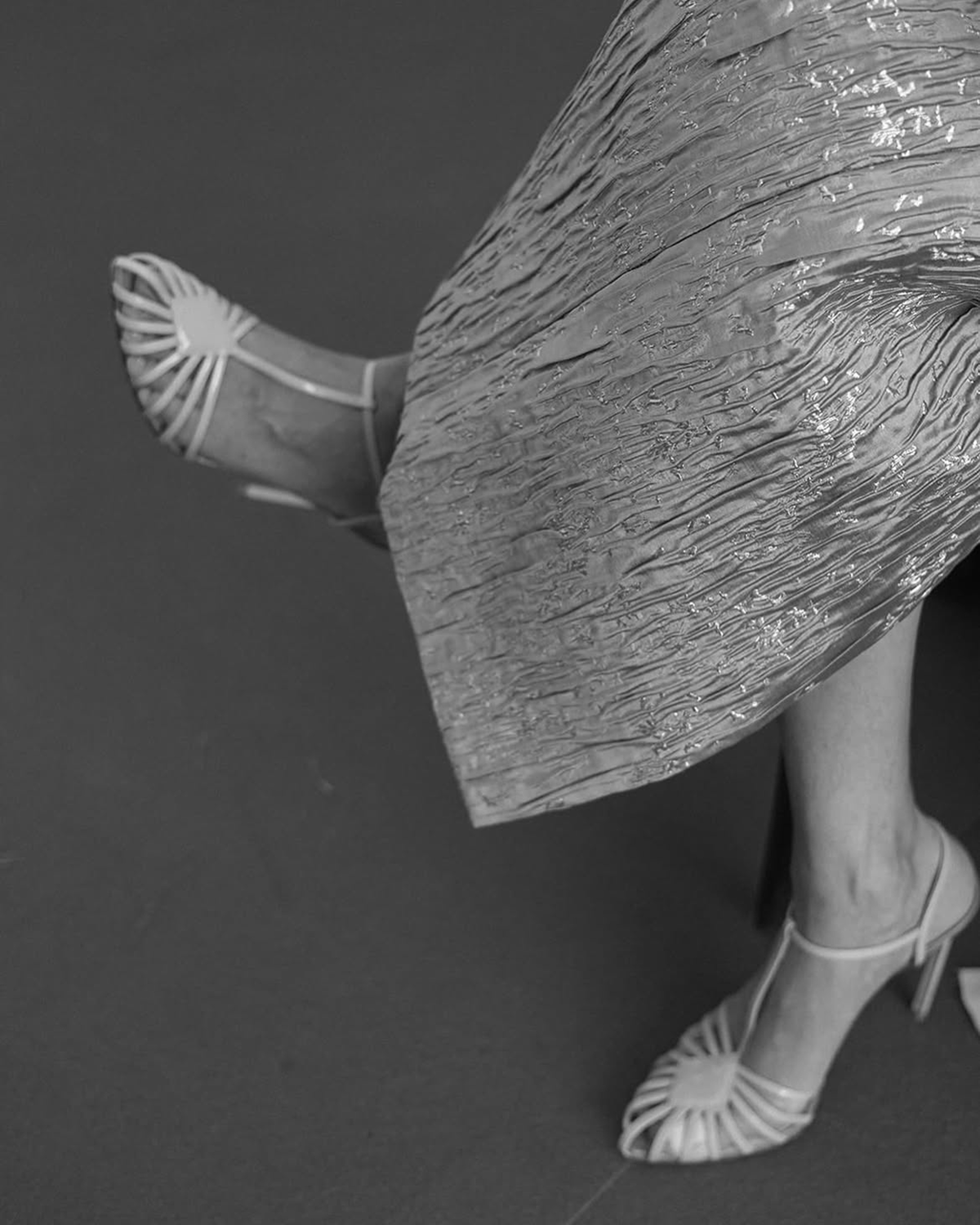
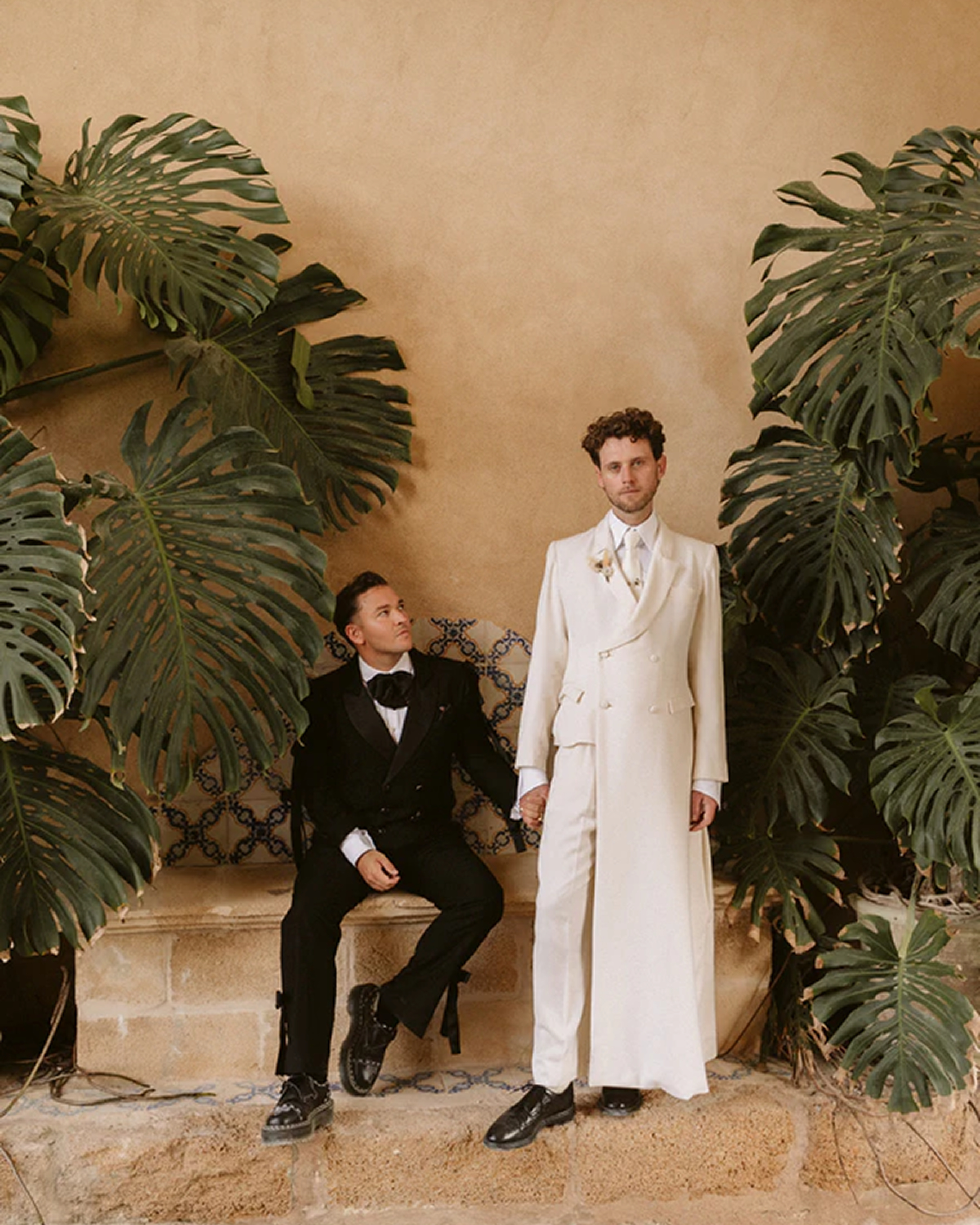
"Each of us knows how to offer a counterpoint. If one moves close, the other may step back; if one follows the action, the other can stay with its traces."
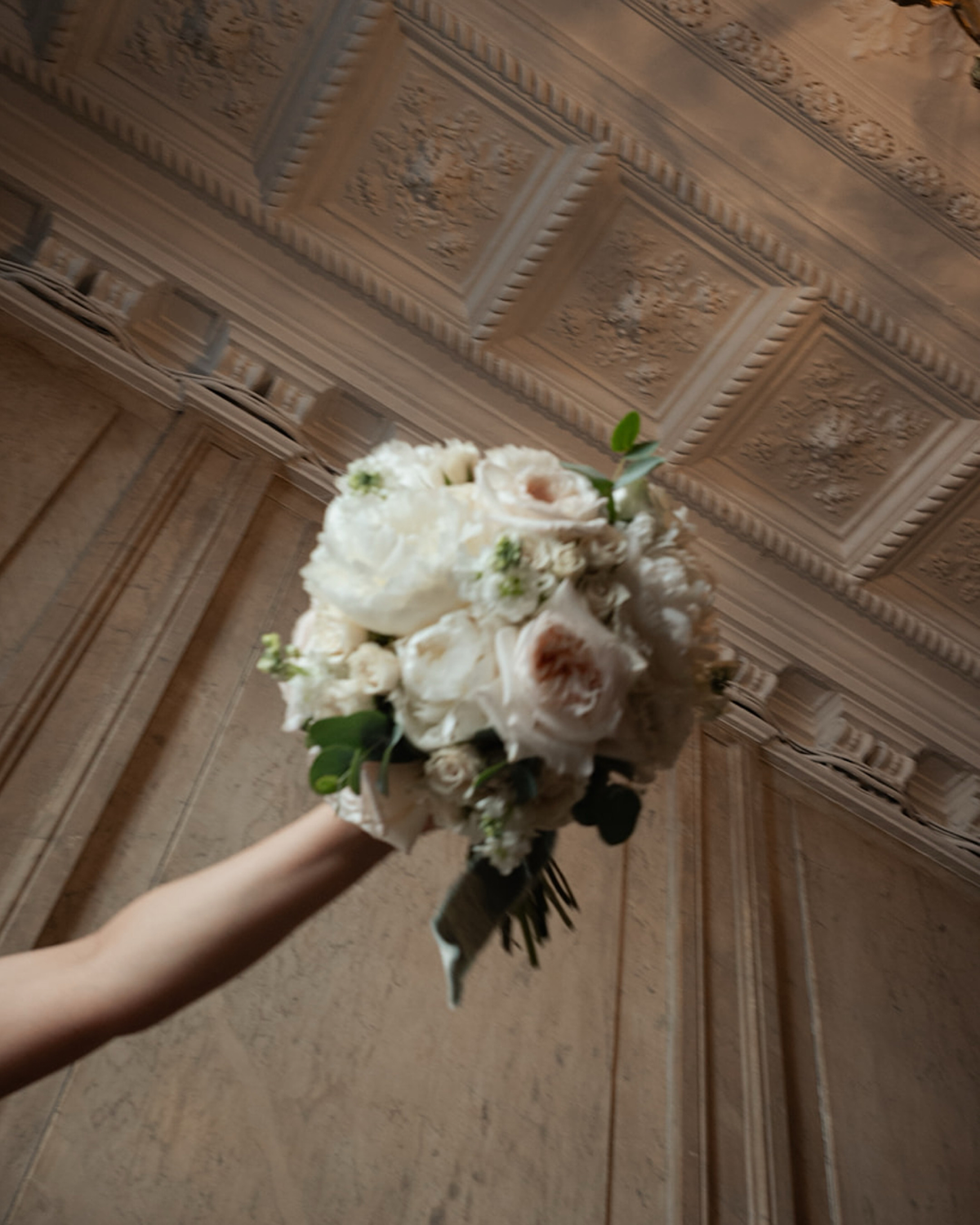
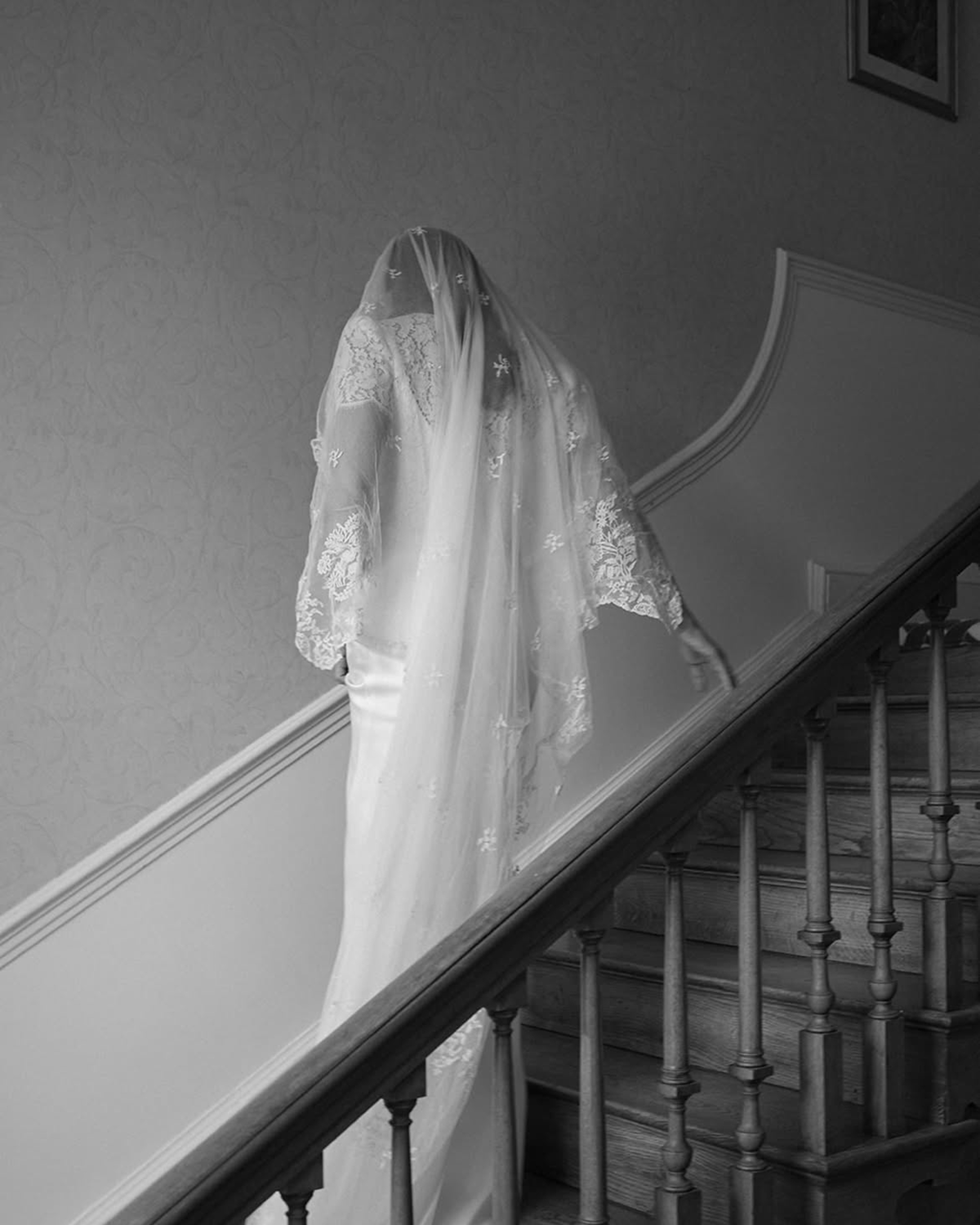
You have such a recognizable voice and distinct eye. Where did yours come from, and how do you keep it from becoming a formula?
I think it came from being open to things that mattered to us and made a lasting impression. I can give you a few examples, but references have to become personal. Something that transforms one person’s work may barely touch another, even within our team. If you feel stuck, listen to what genuinely moves you and ask why. Keep a note of those encounters and the questions they raise: your own response is where an influence becomes useful.
Photobooks, museums, and cinema continually feed our work, which is rooted in documentary photography and the wider world of art. But inspiration also comes from other creative disciplines. Early on, Ferran Adrià’s approach at elBulli showed us how research and dialogue within a team could open familiar rules to new possibilities. More recently, films such as 'Drive My Car' and 'Aftersun' have helped us recognize the emotional force of silence, absence, and what remains outside the frame. Jonathan Anderson’s work at Loewe, and now at Dior, inspires us to interpret a couple’s identity through our own eye while respecting their values. Finally, within photography, Wolfgang Tillmans is becoming increasingly important to us for his openness to changing subjects and forms. Jochen Lempert makes us see people as inhabitants of a living world, in relation to everything around them.
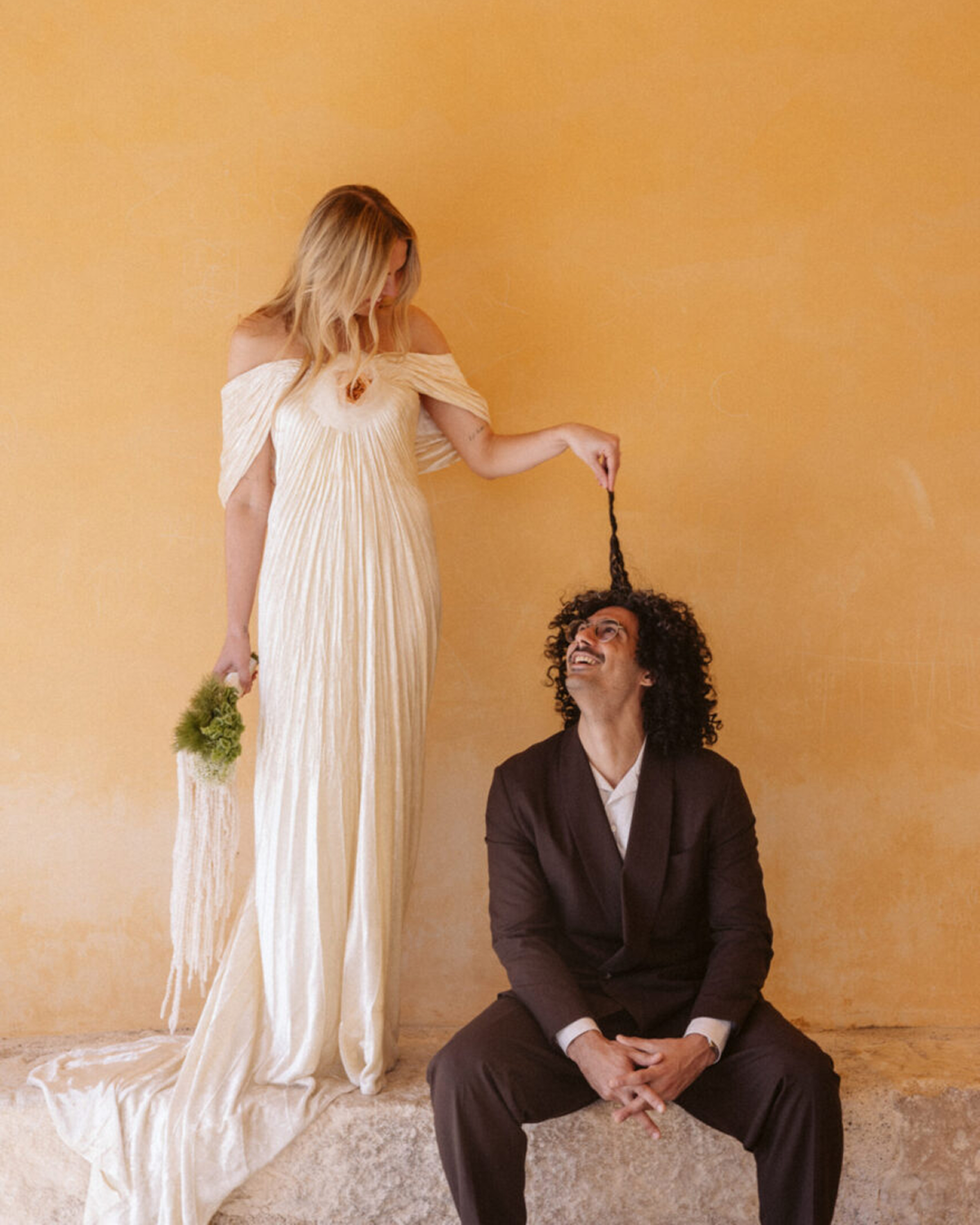
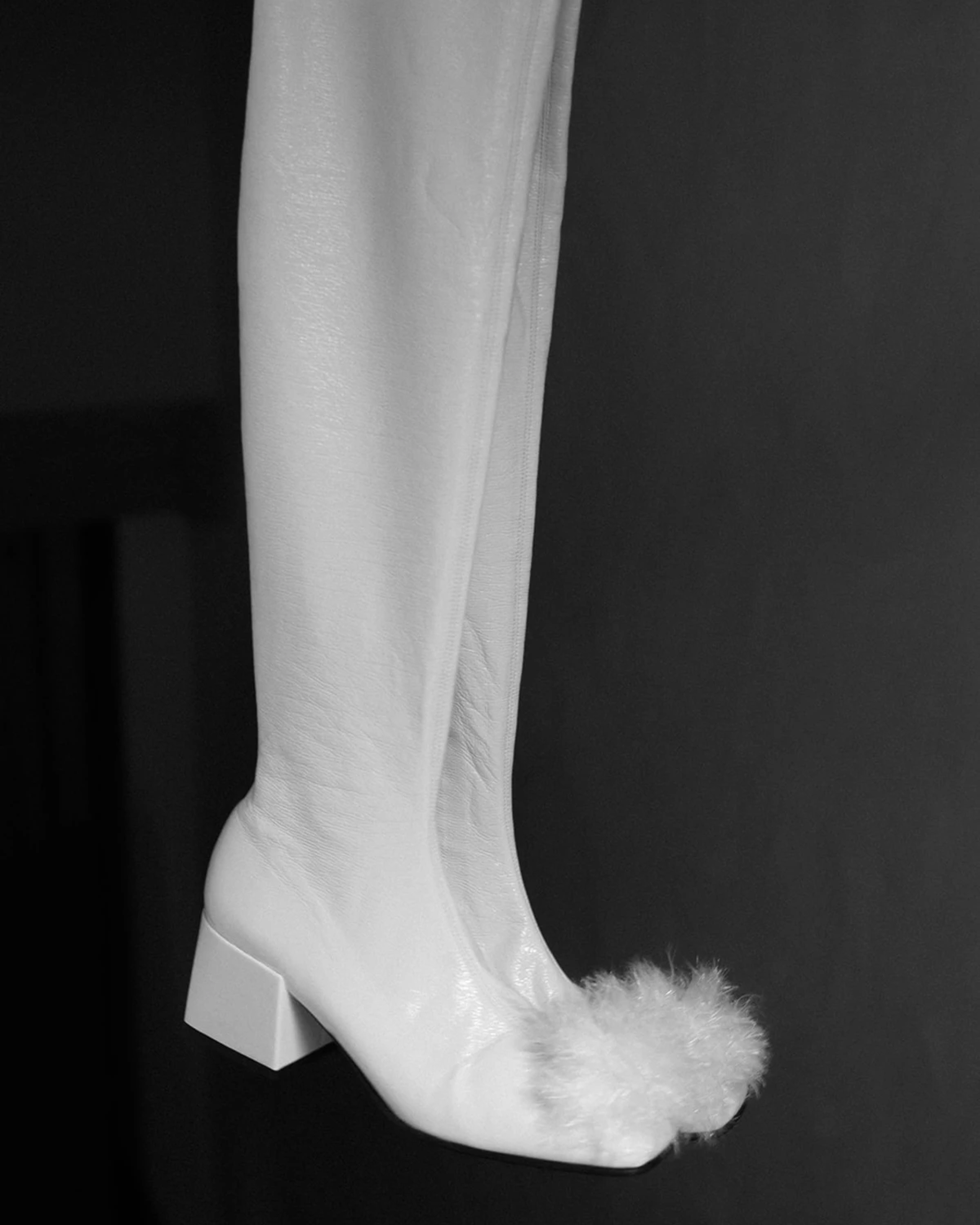
Your work is incredibly rooted in observation. You often photograph not just the couple, but the people, objects, spaces, and small interactions that surround them. What have fifteen years of weddings taught you about where a couple’s story actually lives?
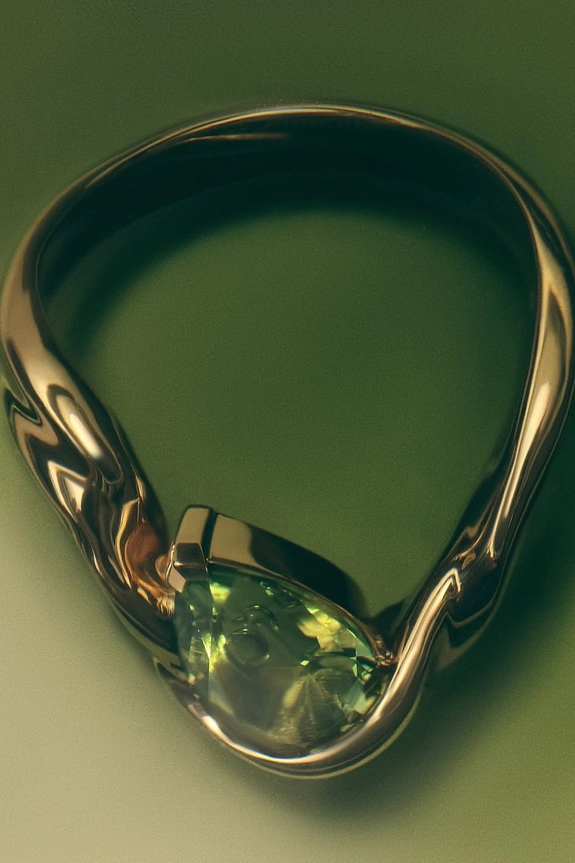
Fifteen years have taught us that a couple’s story rarely exists in one place or in one particular moment. It is distributed among the people they love, the spaces they inhabit, the objects they choose to keep, and the small gestures that reveal how they relate to the world. But recognizing those things requires something more than being observant. It requires knowing the people you are photographing.
That is why we place so much importance on building a genuine relationship with our couples before the wedding. Through our conversations, we begin to understand their personalities, their family dynamics, their memories, and the things they attach meaning to. Something that might appear insignificant to an outsider can carry enormous emotional weight for someone who knows its history.
And that understanding changes the way we photograph. We become more attentive to certain relationships, more conscious of particular gestures and more capable of recognizing moments that belong specifically to that couple.
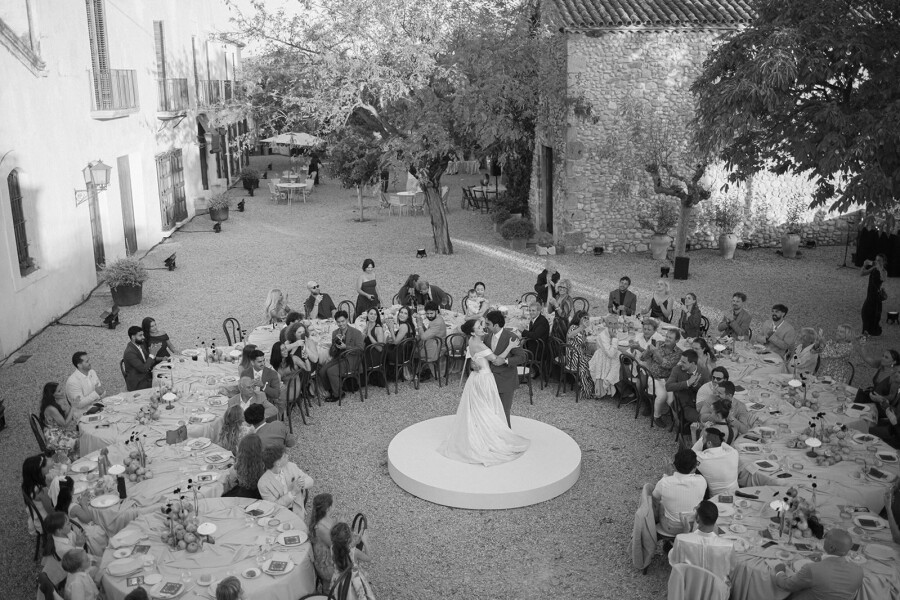
Experience has taught us to look beyond the obvious hierarchy of a wedding. The most important photograph is not necessarily taken during the most important event. Sometimes a quiet interaction at the edge of a room, an object that has belonged to a family for generations, or the way someone looks at another person can tell us much more. Ultimately, we are not simply photographing a celebration. We are trying to understand the small world that exists around two people and how that world has shaped who they are.
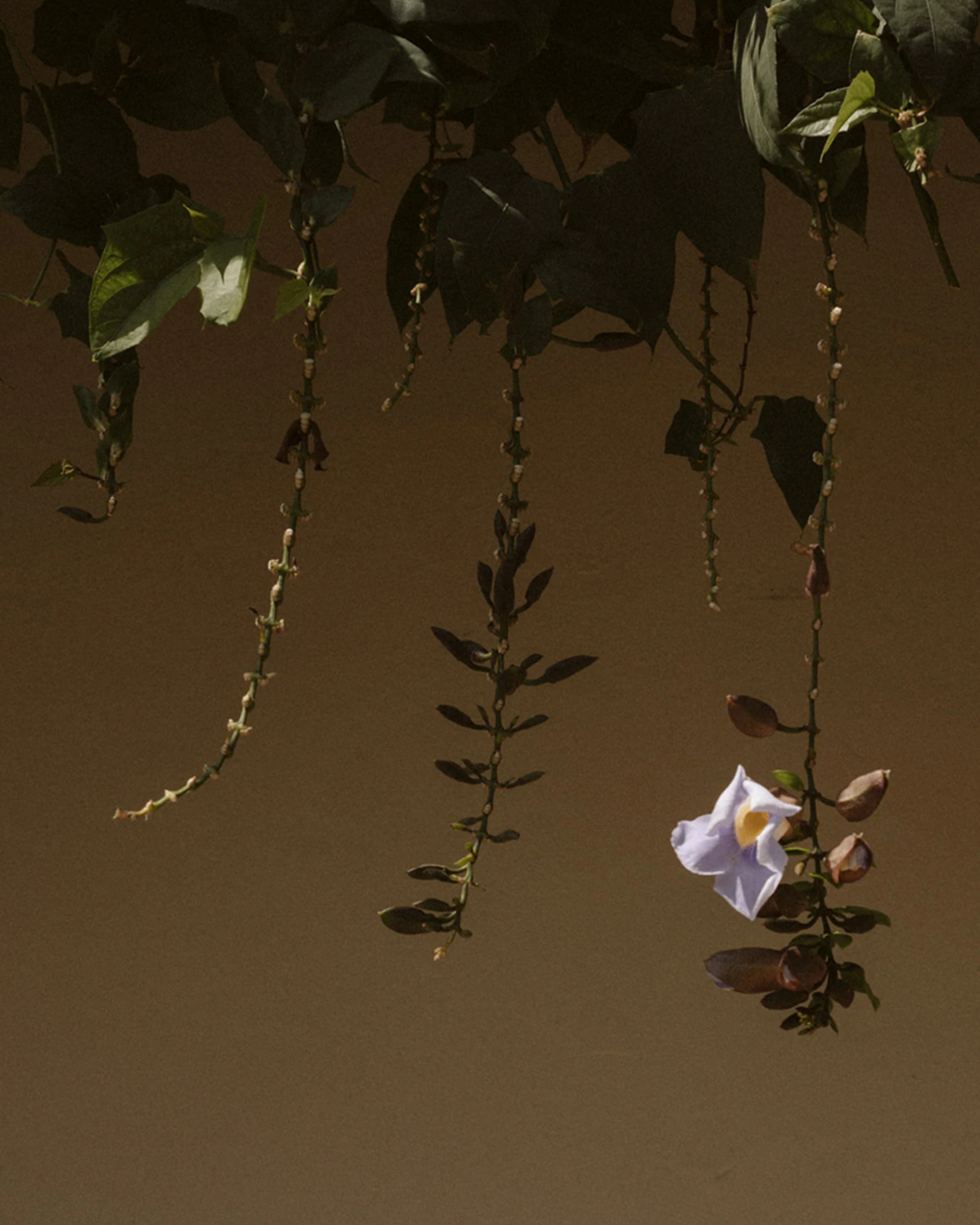
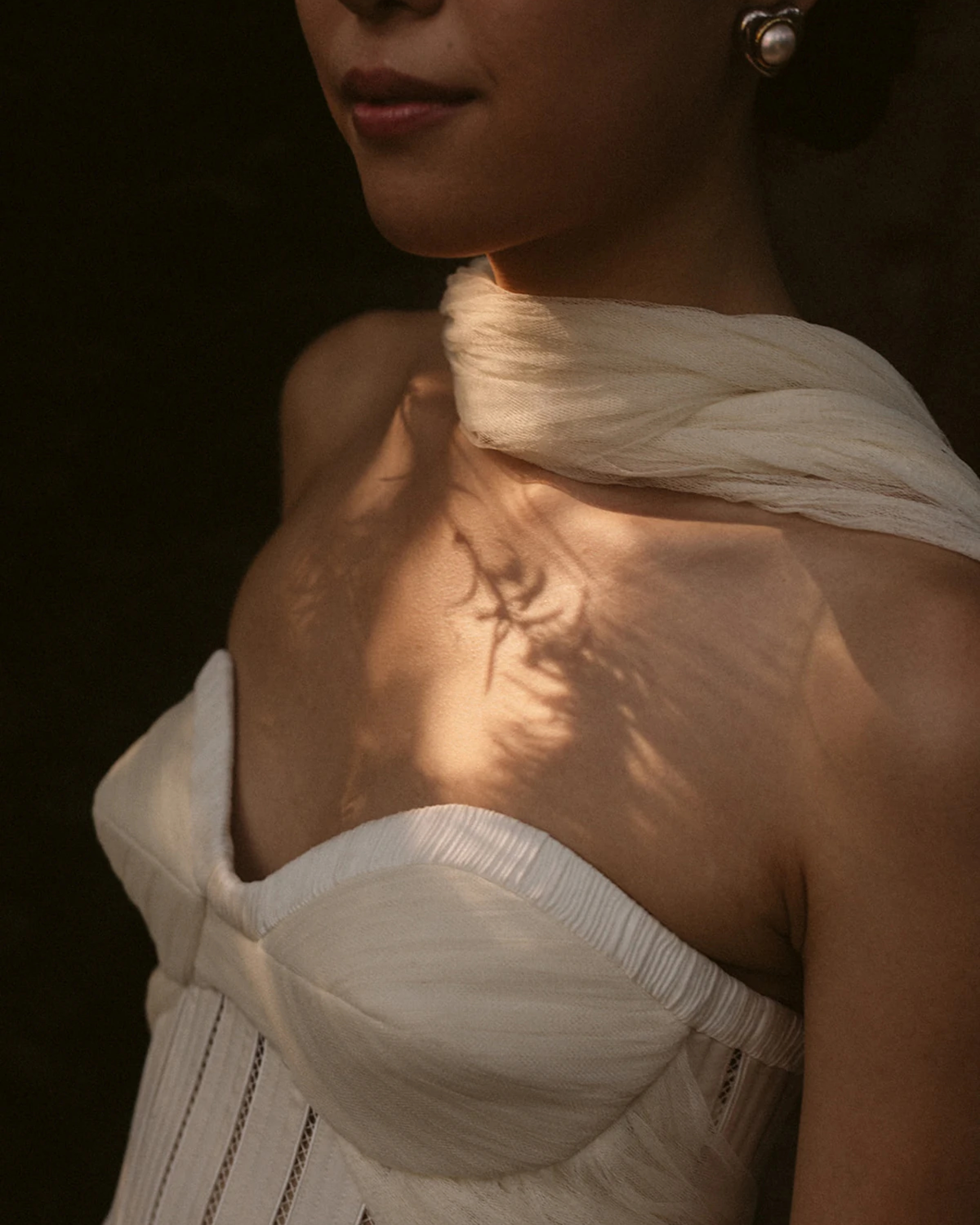
"Fifteen years have taught us that a couple’s story rarely exists in one place or in one particular moment."
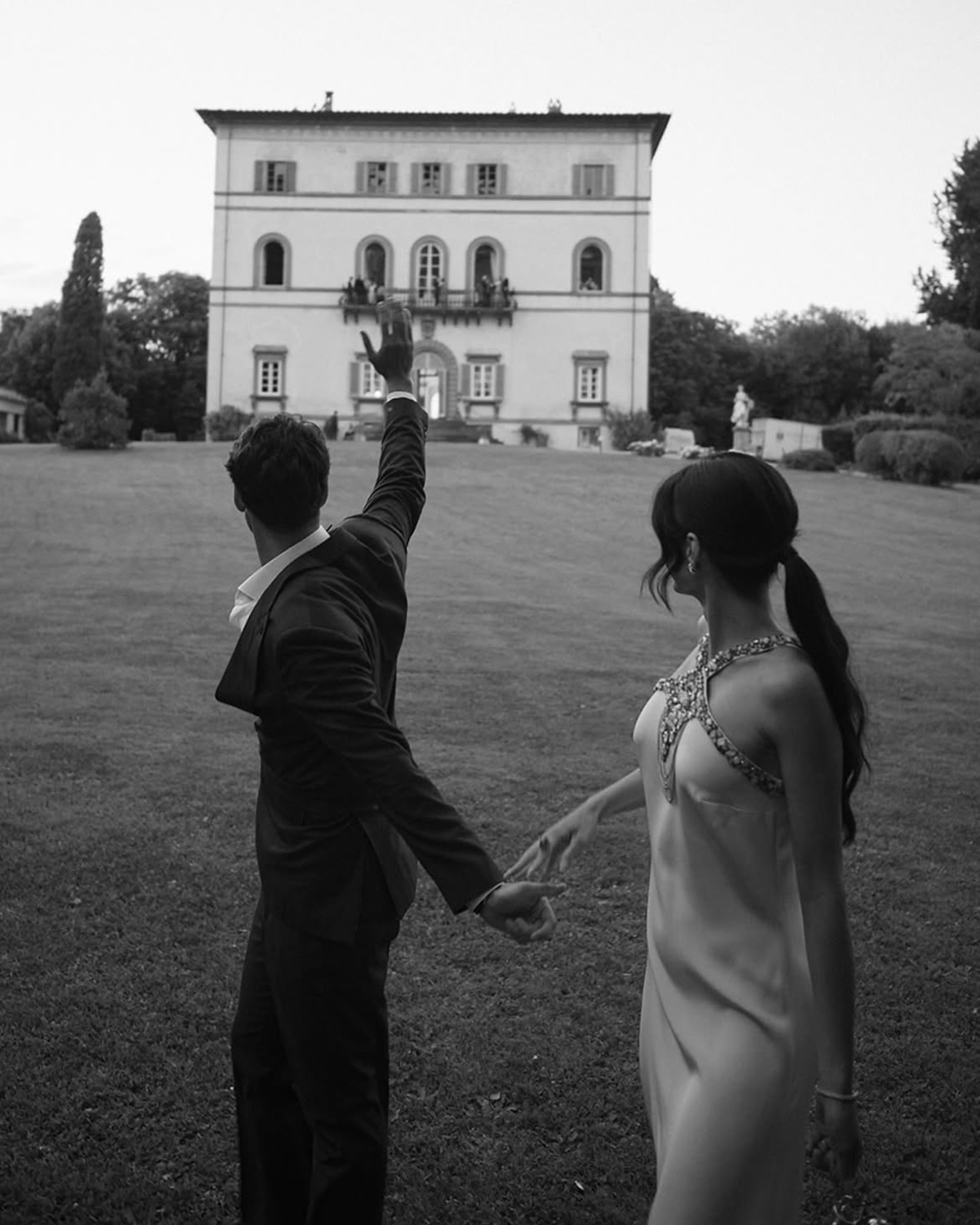
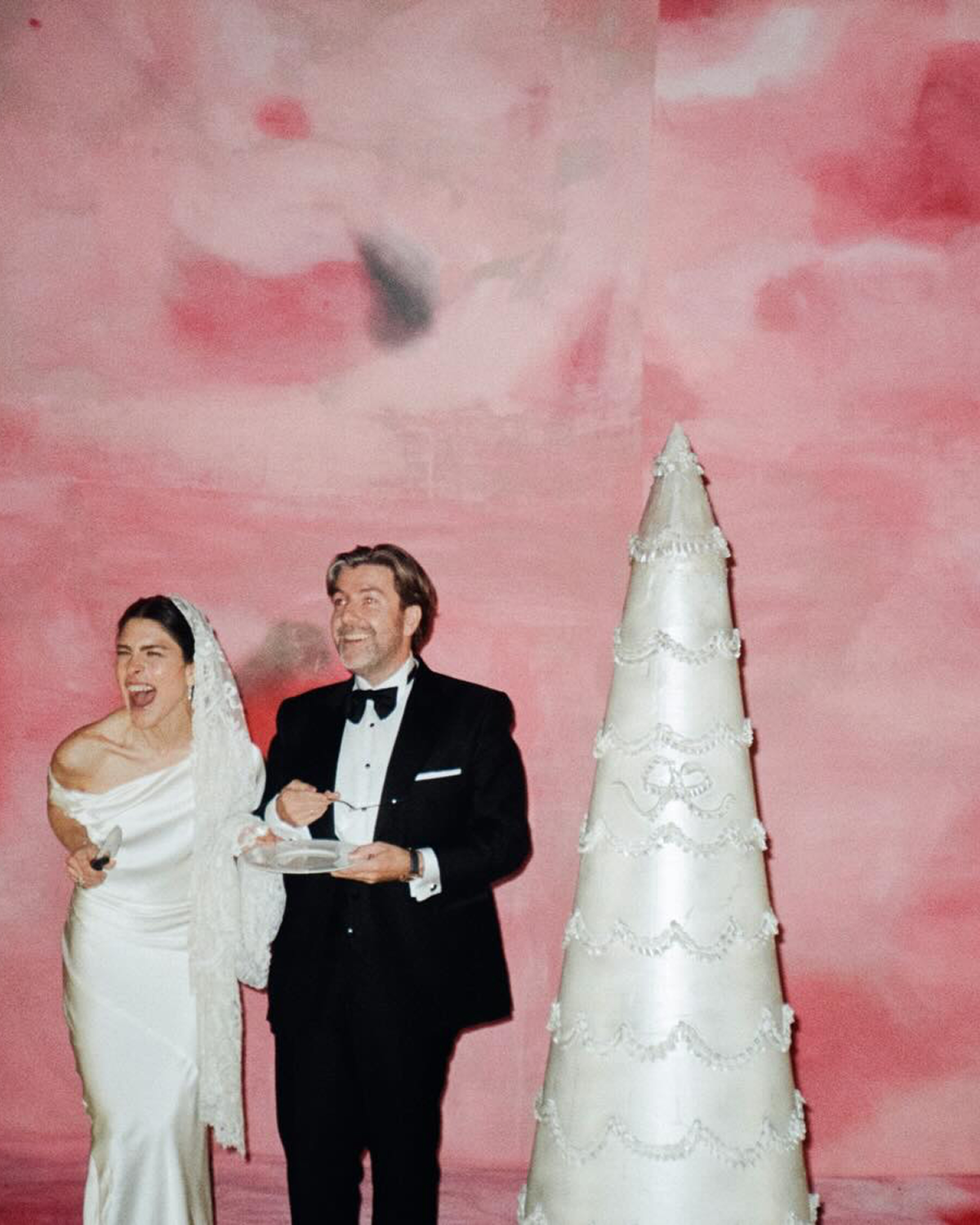
What do you think couples misunderstand about documentary photography before they experience it for themselves?
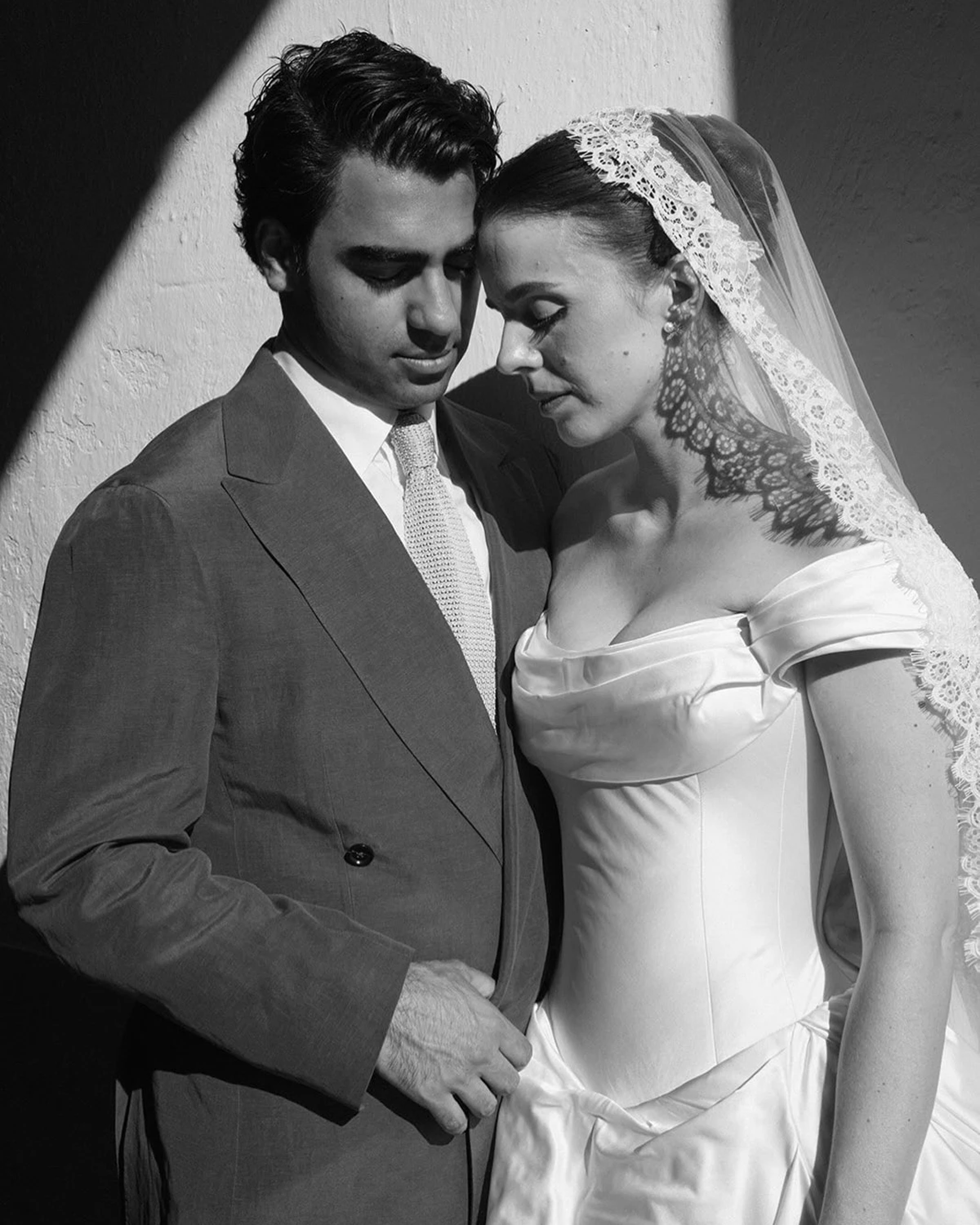
We think documentary photography is sometimes misunderstood as simply photographing things as they happen, without interfering. But for us, its real purpose is much more personal: to recognise who people are and remain faithful to that identity. Every couple has their own way of expressing affection, relating to their families or behaving when they feel comfortable. Some are naturally expressive, others are reserved. Some communicate through physical gestures, others through humour, conversation or simply being together. We are not interested in asking people to perform a version of themselves that happens to photograph beautifully. We want to understand their personalities and find a visual language that respects them.
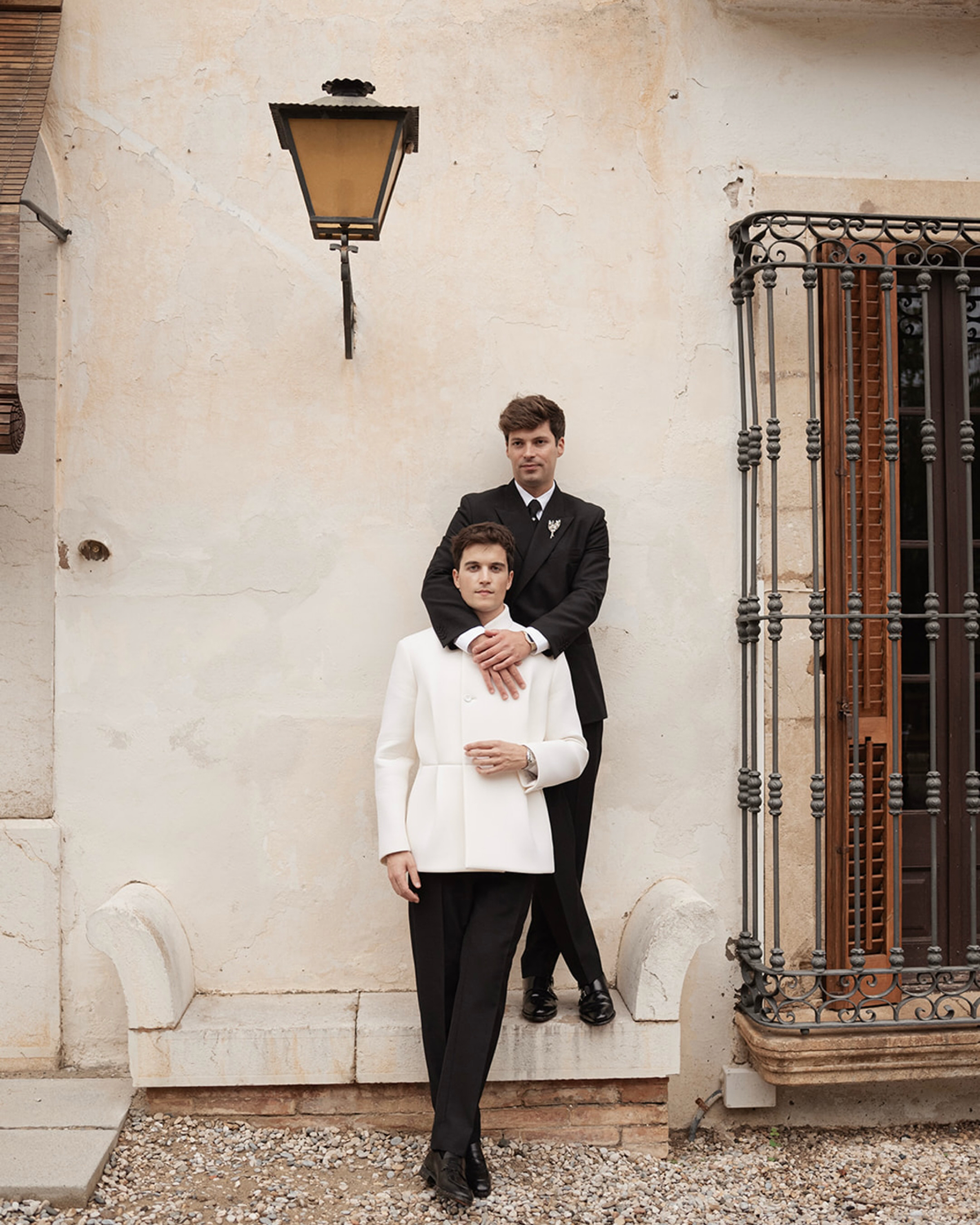
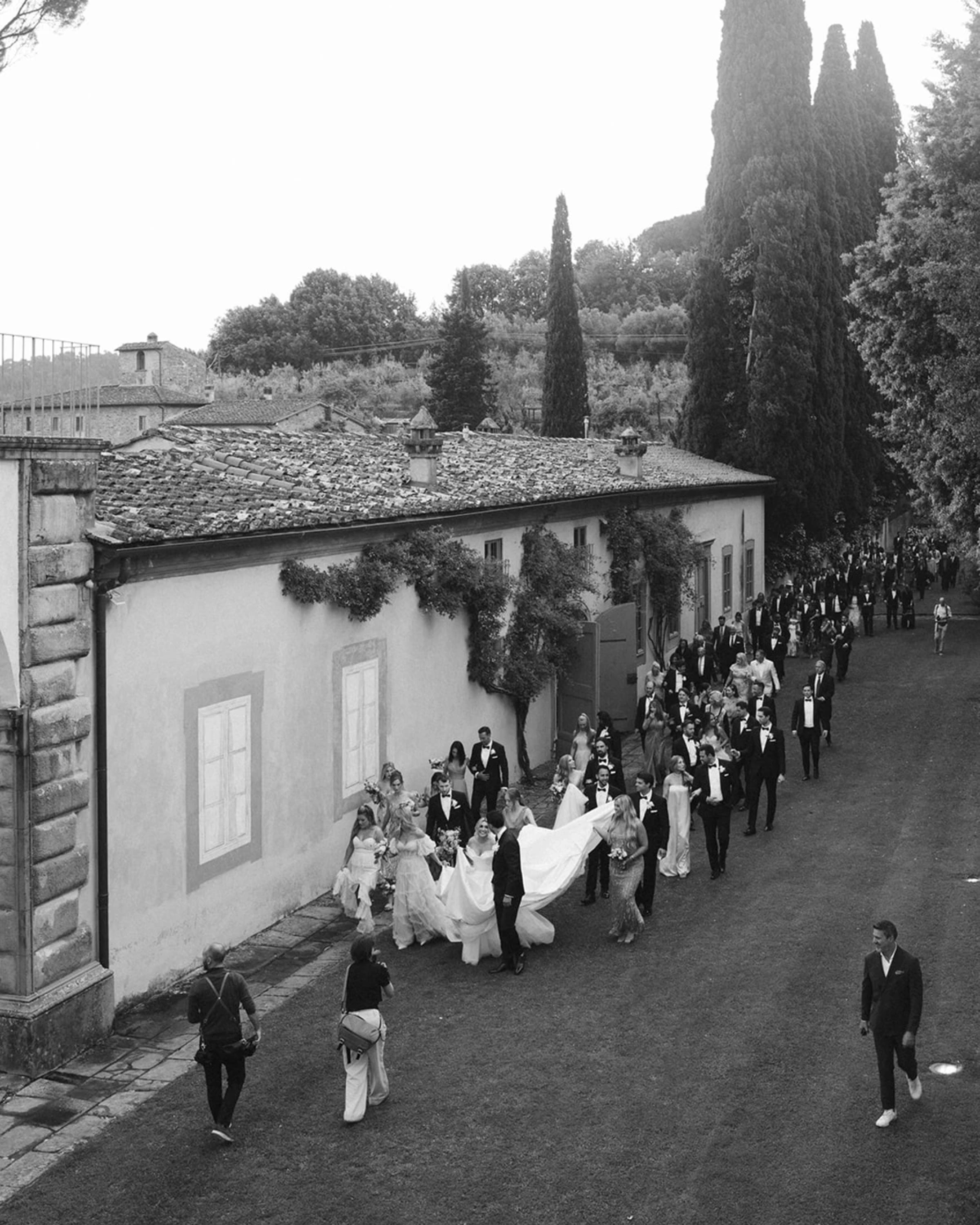
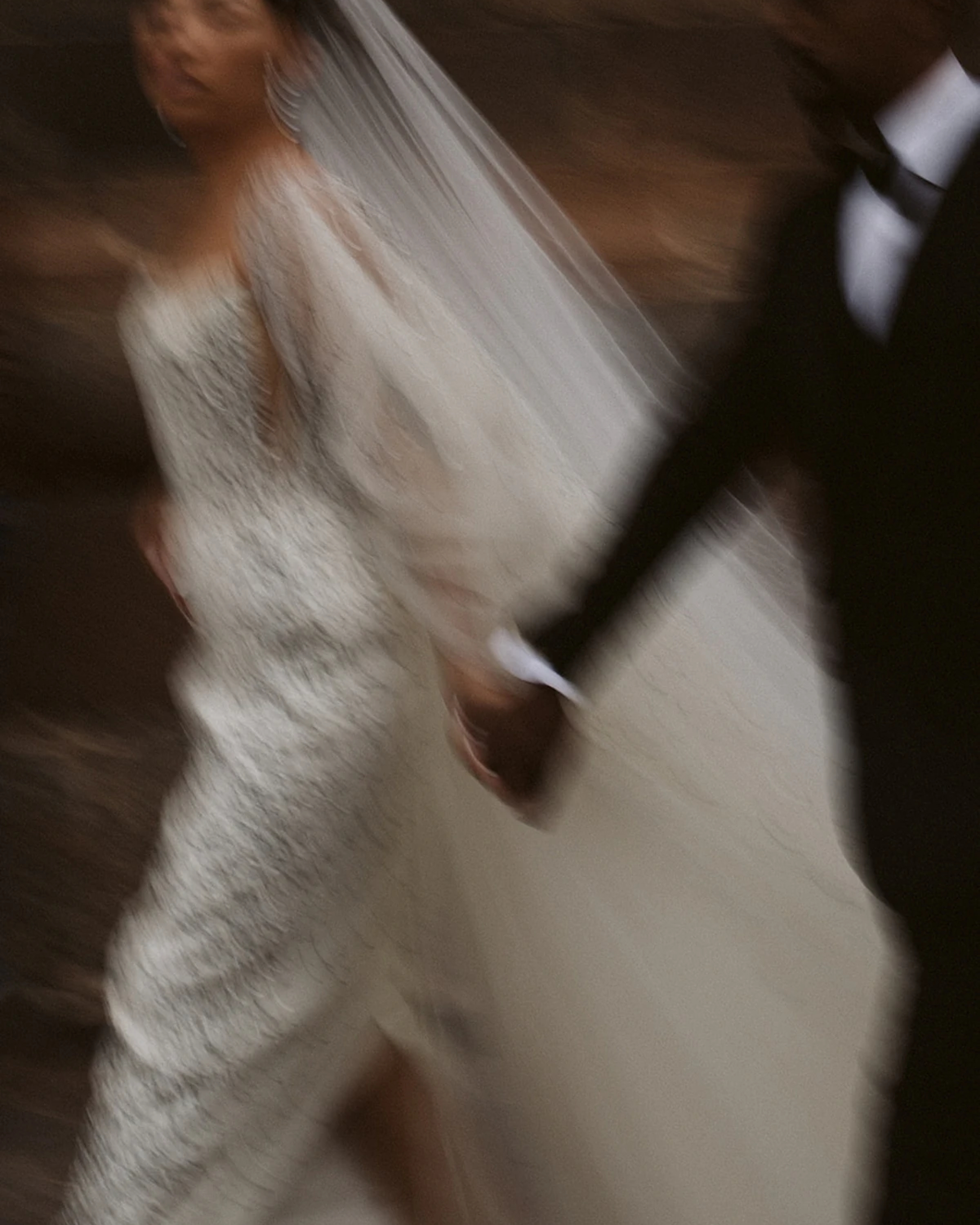
That does not mean documentary photography lacks intention or aesthetic ambition. Quite the opposite. It requires a great deal of sensitivity to recognize what is meaningful, to anticipate it and to make creative decisions without compromizing its authenticity. We think the greatest misunderstanding is believing that a beautiful photograph must correspond to an idealised version of who you are. For us, the most meaningful images often come from recognizing the beauty in what is already there. And perhaps that is what makes them increasingly valuable with time: they do not simply remind you of how your wedding looked, but of who you were and how you related to the people you love.
How do you make each project a personal experience without losing your voice?
We need to build a shared imagination. That begins with understanding who a couple is, what moves them, what they hope to see, and what they would be disappointed to find missing. An inherited object, a friendship, or the reason they chose a place can change our approach. Fifteen years have given us a substantial portfolio; what makes a new wedding meaningful is a gallery in which the couple feels recognized. Even with an exceptional planner and a generous budget, that direct relationship needs its own space. A planner brings invaluable coordination, but the understanding between a couple and their photographers cannot be delegated entirely. Our name means “two more at the table”, and being welcomed into that circle still matters.
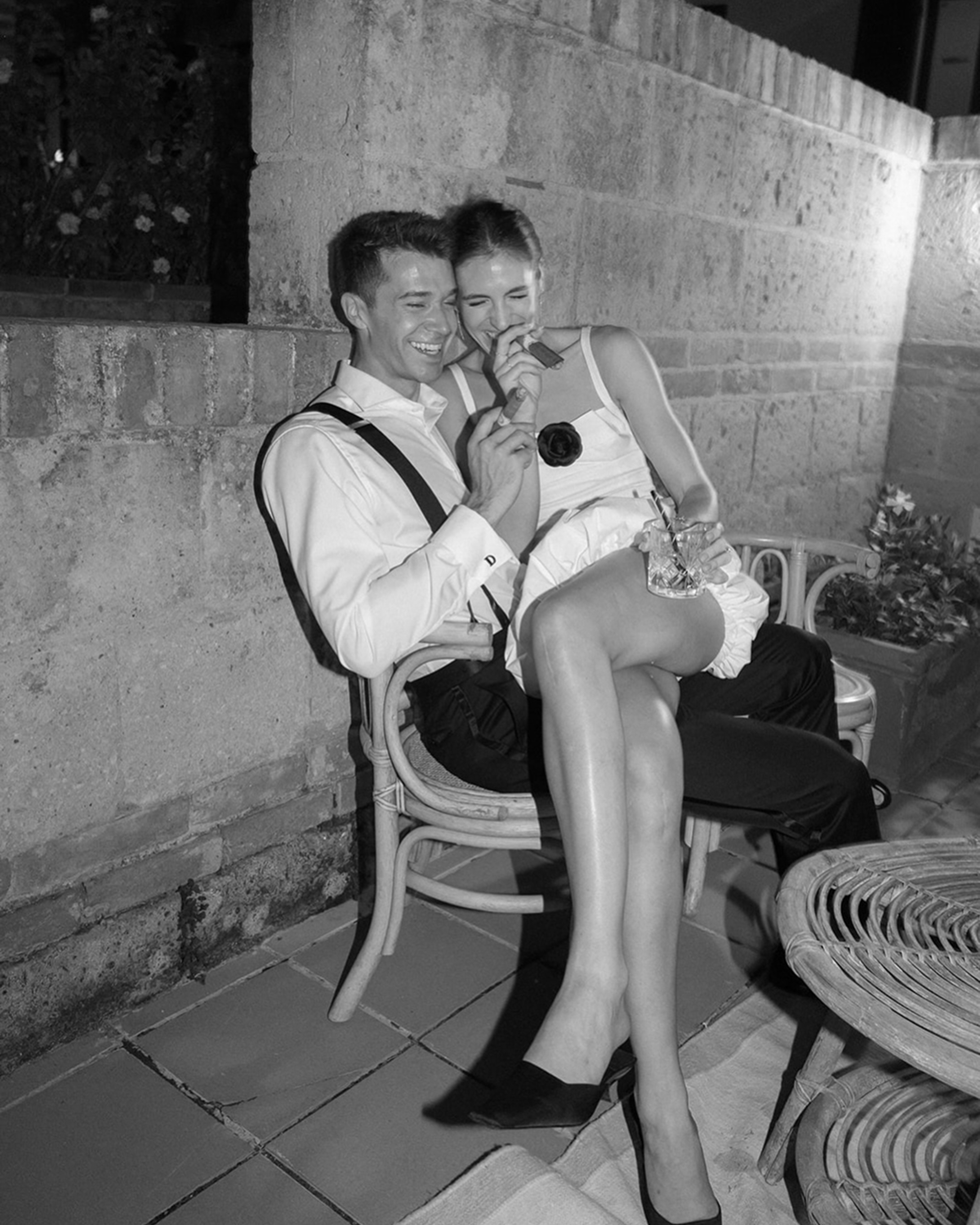
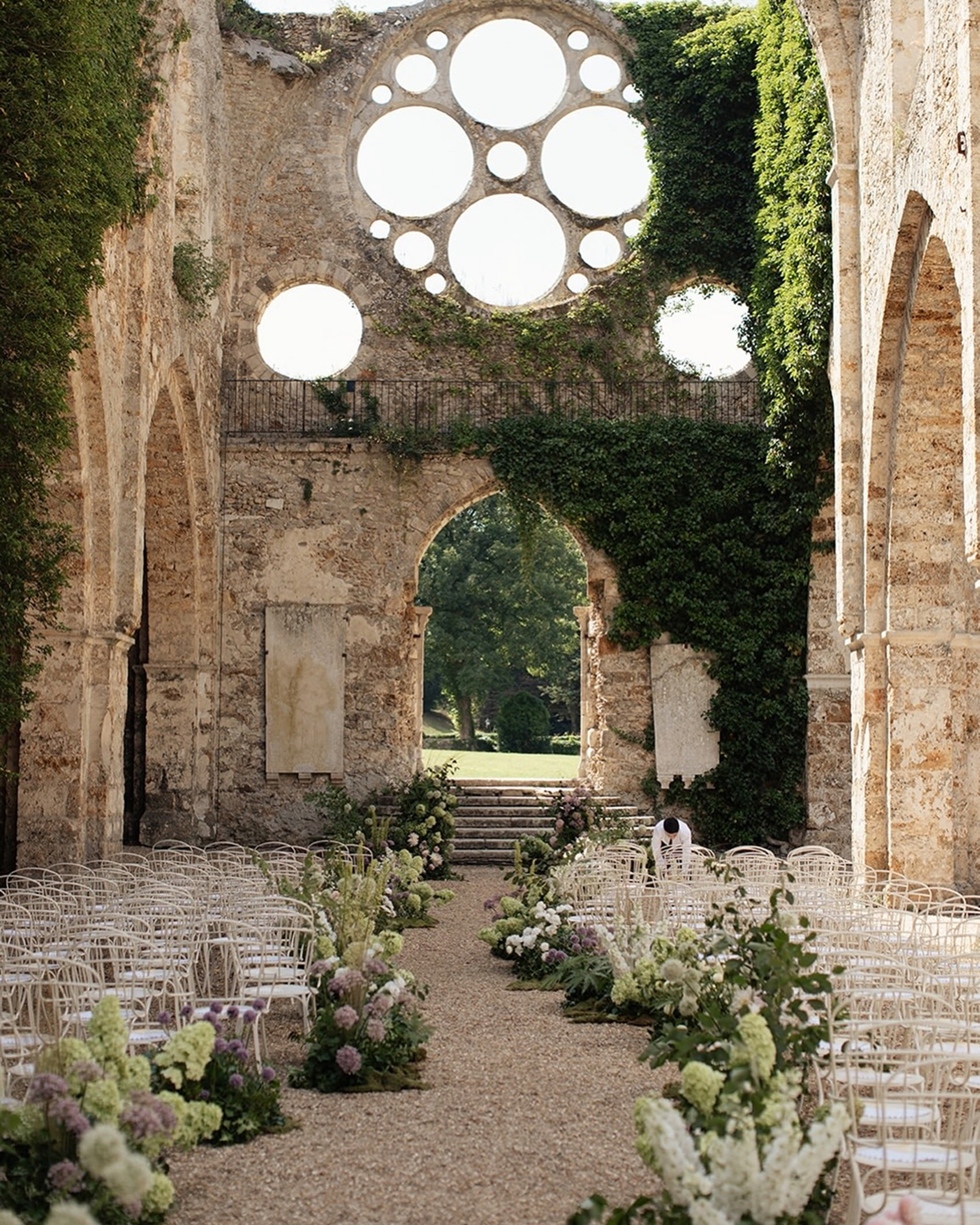
This applies across the industry: make room for conversations beyond your own brief. It is essential. I sometimes find that even major players in the industry focus exclusively on their own brief, and I consider this a serious mistake. Planners can learn from a photographer’s understanding of light, just as we learn from a florist’s use of space. Ask suppliers what they notice and what helps them do their best work. That exchange can deepen everyone’s understanding of the couple and improve the experience you create together.
A reference is the beginning of a conversation. When a couple sends a photograph, we ask what they love: its intimacy, freedom, light, or the space around a figure. It helps us understand their taste; it is never a promise to reproduce another photographer’s work. Choosing a photographer involves choosing an interpretation, just as commissioning a portrait involves an interest in the painter’s eye. Every wedding has its own weather, architecture, people, and rhythm. Creative freedom lets us respond to those conditions. Our couples often bring a rich understanding of art into this exchange; their confidence gives quieter photographs a place, and their responses can change our tastes and what we show.
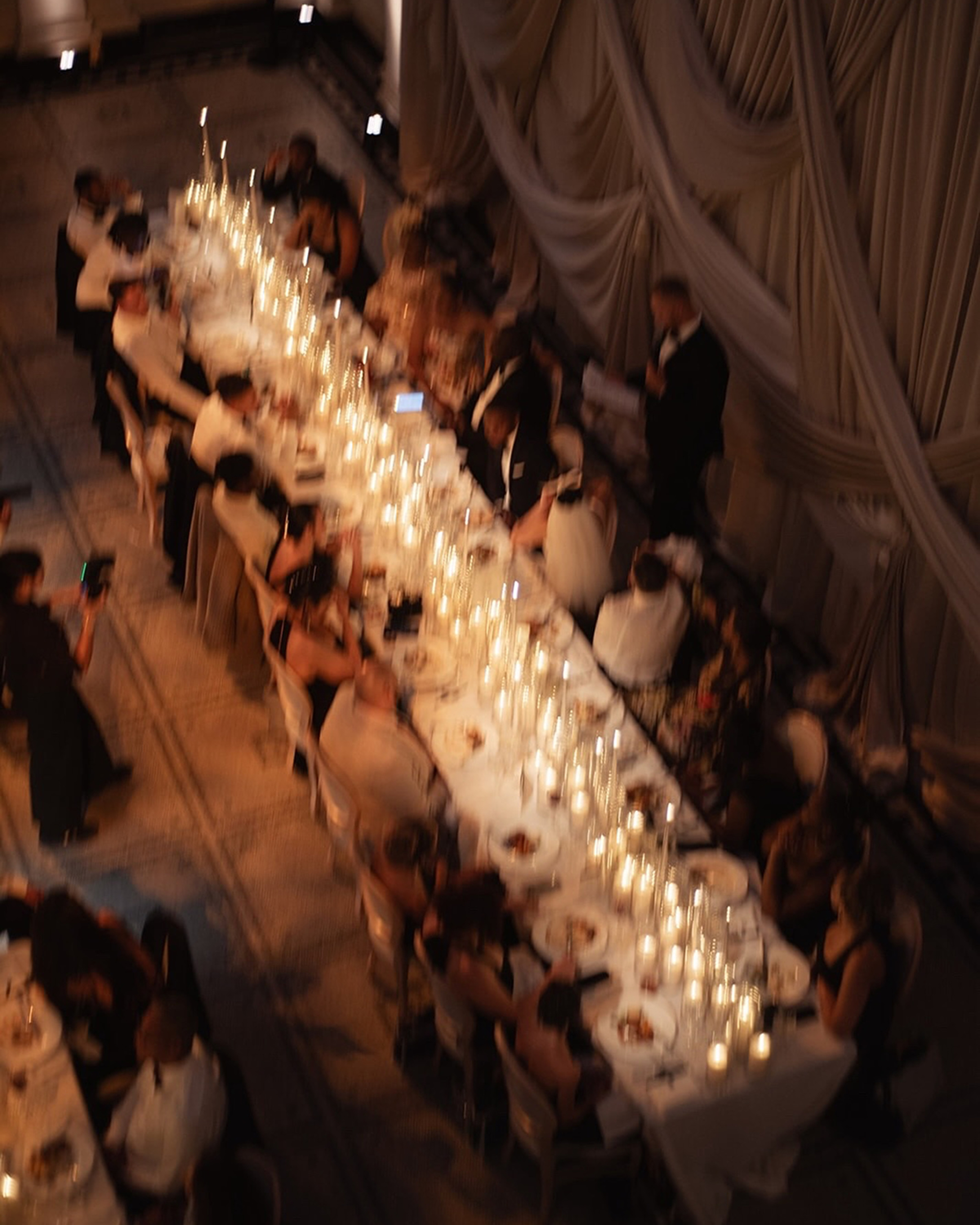
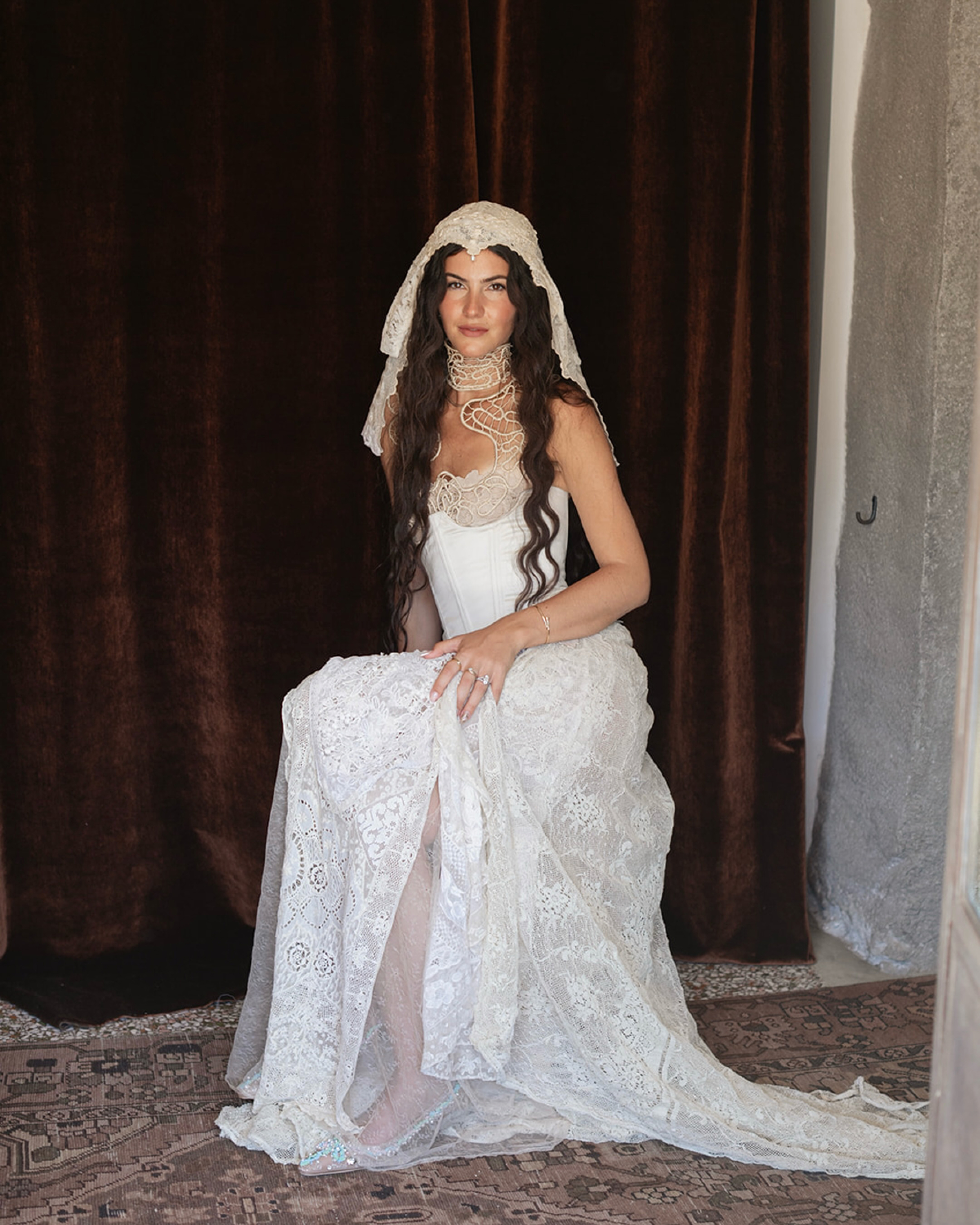
"Choosing a photographer involves choosing an interpretation, just as commissioning a portrait involves an interest in the painter’s eye."
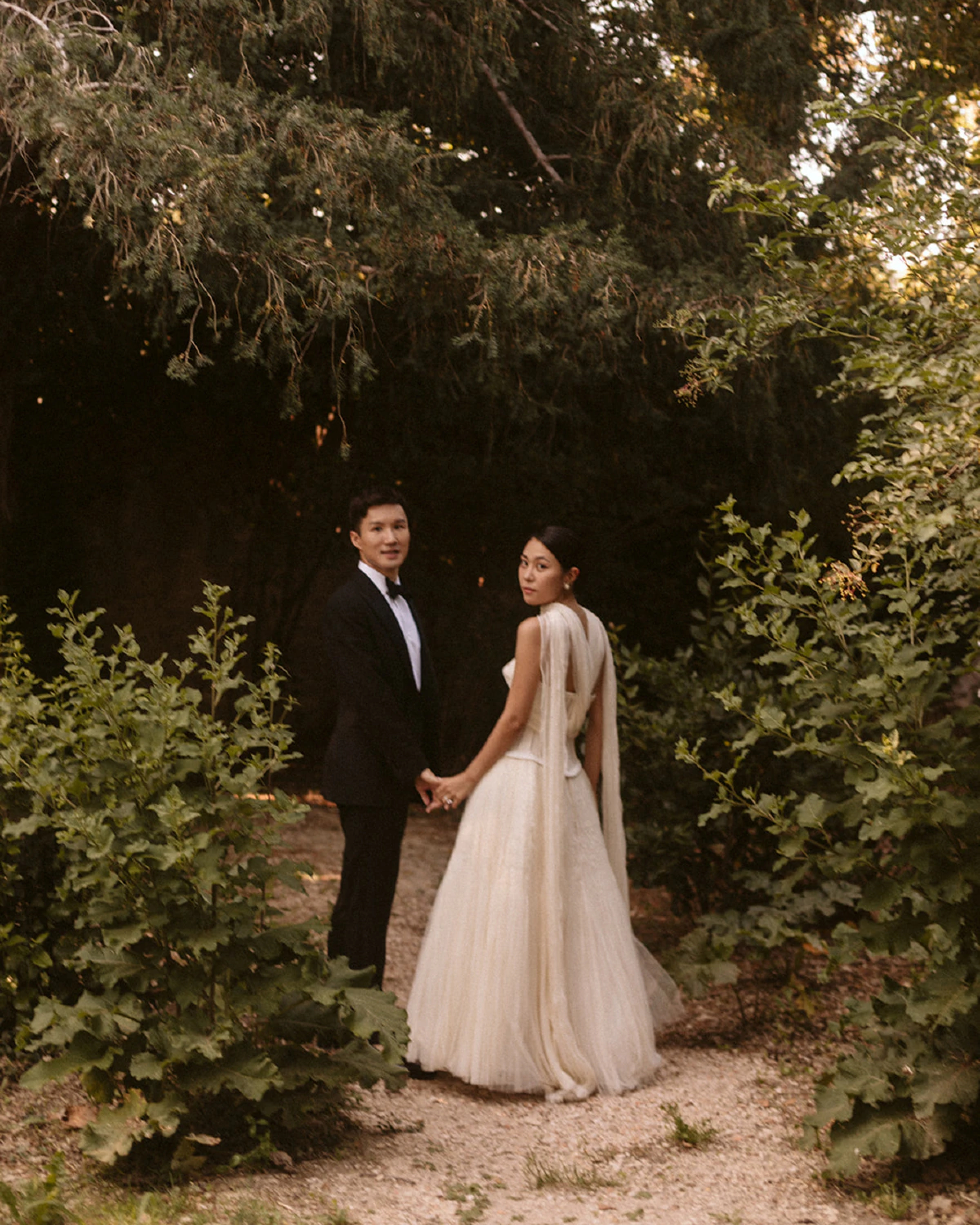
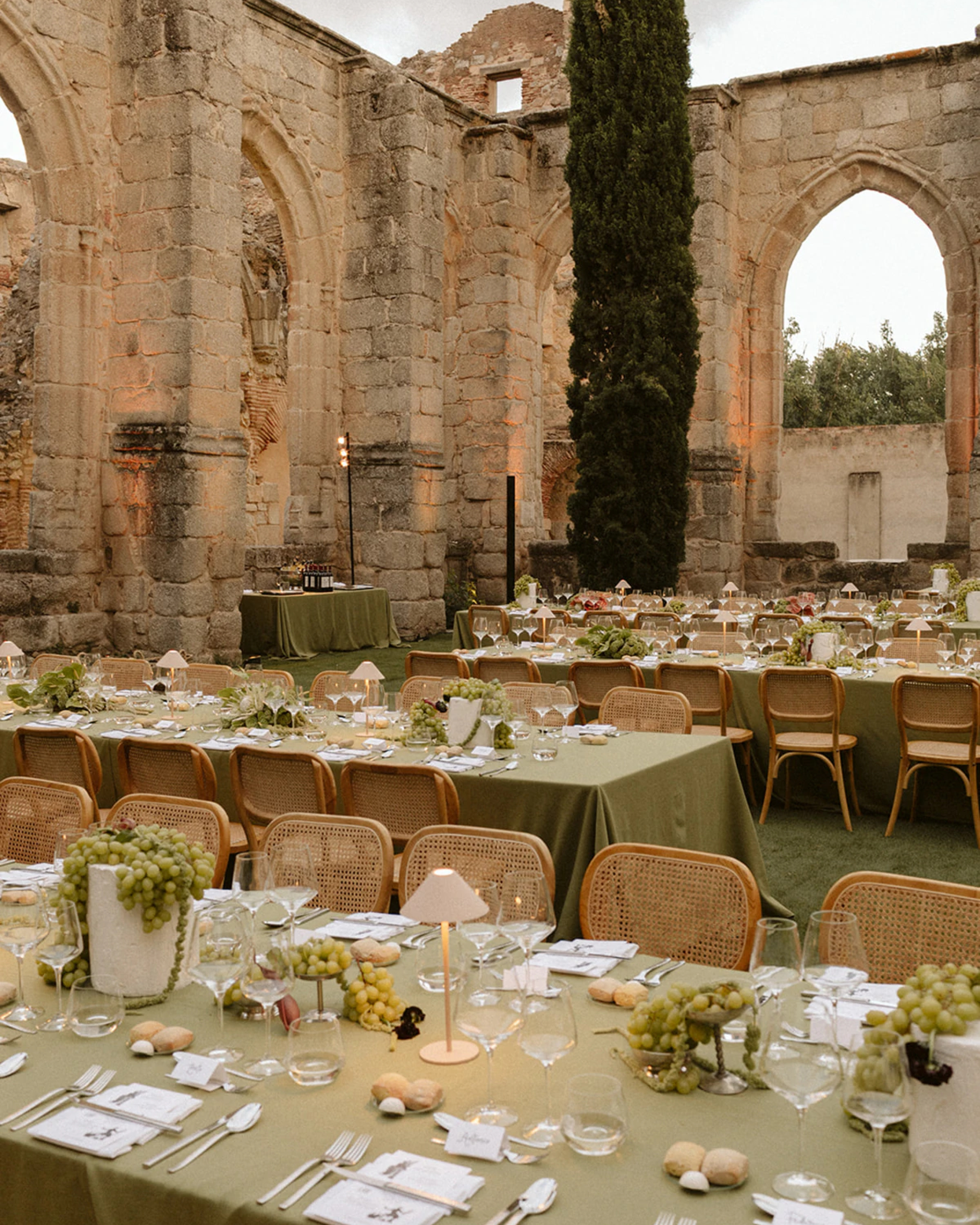
Behind every strong wedding gallery are decisions made long before the day. Which ones shape what you as photographers are able to create?
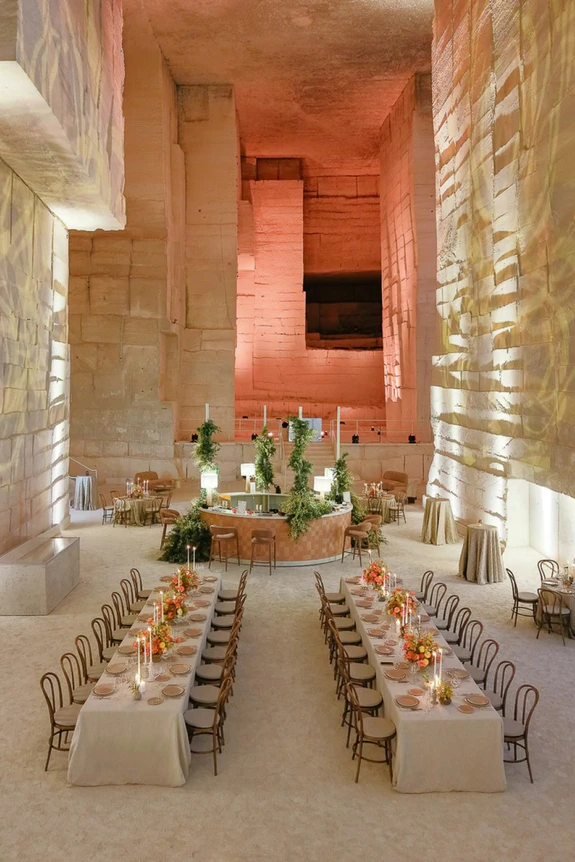
We have seen generous budgets coexist with a cramped preparation room, rushed portraits, or group photographs planned without considering the light. So it is fundamental that you bring the creative team into decisions about spaces, light, and time while those decisions can still be shaped. The getting-ready space deserves particular attention: some of the most intimate family photographs happen there. If our photographs drew a couple to us, we can explain which conditions helped make them possible and work with their planner to provide them. Agreeing on portrait time, choosing spaces together, and allowing a little margin makes a real difference. So does protecting time for guests and conversations, when life can unfold at its own pace.
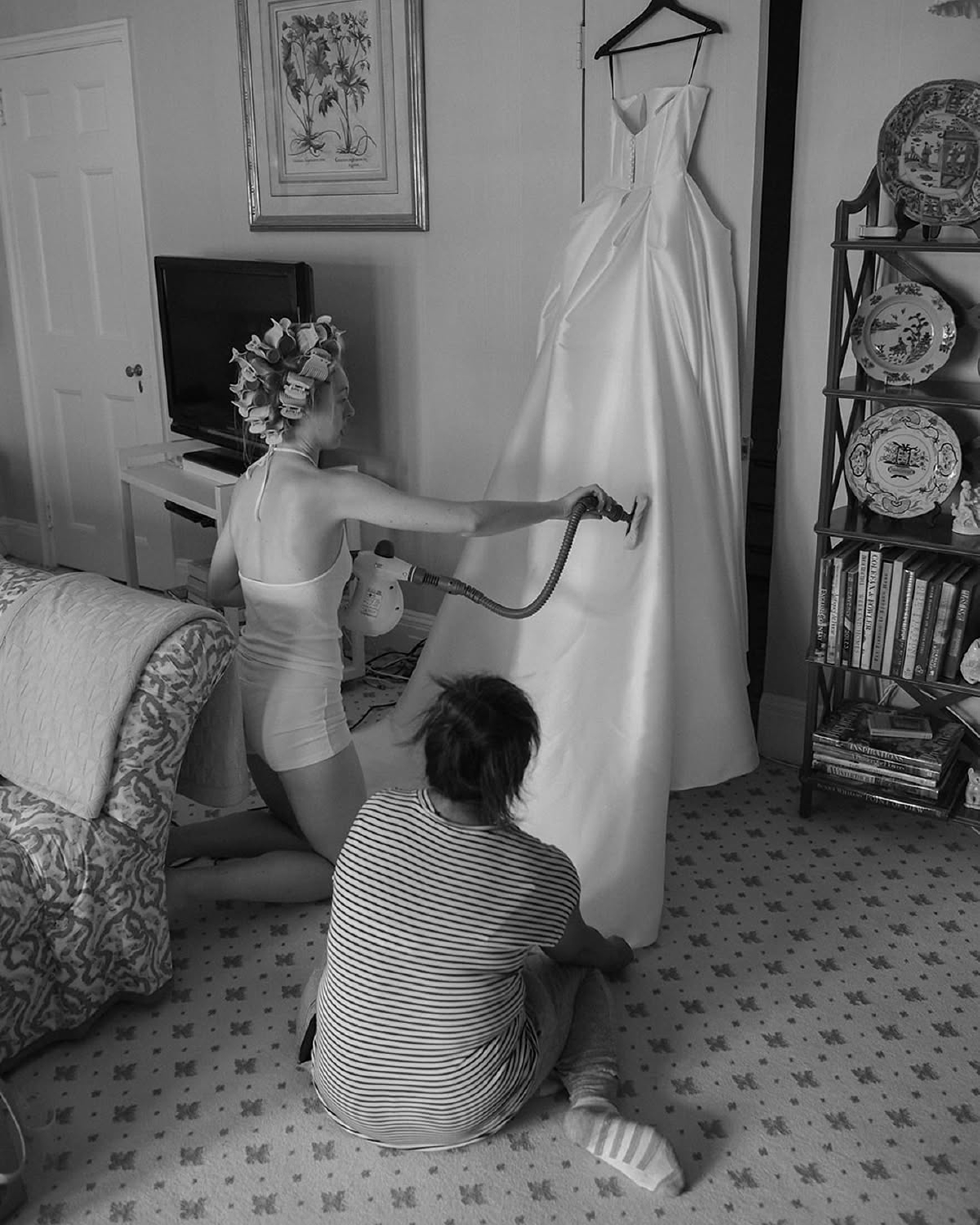
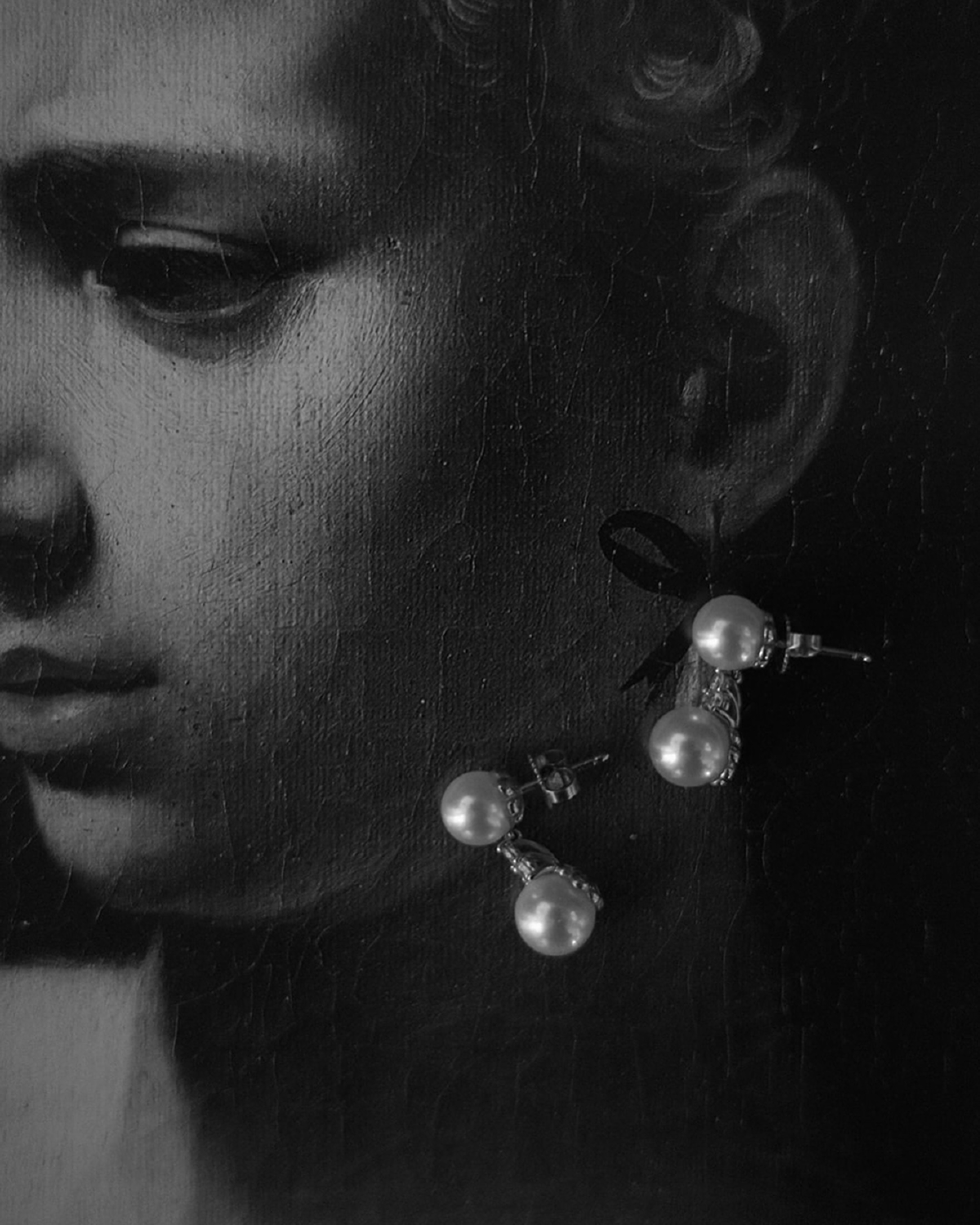
You cannot promise an atmosphere or a result without being included in these decisions. Walk through the schedule together and identify where a missing resource, unsuitable space, or tight transition could limit the work. Experience becomes valuable when you translate it into practical guidance early enough for someone to act on it.
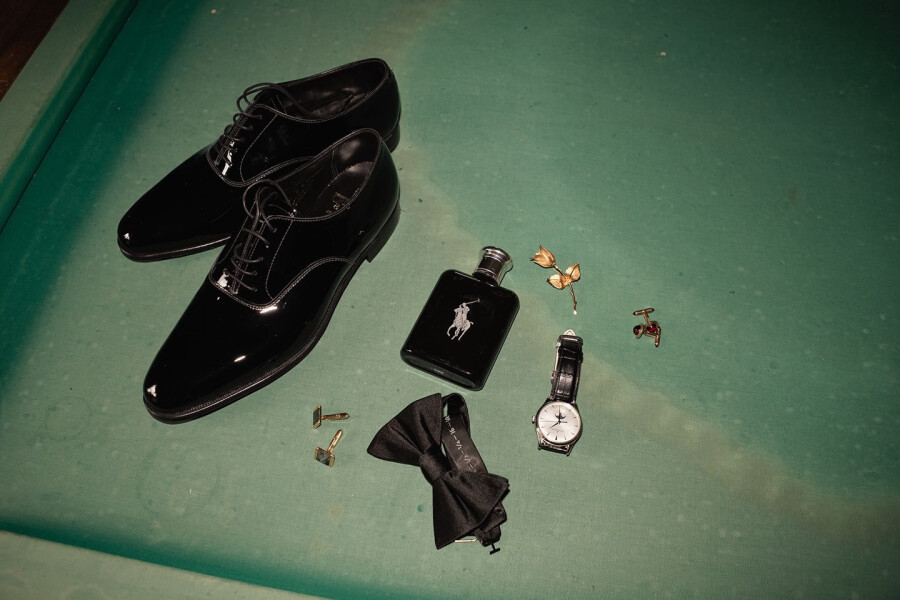
You’ve photographed weddings for fifteen years. How do you keep the work from becoming repetition, and what keeps it alive?
Our friendship began through art and photography. Looking at images together, questioning an edit, and discussing what moved each of us became part of how we developed our voice. Fifteen years later, we are family. We have watched our lives change and helped each other through difficult times. Different things now hold our attention, but the creative conversation continues.
A wedding is a score we have returned to for fifteen years. Each couple changes the music; our own lives change how we play it, I suppose.
For us, it was important to make space in our team for shared work with no client to satisfy. We keep that exchange active through internal creative exercises; last year, we brought our personal work together in a joint exhibition, exploring a shared theme beyond weddings. These projects give us room to discover what interests us now and let it enter our professional work.
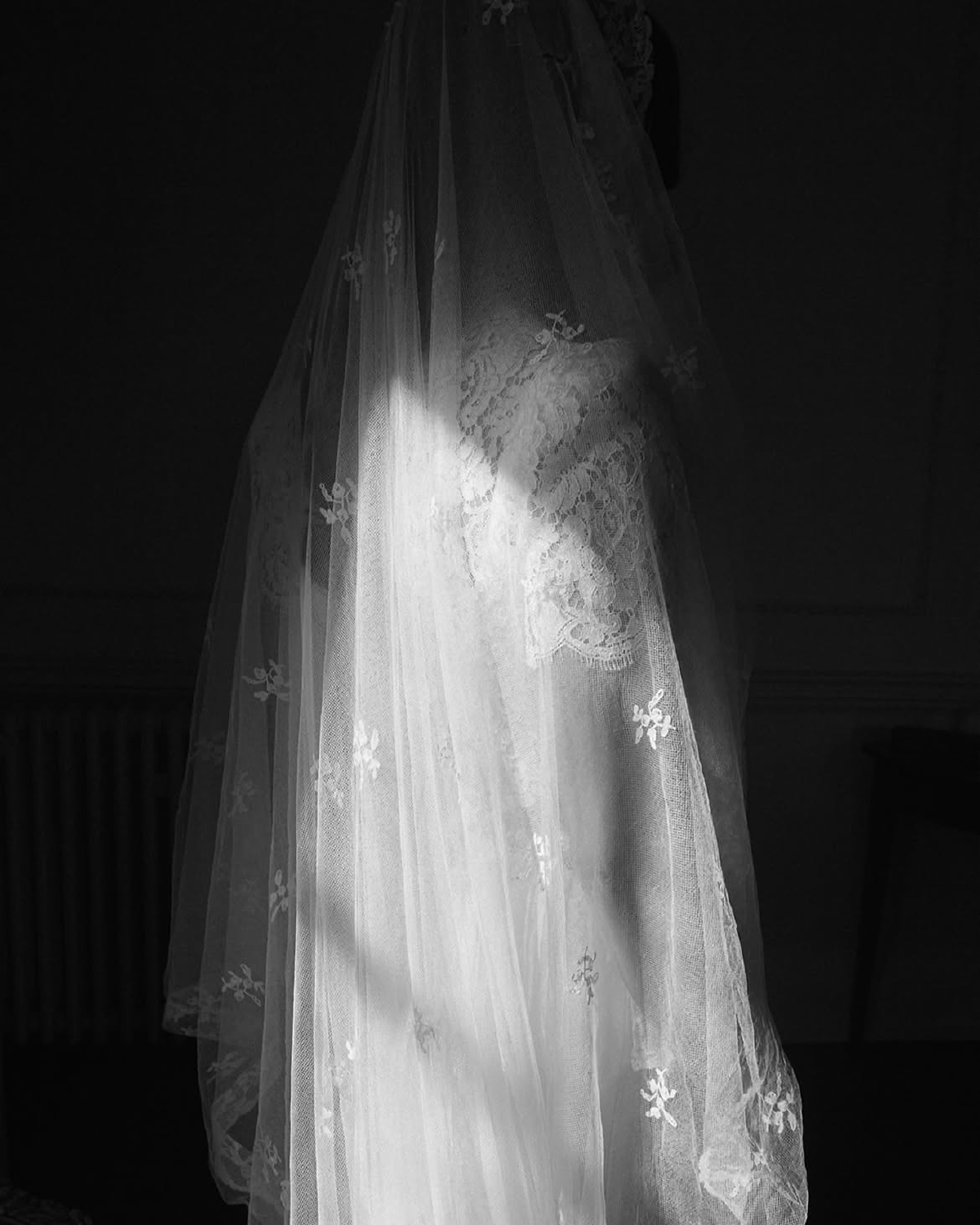
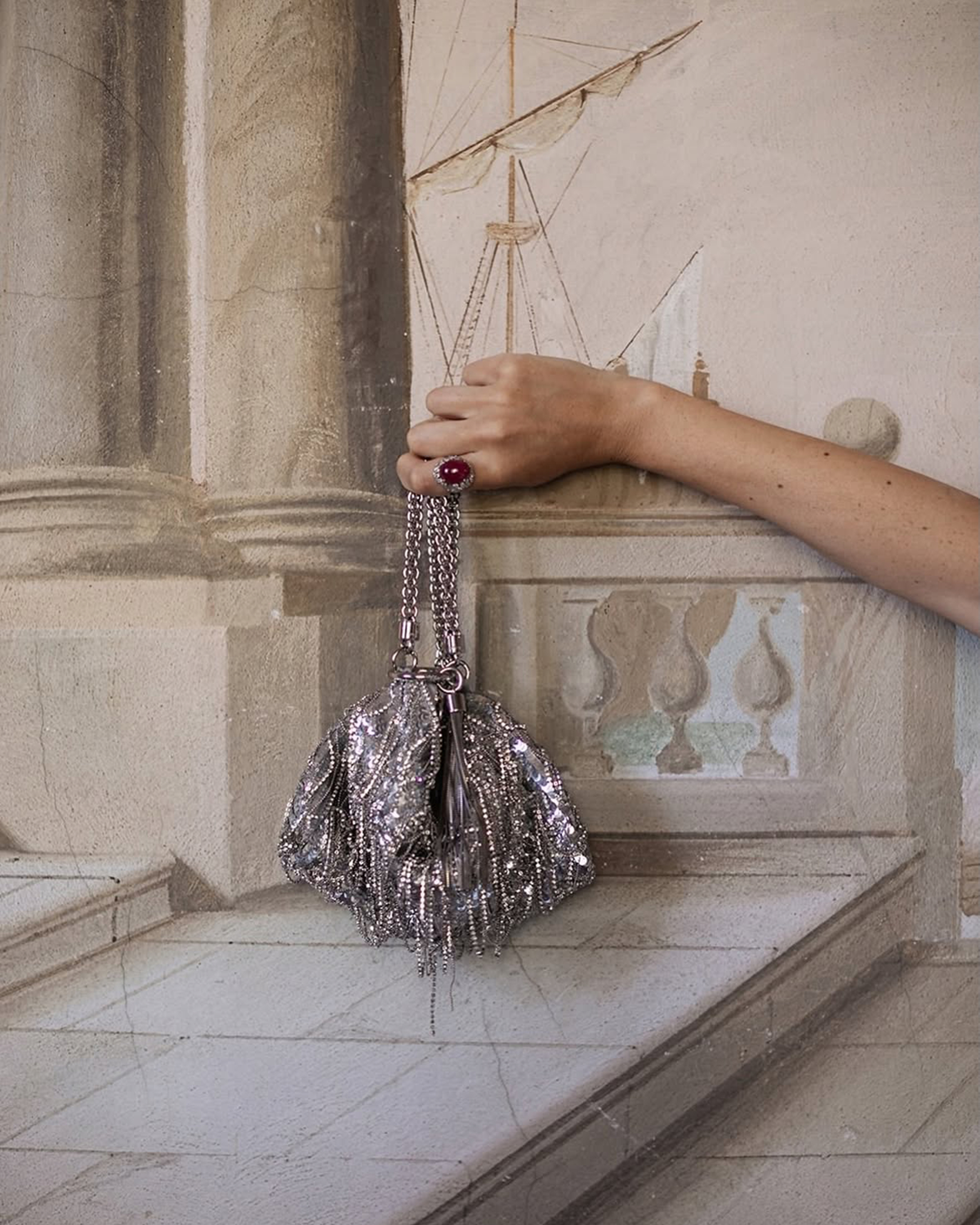
Dos Más En La Mesa started as two more seats at someone else’s table. What does the next chapter hold?
After years of developing the language within our photographs, we feel its next possibilities lie in the relationships between images and their physical form. We are exploring series, sequences, and pieces in which narrative acquires an almost sculptural presence. Printing, paper, scale, and construction are becoming part of the authorship. This remains an ongoing project because we are discovering the forms each story can ask of us.
If your craft feels thoroughly developed, explore what surrounds it. Change the sequence, scale, material, or way someone encounters the work. Start with one small experiment and give it the same attention as your established practice. Experience can become the foundation from which you discover another way to express yourself.
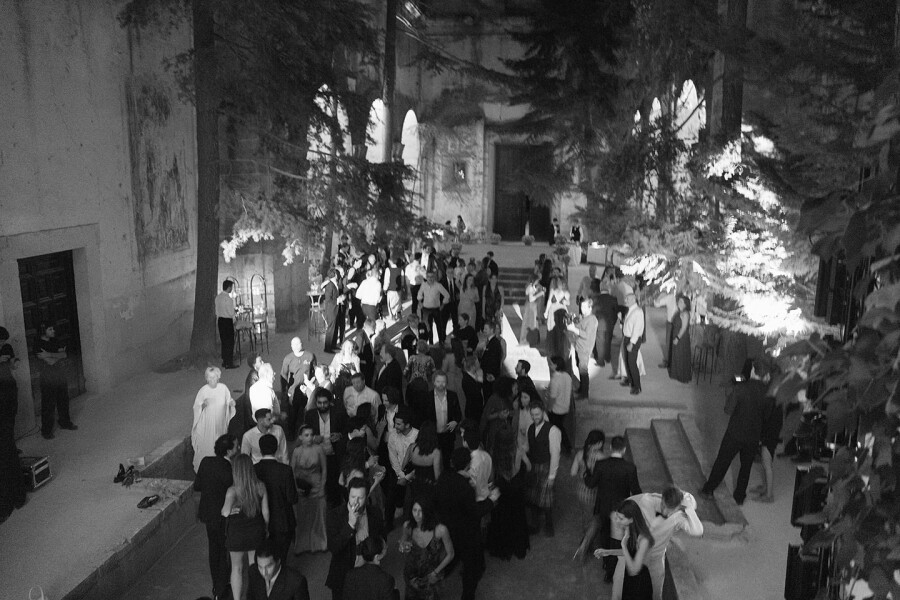
We are now experimenting with a piece that is conceived for some of our clients, and we do not repeat its final format. It is a gift from Dos Más En La Mesa: our interpretation of who they are or what their wedding became through our eyes. The creative decisions are entirely ours, without a brief or artistic direction from them. The understanding we have built together gives rise to a surprise, a piece belonging to our wider artistic practice.
"The understanding we have built together gives rise to a surprise, a piece belonging to our wider artistic practice."