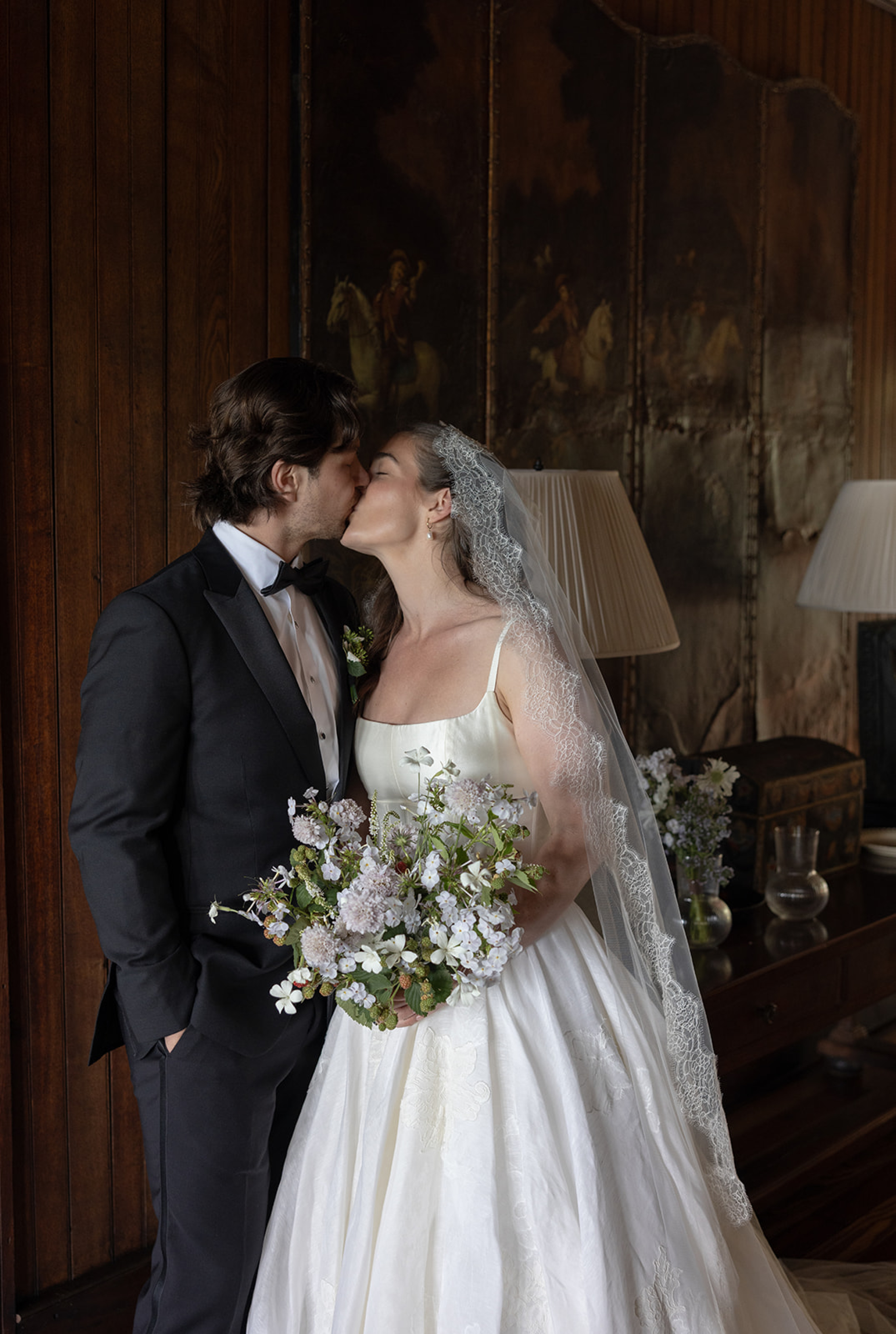
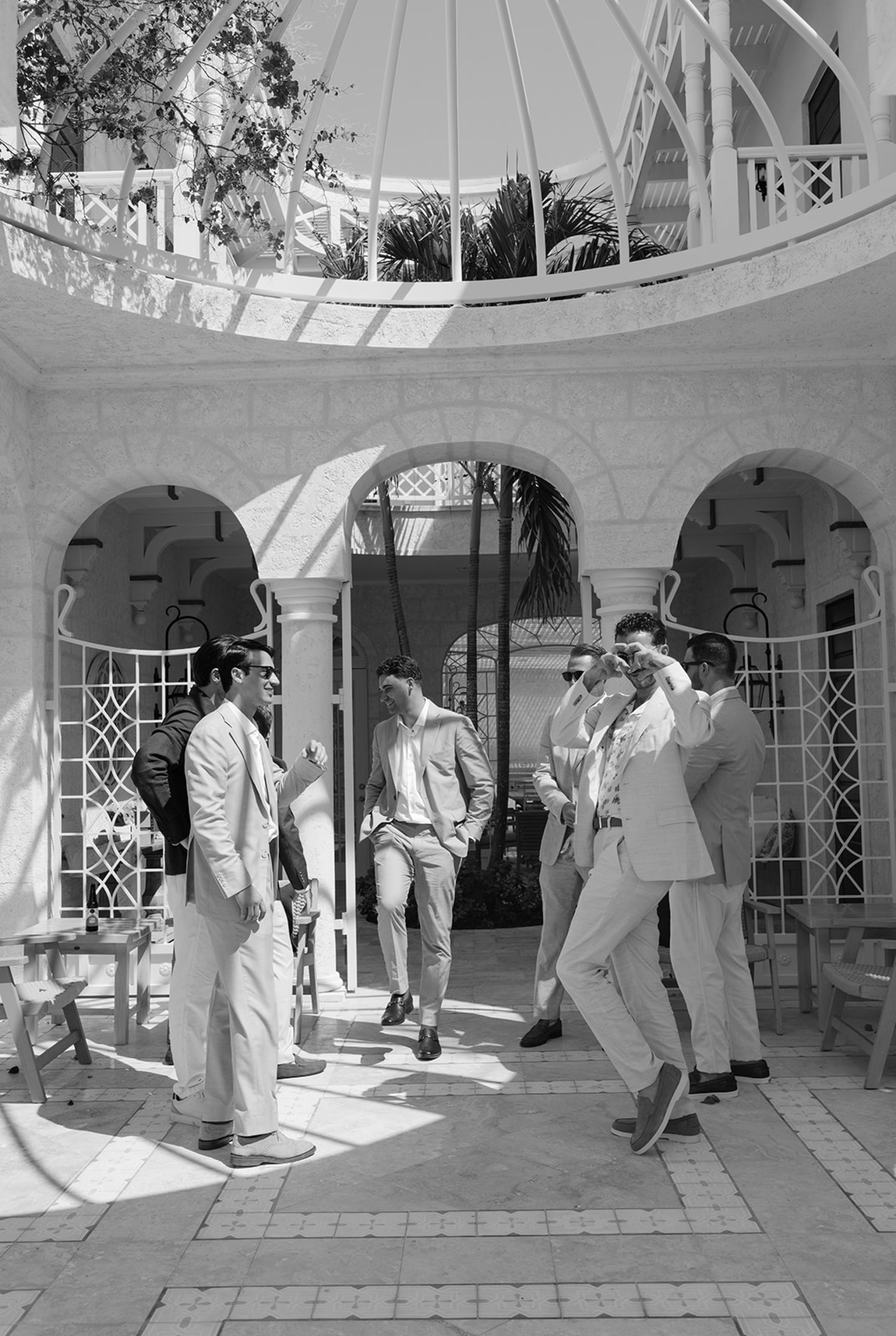
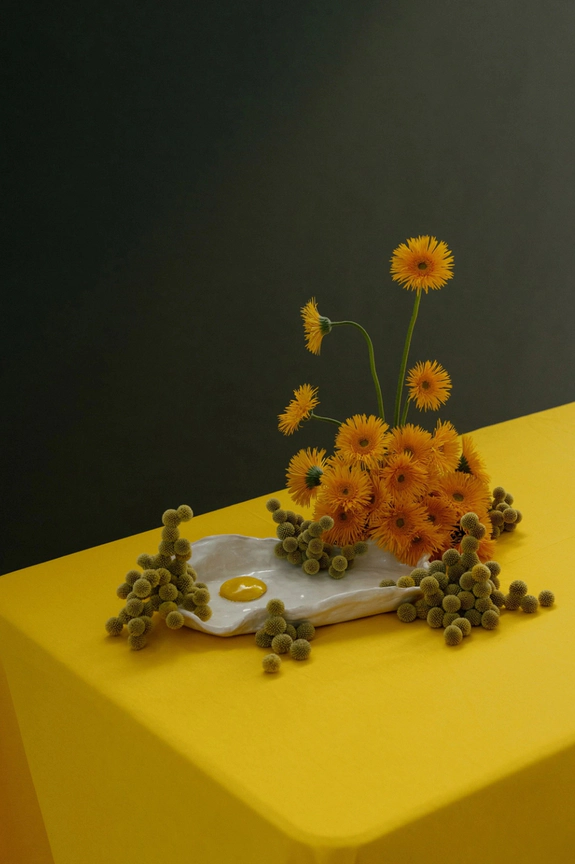
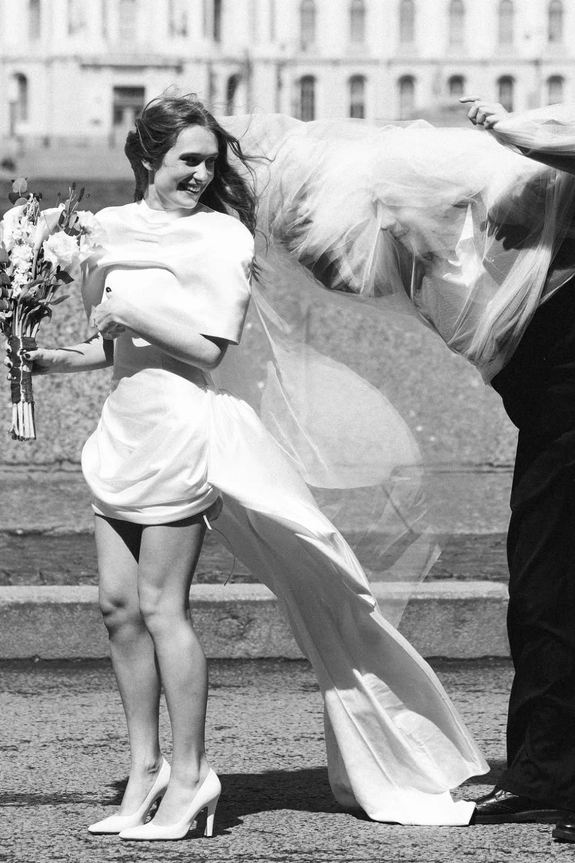
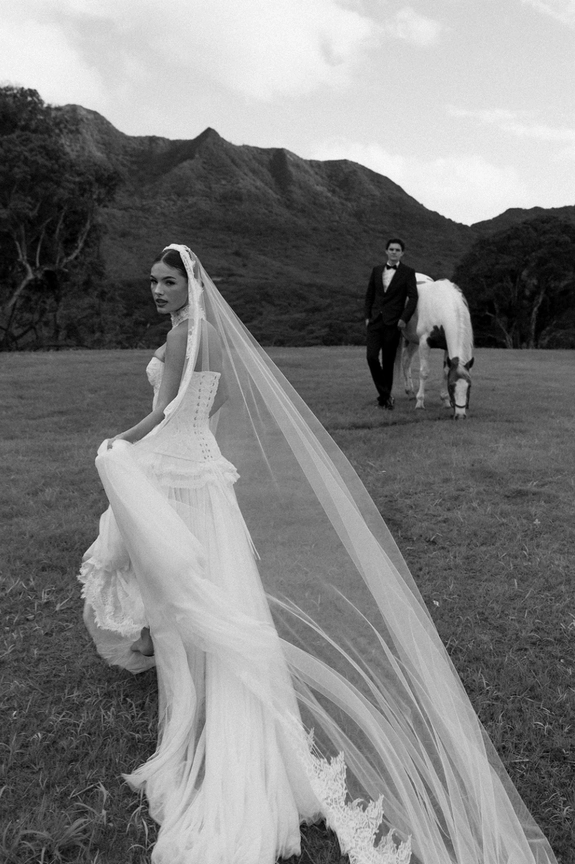
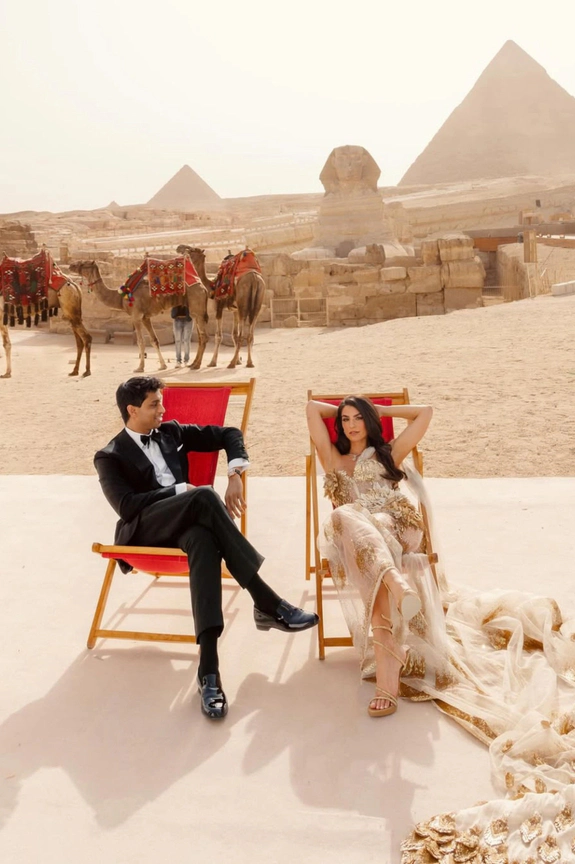
Georgia Grace has experienced the wedding industry from two very different, yet naturally complementary, perspectives: first as a model for bridal editorials, and now from behind the camera as a wedding photographer. That dual vantage point has sharpened her instinct for both how an image is constructed and how it feels to inhabit one. She has an affinity for the smallest moments and a portfolio that is meticulously emotion-driven and laced with an editorial edge. There is a vintage touch to Georgia’s work, where softness, movement, and imperfection are allowed to exist alongside more deliberate composition. We sat down with Georgia to talk about the instincts that shape her visual identity, the emotion behind her process, her soft spot for imperfection, and why the photographs that linger are often the ones that feel most alive.
What initially drew you into the world of wedding photography, and when did you realize it offered the kind of creative space you had been looking for?
I was introduced to the bridal, and subsequently the wedding, industry through modeling, primarily being booked for bridal editorials. It unveiled a side of the industry that, as an artist, I found compelling. I realized that it offered a melding of my interests: people, connection, fashion, interior design, travel, architecture, and photography.
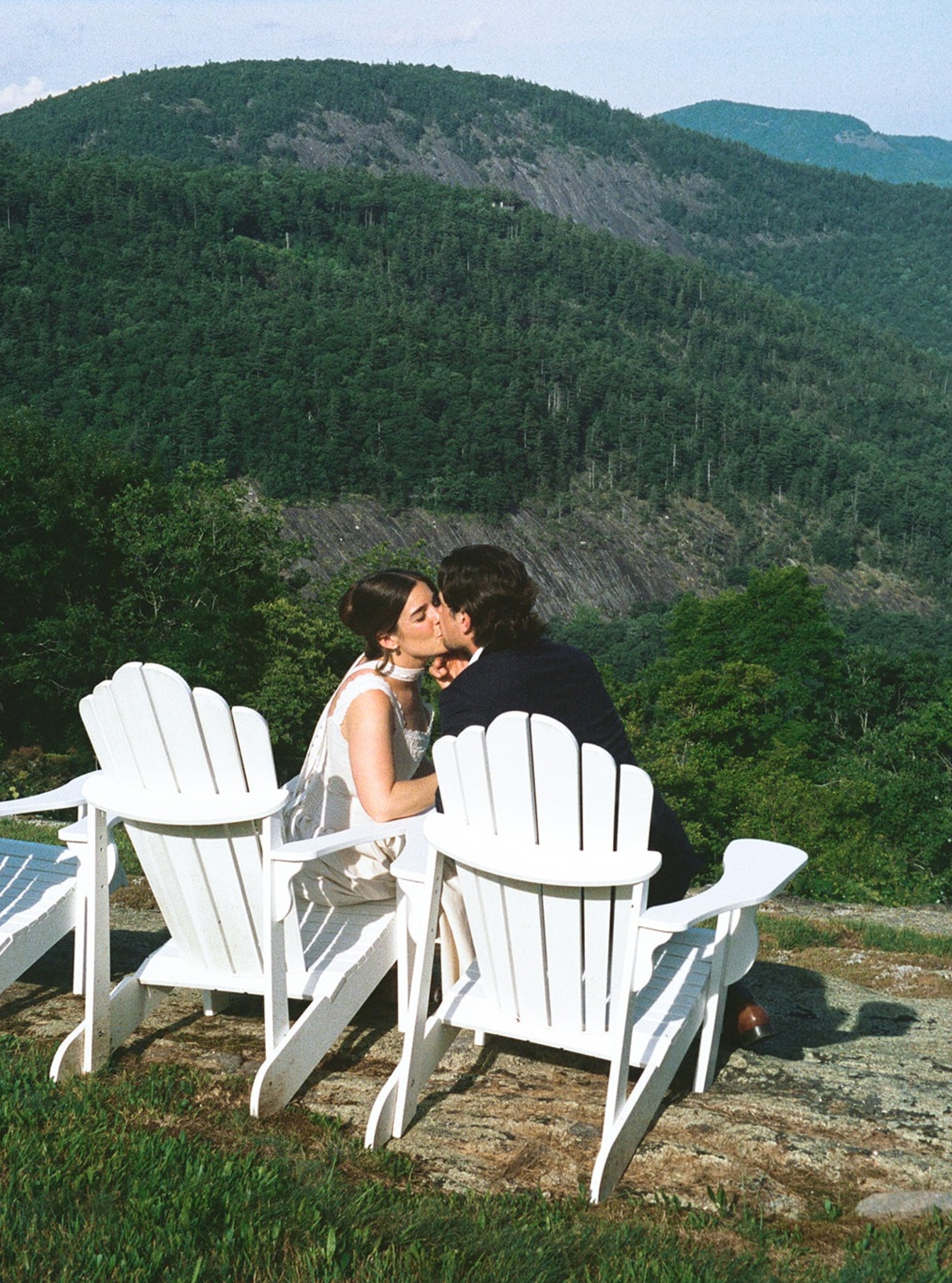
With classical training in film photography, which parts of that discipline still shape the way you work today, and where have you enjoyed bending the rules or developing a language of your own?
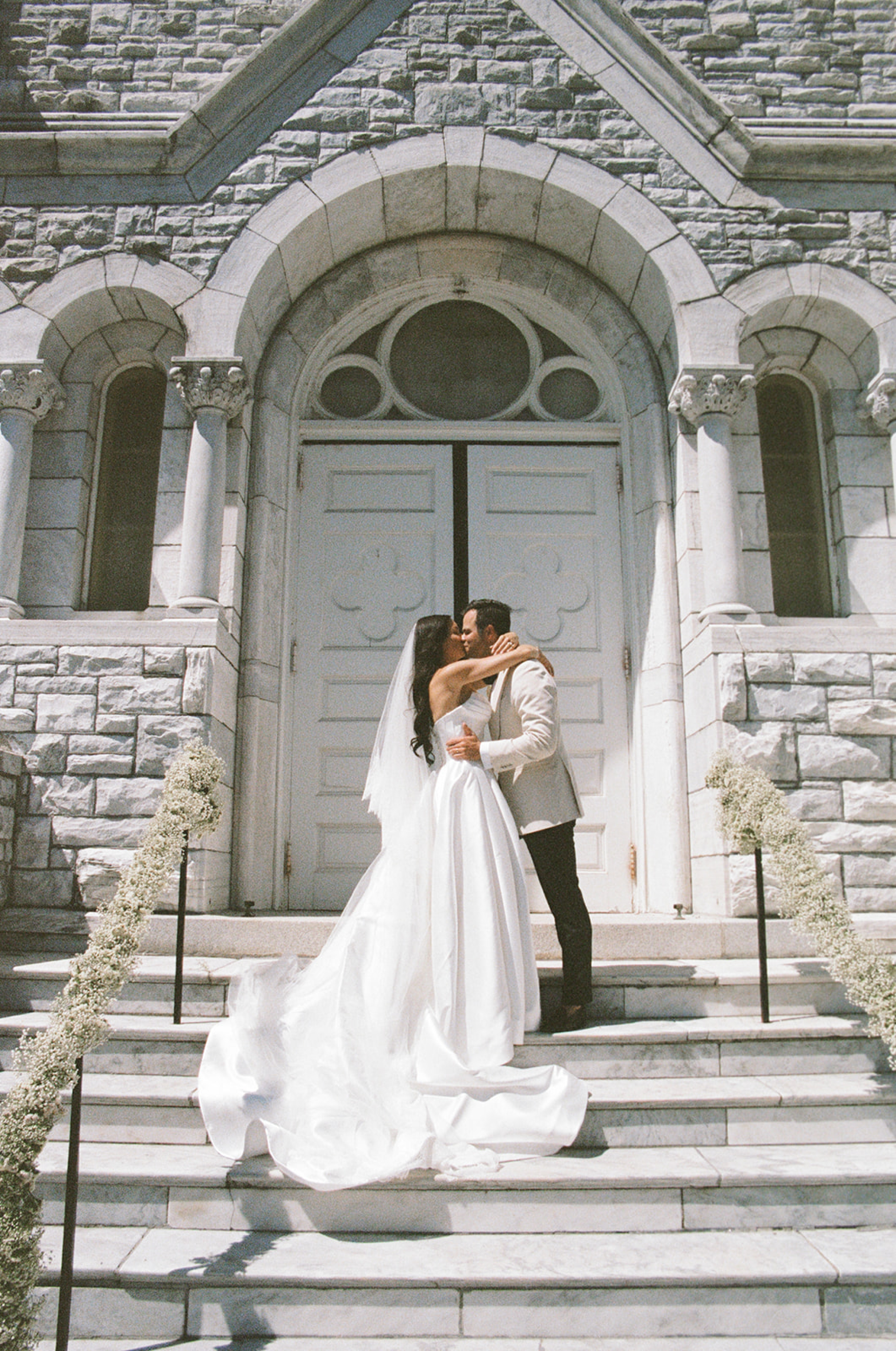
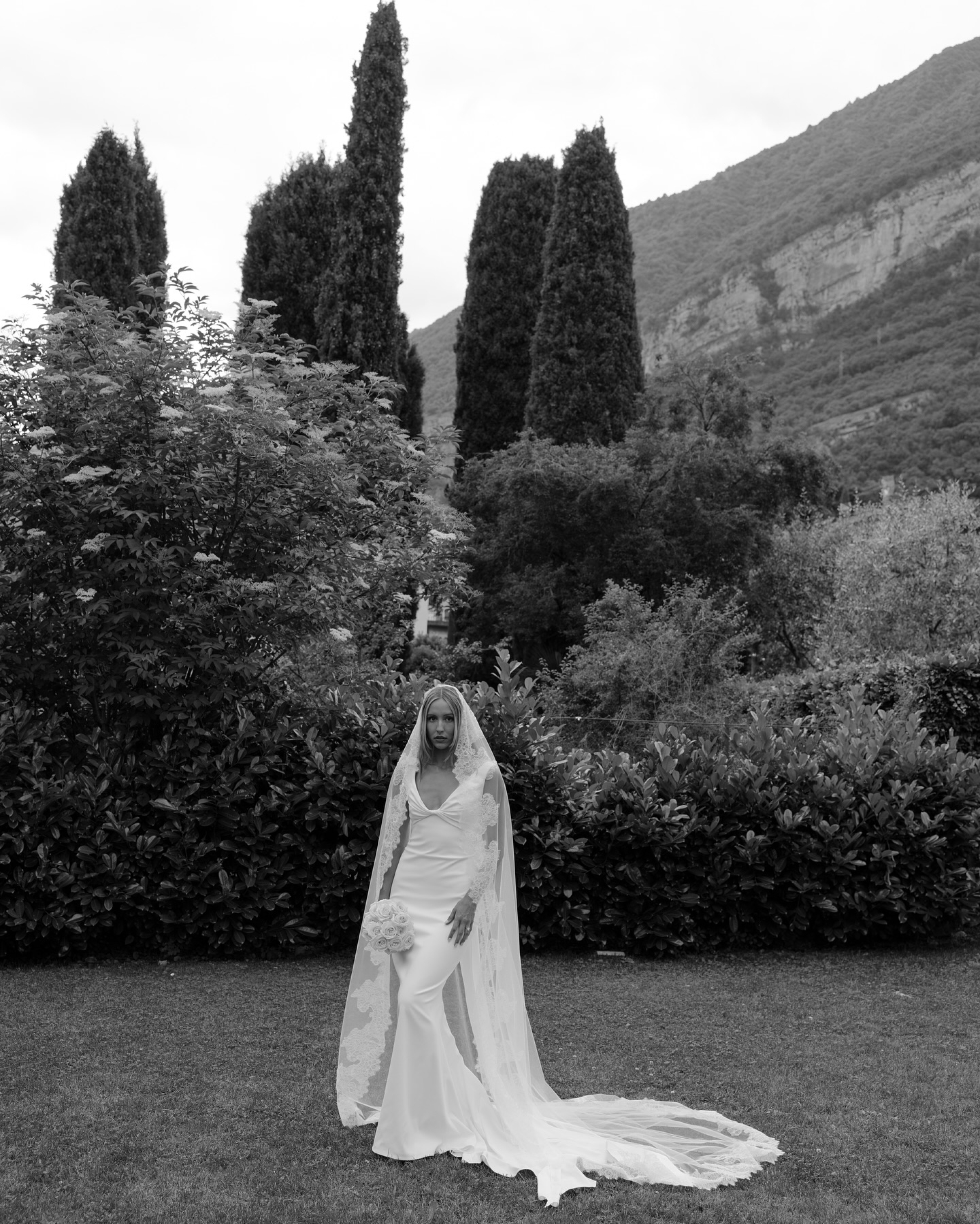
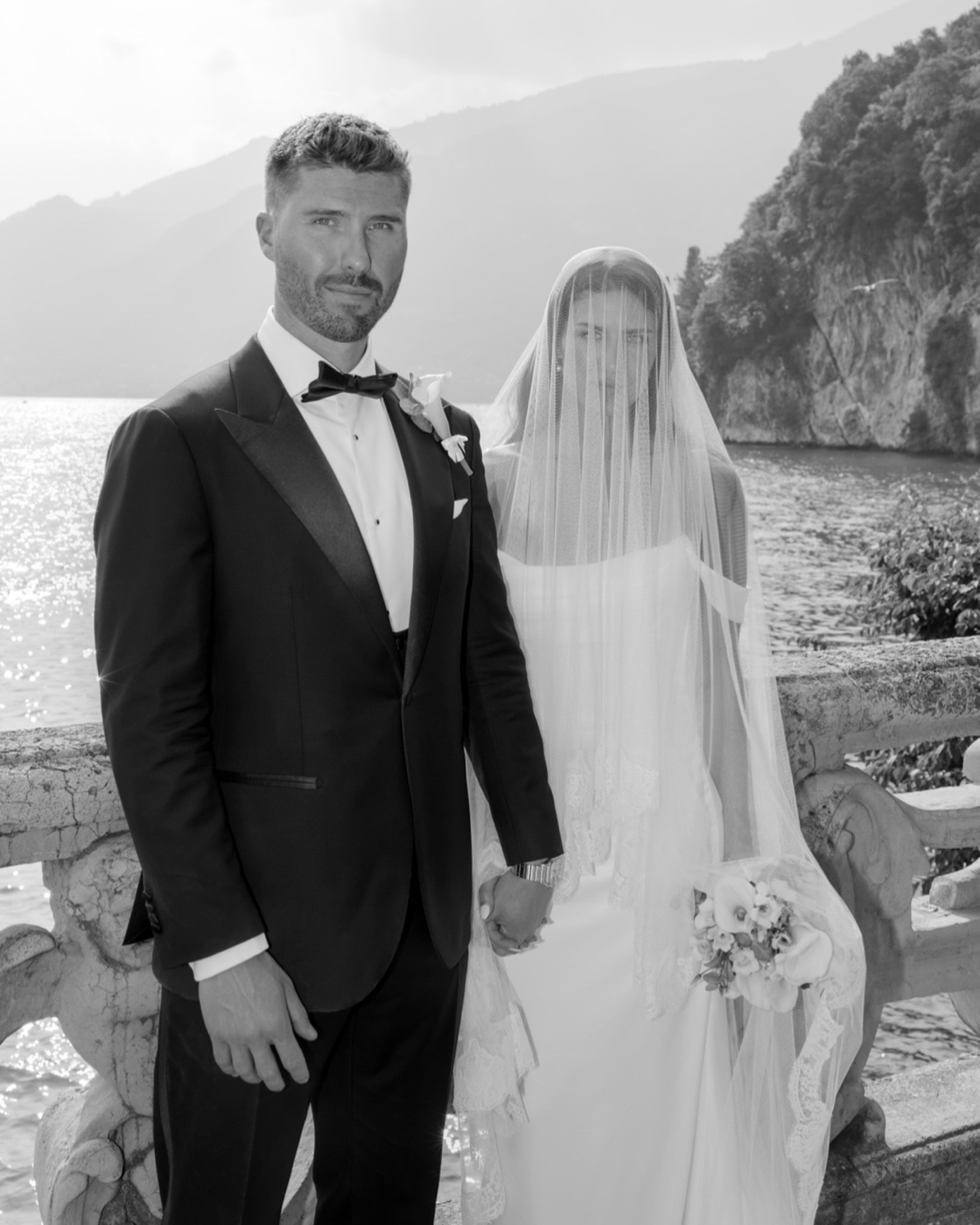
My process has remained tethered to the core principles of design that were taught at university. The most prevalent are balance, how an artist spreads visual weight across a piece; emphasis, the main focal point made prominent through high contrast, size, or shape; and movement, the path the viewer’s eye follows across the artwork. Then there’s rhythm, a sense of organized motion created by repetition, and variety, using different shapes and textures to keep a piece or gallery interesting. As to the bending? I’ve found creating imperfect images to be cathartic. Images that feel lived in. Images that, on paper, would be dismissed.
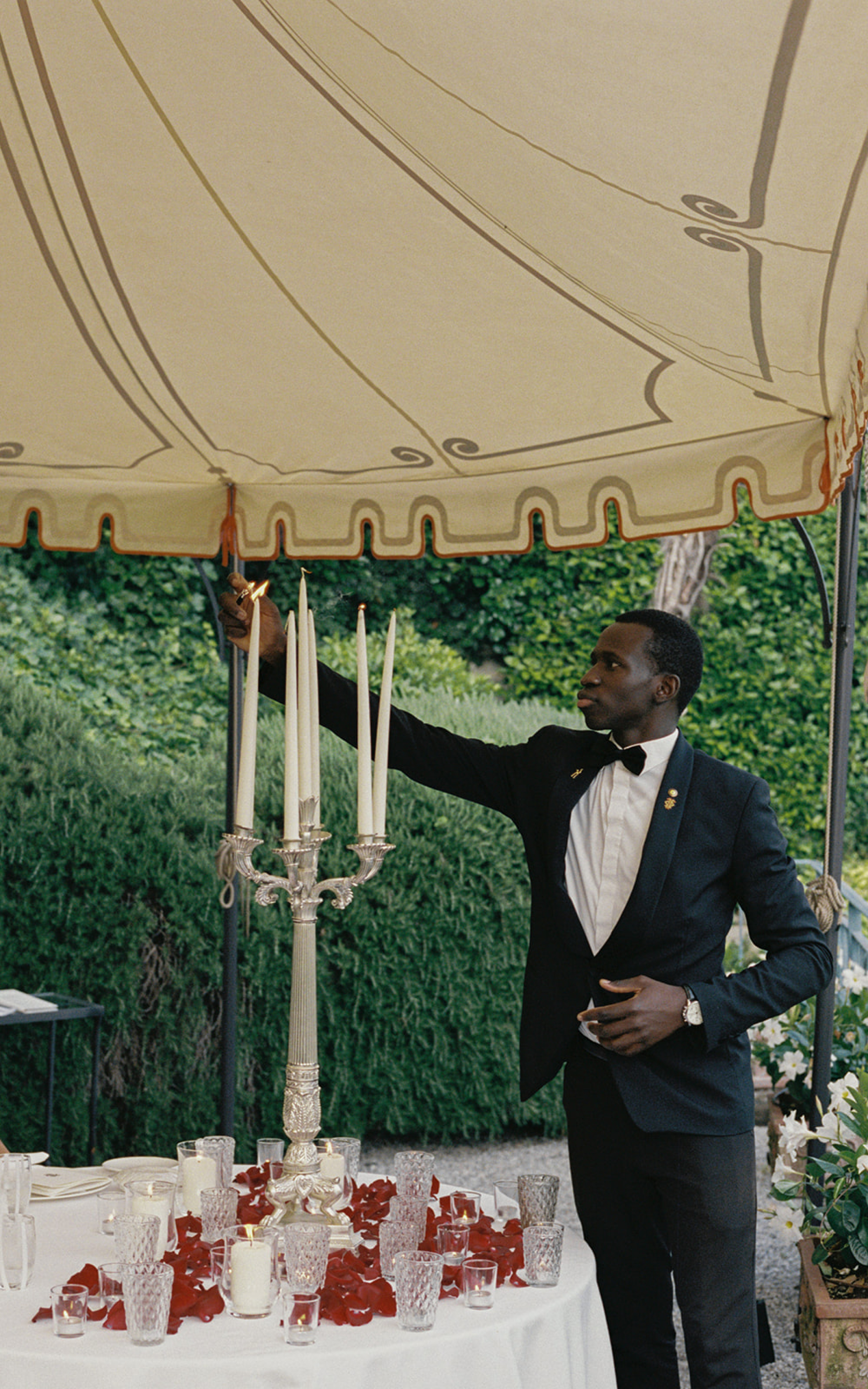
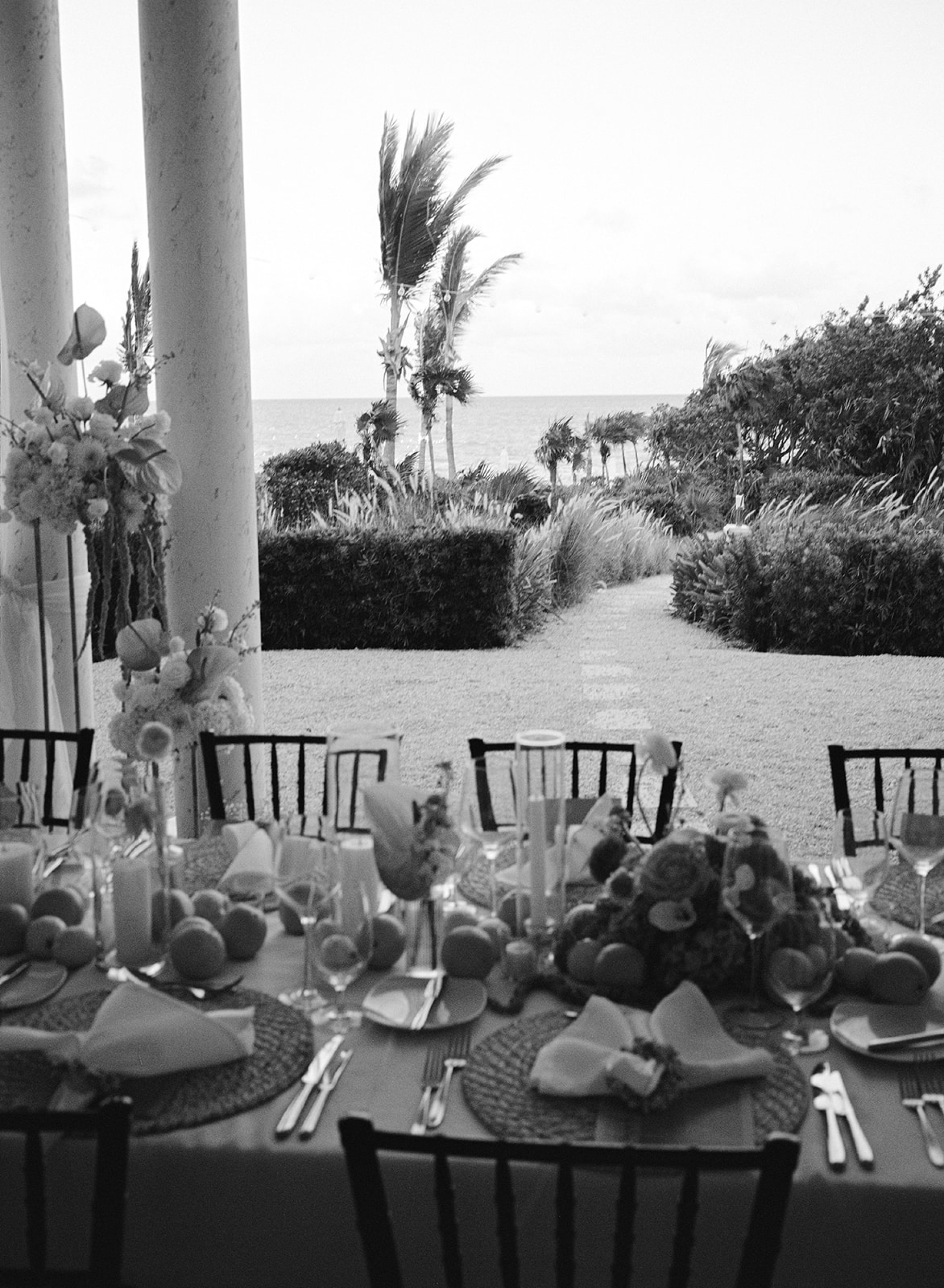
Emotion feels central to your photographs. In your experience, what allows an image to hold the feeling of a moment, rather than simply document what happened?
I’ve learned that to trap the emotion within a photograph, you have to almost embody the moment. You tap into the energy of the day and the emotions of the people you’re there alongside. You feel it all with them and use the camera as a tool to capture that. It truly comes from my heart. I attribute this to being an empath and to my intake process. As much as it helps the couple to have a friend capturing their intimate moments, it helps me to feel that I’m capturing a friend and their love.
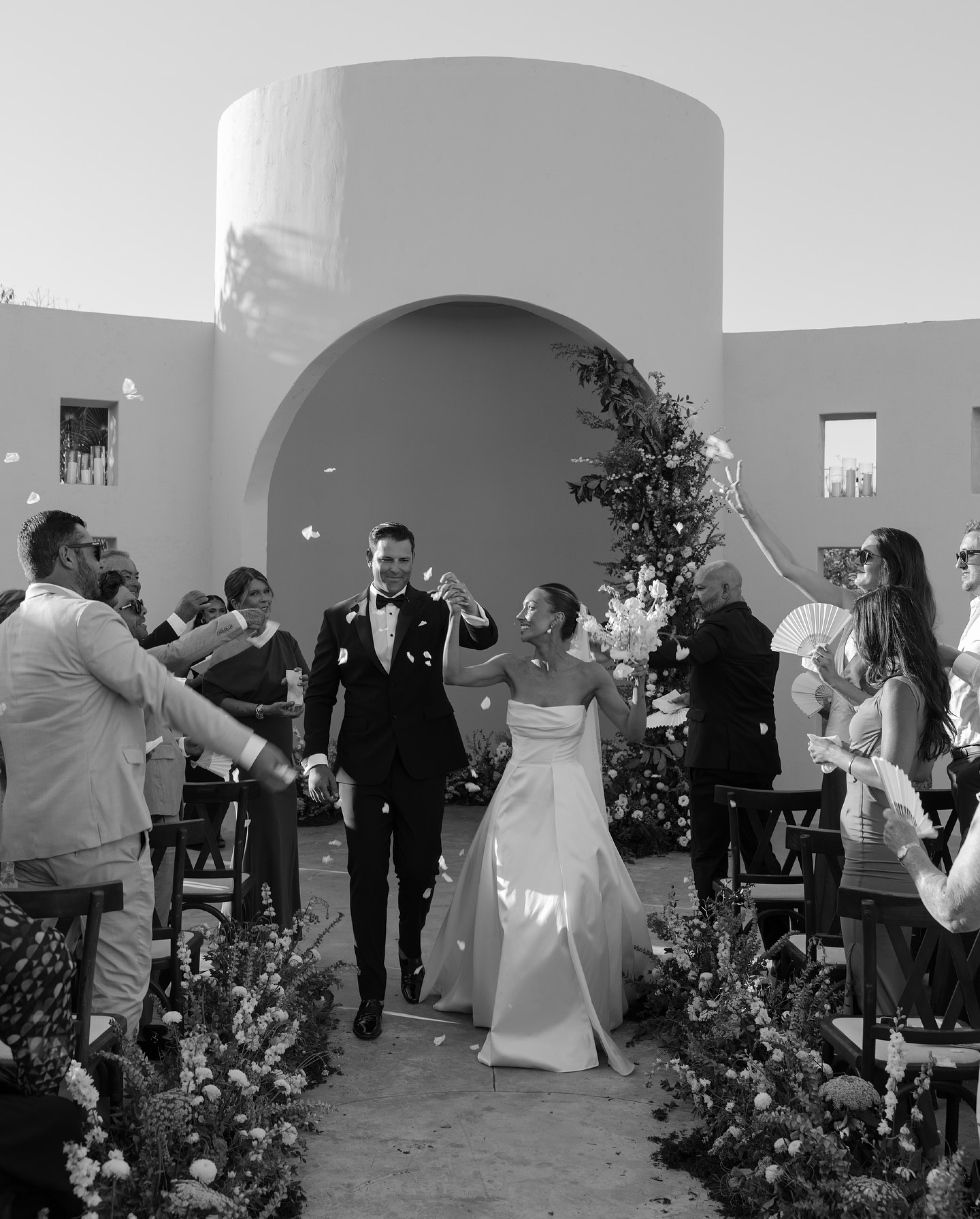
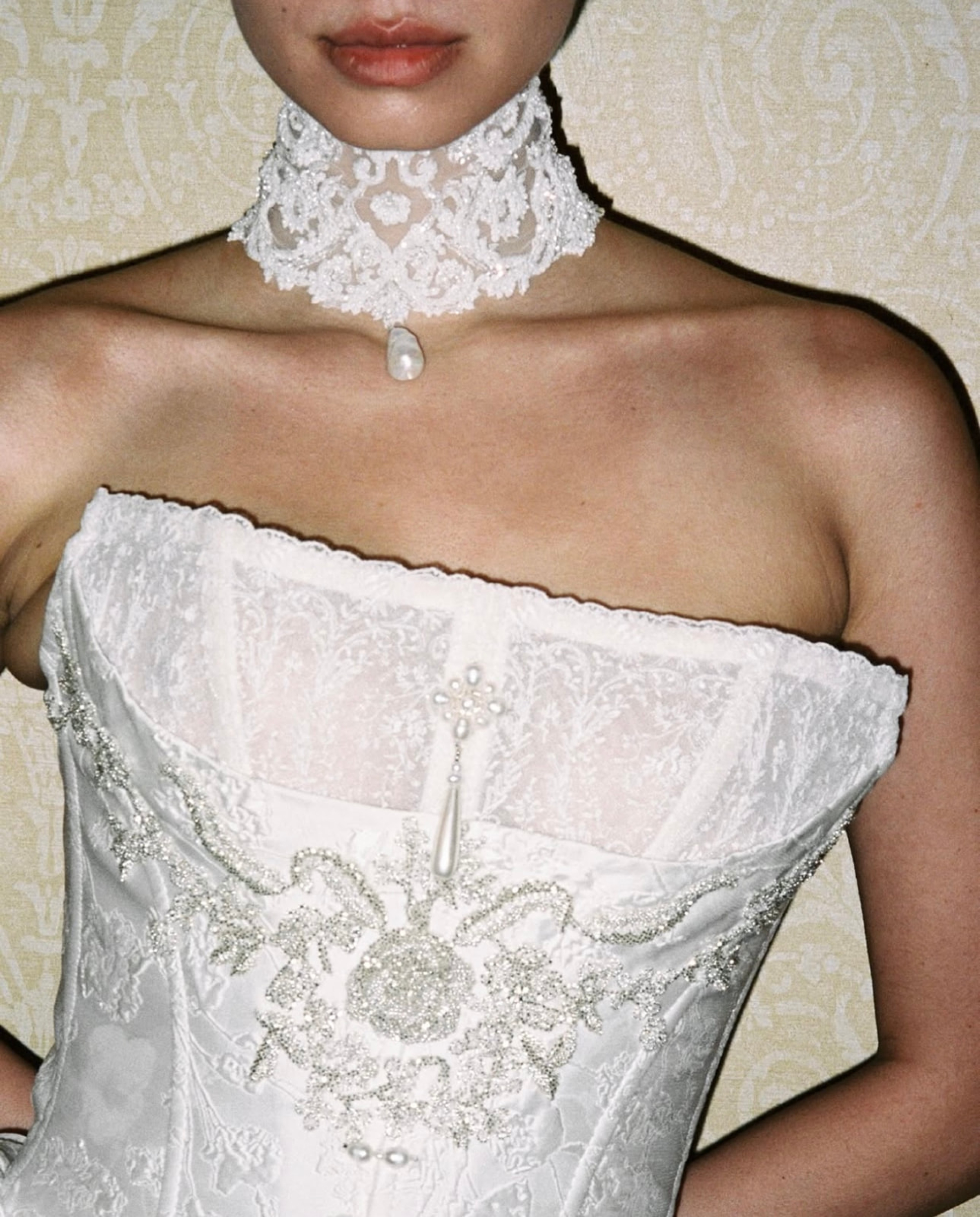
“I’ve found creating imperfect images to be cathartic. Images that feel lived in. Images that, on paper, would be dismissed.”
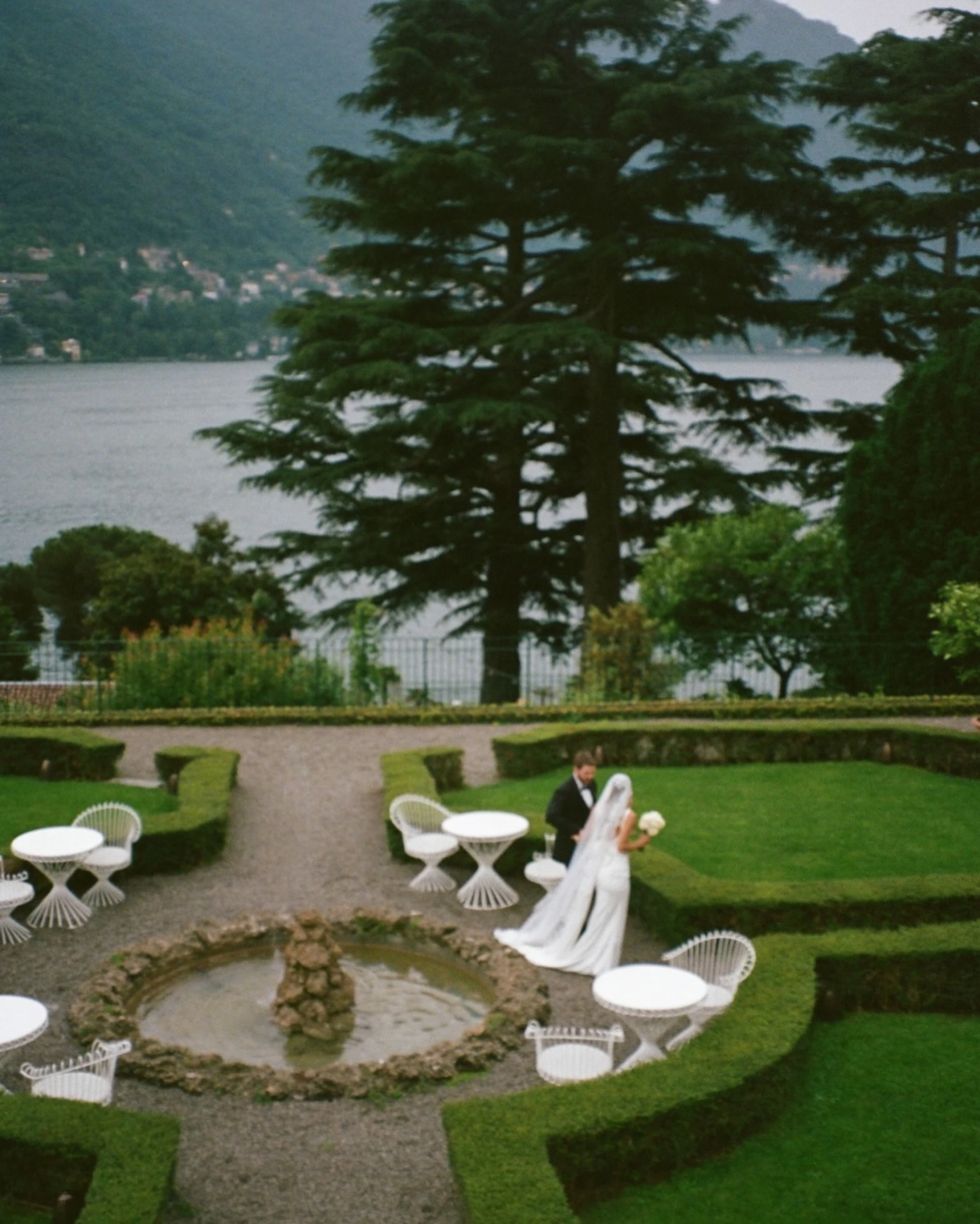
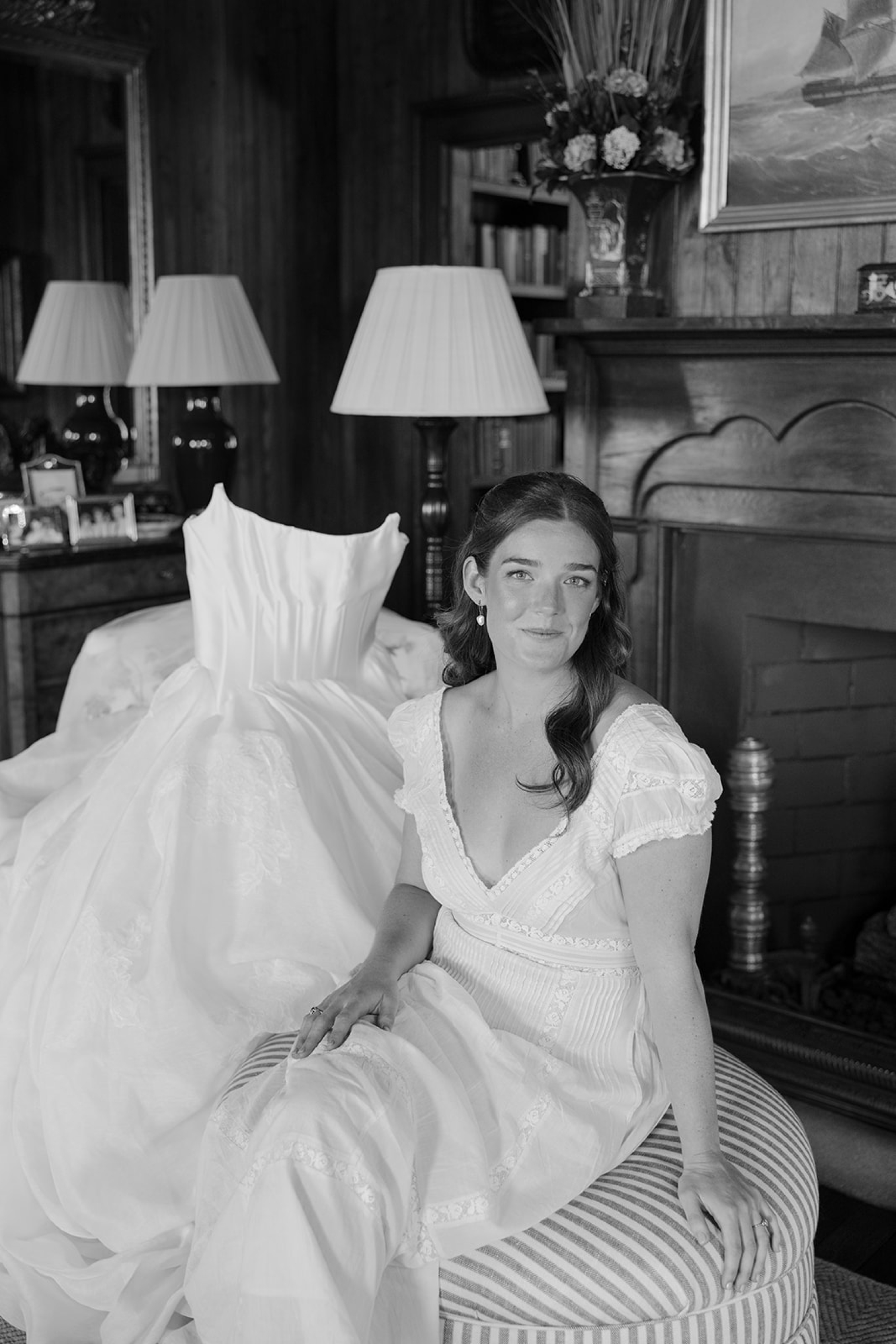
Your work moves so naturally between candid intimacy and editorial polish. How do you read a moment and decide whether to stay quietly observant or offer a little direction?
This ties in beautifully with the previous point. I try to stagger portraits throughout the day instead of condensing them into one section. I stay present and adjust as the day shifts. It requires constant awareness and presence.
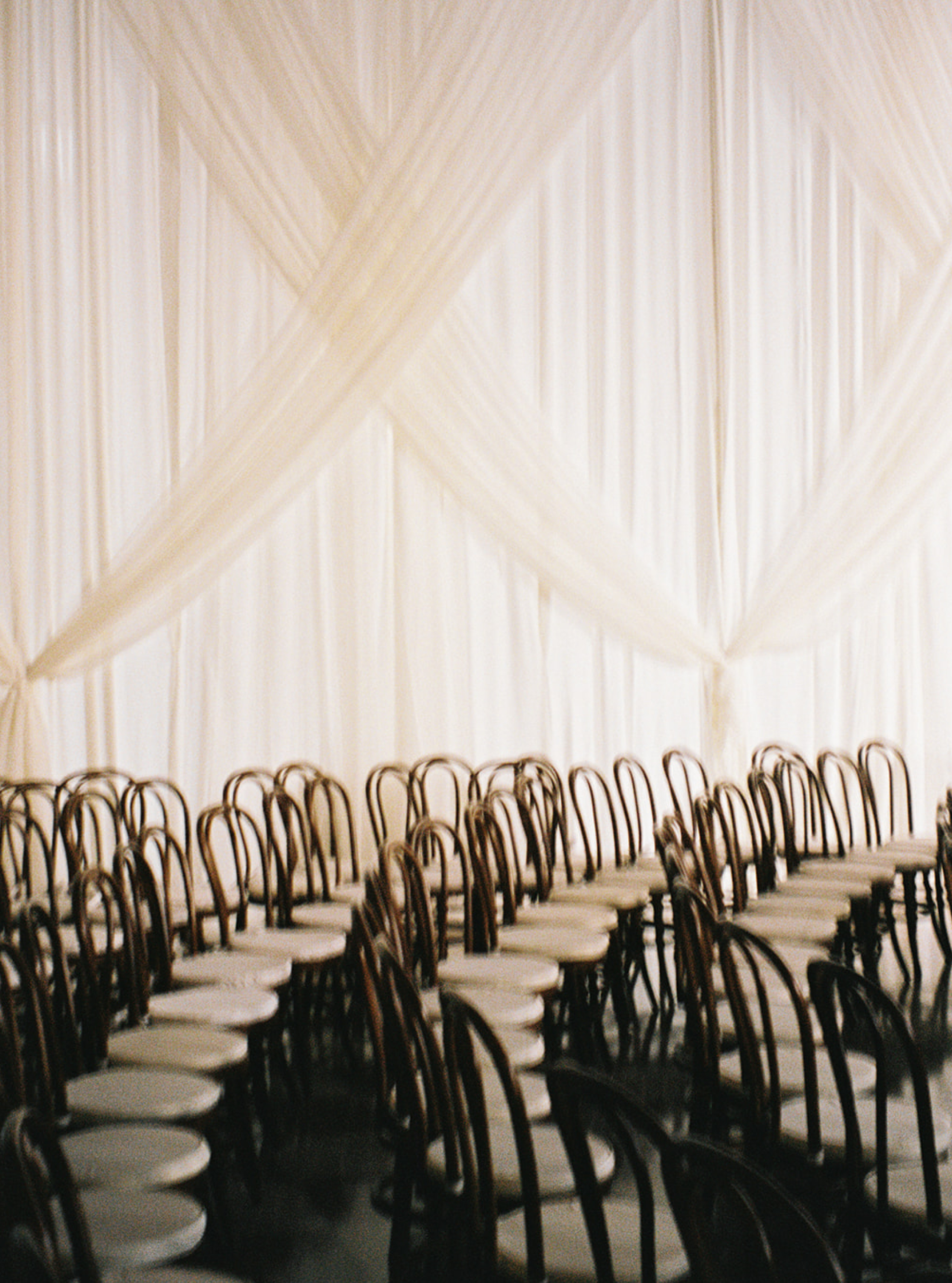
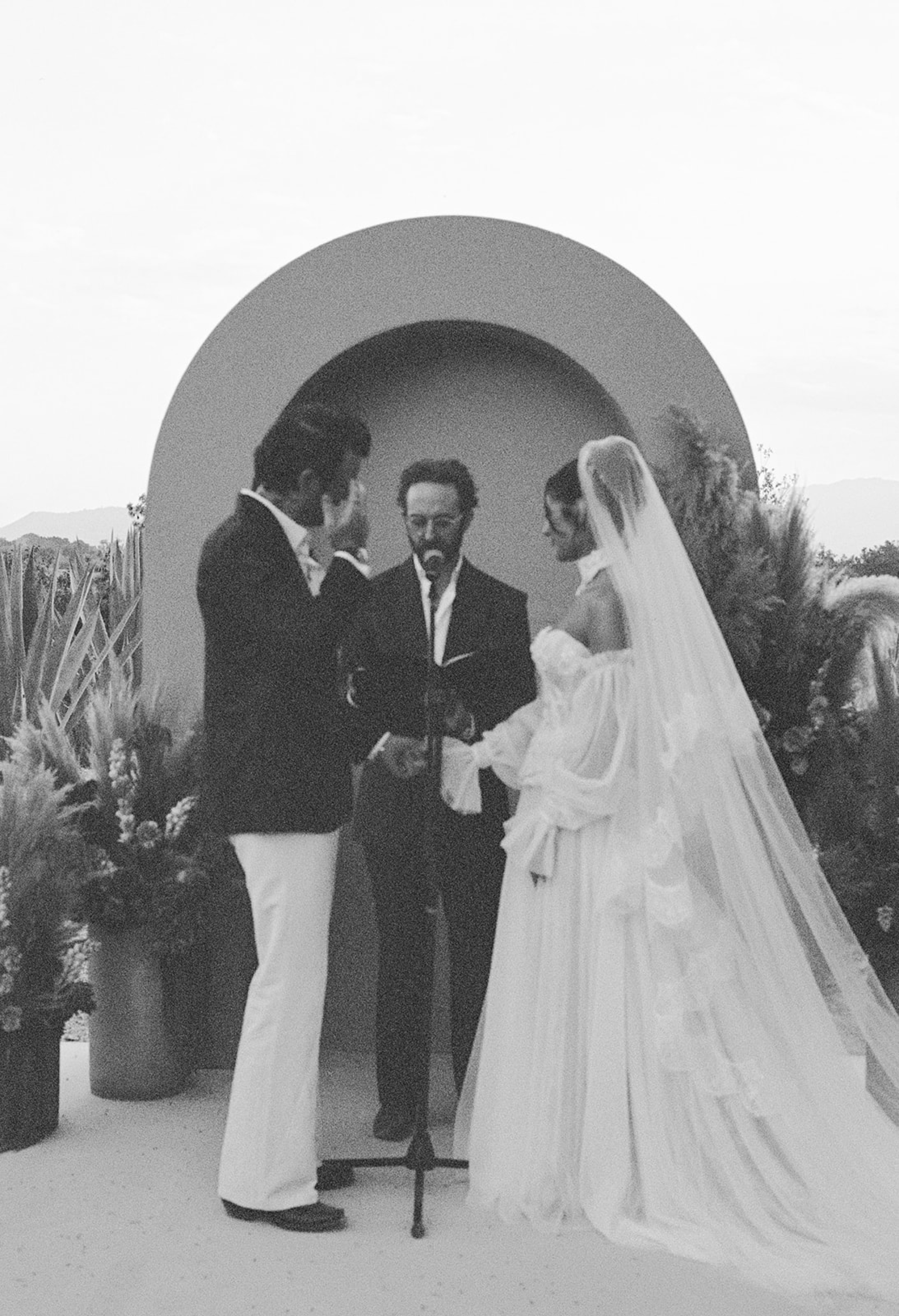
There is a recurring sense of texture, softness, and nostalgia in your work. What continues to draw you toward that visual world?
I believe the essence of softness comes from who I am and how I see the world. My view on photography is that you’re lending your point of view to another. It’s who you are; it’s how your mind works, on display for all to see. It’s deeply personal.
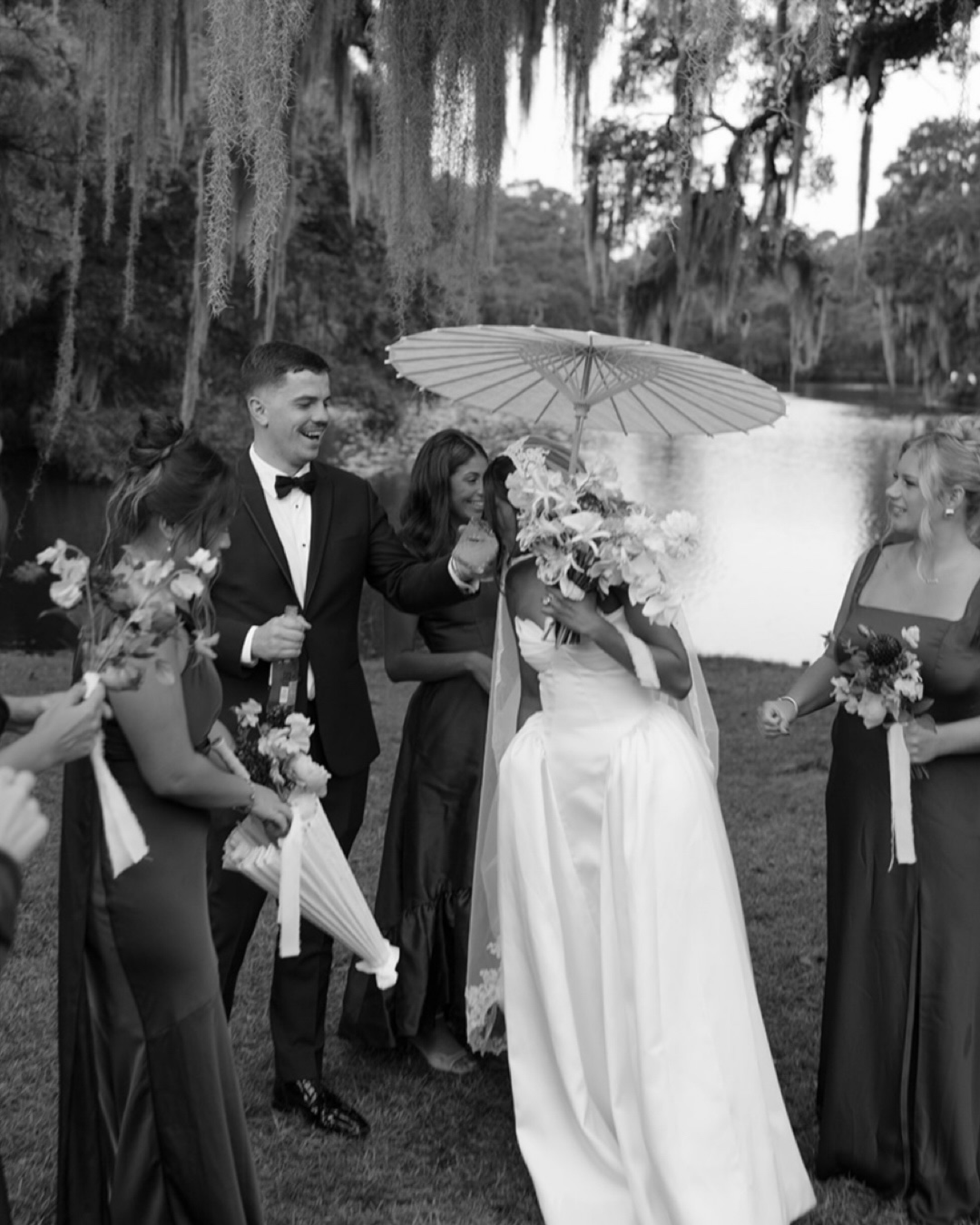
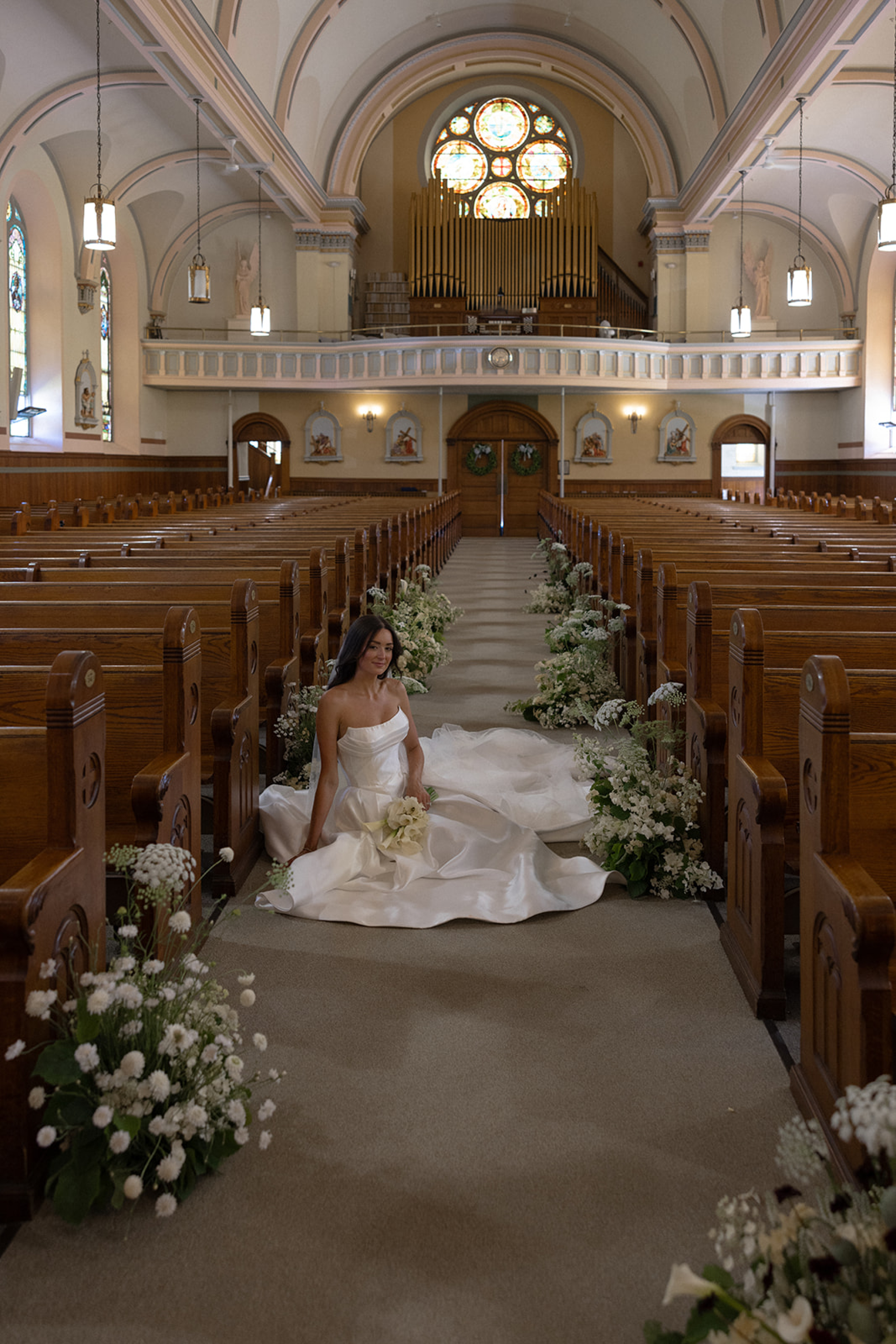
Since you work across both film and digital, what usually helps you decide which medium feels right for a particular moment?
When deciding on a medium, I always factor in the importance of the moment alongside the logistics of each camera. Digital will always take priority for high-stakes moments, as it is backed up on two cards. For leisurely moments, I prefer film. I’ll pull from Steven Spielberg on this one. He states, “Digital photography is a science, and film photography is a chemical miracle.” Analog relies on chemical reactions, both inside and outside the camera.
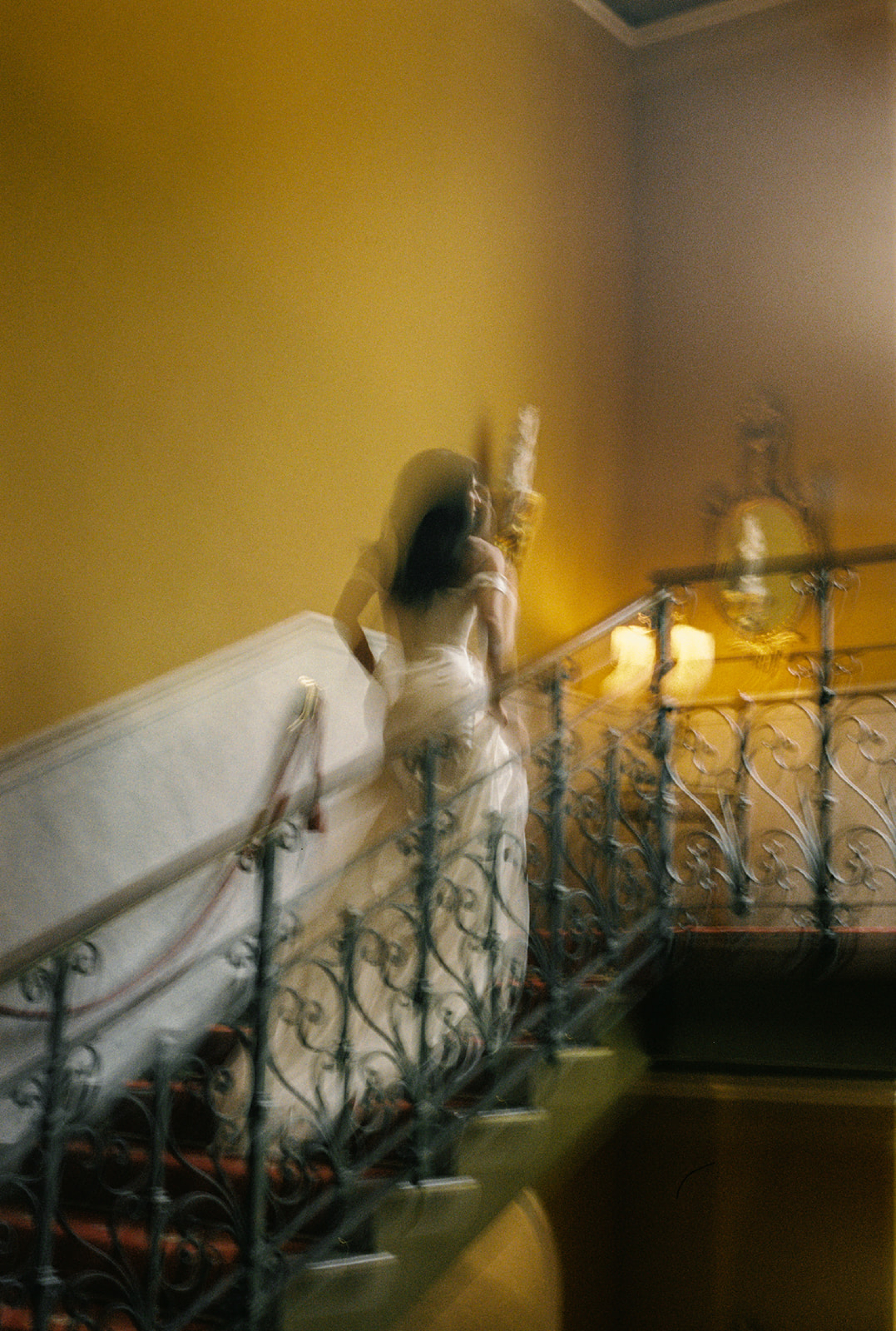
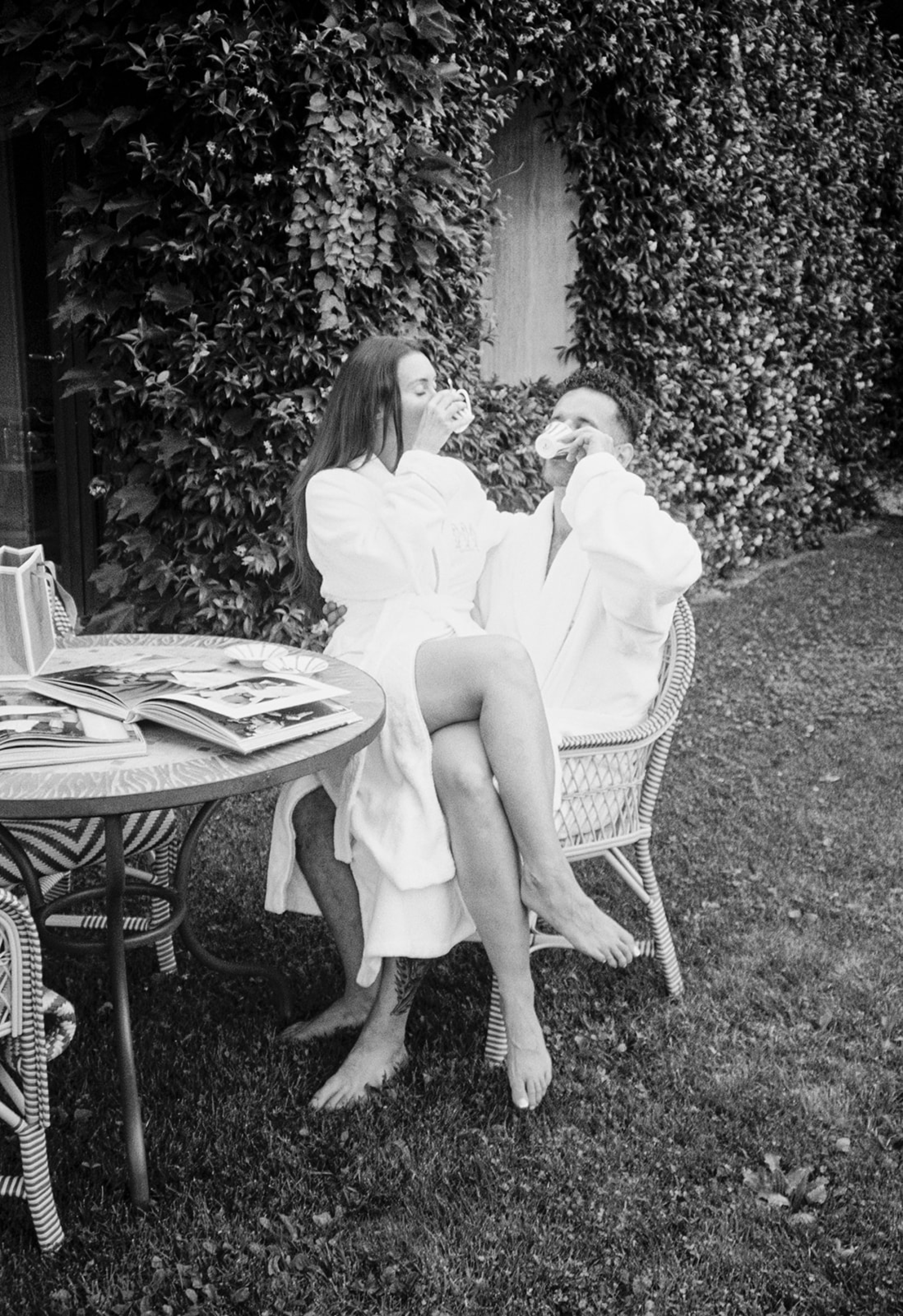
“The energy of the couple and their loved ones can significantly impact the visual outcome. Without a pulse or a sense of life, it’ll just be beautiful.”
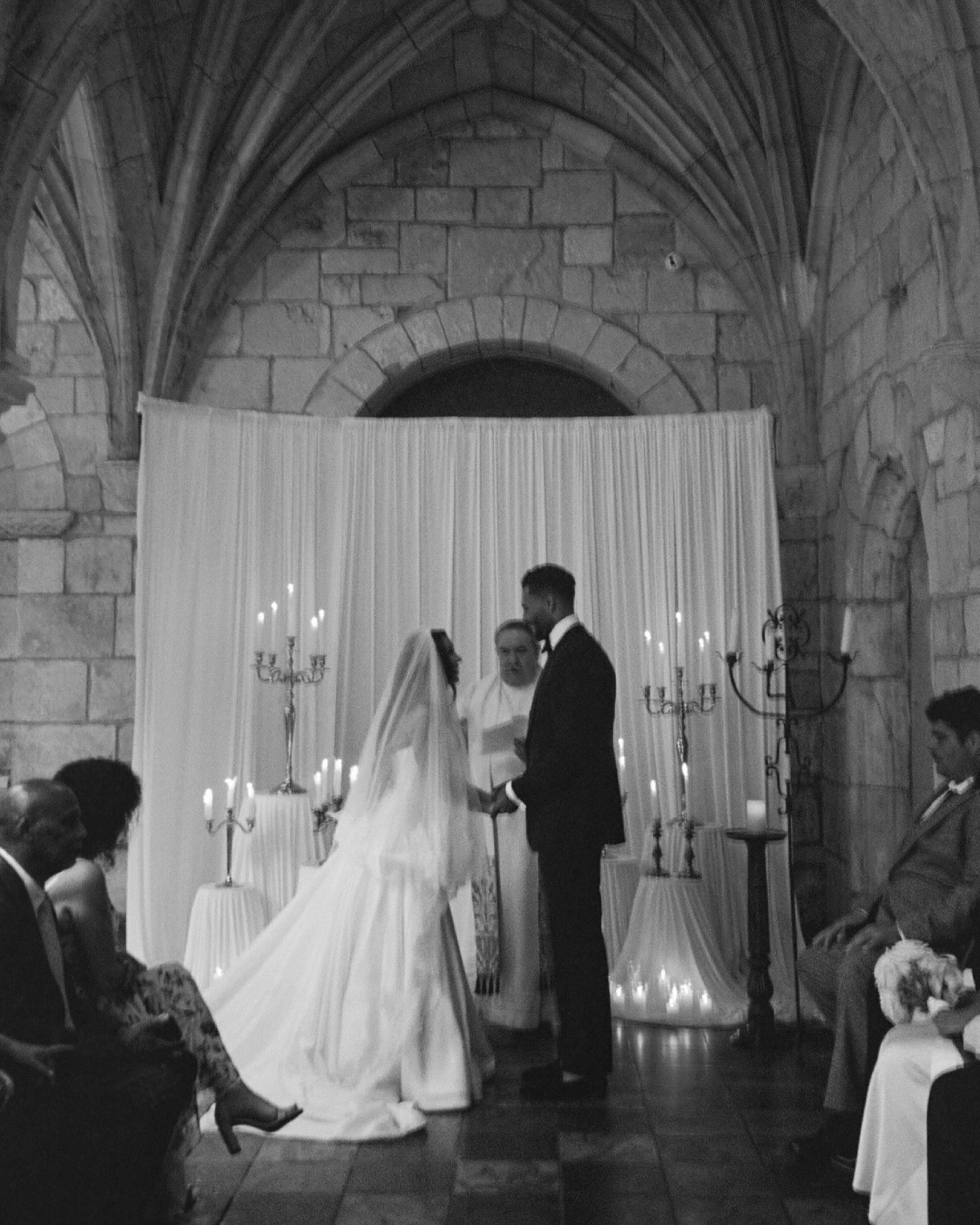
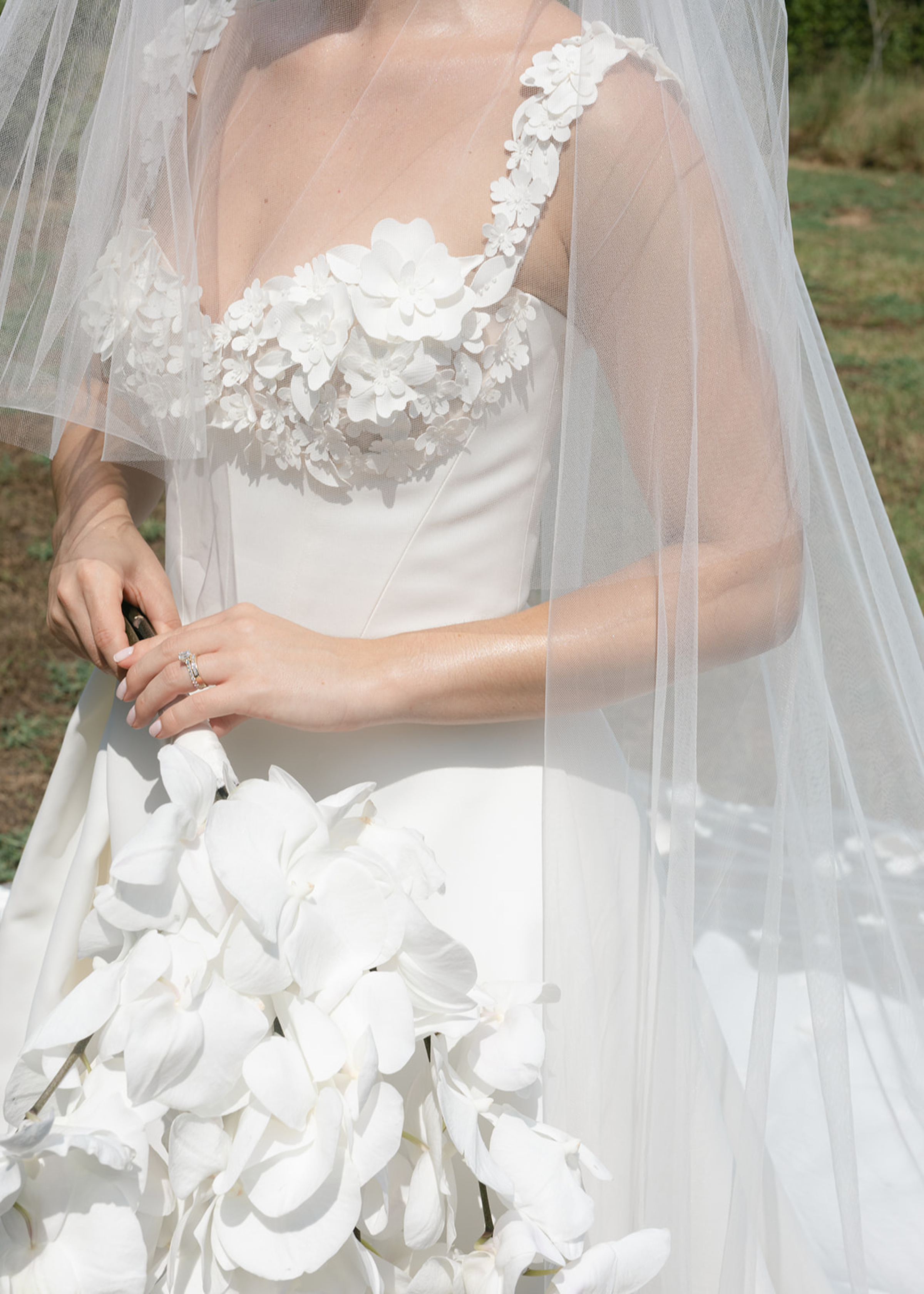
From behind the camera, which elements of a wedding tend to shape the photographs most, even when couples may not realize their visual importance beforehand?
Energy. The energy of the couple and their loved ones can significantly impact the visual outcome. Without a pulse or a sense of life, it’ll just be beautiful.
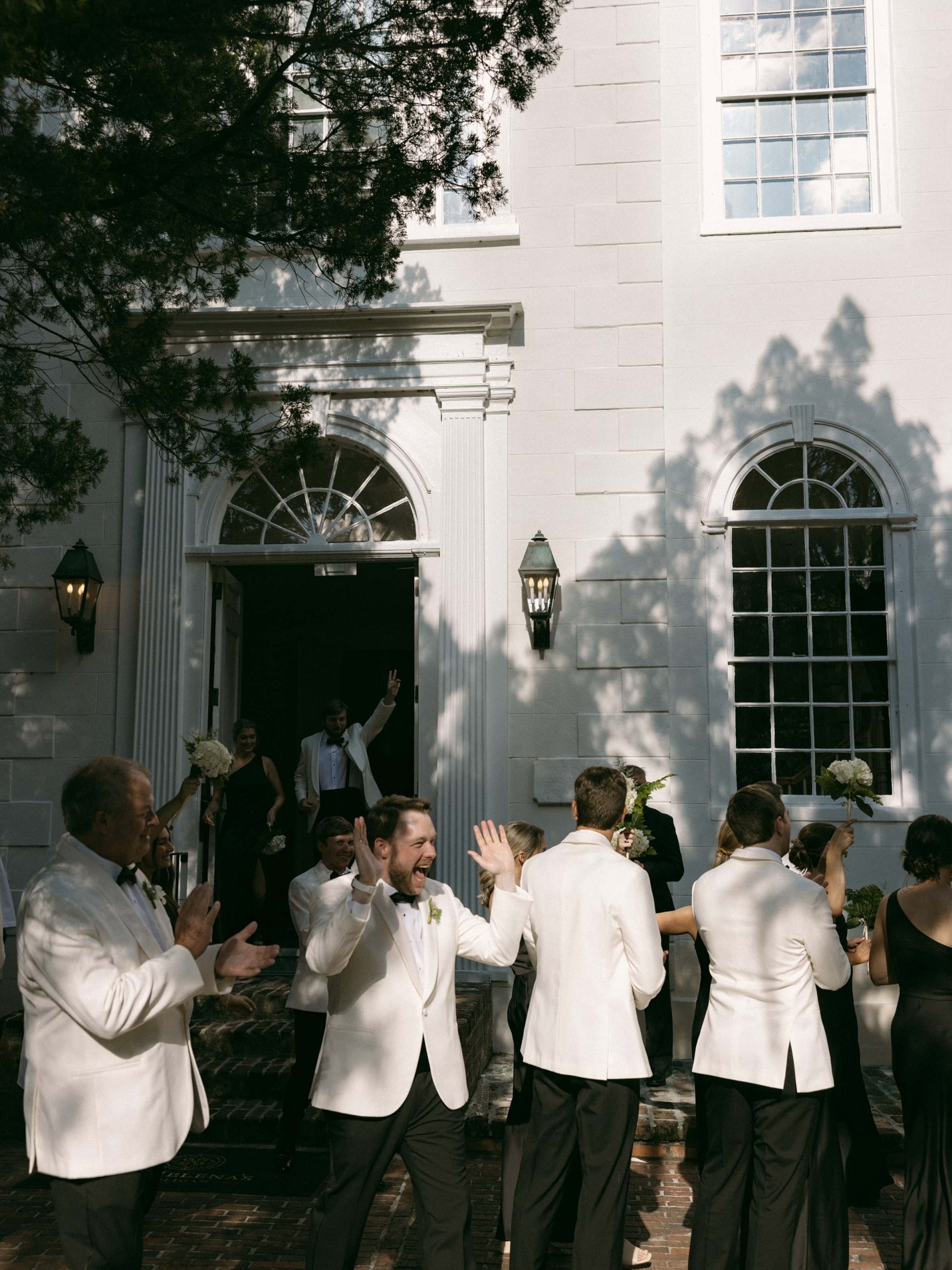
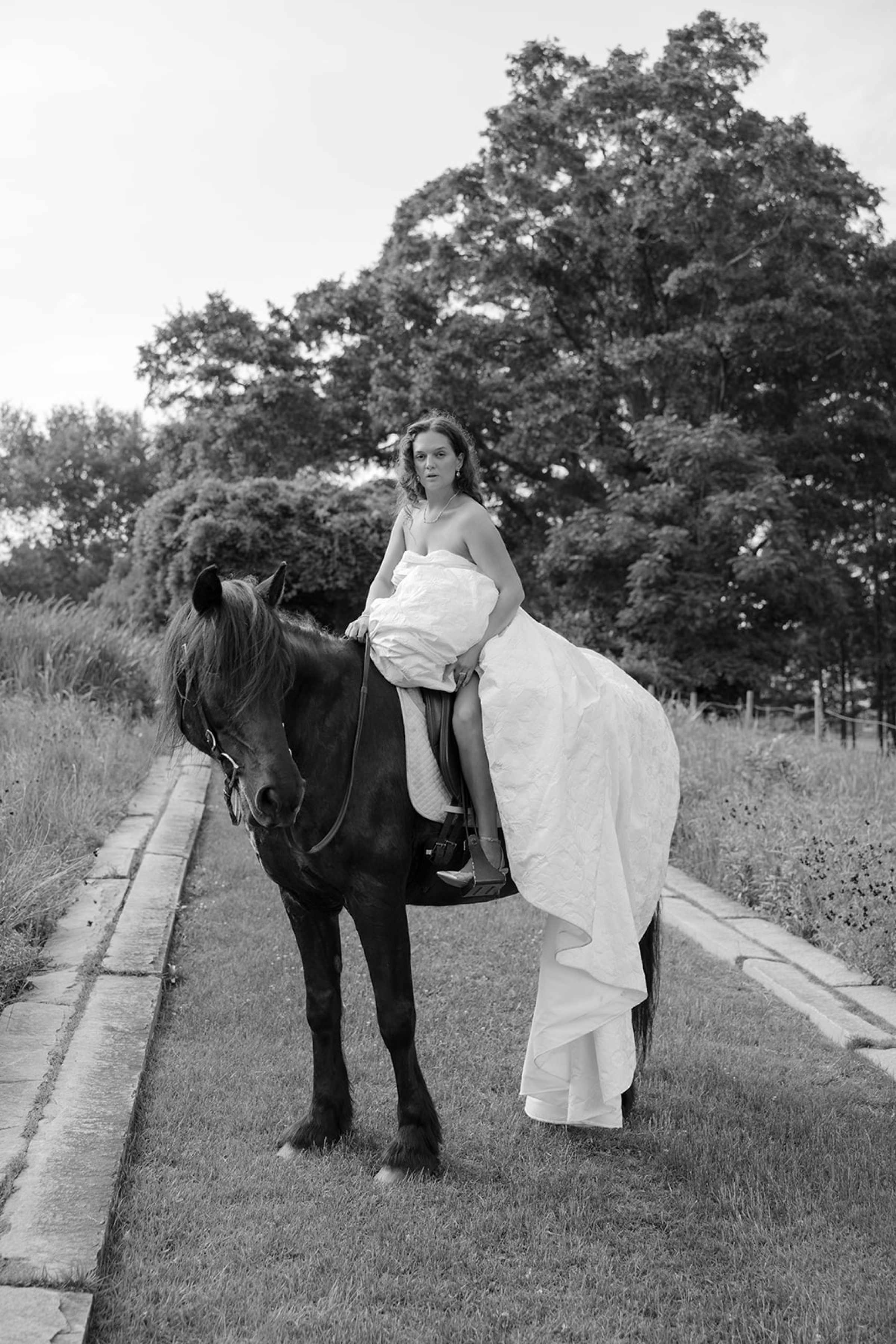
A strong wedding gallery should feel connected to the people at its heart, not simply to a recognizable aesthetic. What helps you make each story feel unmistakably personal to the couple?
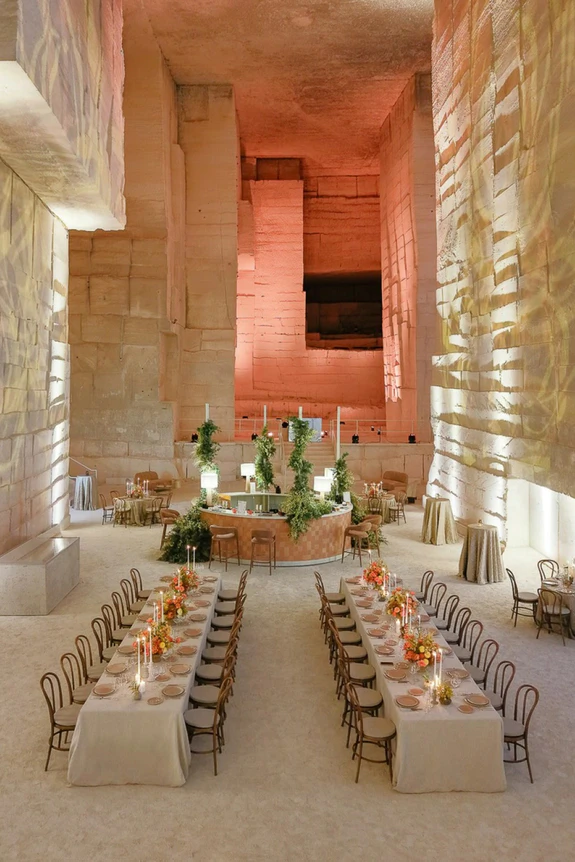
I make an intro session mandatory before the wedding. I deeply believe that, in order to capture the heart of the couple, you must know it. After that, I approach each day as if it were a puzzle, with each thread needing to be connected. You intertwine the couple's wants and the emotions at hand with what the venue can offer.
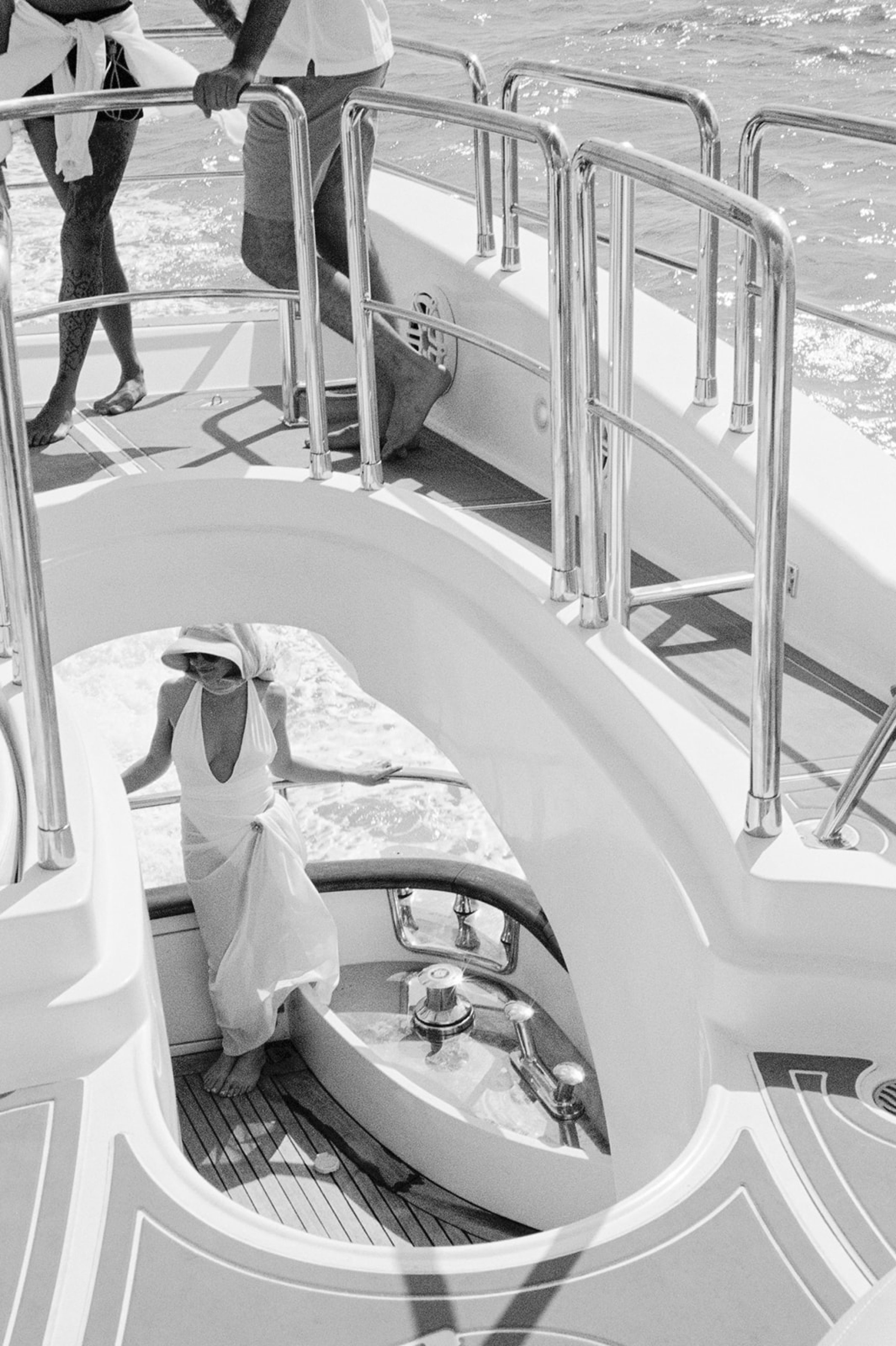
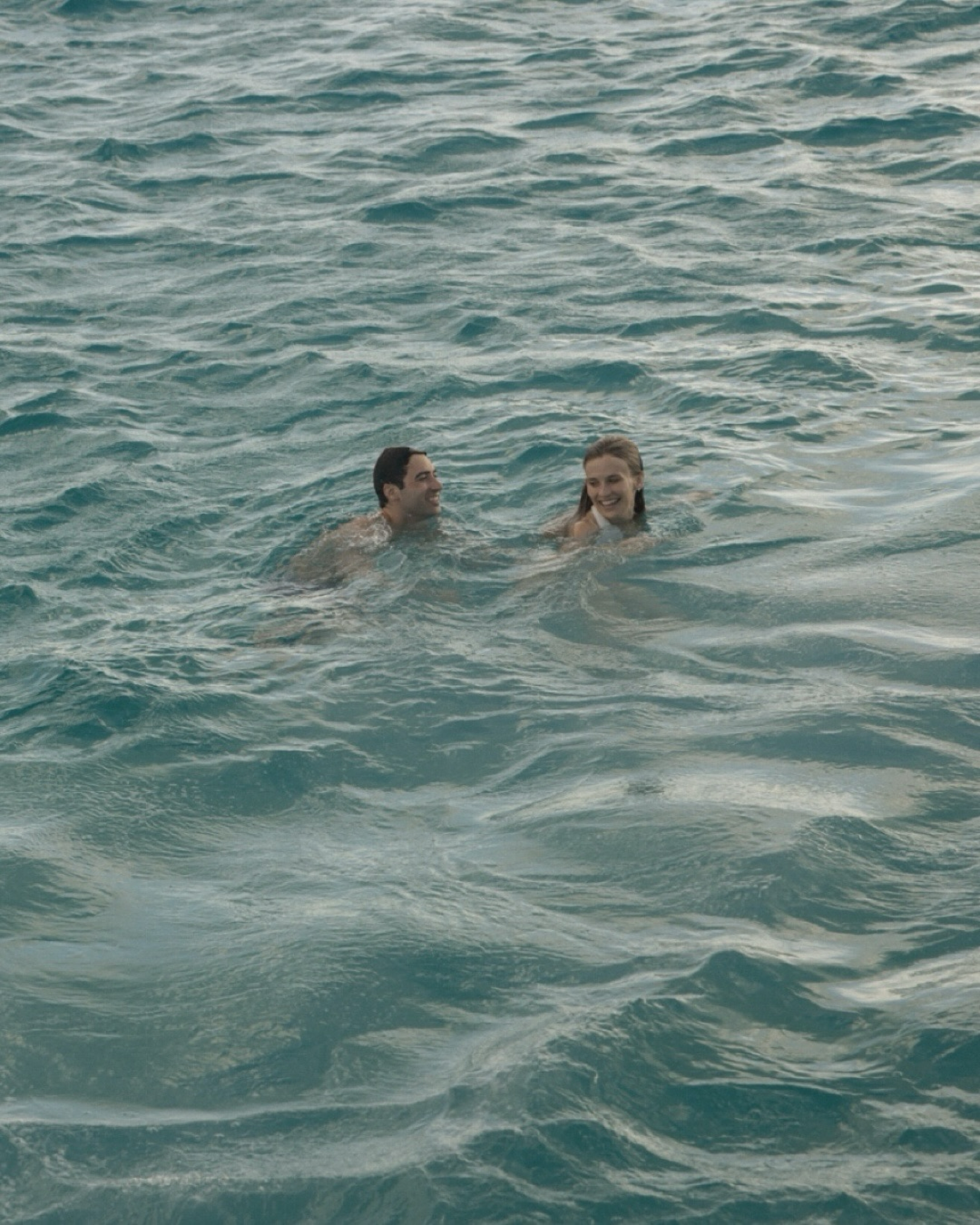
What do you think creates the difference between a couple looking natural in photographs and truly feeling relaxed, connected, and present?
I find that using portrait sessions to create a dialogue around the couple, how they met, their favorite moments together, and the things they love about each other encourages presence. I get to learn about them, while they get to reminisce about beloved moments as they interact with each other.
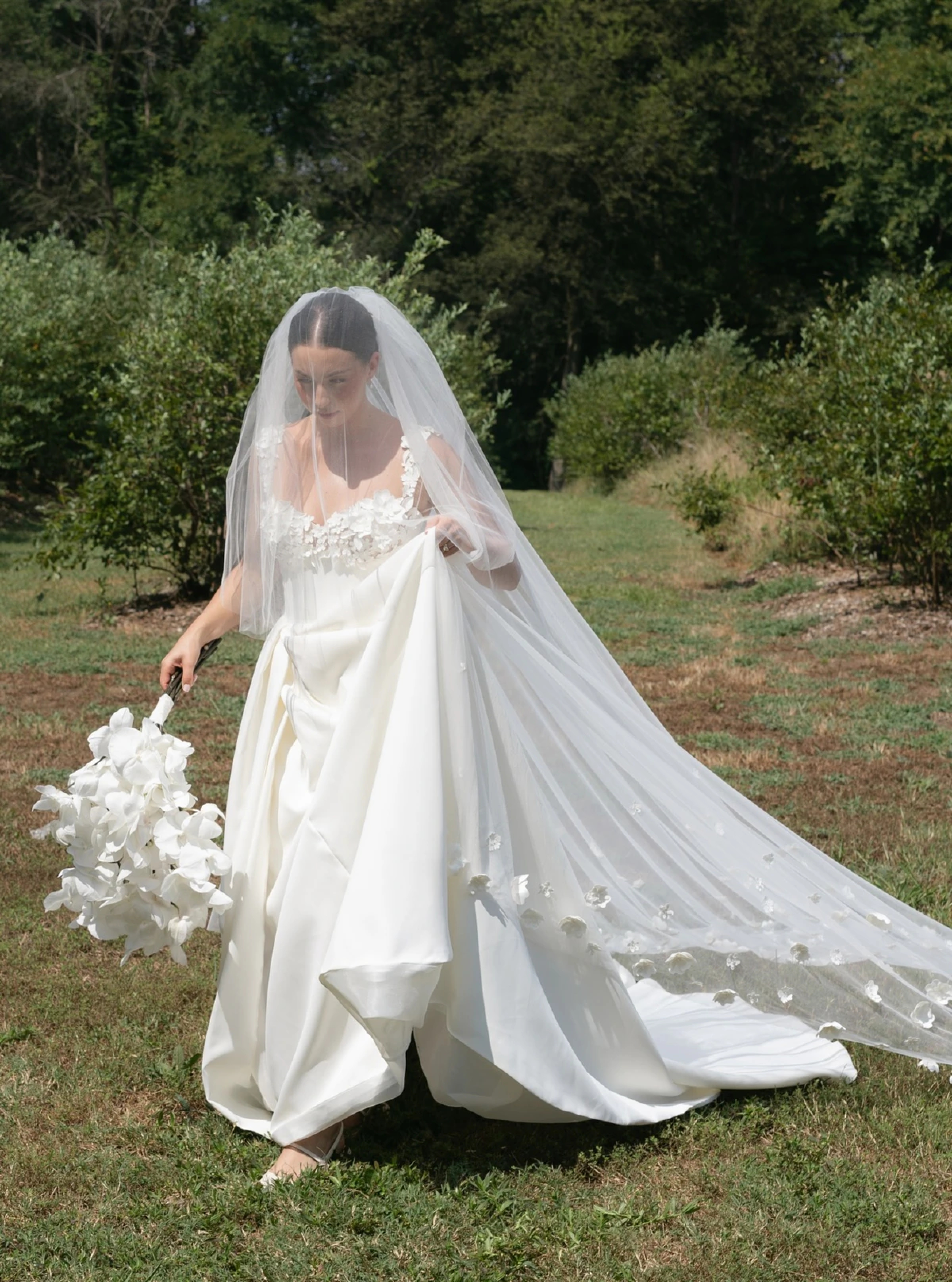
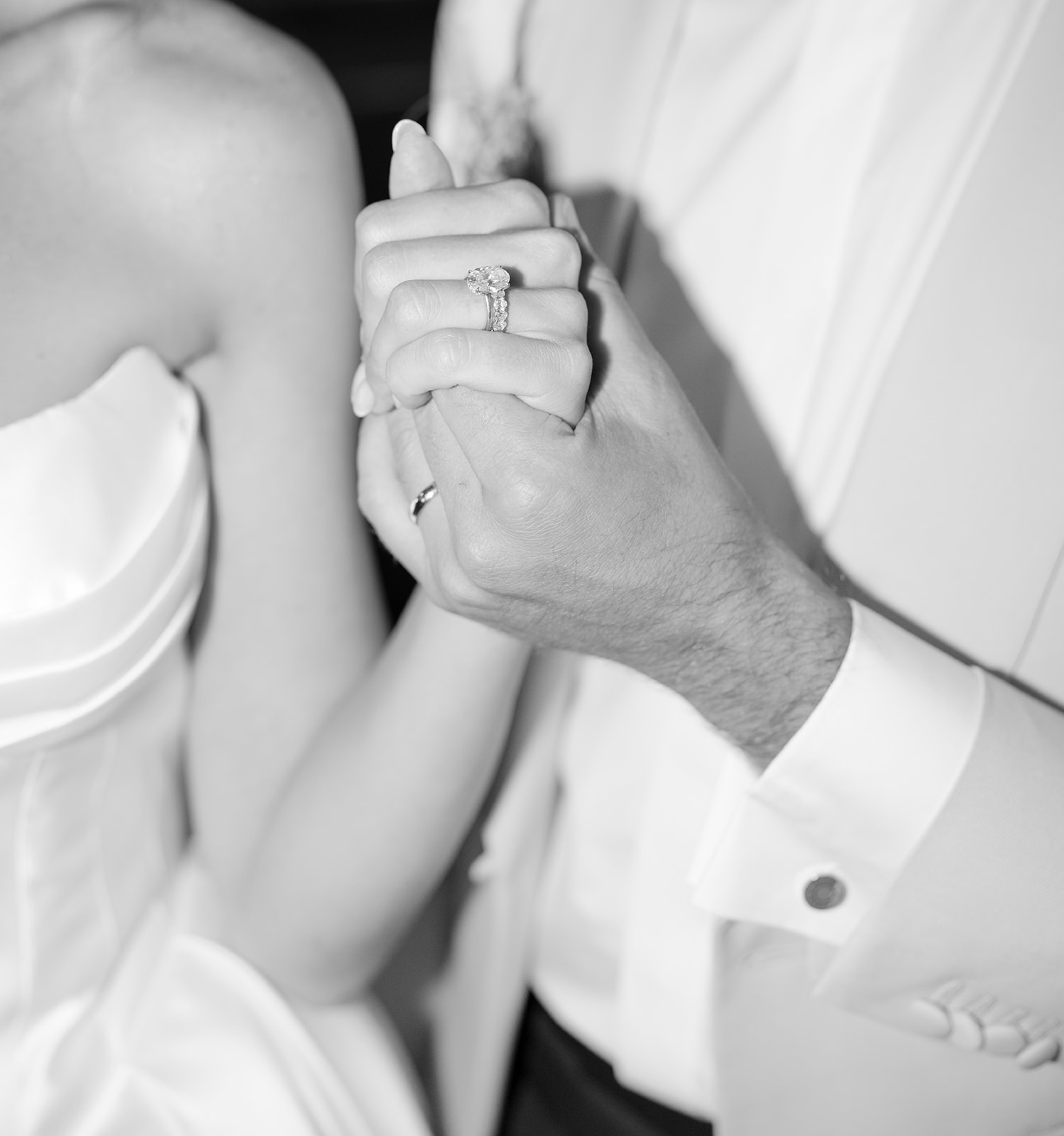
“I approach each day as if it were a puzzle, with each thread needing to be connected. You intertwine the couple's wants and the emotions at hand with what the venue can offer.”
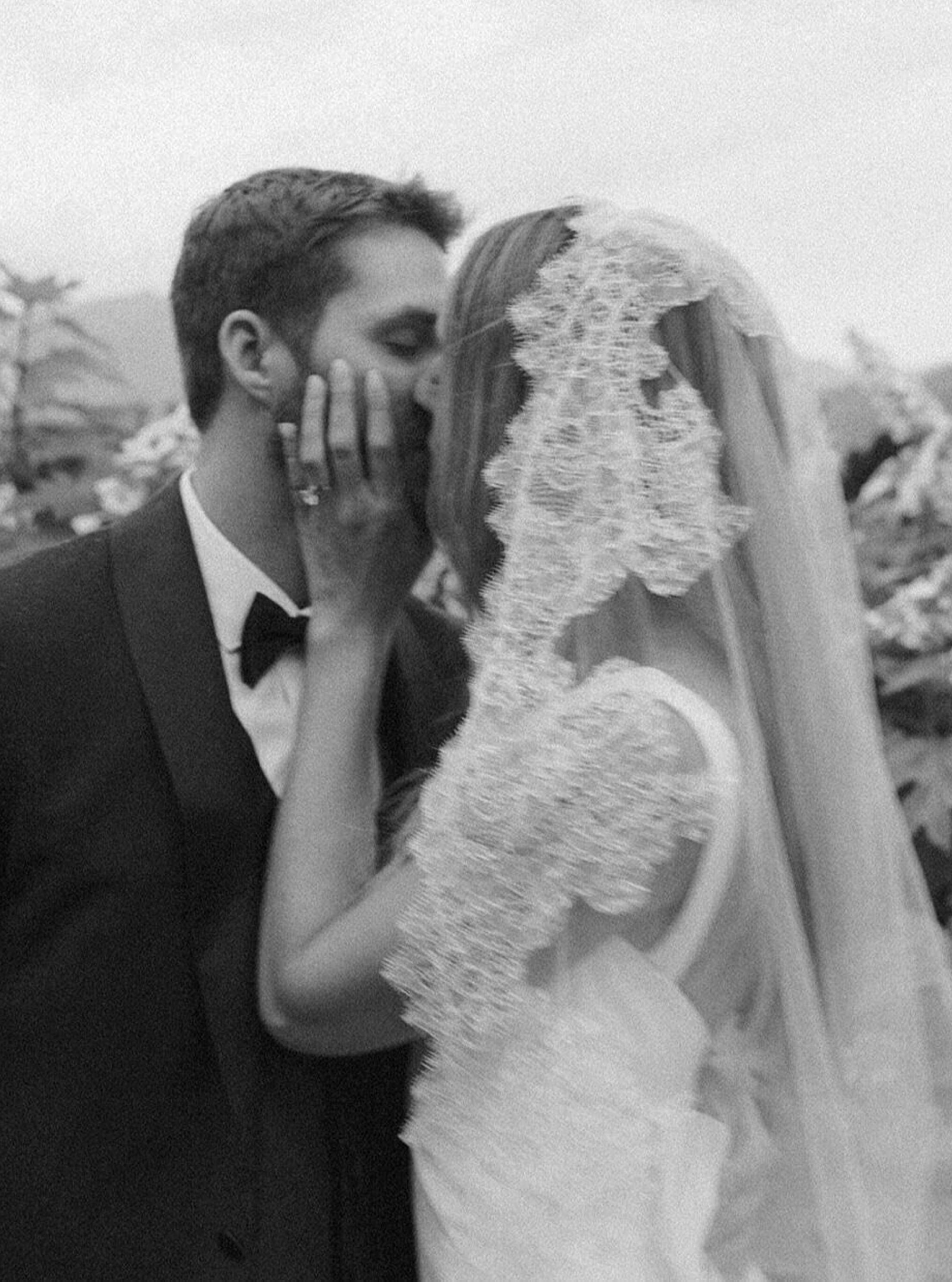
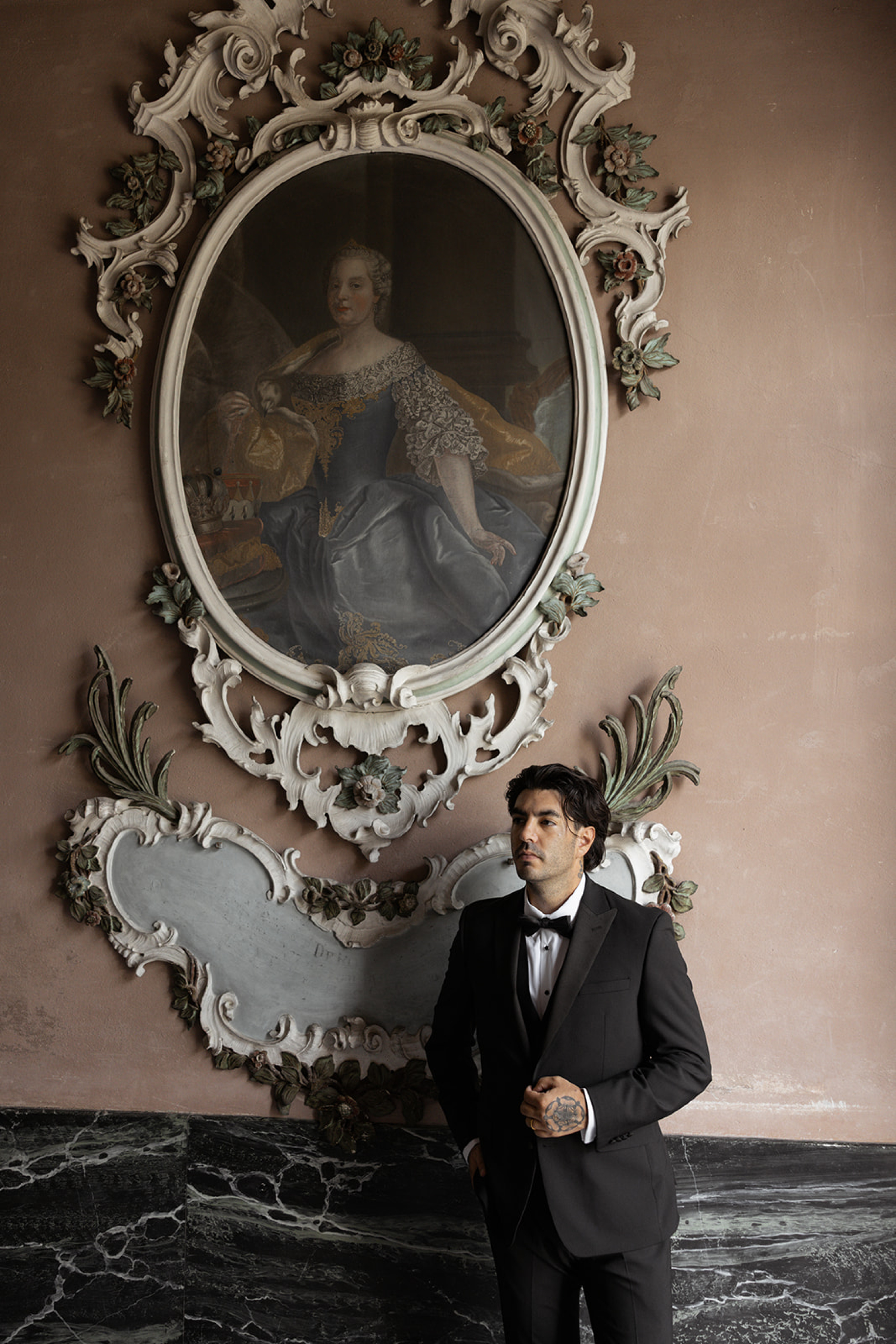
Loving a photographer’s portfolio is one part of the decision, but chemistry matters too. What else should couples pay attention to when deciding whether a photographer is genuinely the right fit for their wedding?
Outside of loving a photographer’s portfolio, I feel it’s an underrated need to understand it. How do they handle different lighting scenarios? How does that align with the vision and the venue? When viewing full galleries, couples should observe how a photographer navigates the lighting changes throughout the day. Do they expose for the highlights to retain detail, or do they overexpose to allow for lighter shadows? The same goes for lower-light settings: do they use flash or lean toward ambient light? For me, the priority is exposing for the highlights in a high-contrast setting. When the light drops, I’ll use flash intermittently or bring in a continuous strobe to create some variety.