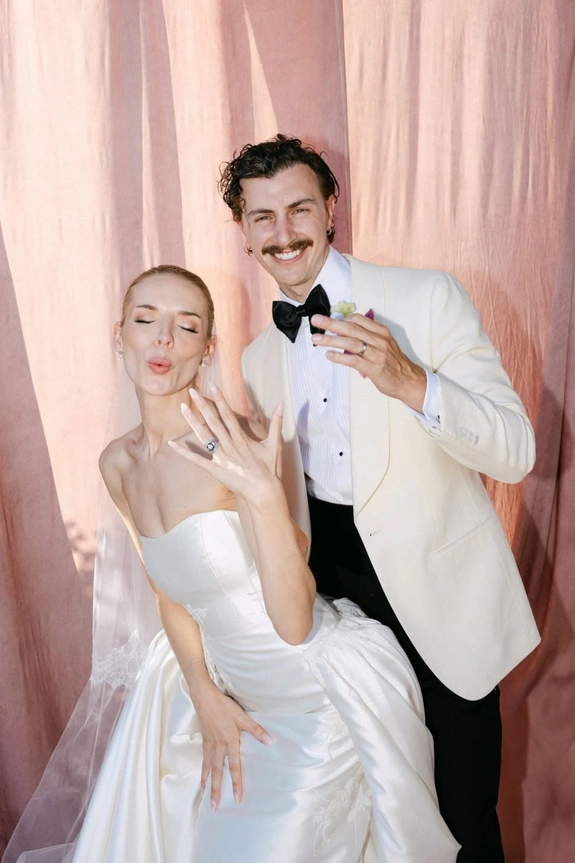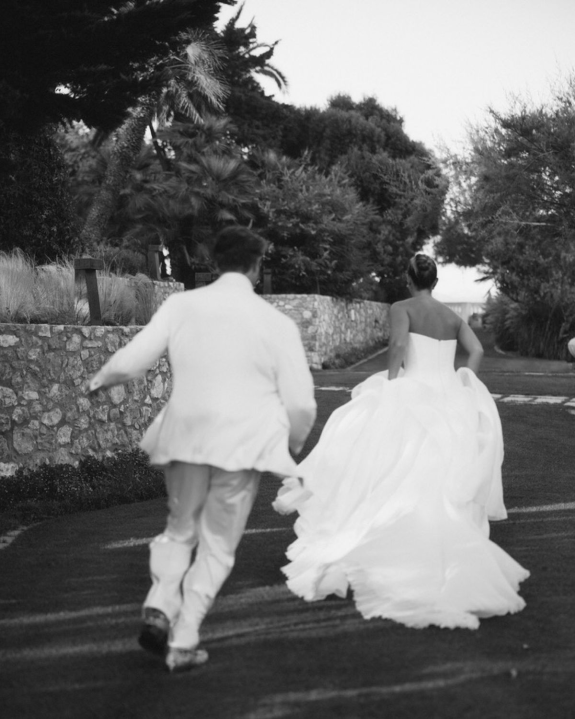
The word "posing" can sometimes sound a little intimidating, especially if being in front of a camera is not exactly part of your daily routine. Yet wedding photography today is far more fluid than the term suggests. It sits somewhere between first instinct and intention, with photographers reading the room, the light, the energy, and the people in front of them before deciding when to step in and when to let the moment breathe. We asked leading wedding photographers to unpack the most common misconceptions around posing for your photos and explain why the reality is often much more relaxed, responsive, and personalized than couples expect.
Myth 1: You Have to Be Photogenic to
Look Good in Wedding Photos
One of the most common misconceptions about wedding photography and posing is that some people are naturally more photogenic than others. Photographers, however, tend to see it differently. What matters far more is whether a couple feels confident enough to be completely themselves.
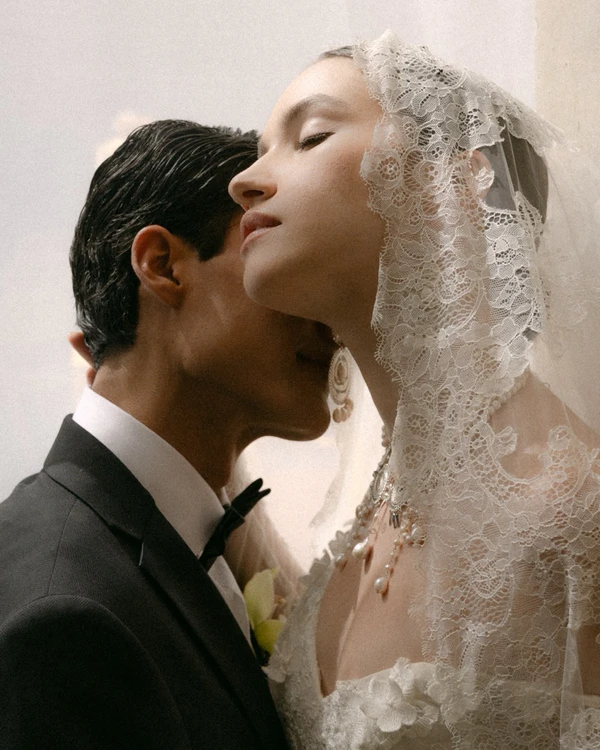
Spain-based wedding photographer Franco Gribodo, who has spent nearly a decade photographing weddings across Europe, hears this concern regularly. “Couples often talk about ‘being photogenic’ as if it’s a superpower you're either born with or not,” he shares. “You don't need to know how to pose to look incredible in your photos. The best images don't come from knowing how to angle your left foot at 45 degrees, they come from connection.”
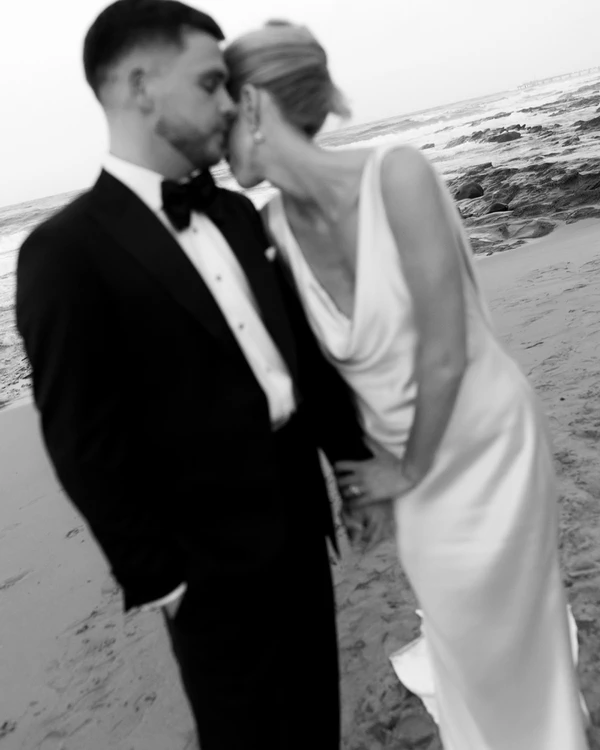
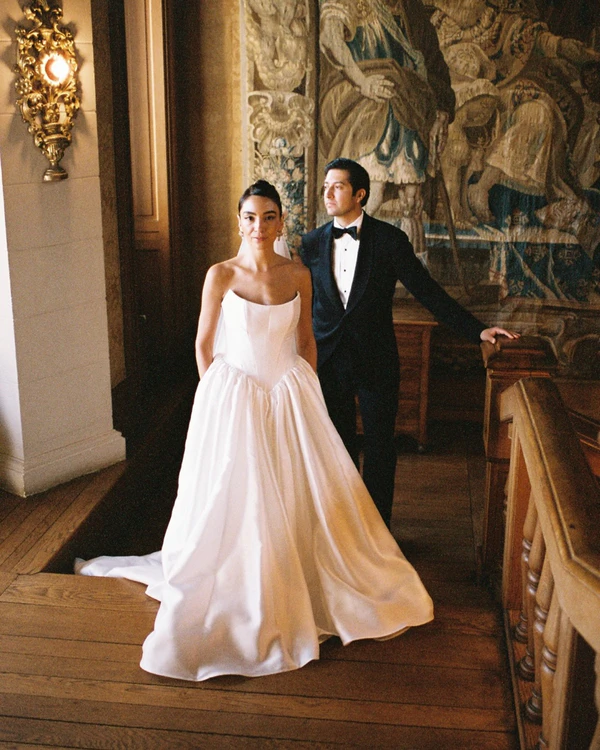
In practice, how you feel in front of the camera matters more than how experienced you are in front of it. London-based wedding photographer Lynn Shapiro agrees. “Being photogenic isn’t a fixed quality you either have or don’t. It’s often a question of whether you feel safe. I’ve watched people who swore they hated being photographed relax completely once they trusted the person behind the camera. Once someone feels comfortable and understood, the camera sees them very differently.”
Myth 2: Posing Will Make Your Photos Feel Stiff
For many couples, hearing the word "pose" brings to mind fixed smiles, awkward hand placements, and photographs that feel more performative than natural. But posing doesn't have to mean holding a rigid position or performing for the camera. Used thoughtfully, it can give couples just enough structure to settle into the moment, while leaving room for spontaneous expressions and interactions to unfold.
“One of the biggest misconceptions I see is that posing will feel stiff, or that you need to know how to perform in front of the camera to get good photos. But you absolutely don’t,” says Australia-based wedding photographer Ali Bailey. “On the wedding day, I’ll often start by giving the couple a starting point (and sometimes an end point) for a pose or action; this gives them something to do while I worry about the in-between moments. That's where the genuine, natural stuff happens!”
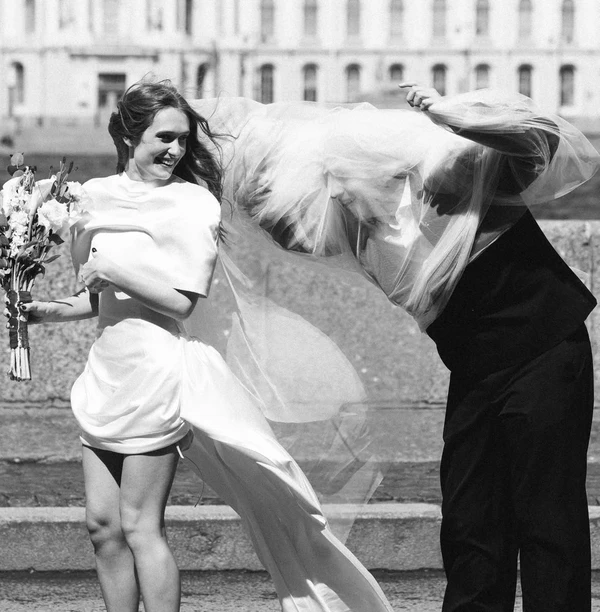
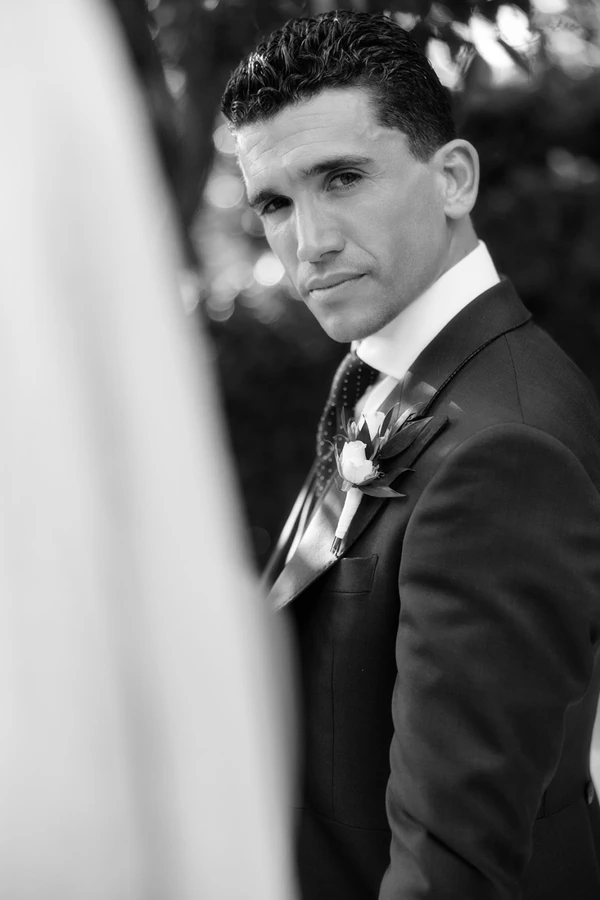
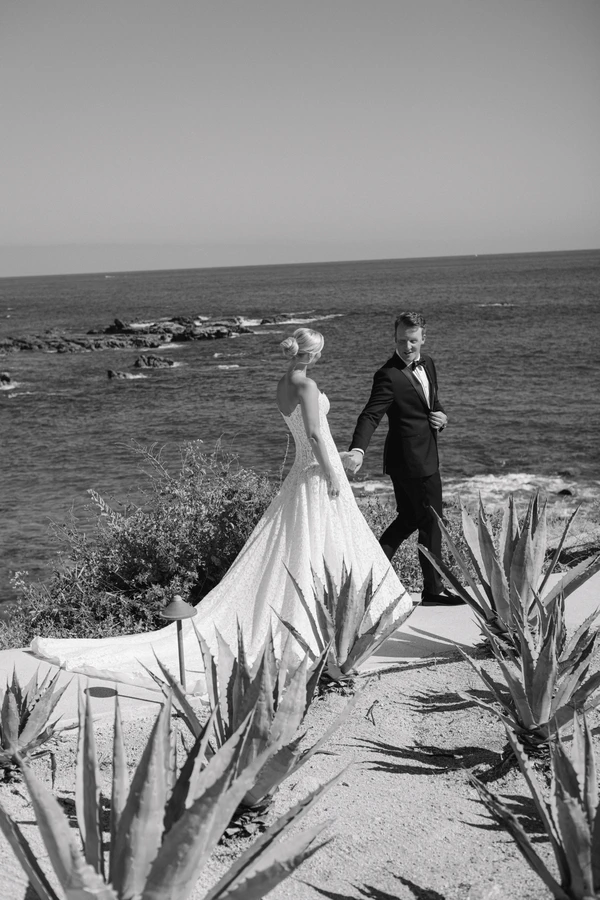
Romana Lilic, Mexico-based wedding photographer and co-founder of LA76 Photography, takes a similarly relaxed approach, treating a pose as a prompt rather than a finished composition. “Some of the most memorable photographs happen in the moments between the poses, when people forget about the camera altogether.”
Myth 3: Your Photographer Will Direct
Every Single Moment
Beyond worries about stiff-looking photos is the fear of being constantly directed. Yet a wedding photographer’s role is not to choreograph every second of the day. In fact, effective direction rarely takes the form of strict instructions. It is usually lighter and more responsive, giving couples something to work with without dictating how the interaction unfolds.
For Franco Gribodo, that means moving away from formulaic direction in favor of simple cues that give couples something natural to respond to. “While I will absolutely guide and direct you (what we call active prompting), I will never ask you to freeze like statues. Instead of saying, ‘put your hand here and stare at the horizon,’ I prefer to give an action: ‘walk toward me while whispering a secret in their ear,’ or ‘hug each other like you haven't seen each other in years.’”
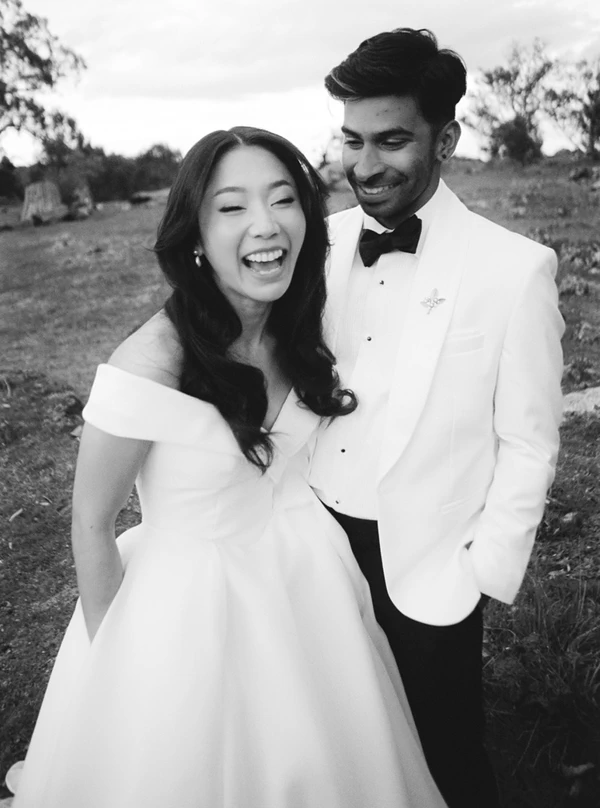
Lynn Shapiro sees thoughtful direction as a framework rather than a performance. “Subtle guidance around light, posture or movement can help a couple look their best while still allowing the moment to feel honest. Good direction should never feel like performing. It should simply create space for something genuine to happen.”
This gentle guidance should support the couple instead of overpowering the moment. “A little direction can help couples look and feel their best, but the aim is never perfectly posed photos, it’s creating images that feel authentically like them,” says Ali Bailey.
Myth 4: You Always Need to Look at the
Camera for a Good Photo
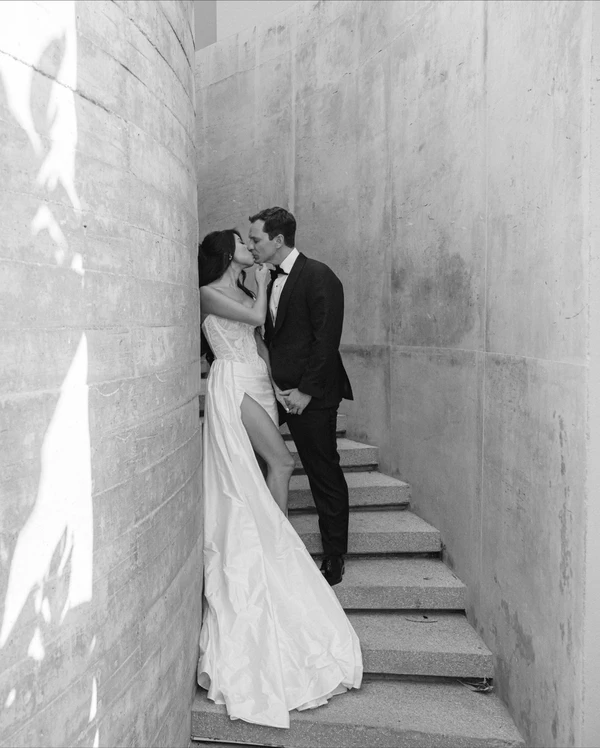
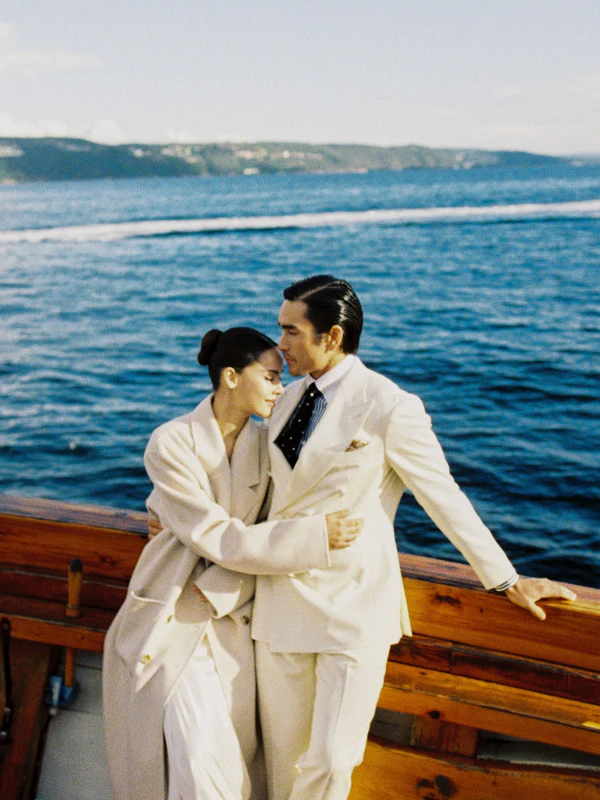
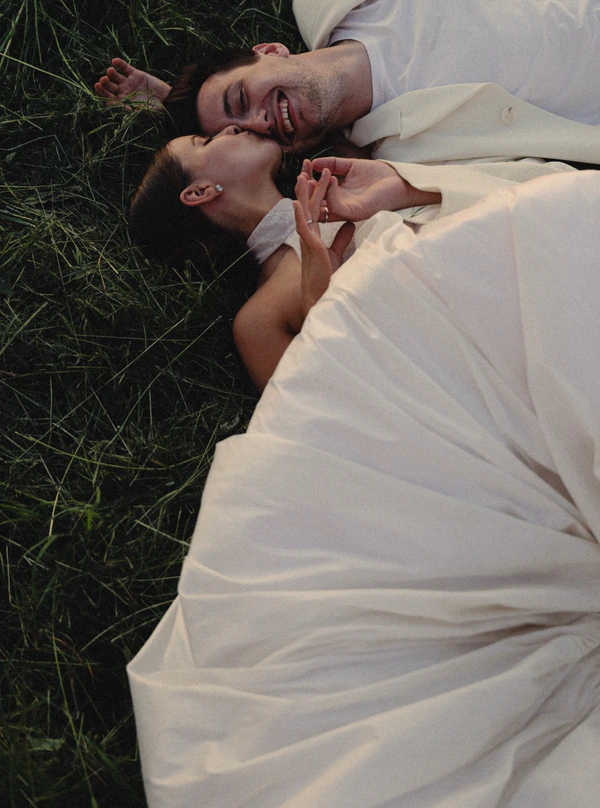
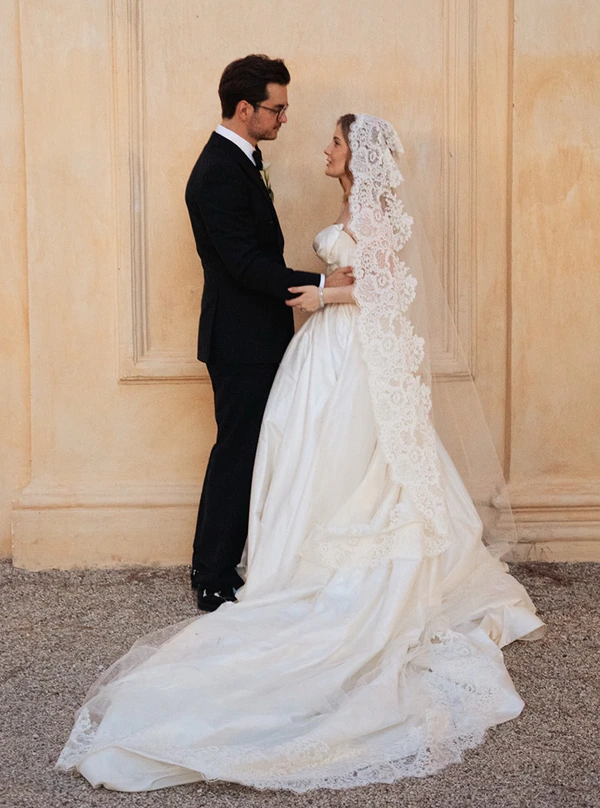
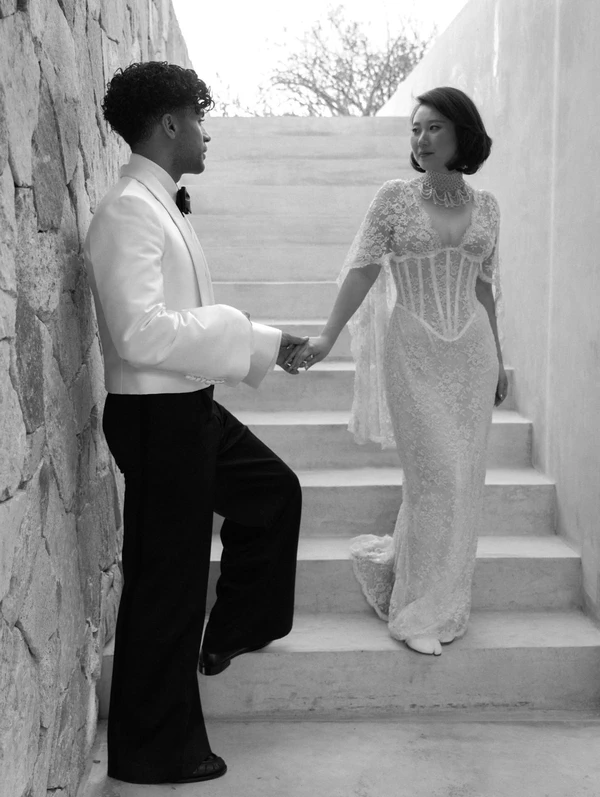
The camera may be there, but that doesn't mean all your photos need to be facing it. Direct-to-camera portraits have their place, but they are only one part of a varied and expressive wedding gallery. Wedding photographer Franco Gribodo always encourages his couples to look beyond the lens. The classic, looking-straight-at-the-lens family portrait absolutely has its place, but the heartbeat of your wedding gallery lies elsewhere,” he says. “The photos that will make you smile ten years from now are the ones where you are looking at each other, laughing at an inside joke, or sharing a quiet, stolen moment amidst the beautiful chaos of the day.”
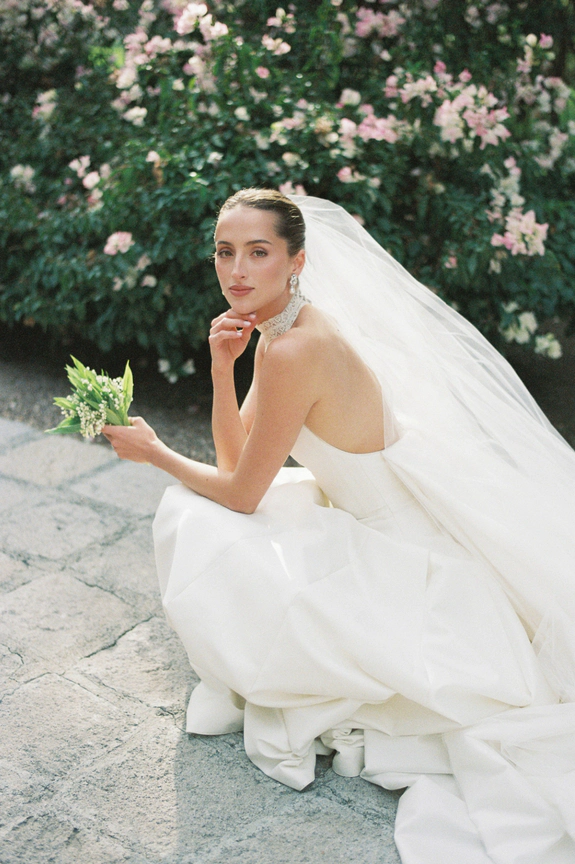
Lynn Shapiro adds that looking away from the camera doesn't make a portrait any less considered. “Some of my favorite portraits happen when couples are absorbed in each other rather than be aware of the lens. Looking directly at the camera can be powerful, but it should feel intentional, not automatic. A photograph can still feel composed and editorial while conveying movement, connection and a genuine sense of the moment.”
Myth 5: The Same Formula
Works for Every Couple
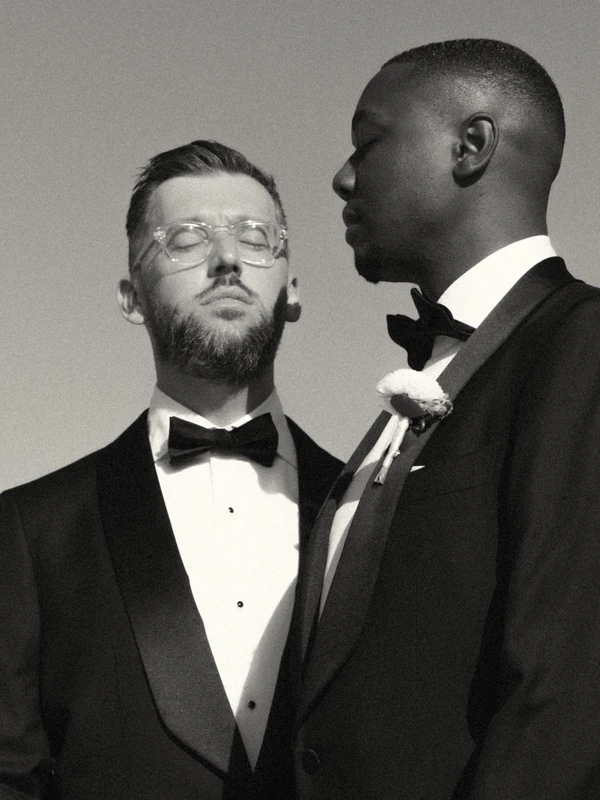
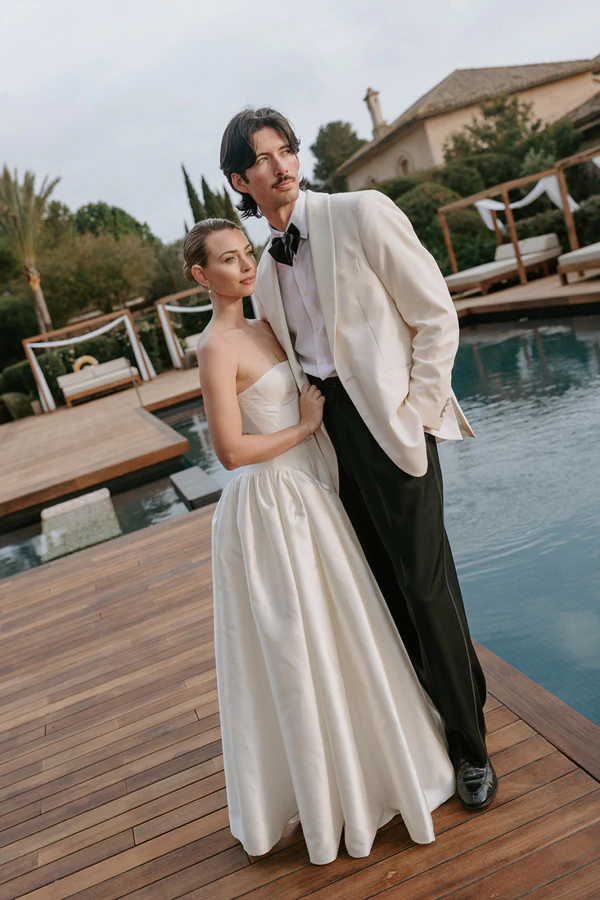
Wedding photographs saved from Pinterest or Instagram can be a valuable source of inspiration, but there is no one-size-fits-all formula for posing. A composition that works beautifully for one couple may feel less natural or flattering for another, depending on their proportions, personalities, the way they interact, and the setting in which they are being photographed.
“Pinterest is a wonderful tool for aesthetic inspiration, but trying to copy-paste someone else's photos is a dangerous trap,” says Franco Gribodo. “Every couple has a unique energy, a different height dynamic, and every wedding has its own light and surroundings.” His advice is to treat references as a creative starting point rather than a shot-by-shot brief. “Let your wedding have its own soul. Use inspiration as a starting point, not a blueprint.”
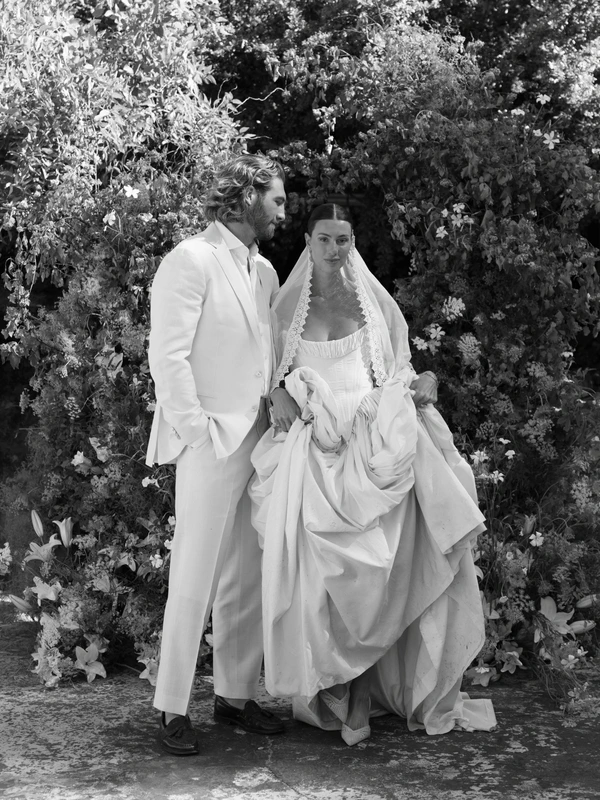
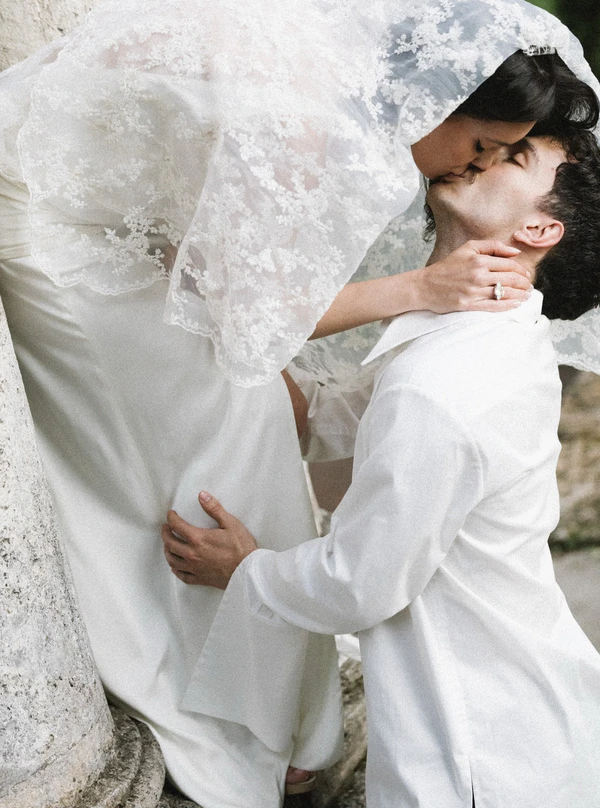
Ali Bailey begins tailoring her approach long before the wedding day. “My goal is always for couples to recognise themselves in their photos. From our very first meeting, I’m getting a feel for who they are and how they naturally interact, whether they’re quiet and reserved or playful and energetic.” Understanding that dynamic allows the photographer to create images shaped around the couple in front of the lens, rather than replicas of someone else’s wedding.
Myth 6: The Setting Is Just a Backdrop
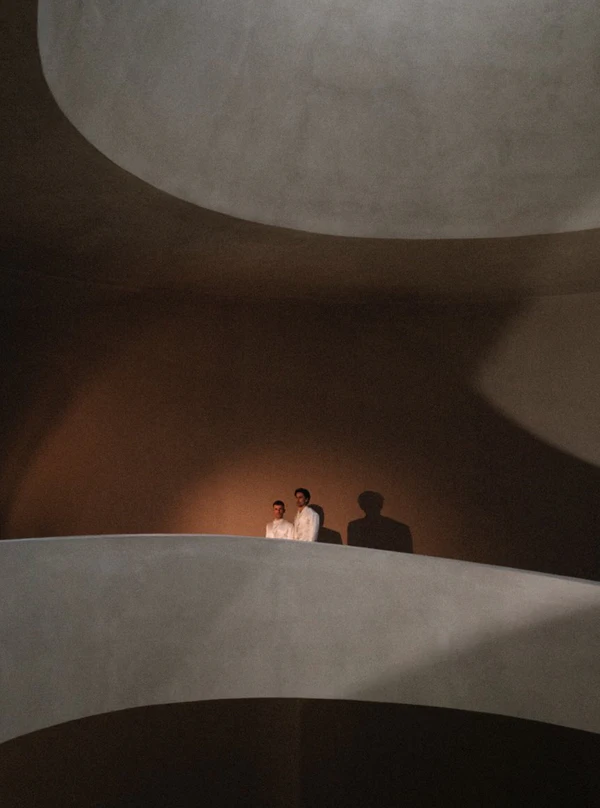
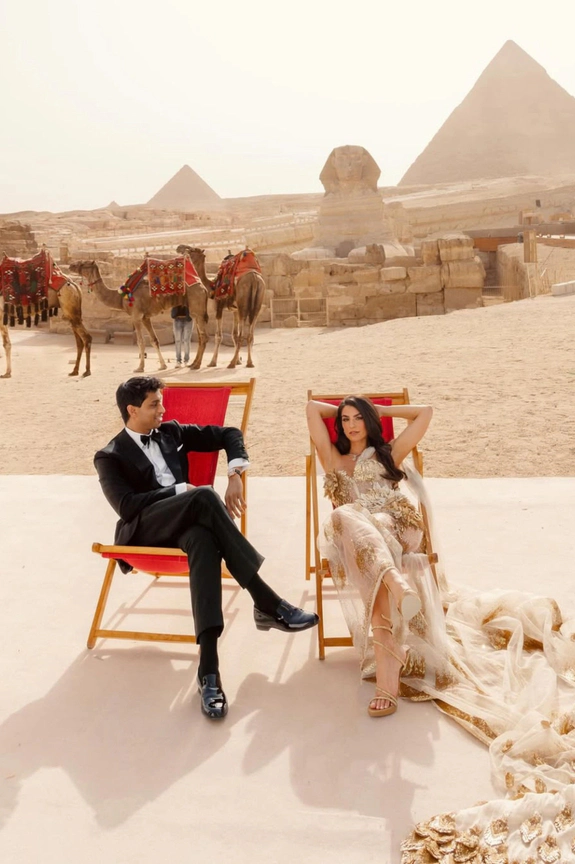
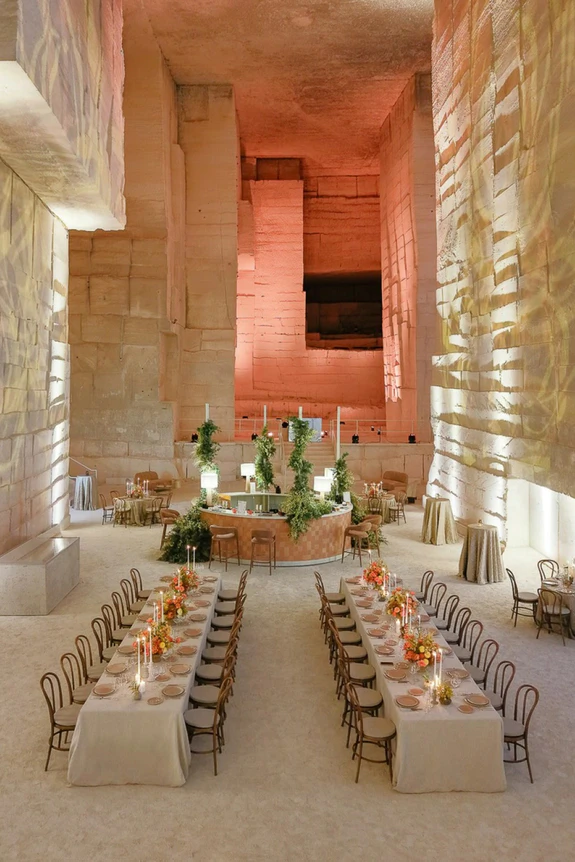
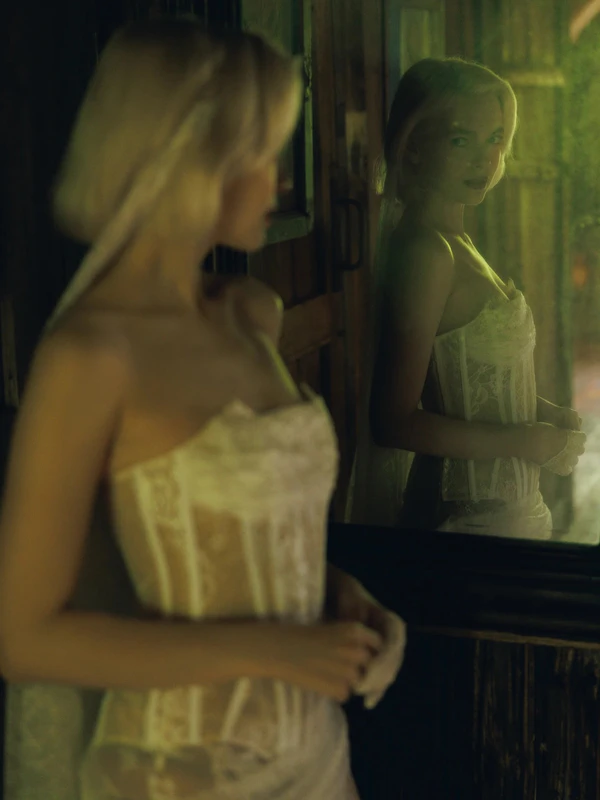
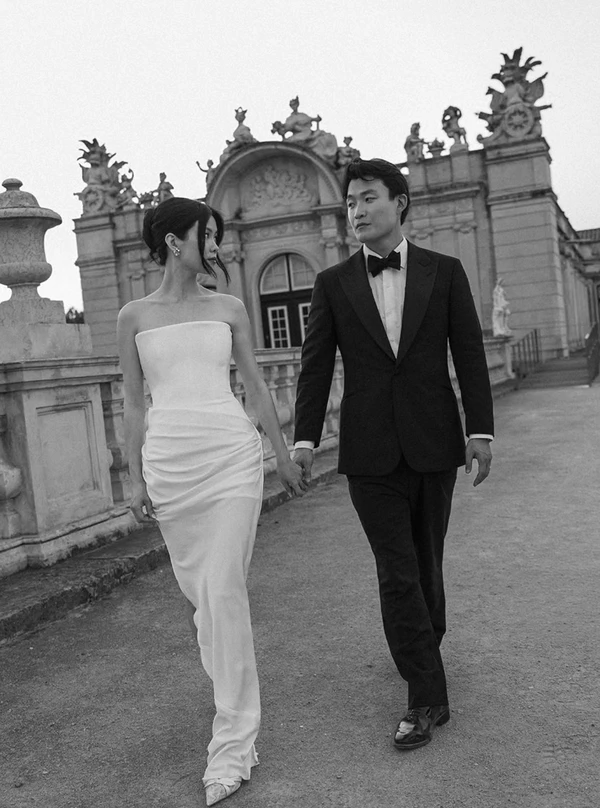
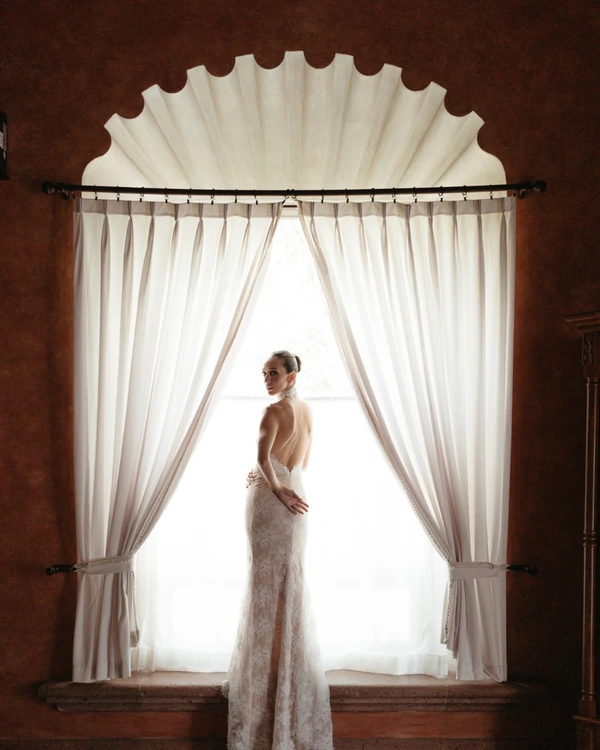
What makes a great wedding photograph? The people in it, of course. However the setting has more influence than couples might realize. Rather than serving as a passive backdrop, a location brings its own energy into the frame. LA76 Photography treats the setting as an active part of the image, allowing its architecture and light to shape how the moment is seen and remembered. “We love weaving architecture, landscapes, and light into our images because those details become part of the memory too. Years from now, couples remember not only how they looked, but also how beautiful was the sunset, how amazing was the setting, how that place made them feel. For us, wedding photography is about creating a visual legacy that brings people back to those memories every time they look at their photographs.”