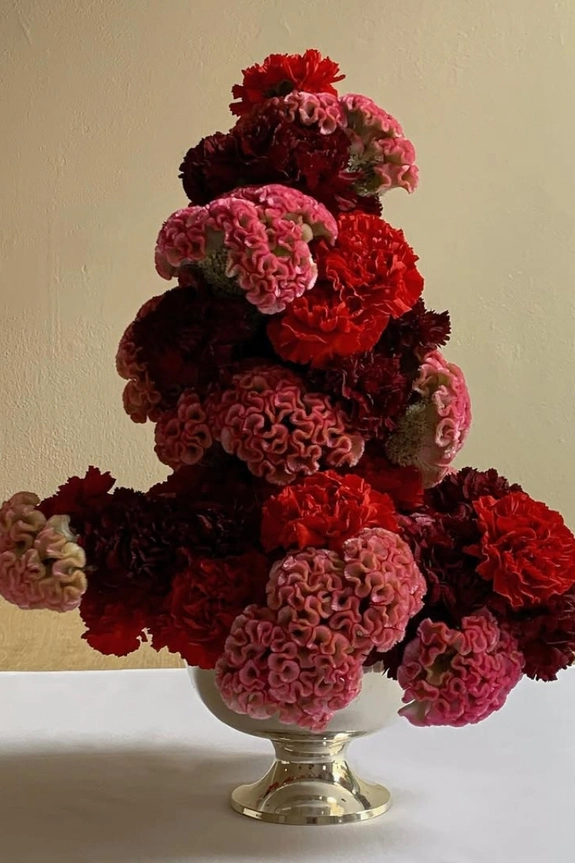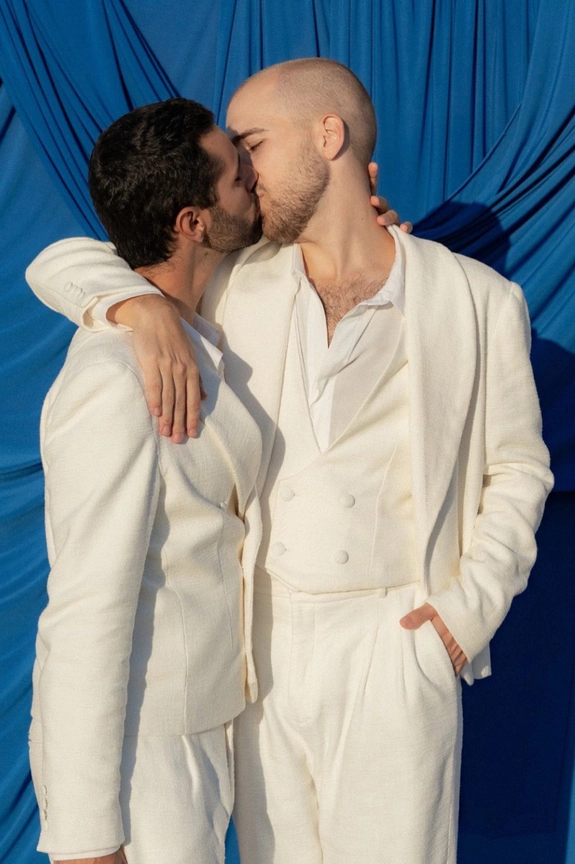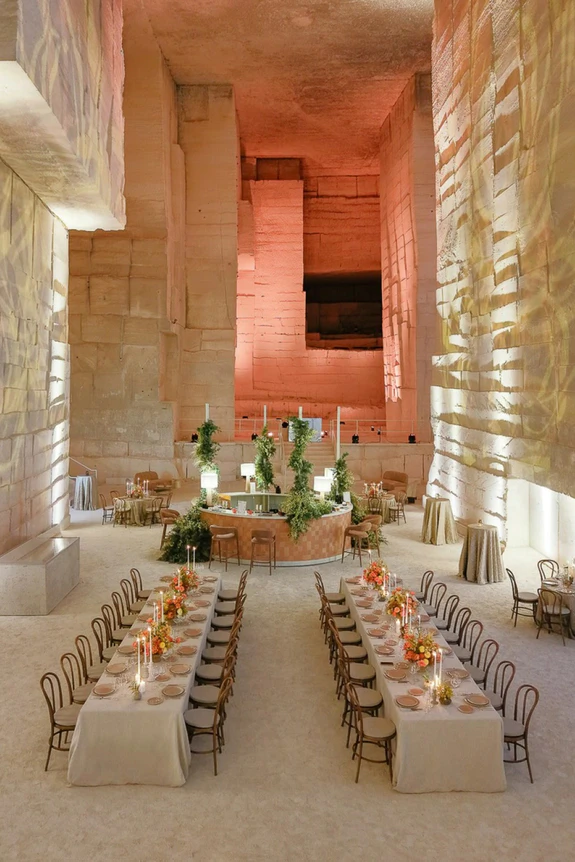
Meet Brancoprata, a Portugal-based multidisciplinary studio shaped by two distinct creative practices: floral styling, led by Sofia Ferreira, and photography, led by André Teixeira. Each takes on its own projects, yet working under one roof keeps a constant exchange of ideas. Sofia thinks in texture, movement, scale, and atmosphere; André in light, composition, and the fleeting moments that give a day its emotional weight. Most often, their work unfolds independently, but when the two disciplines meet on the same celebration, they create something beautiful together. More than two decades after Brancoprata first took shape, we spoke with the duo about the creative instincts behind their work, the ways floral styling and photography continue to shape one another, and why the most memorable weddings are often the ones that resist a formula.
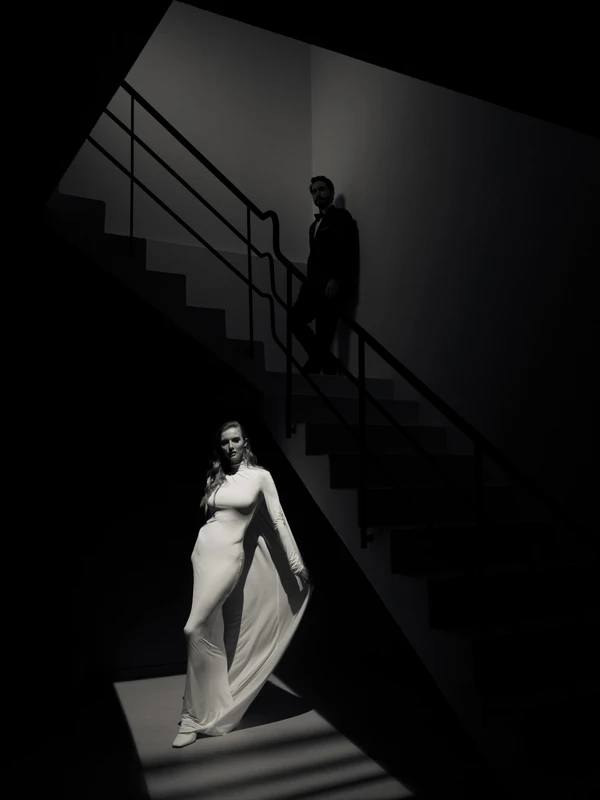
How did Brancoprata first come to life, and how has that original idea evolved over the years?
Brancoprata began in 2003 from a shared need to build something creative of our own. At the time, I (Sofia) was finishing a degree in Pure Mathematics and André was already working as a photographer, including weddings as an associate shooter. We could feel there was room in the wedding world for a different kind of approach (more design-led, more intentional), so we started Brancoprata focusing on decor projects and stationery. In those early years, André stepped away from wedding photography as digital began to take over. He had grown up with film, and the first wave of digital didn’t match the feeling he was looking for, so the studio’s energy went fully into the creative services we were offering.
As our clients’ needs evolved, so did we. We gradually moved from stationery and decor into floral styling, and later André returned to photography, this time in a way that felt aligned with our aesthetic and our pace. The studio, as it exists today, is the clearest expression of that evolution. In 2024, when we found our current space, we understood it wasn’t just a new address. It was the next chapter: a multidisciplinary home for floral styling and photography, and a place we can open to other creatives for shoots, workshops, classes, and exhibitions. A working studio, but also a space where creativity can happen loudly.
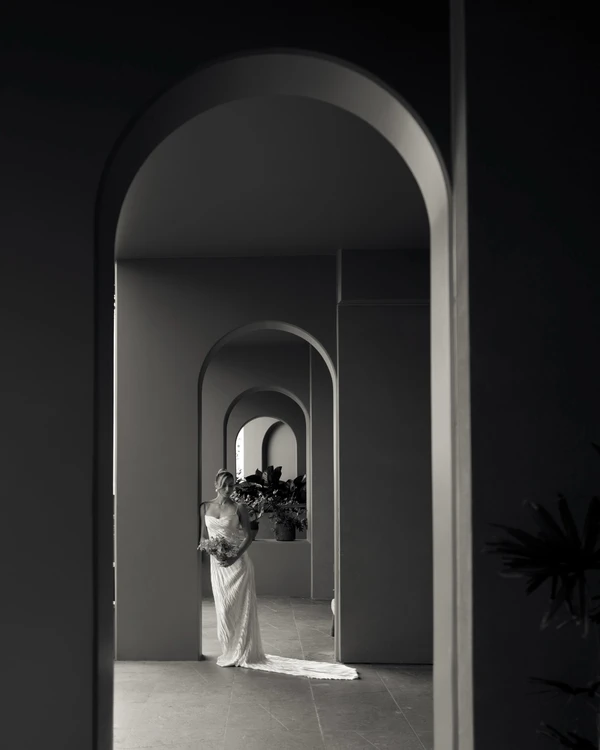
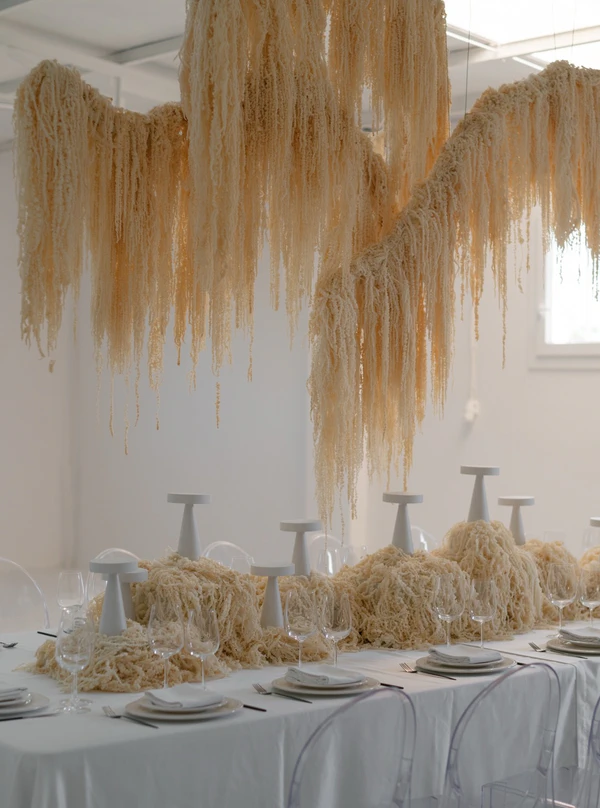
Brancoprata is a multidisciplinary studio bringing two distinct creative practices under one roof. What value does this bring to couples that they can't find elsewhere?
Bringing photography and floral styling under the same roof means couples aren’t juggling separate teams with separate languages. From the first conversation, everything is built as one visual world: the flowers, the unexpected materials, the space, the light, the textures, the pacing of the day, and the way it will be photographed. That alignment changes the whole experience: fewer compromises, fewer handovers, and a lot more purpose. It also gives couples something rarer: a studio that can think as both stylists and image-makers at the same time.
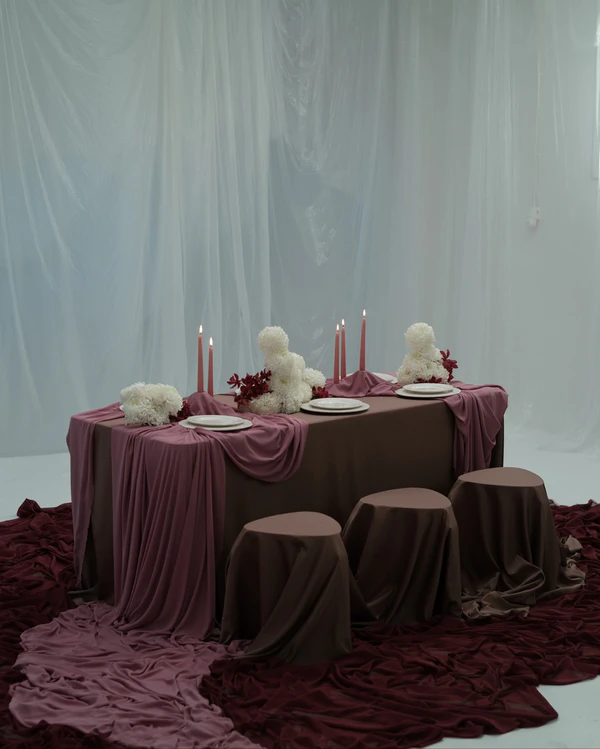
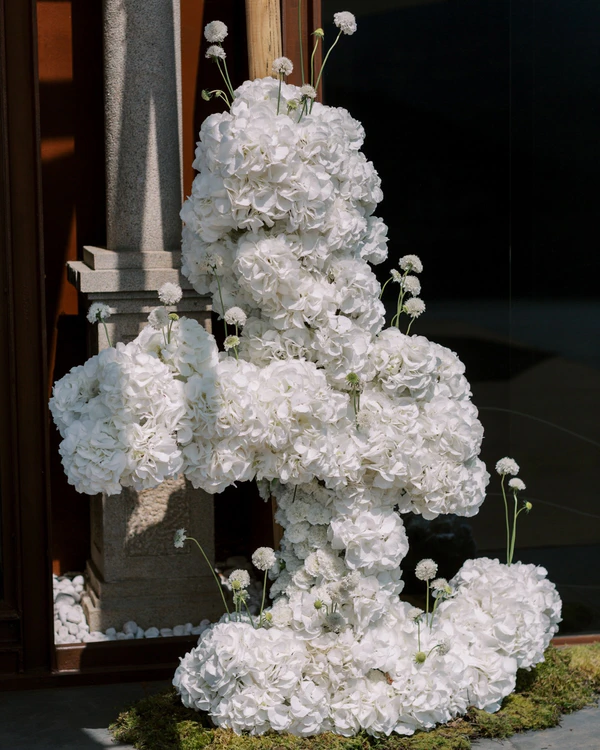
My team and I are building atmosphere and structure through florals; André & his team are reading the day through light and composition. As we’re shaping and documenting the same story together, we can make bolder choices: installations, unexpected materials, strong color, negative space, and know exactly how they’ll live in real life and in the final images.
And finally, it’s a calmer way to plan. We’ve been doing this for over two decades, and our process is tight: one team for floral styling, one team for photography, one timeline, one creative direction, with the flexibility to scale from intimate to high-production destination weddings. Couples come to us when they want something distinct, not a copy of what they’ve seen before, and they want it delivered with clarity, craft, and a bit of wildness.
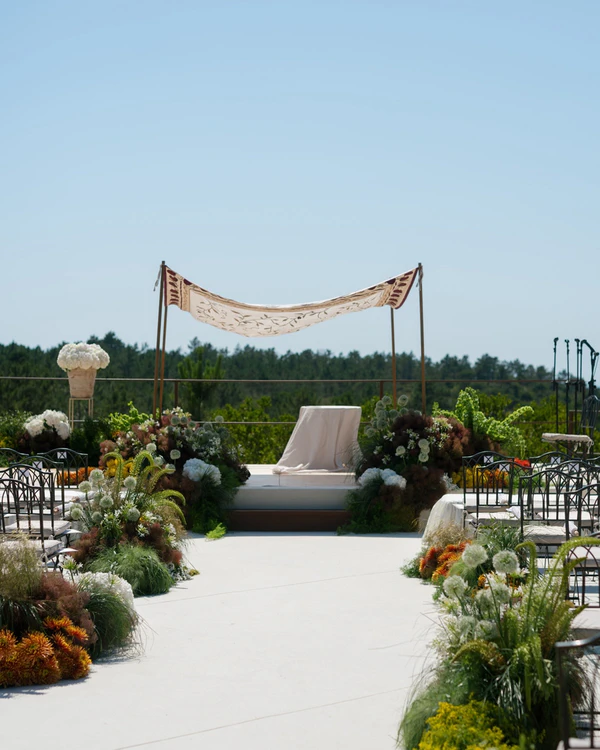
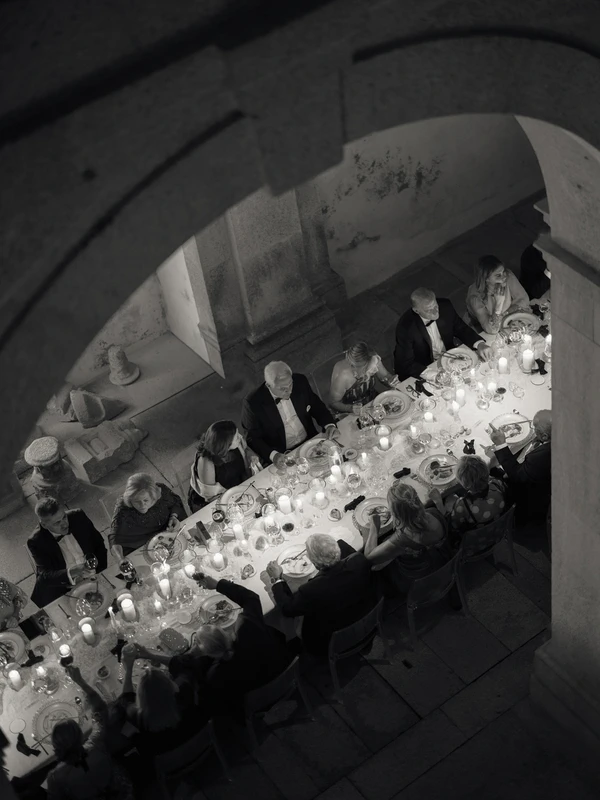
Although your projects are often separate, photography and floral design both inherently deal with atmosphere, composition, emotion, and memory. Where do your creative perspectives naturally intersect?
Our perspectives intersect in the way we both build a scene. I do it with volume, texture, movement and scent; André does it with light, framing and timing. One is shaping the physical space; the other is shaping how it will be remembered. But we’re both chasing the same thing: atmosphere that feels real, not staged.
We also meet in composition. We’re drawn to strong lines, negative space, and details that hold tension: a gesture that’s slightly untamed, a material that isn’t “supposed” to be there, a color that shifts with the weather. That’s where floral styling and photography become the same practice in different languages: deciding what to include, what to remove, and where the eye should land.
And emotion is the final overlap. We’re not interested in manufacturing moments; we’re interested in creating the conditions for them. When the environment feels intentional and alive, people relax into it, and that’s when the honest memories happen.
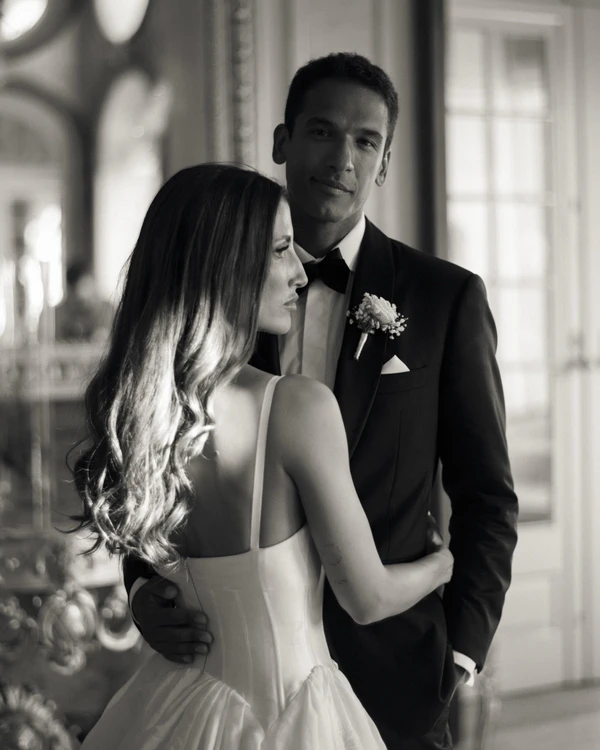
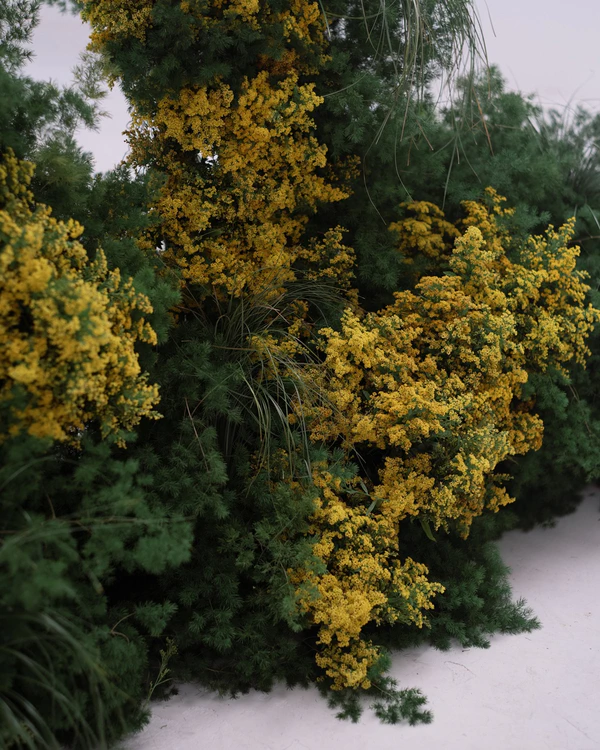
“We’re not interested in manufacturing moments; we’re interested in creating the conditions for them. When the environment feels intentional and alive, people relax into it, and that’s when the honest memories happen.”
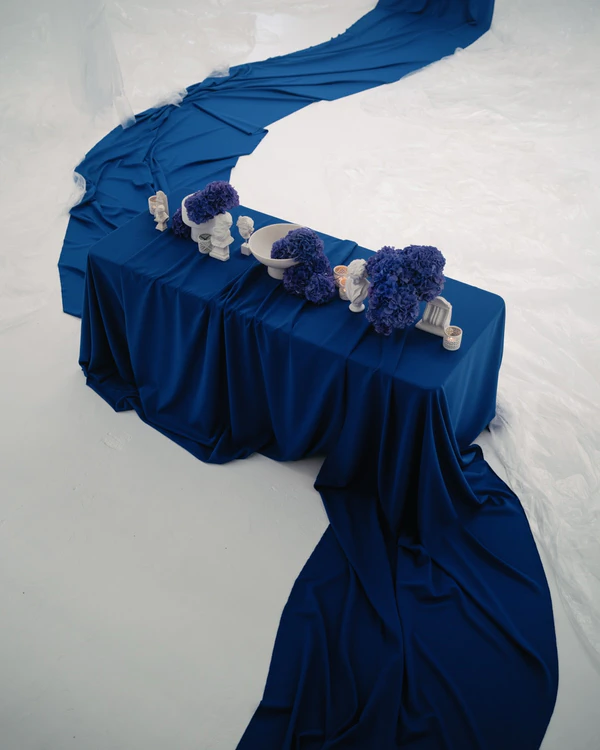
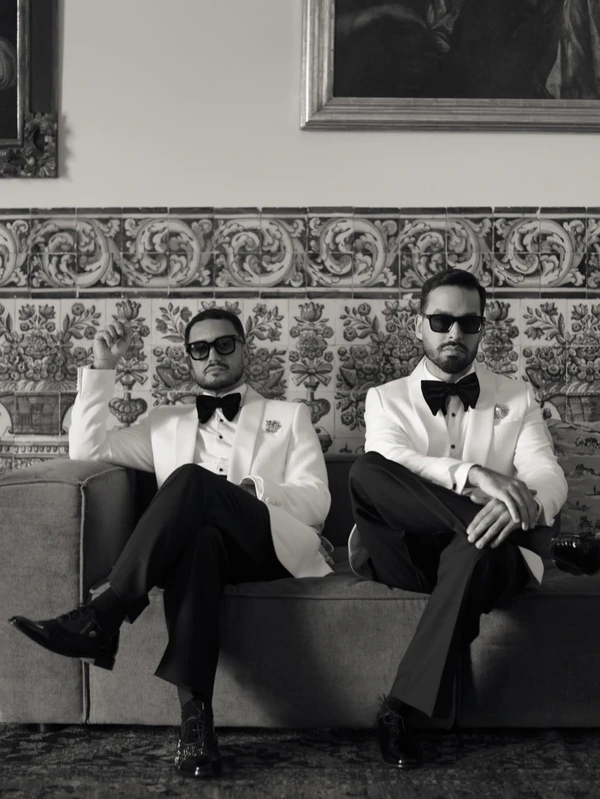
André, your photographs feel both carefully composed and emotionally unguarded. How do you find that balance between an editorial image and a moment that feels completely unplanned?
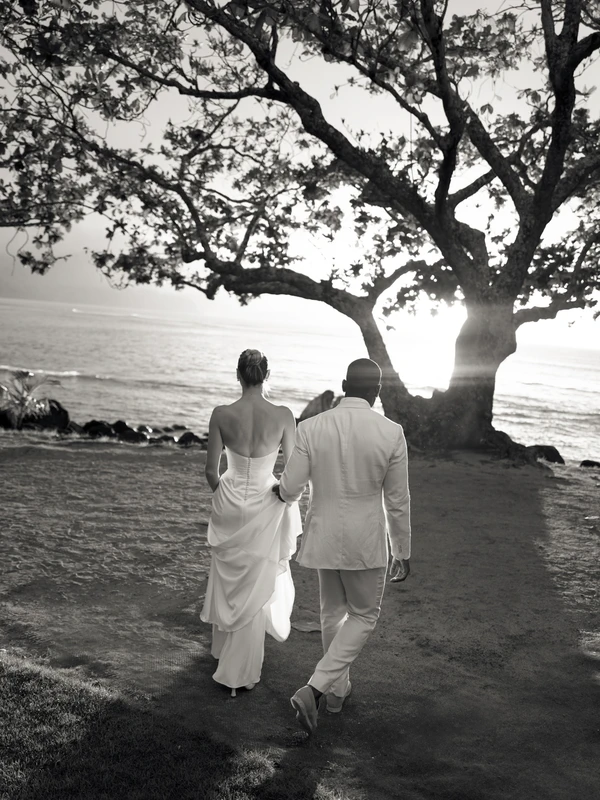
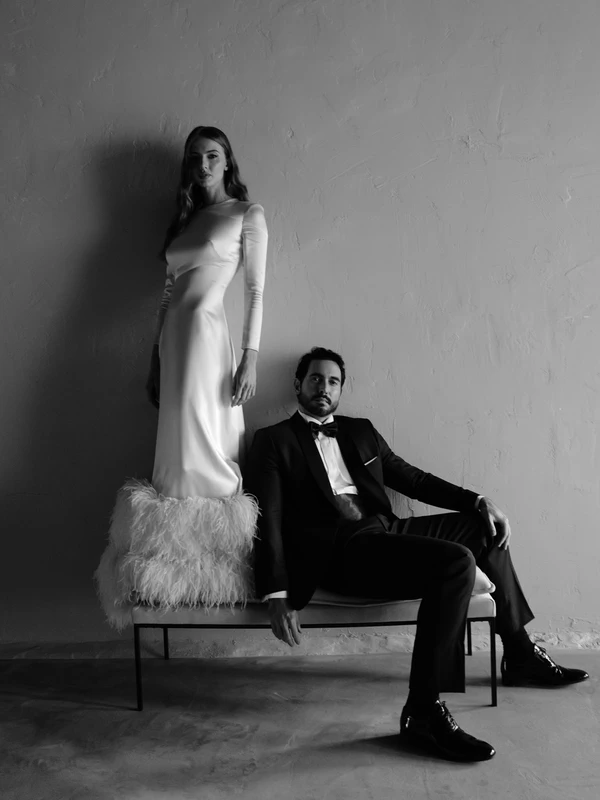
I think of composition as a way to protect a moment, not control it. I’m always paying attention to light, structure, and what the frame is doing; that’s the editorial side, but I never want the day to perform for the camera. If it feels staged, it stops feeling true. That's why, I work with two instincts at once: I look for clean lines and calm backgrounds, while staying close enough to catch what happens naturally.
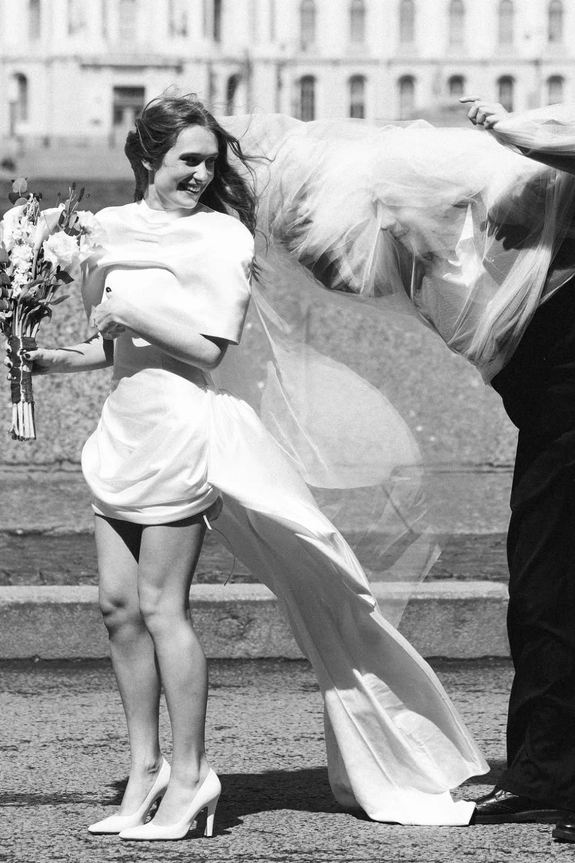
The unguarded moments are often quiet and fast, so my job is to be ready without interrupting. Preparation helps a lot: when the timeline is realistic and the environment is designed with intention, people relax. That’s when the “editorial” isn’t a pose, but simply the day, seen with clarity.
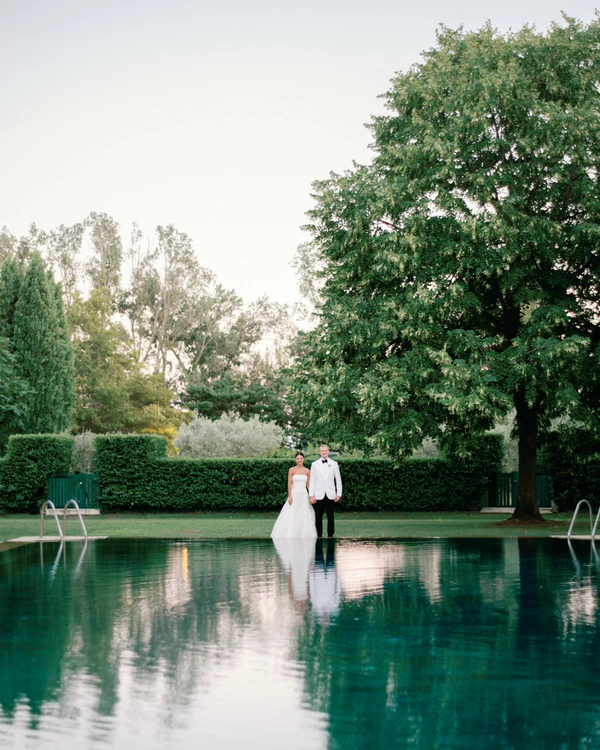
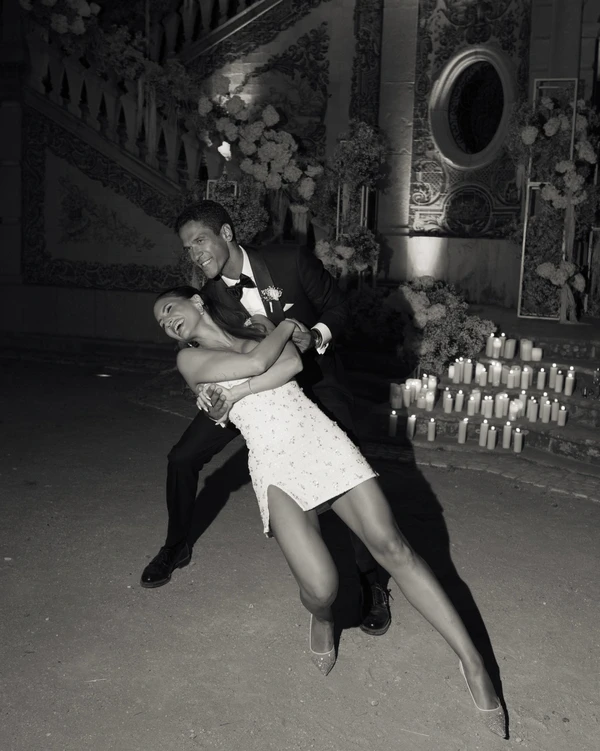
What inspires your practice and approach to photography the most?
People are the first thing. How they move, how they connect, and how they change when they forget they’re being watched. Light comes right after, in the way it shapes a face, a room, a mood, and shifts minute by minute. I’m inspired by music first and foremost, but also by cinema, painting, and architecture as much as by photography, particularly by strong composition, restraint, and frames that can hold tension without noise.
I feel that the best images usually come from that unguarded space, not from performance. And of course, materials and atmosphere matter too, as a space with purpose gives the day a kind of gravity. I like images that feel clean but not cold, emotional but not sentimental. In the end, I’m always trying to make photographs that stay honest over time.
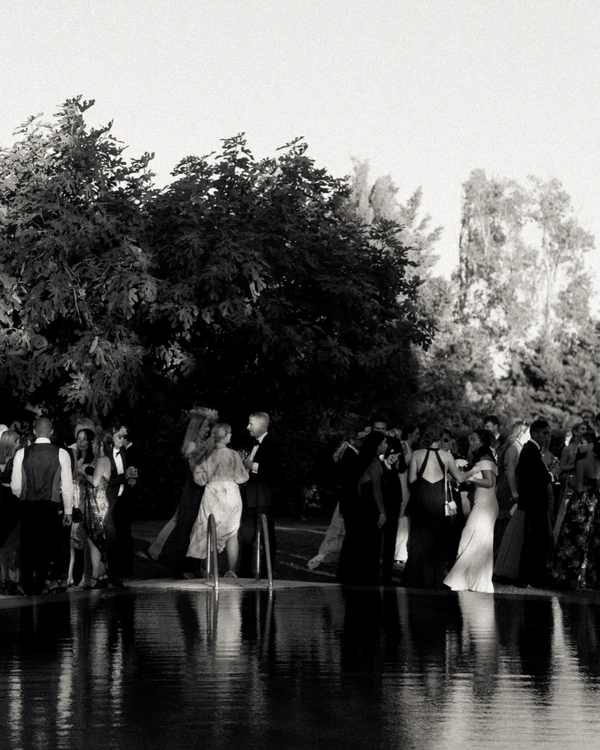
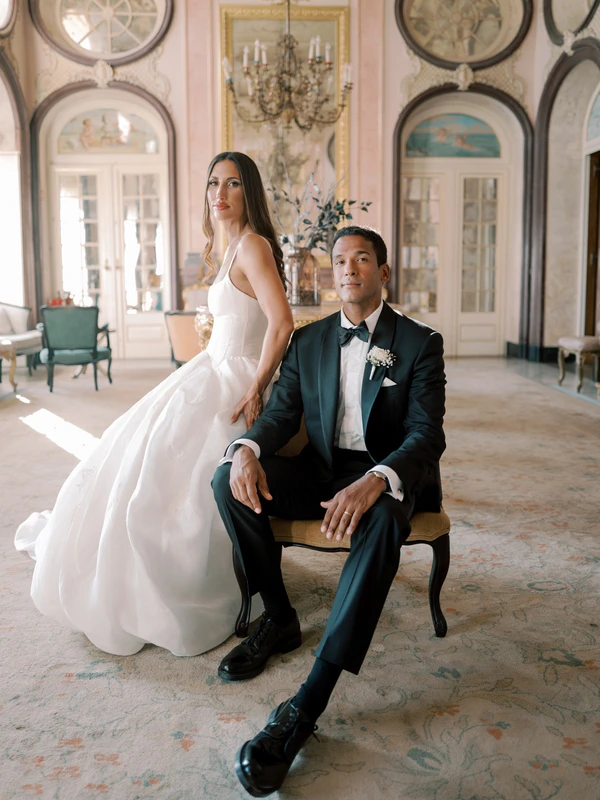
Sofia, your work can begin with something as intangible as a memory, a scent, or a particular feeling. How do you turn those references into flowers, textures, and a world guests can physically step into?
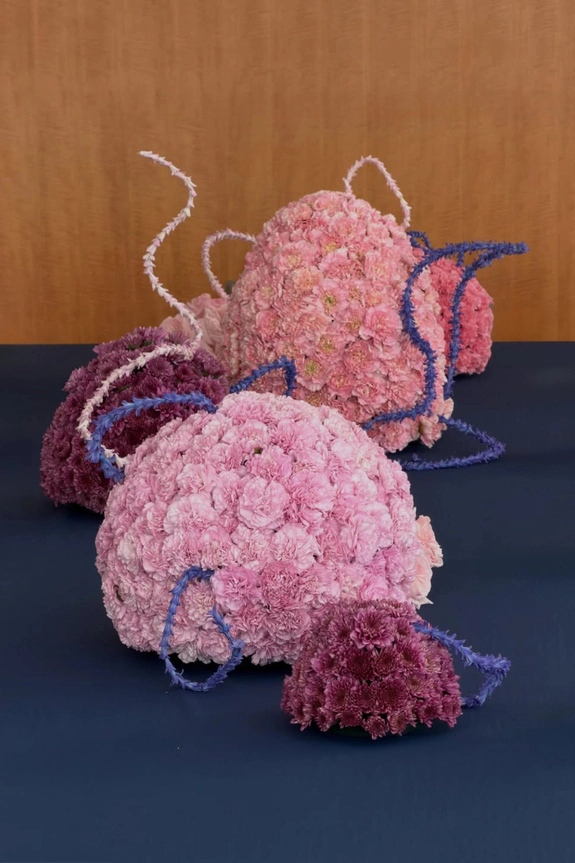
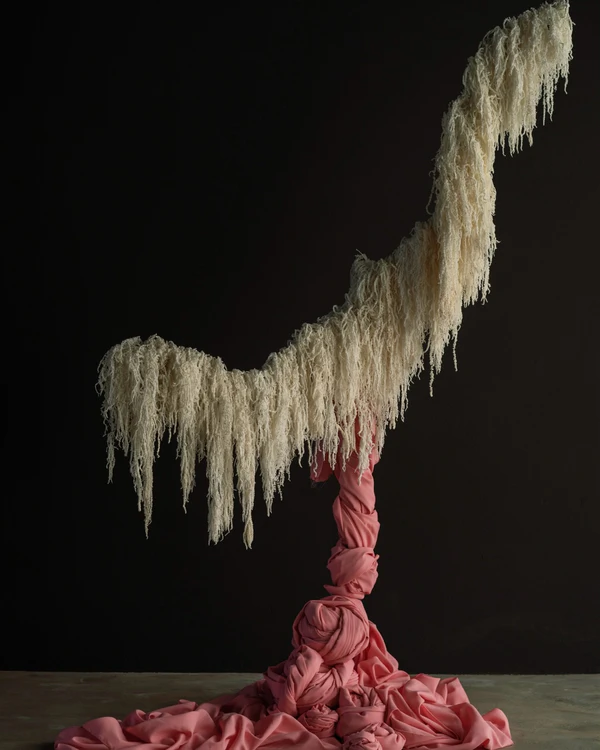
I start by naming the feeling in concrete terms, whether sharp or soft, windy or still, dense or minimal, warm or cold. From there, I translate it into a palette, a set of textures, and a rhythm: what repeats, what interrupts, what should feel wild, what should feel controlled. Then I build a material vocabulary not just with flowers but also with unexpected elements, always based on how they behave in space.
Scale is as important as color, because it changes how the body feels in a room. I’m always thinking about movement, how guests enter, where they pause, what they notice from far away versus up close. I also think about light, which shapes everything and decides what feels dramatic and what feels quiet. When it works, guests don’t just see the concept, but they truly step into it.
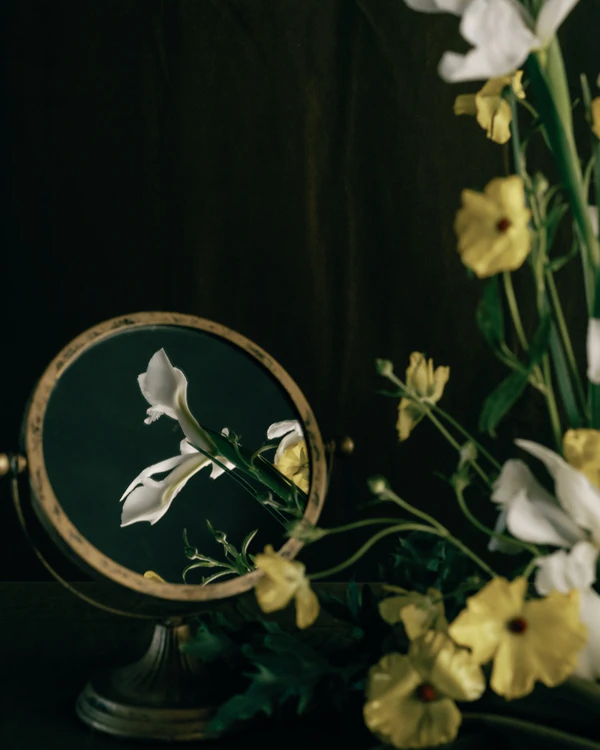
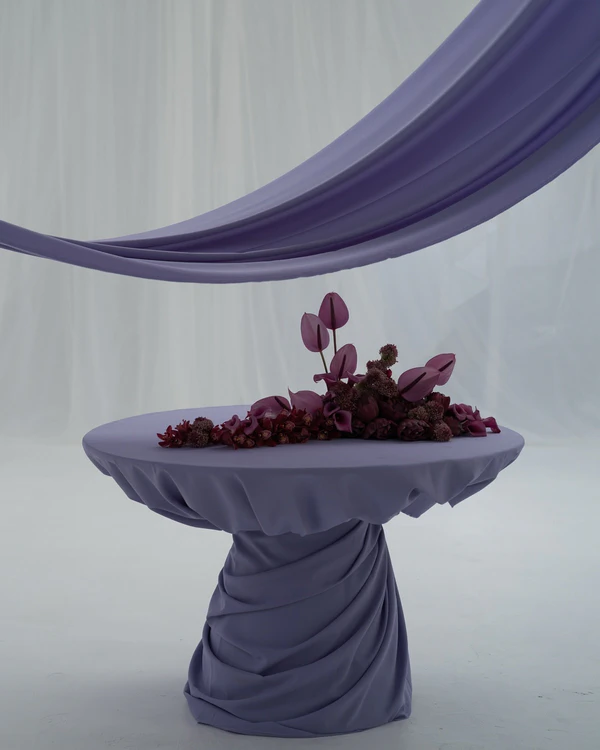
When shaping a floral concept, how do you bring together the couple’s story, the season, the setting, and the architecture without letting one element overpower the others?
I treat it like a composition with a clear hierarchy. The couple’s story and their vision form the anchor (the emotional direction), while everything else supports it. Alongside that, the season brings constraints and honesty, and we always prefer to work with what’s available and what makes sense in that moment. The setting and architecture tell us where the concept should be quiet and where it can be bold.
We always think that not everything can be the main character, so we decide early what leads. Sometimes the space leads, while florals and materials become a precise intervention; other times, florals create the structure and the room becomes the backdrop. Each event is different and that is why it's so exciting. We also pay attention to pacing, considering where intensity builds, where it rests, and of course where guests need air. When it’s balanced, it feels inevitable: it could only exist there, with those people, at that time.
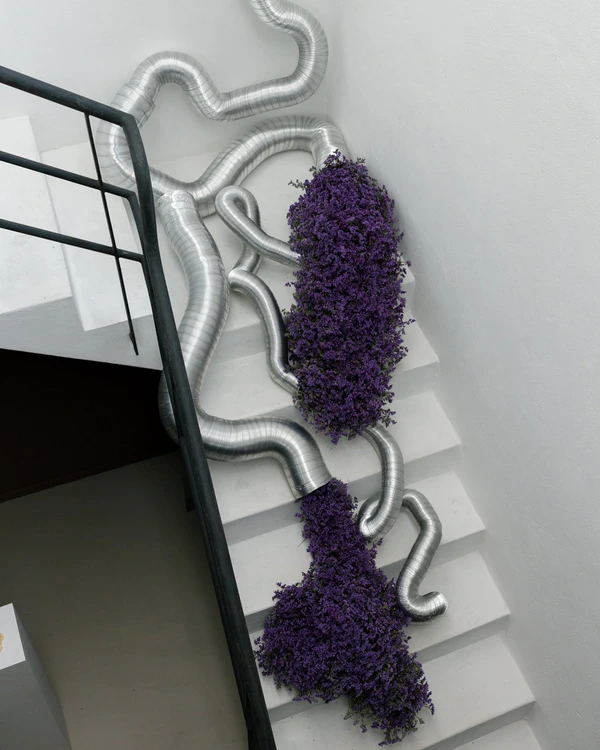
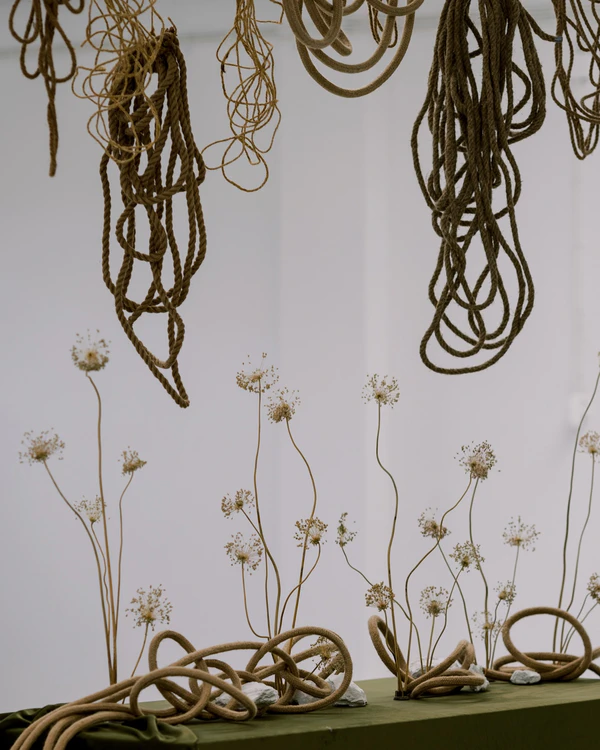
“Couples come to us when they want something distinct, not a copy of what they’ve seen before, and they want it delivered with clarity, craft, and a bit of wildness.”
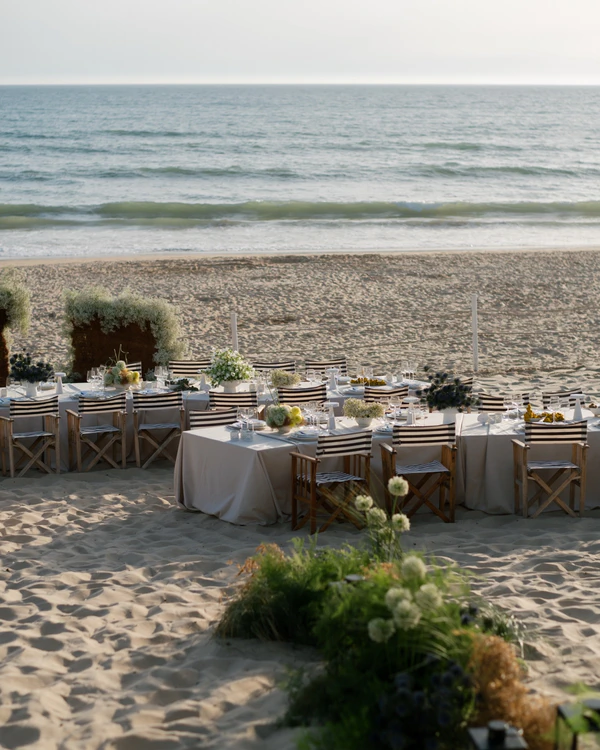
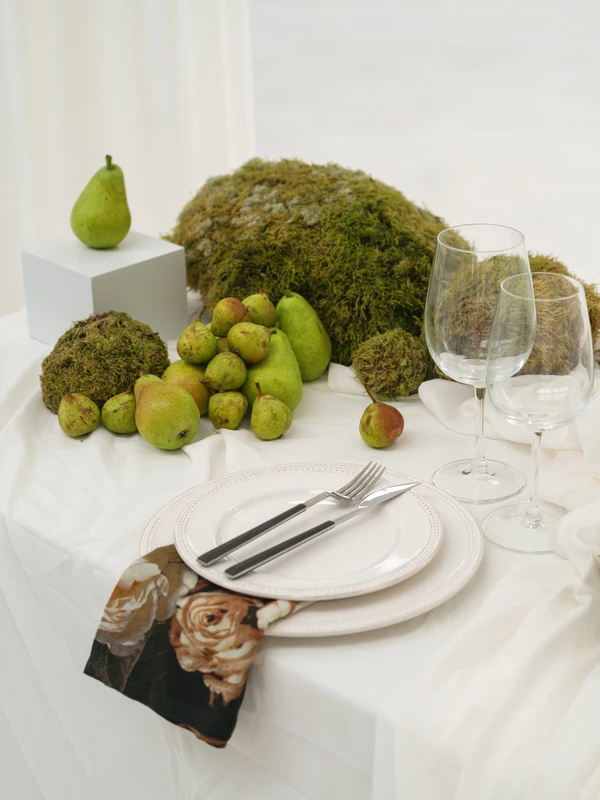
What kind of couple tends to connect most naturally with your work, and what does creative trust look like to each of you?
The couples who connect most naturally with us are curious and visually aware. They care a lot about the experience, how the day feels, not just how it photographs, and they’re not looking for a formula. They often love travel, fashion, and design, and they want something distinct without needing it to be loud.
For us, creative trust starts with clarity: what matters most, what the couple absolutely doesn’t want, and how they want their guests to feel. From there, it looks like letting us guide the decisions without micromanaging every detail. It also means being honest when something isn’t right, even if it’s popular. When that trust is present, we can create something that feels personal, strong, and alive.
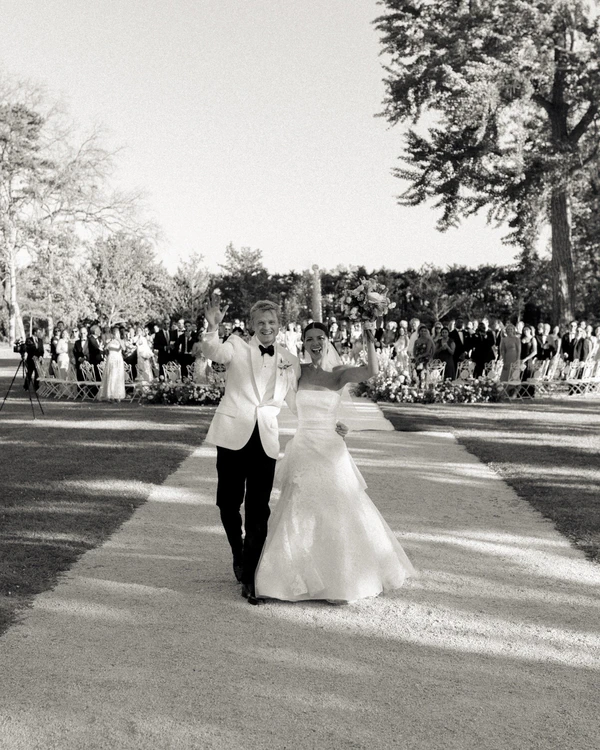
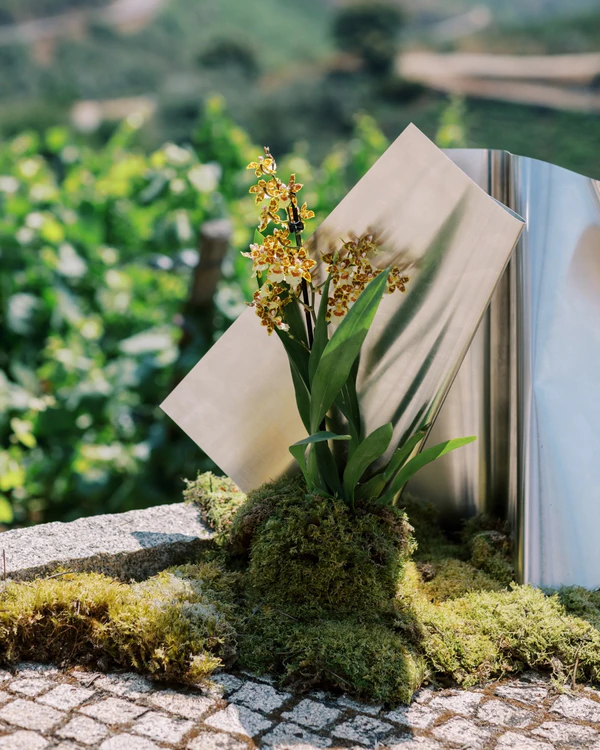
You don't always work on the same weddings, but when a couple commissions both sides of Brancoprata, what changes in the way you approach the project?
When we’re doing both, the project becomes one continuous creative direction instead of two parallel ones. Our floral styling team can design the atmosphere and our photography team can capture it with the same intention, from the first references to the final frame. That makes the experience more cohesive, and it also gives us permission to be more daring, because we understand the full picture.
Practically, it simplifies the process for the couple: fewer meetings, fewer translations, fewer compromises between teams. It also changes how we plan the day, because we can build an in-house timeline for setup and for photography that respects light, movement, and the way guests will inhabit the space. We’re not designing “for photos,” and we’re not photographing “around styling.” We’re doing both as one language. The result is a day that feels seamless in real life and holds together beautifully in memory.
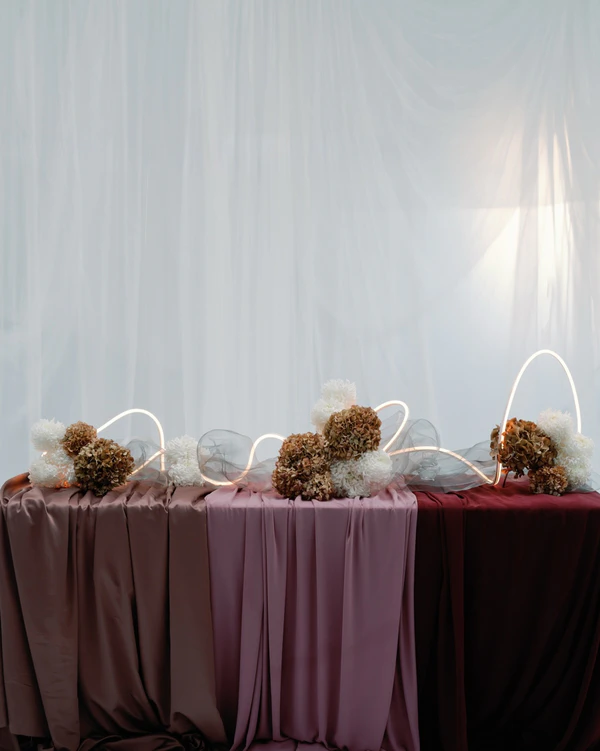
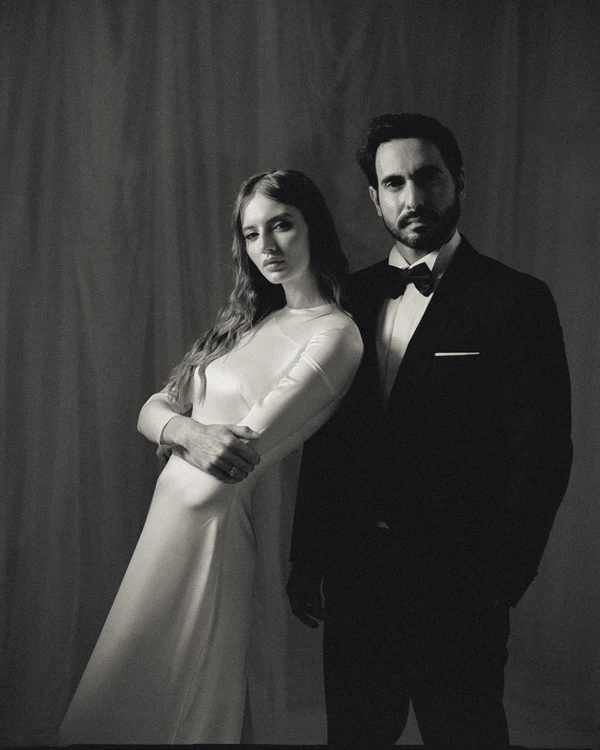
What has photography taught you Sofia about creating a space, and what has floral design taught you André about seeing one?
Photography has taught me to think in frames and distance, especially how something reads from across the room compared with up close. It has made me more aware of negative space, clean backgrounds, and how light can change the entire mood of an installation. It has also taught me that a single strong gesture can be more powerful than filling every corner.
Floral styling has taught me to see space as physical, not just visual. Texture, depth, movement, and even scent change how people behave in a room, and that changes what I photograph. It has also taught me to appreciate imperfection, the slightly wild edge that makes something feel alive. I’m more attentive now to how materials catch light and how scale affects emotion. In a way, florals have trained my eye to look more slowly.
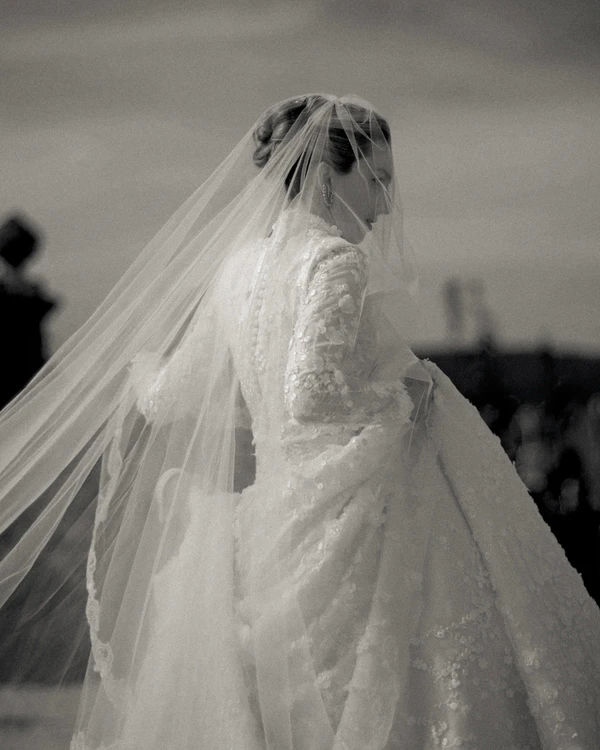
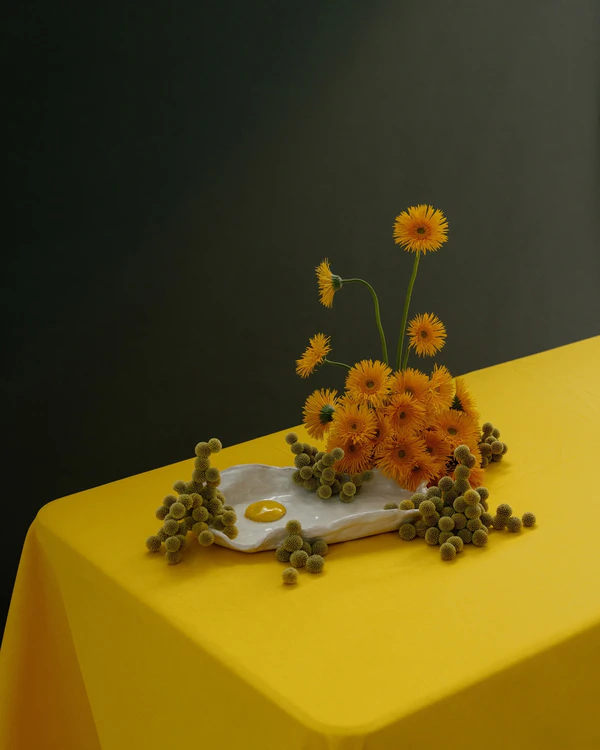
After more than two decades of Brancoprata, what do you hope couples remember most about the experience of creating the day with you?
We hope our couples remember that it felt personal, calm, and real, even when it was high production. We want them to feel they were listened to, guided with clarity, and never pushed into a version of themselves that didn’t fit, while also remembering the atmosphere that surrounded it all. The work should last in photographs, of course, but the bigger goal is for the experience to stay in their bodies as a memory.
If there’s a word we care about, it’s “distinct,” not for the sake of being different, but because it was truly theirs. We also hope our couples remember the process as collaborative and steady, with enough room for a little wildness. And finally, we hope they remember our smiles, because they will see us smile for them the whole time.
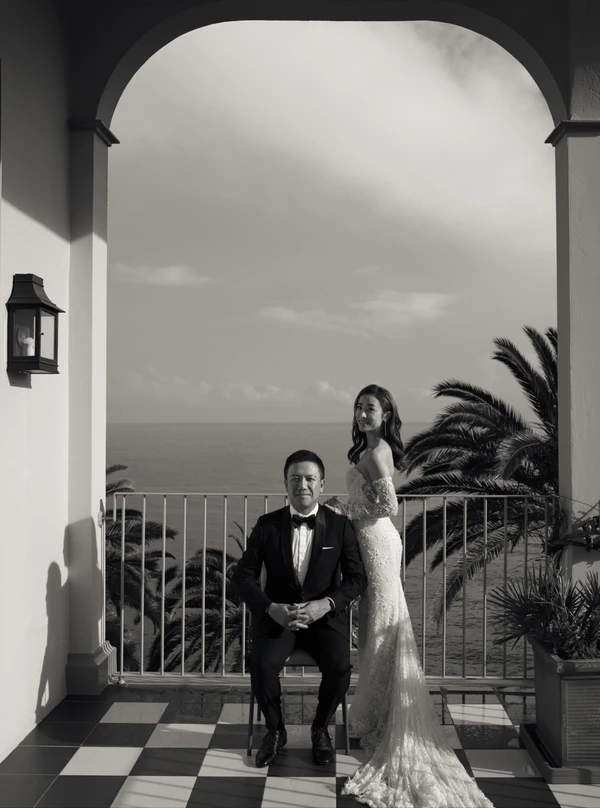
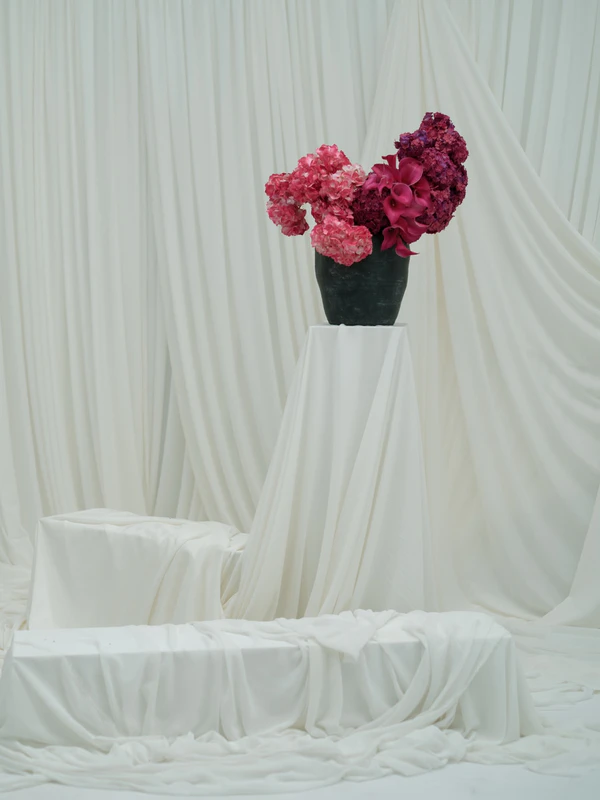
“We hope our couples remember that it felt personal, calm, and real, even when it was high production. We want them to feel they were listened to, guided with clarity, and never pushed into a version of themselves that didn’t fit.”