Wedding planning is full of advice, but not all of it deserves to be followed. Somewhere between family traditions, social expectations, and endless online inspiration, it's easy to mistake convention for necessity. The truth? Many of the ‘rules’ couples feel pressured to follow are simply options. We asked top wedding planners which long-held beliefs they encourage couples to question, and why letting go of them can lead to a celebration that feels far more intentional and memorable.
The Visuals Should Lead the Planning
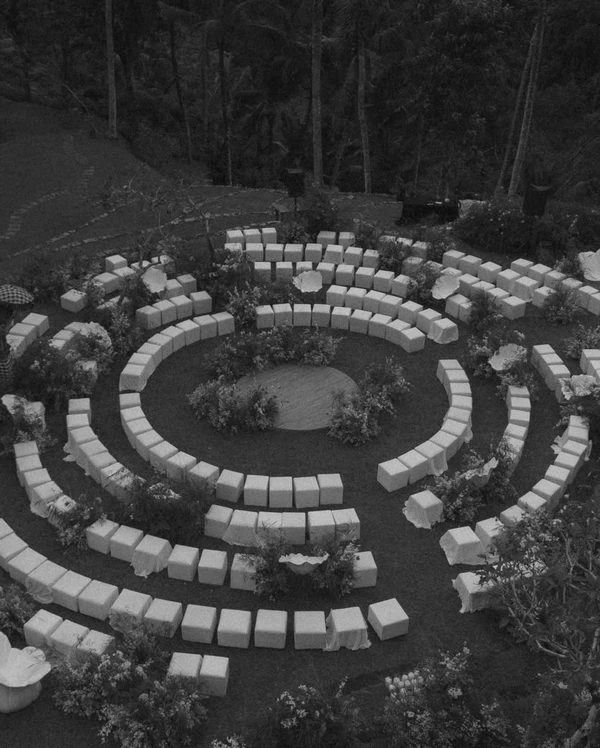
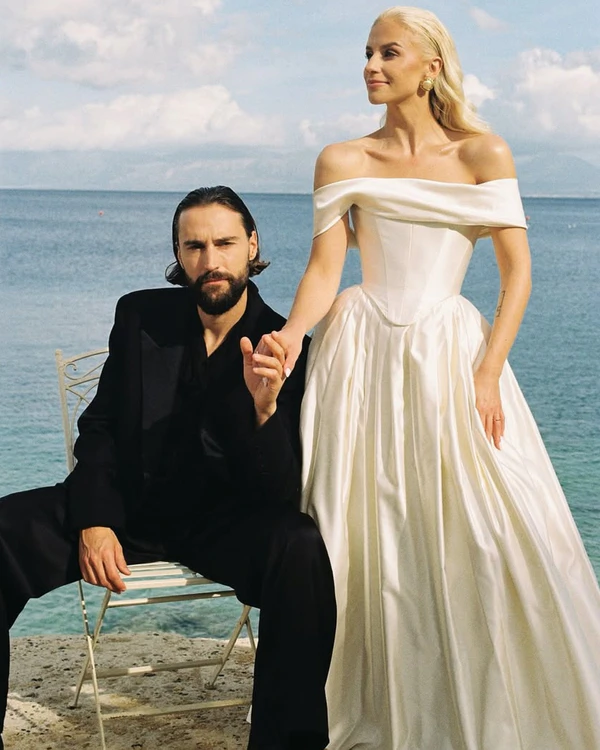
The look of your wedding matters, of course. Visual codes, mood boards, color palettes, and design references all help shape the world of the celebration. But for Sarah Kay, London-based planner and founder of Golborne, they shouldn’t be the starting point. Instead, she encourages couples to begin with the guest experience, thinking first about how the day should feel before deciding how it should look. “Jumping into the look and feel, your mood boards, and the visuals is tempting. However, putting the guest journey at the absolute heart of the planning, and letting it influence your decision-making on the format, location and timeline, means your guests will have the best time.”
Your Guests Need the Full
Destination Experience
Having a destination wedding is a beautiful invitation to experience a new place, its culture, and its atmosphere. Yet, the location should frame the celebration, not become the whole reason for it. That’s the balance Portugal-based wedding planner Carolina Gomes, the founder of Lovers Studio, believes should couples to keep in mind.
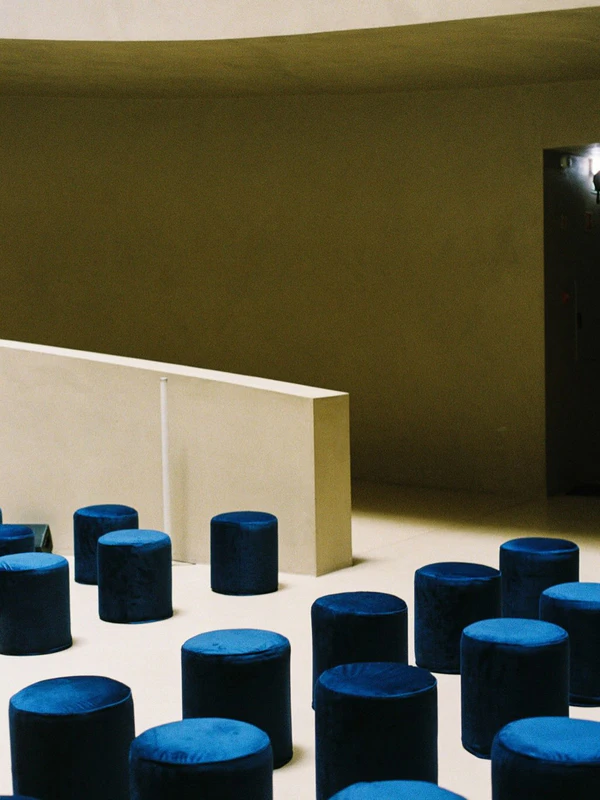
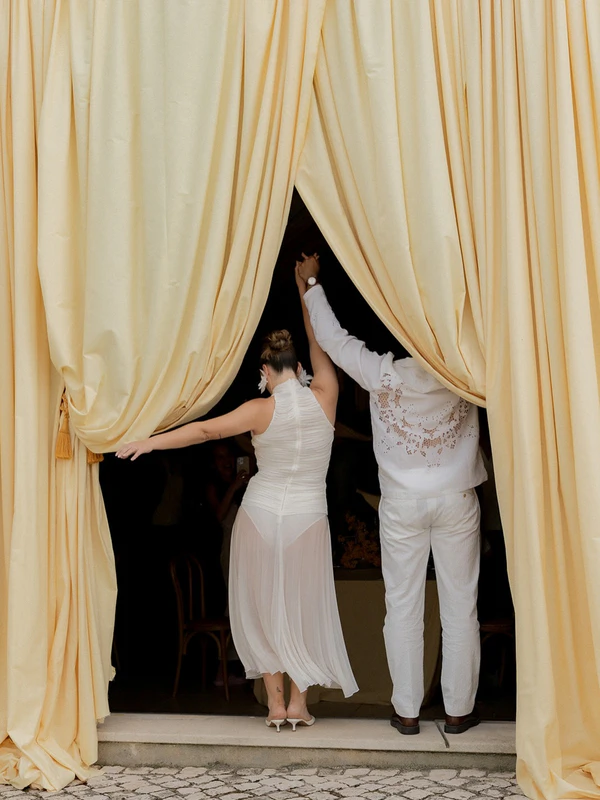
To her, the strongest destination weddings are the ones that let the place deepen the couple’s story rather than distract from it. “I often see couples feeling pressure to introduce their guests to every aspect of the country they have chosen, organizing multiple activities, sightseeing experiences, cultural moments, and carefully curated itineraries to ensure everyone gets the ‘full destination experience,’” she says. “While I think it’s wonderful to incorporate elements that reflect why a place feels meaningful to you, it’s important to remember that your guests didn’t travel for the sightseeing. They traveled for you. The most memorable destination weddings are rarely the ones that feel like group holidays. They’re the ones where the couple remains at the center of the experience.”
A First Look Ruins the Aisle Moment
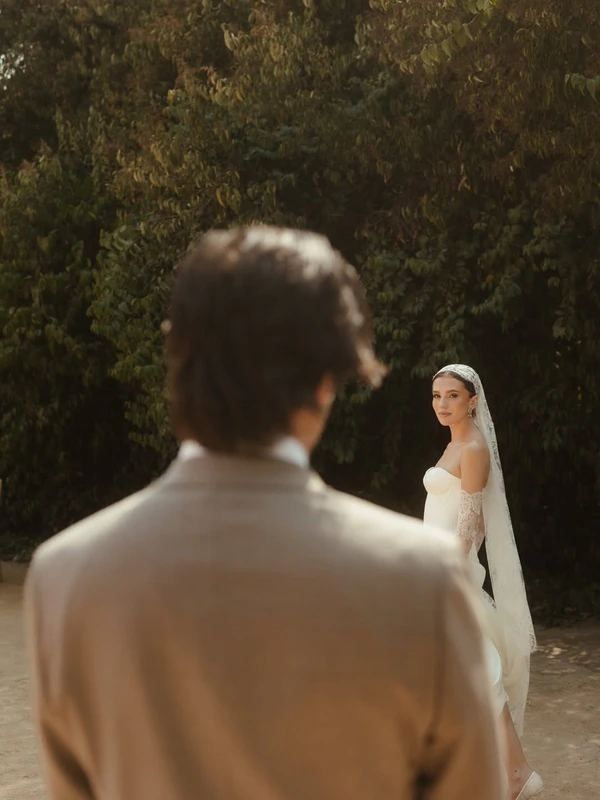
Few wedding timeline choices are debated quite like the first look. Some couples worry that seeing each other before the ceremony might soften the emotion of the aisle moment, but for Sarah Kay and the team at Golborne, it often does the opposite. “A first look happens for most of our couples now. It makes for such a special, intimate, and private moment, and after having them at so many of the weddings we’ve planned, we’re now huge fans,” she shares.
The Ceremony Should Be Kept Short
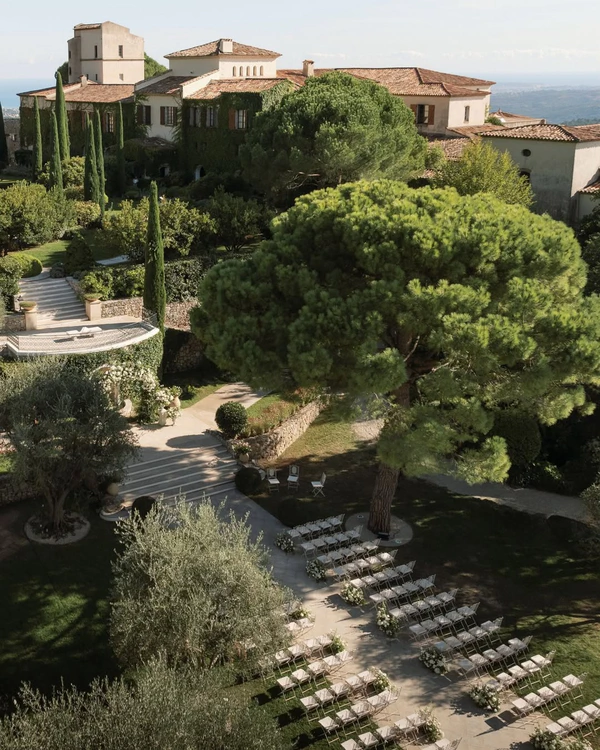
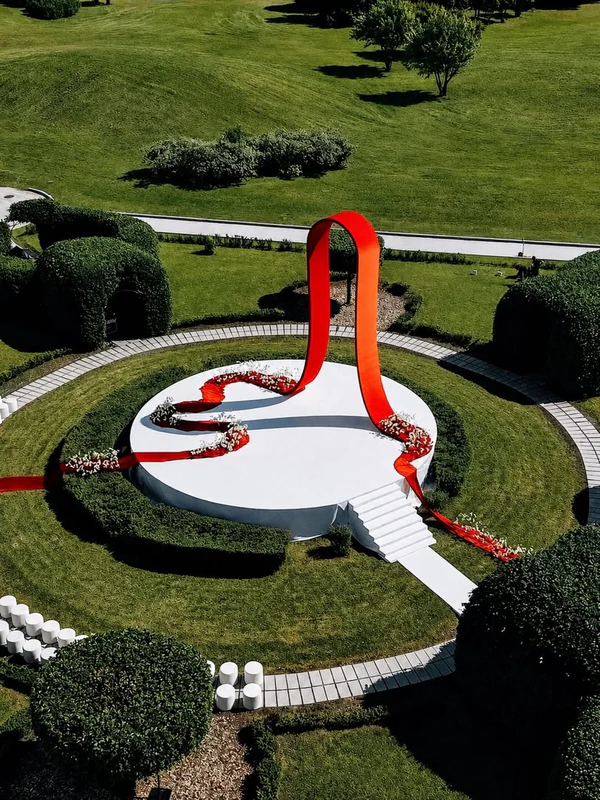
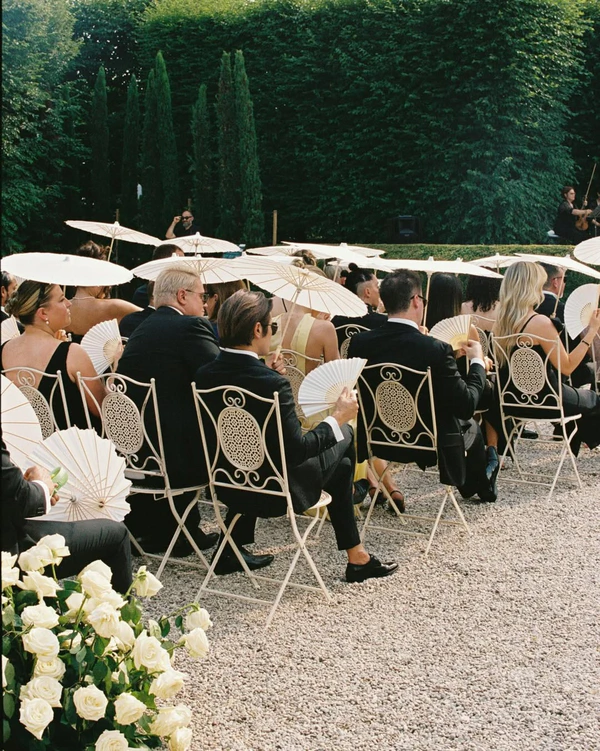
Even though it’s important to keep the ceremony thoughtful and engaging, it doesn’t have to be the quickest part of your wedding timeline. Carolina Gomes of Lovers Studio believes it is worthy of far more intention than it tends to receive. “Often, couples treat the ceremony as something they need to get through before the ‘real’ celebration starts. To me, the ceremony is actually the most underrated part of the wedding. The dinner, the dancing, the cocktails, and the celebrations that follow are extremely important, but they exist because of the commitment being made during that moment,” she explains.
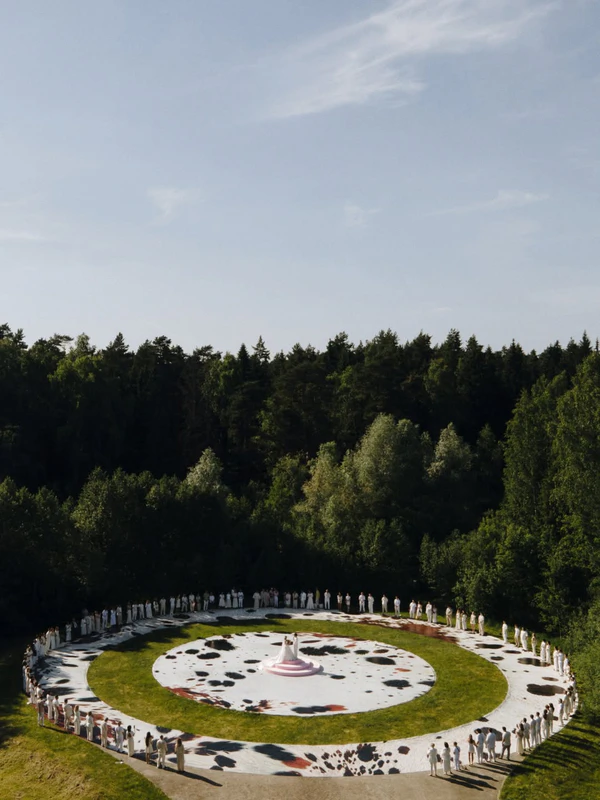
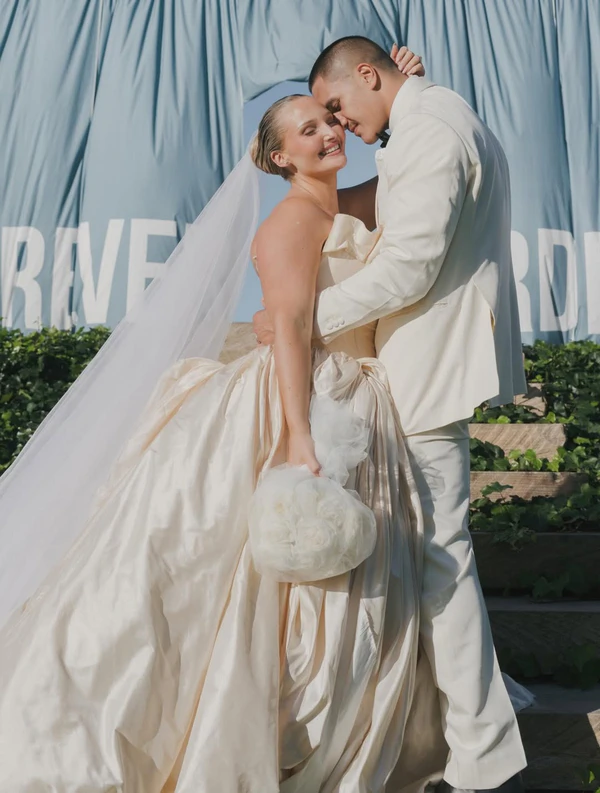
And that commitment deserves more than a rushed pass. “The ceremony is the one part of the day that cannot be recreated, it’s where the meaning of the wedding lives. Of course, I don’t believe a ceremony should be long for the sake of being long. On the contrary, I believe it deserves real intention. I am all for creating ceremonies that feel immersive, engaging, and deeply personal.”
The Top Table Is Non-Negotiable
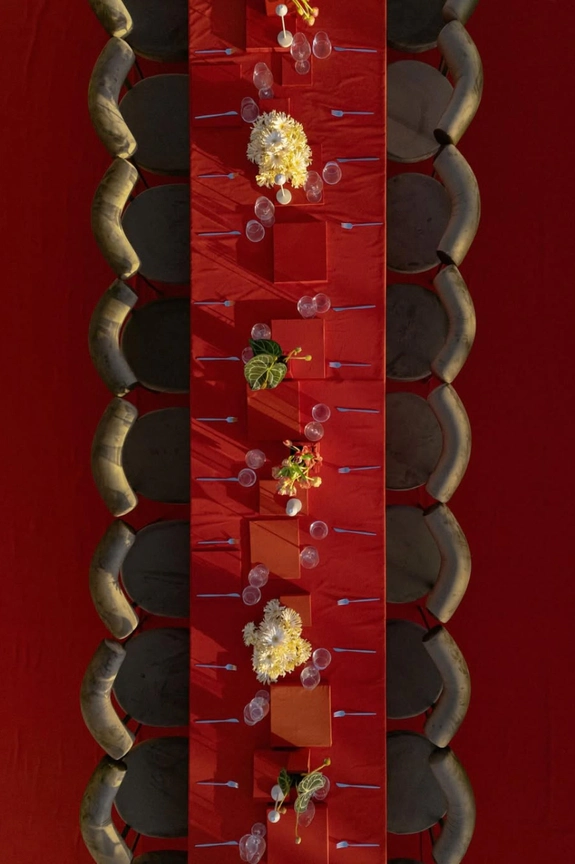
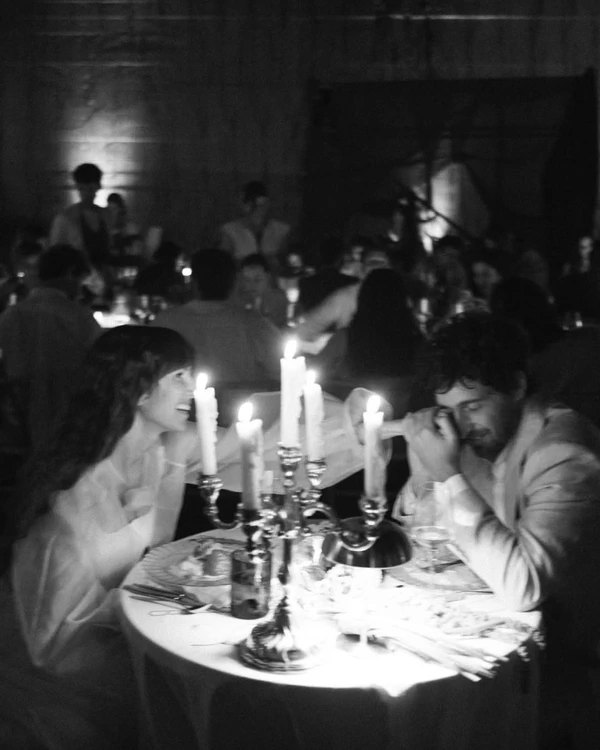
Your seating plan is one of the simplest ways to make your wedding feel more personal. While the traditional top table places the newlyweds at the center alongside parents and members of the wedding party, it isn't the only option. UK-based planner Emma Gold and the team at GSP Events invite couples to move beyond the traditional arrangement. “You don’t have to have a ‘top table’ at dinner. Place yourself where you want to be, whether that be with your family, bridesmaids, groomsmen or best friends. Surround yourself with the people that you want to be with, not who you feel like you should be sat with.”
A Bigger Guest List Creates a Better Party
More guests may mean a fuller room, but not always a better feeling. The most magnetic weddings are often shaped by the people who are truly part of the couple’s world, not simply by the size of the crowd. Emma Gold of GSP Events challenges the idea that atmosphere depends on numbers alone. “The atmosphere isn’t created by guest count, it’s created by intention. A beautifully curated wedding with 60 guests who are genuinely part of your story will feel more meaningful than a room of 250 people invited out of obligation.”
A Classic Wedding Cake Is a Must
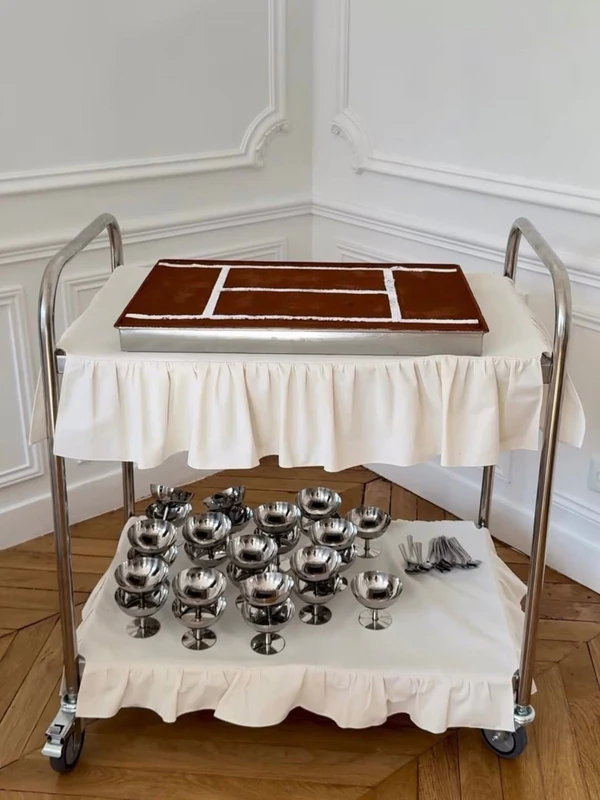
A wedding cake may be one of the most recognizable reception traditions, but it doesn’t have to be the default dessert. Sarah Kay of Golborne is seeing couples increasingly treat the sweet finale as a chance to loosen the rules, whether that means skipping cake altogether or choosing something more unexpected. And it’s a change they’re happy to see. “Couples either go all in here or don’t have one at all. And when they do, they’re more puddings than cakes,” Sarah Kay explains. “Think a huge tiramisu rather than a multi-tiered traditional cake.”
A Wedding Has to Look Like a Wedding
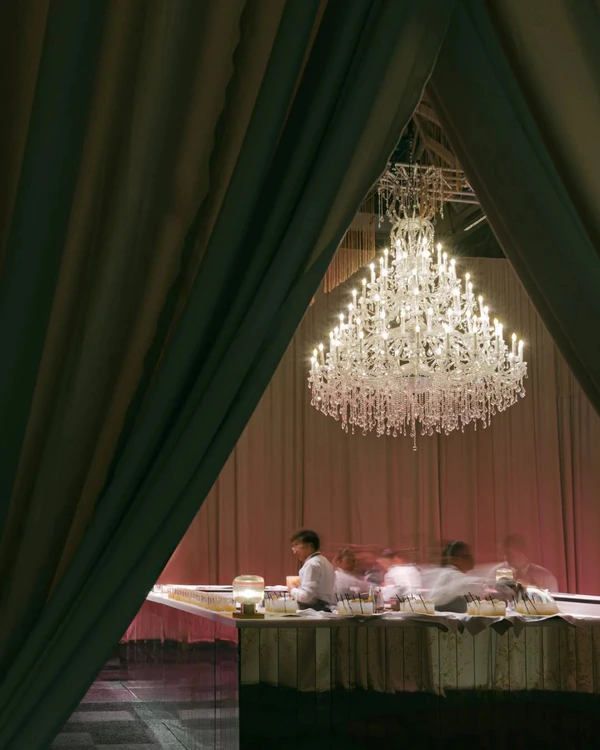
Your wedding doesn’t need to follow every tradition to feel meaningful. In fact, one of the biggest ‘rules’ the Bali-based team at Tea Rose Wedding asks couples to rethink is having rules at all. “Weddings have become surrounded by countless expectations, from timelines and traditions to what a celebration should look like. While traditions can be beautiful, we don’t believe they should dictate how a couple chooses to celebrate their marriage,” the team at Tea Rose Wedding say. “The most meaningful weddings are rarely the ones that follow every convention perfectly. They’re the ones that feel deeply personal and unapologetically authentic to the couple. We always encourage our couples to honor the traditions, cultures, and relationships that matter to them, while also giving themselves permission to rewrite, adapt, or leave behind the ones that don't.”