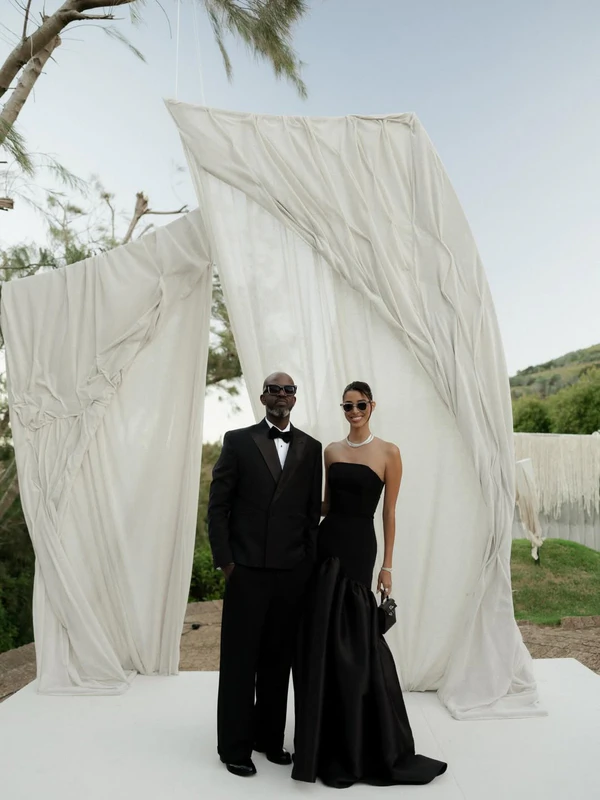
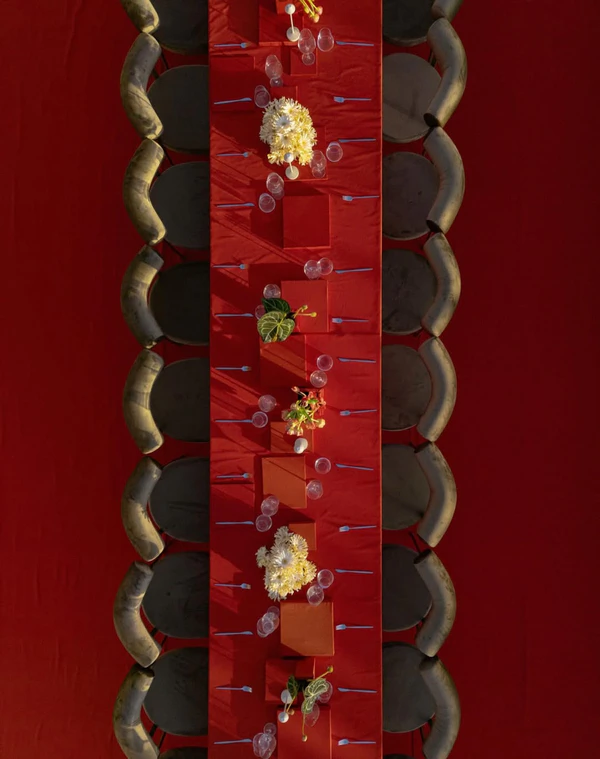
Weddings have always existed in a space where emotion and economics collide; where the most romantic day of one’s life is also one of the most expensive and emotionally loaded investments many people will ever navigate. And over the years, the industry has evolved dramatically: floral arrangements have become large-scale installations, catering has transformed into an immersive culinary experience, and photography is now as much about storytelling and post-production as it is about the moment itself.
And yet, as weddings have become more visually ambitious and culturally elevated, the conversation between what couples envision and what that vision actually costs has become increasingly complex. An endless stream of impeccably curated weddings across social media has only widened that gap, often normalising highly produced aesthetics without revealing the scale of budget, manpower, logistics, and expertise required to execute them. The result is a growing disconnect between expectation, budget, and reality, one that couples and vendors alike are quietly trying to navigate in real time. We sat down with some of the leading wedding planners in the industry to understand where that disconnect comes from, why modern weddings often require far more than couples anticipate, and what it might finally take to close the gap.
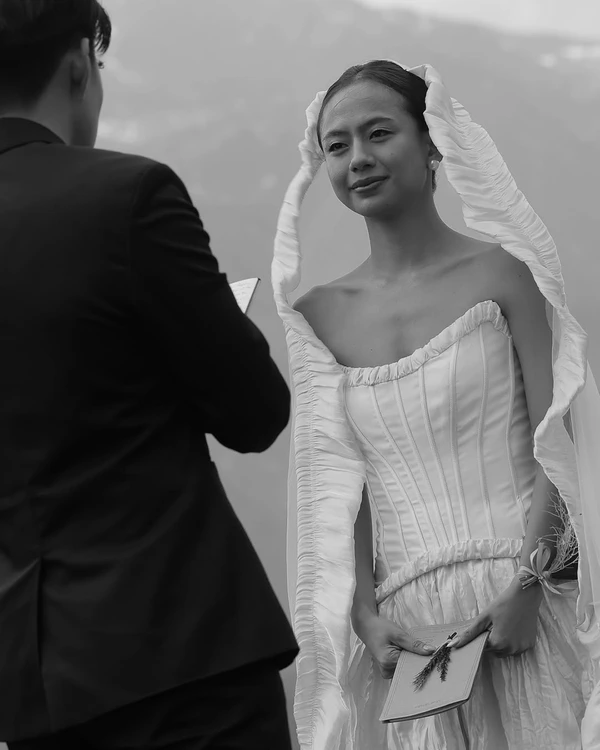
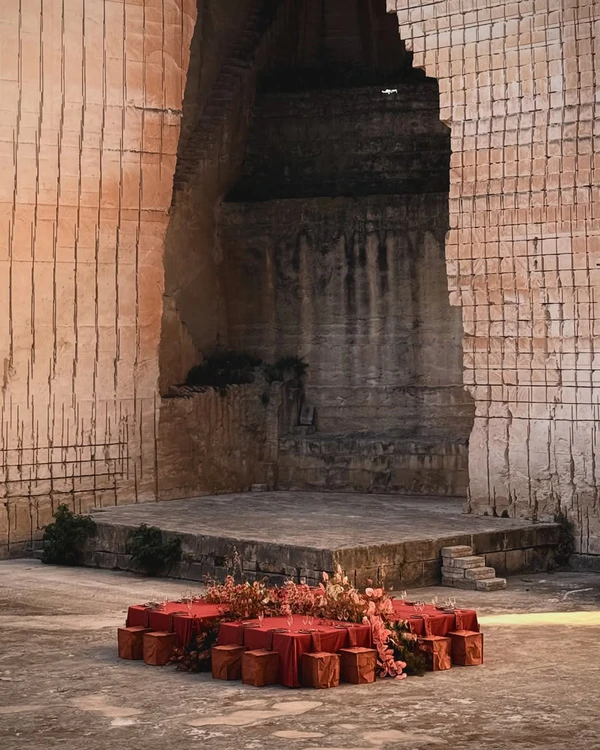
When Expectations & Budgets Don’t Match
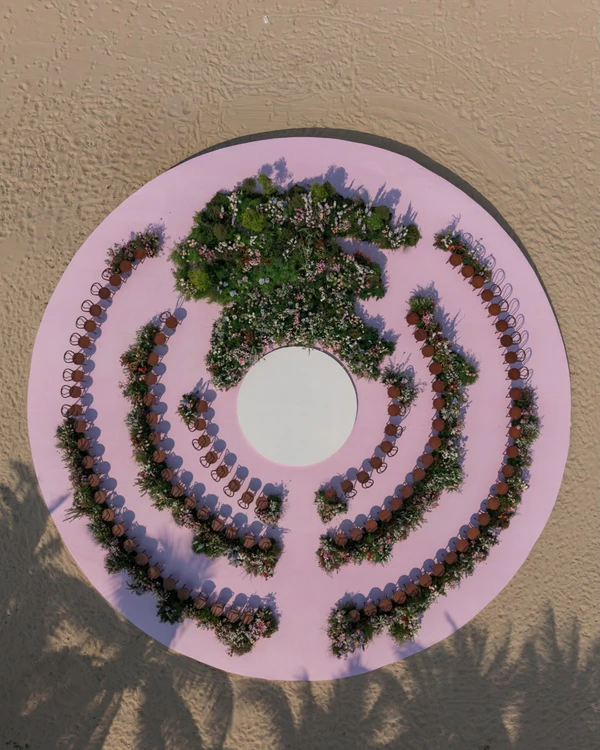
The gap between what couples want and what they can spend is not a new phenomenon, but it has never been wider. Social media has expanded visibility to weddings that cost six figures, presenting them without context, the price tag, or the reality of what it took to achieve each frame. Inspiration is an important part of the planning process, but translating a beautifully curated image into a real-world event often requires far more production, crew, and investment than many couples initially realise.
Elizabeth Kilic, Founder & Managing Director of 11.11 Weddings, says it best: "One beautiful Pinterest pin may initially seem attainable, however 100’s of hours, complex management of a whole vendor team and a lot of investment has gone into curating something which can appear effortless." She elaborates, "It’s not a couple's ‘fault’ if when starting to plan a wedding, they don’t have any concept of the true cost. If they’re not in the industry, it’s not necessarily their business to know upfront, I see it as our responsibility as suppliers to aid education and understanding." The most valuable thing couples can do early on is approach the planning process with curiosity rather than assumption, allowing space for honest conversations around priorities, budget, and what certain aesthetics genuinely require to execute well. A good planner will not simply execute a vision, but help shape it thoughtfully around your priorities, guiding you towards the design, atmosphere, and experience that align most naturally with both your budget and what matters most to you.
The Pressure to Have a “Perfect” Wedding
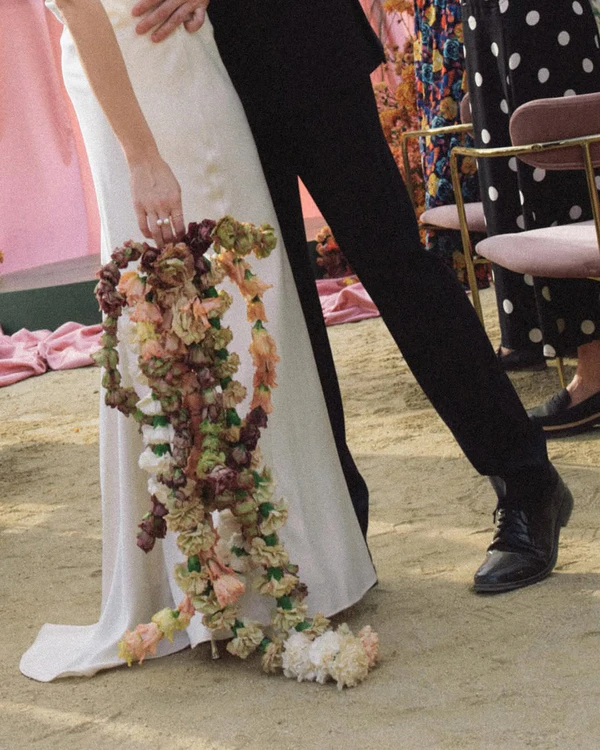
Of course your expectations are high! This is a day you have been dreaming of for years and planning for months, a day that exists, by its very nature, only once. But somewhere between the dream and the execution, the word perfect has become one of the most damaging words in the wedding industry. Weddings are living, breathing events shaped by weather, emotion, vendors, and the beautiful unpredictability of gathering everyone you love into one room. The pressure to perform perfection is both cultural and commercial, amplified by the very platforms designed to inspire, and it is worth examining honestly before it shapes decisions you may later regret.
Part of this comes down to personal expectations, but a significant part comes down to the rise of social media's influence on weddings. As Silvia Galli, founder of Florence-based planning studio SposiamoVi says "The gap between expectations and budget is often shaped by inspiration culture. Couples are constantly exposed to beautifully curated weddings online, but what is rarely visible is the level of production, logistics, staffing, and coordination required behind the scenes to create that kind of experience in real life." The healthiest shift couples can make here is recognising that a meaningful wedding is built by understanding what elements genuinely matter to you and allowing the rest to fall away.
When Couples & Vendors Define Luxury Differently
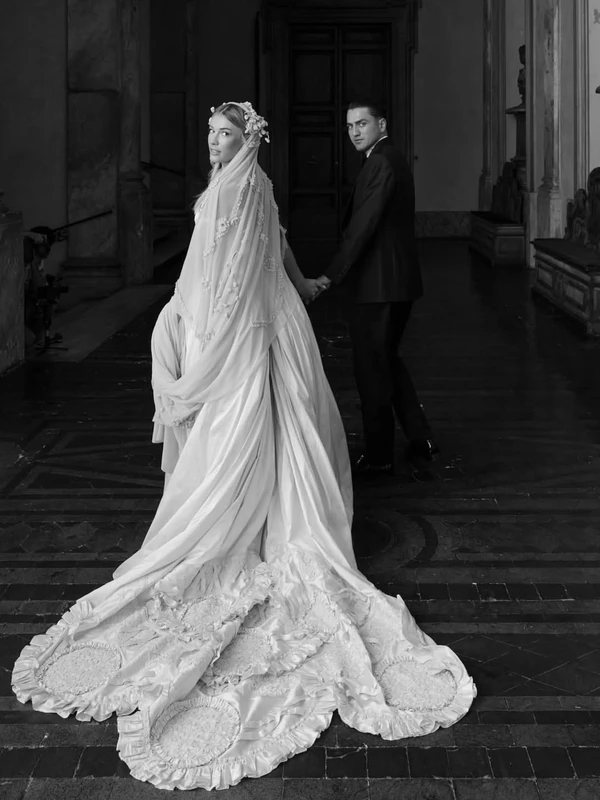
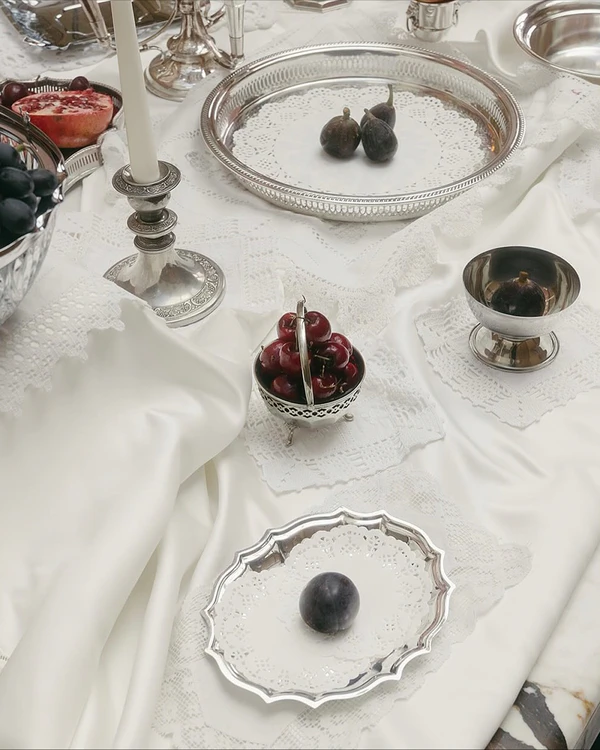
If you ask a couple what they envision is a luxury wedding, they will often describe how they want it to feel: beautiful, immersive, emotional and abundant. Vendors, however, tend to define luxury through what it takes to create that feeling successfully: thoughtful planning, exceptional service, seamless logistics, craftsmanship, and the ability to execute every moving part without friction. Neither perspective is wrong, but they often prioritise different parts of the same experience. 11.11 Weddings puts it best, "Luxury is subjective, to some it means a 5 star beach resort, to others it would be a rustic farm stay. To us, luxury means the space to be intentional and selective, true luxury is becoming less about excess and more about emotional richness, craftsmanship and experience." Bridging that gap often comes down to reframing the conversation around luxury itself, allowing couples and vendors to align not just on aesthetics, but on what kind of experience, atmosphere, and priorities are truly worth investing in from the very beginning.
Why Weddings Cost More Than Couples Expect
There is a widely held belief that the moment the word "wedding" enters a conversation, the price instantly doubles. The reality is more nuanced: the wedding industry runs on compressed timelines, non-negotiable dates, and a service standard that leaves no room for error, and that operational reality is embedded in every price. What many couples are paying for is not simply the end result itself, but the enormous amount of preparation, coordination, expertise, problem-solving, and behind-the-scenes management required to make an event of that scale feel effortless in real time.
"The wedding tax myth is proving majorly unhelpful for couples planning their weddings," shares Elizabeth Kilic of 11.11 Weddings. "Weddings naturally have a higher level of service and dedication than would be put towards an any other celebration, because the stakes are higher, there are far more politics, and the work is relentless. There’s much more meaning and purpose assigned to a wedding as it’s a day that will forever be reflected upon and the quality of service should match this."
What You Don’t Always See Behind the Scenes
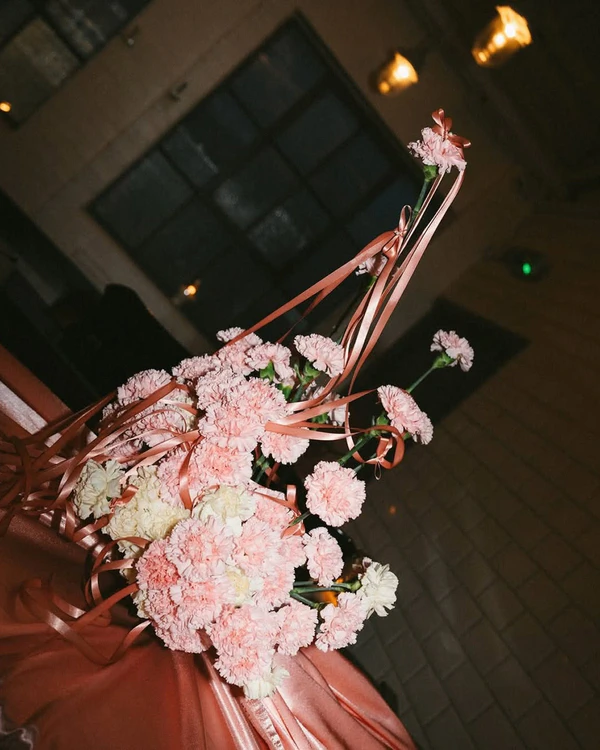
Behind every seamless wedding is a vast, largely invisible structure of preparation. "Couples often don't realize that a planner isn't just coordinating logistics, we're also protecting them from decisions that look beautiful in a proposal but fall apart on the day. That layer of professional judgment is invisible until something almost goes wrong," explains SposiamoVi. The florist who delivers an arrangement on the morning of the wedding has sourced, conditioned, and designed those blooms across the preceding few days. The photographer who spends eight hours with a couple on the day will spend days in post-production, color-grading, editing, and delivering a gallery that will be looked at for decades. The caterer running a hundred-person dinner service has been coordinating logistics, tastings, rentals, and staffing for months. The finished product is always the smallest part of what was paid for, it may be the elements you don't even see.
When Small Requests Add Up
One of the most common sources of tension in the vendor-couple relationship may be the accumulation of small asks that, individually, seem entirely reasonable, but collectively represent hours of additional work never accounted for in the original proposal. According 11.11 Weddings, "Even seemingly minor adjustments can have a domino effect across production, sourcing and logistics. Particularly with highly bespoke celebrations, small changes often require an entire ecosystem of moving parts to shift alongside them. For example, doing what a couple may think is a simple ‘exit moment’ at the end of the party needs increased coverage of around 3-4 hours from their planning team, venue staff, photographer and videographer, which naturally can all add up and result in a weighing of priorities."
When it comes to destination weddings in particular, SposiamoVi explains, "Small requests rarely stay small in destination weddings. A last-minute change can impact transportation, staffing, production timing, guest management, and multiple vendor teams simultaneously, and couples don’t always realize how interconnected every detail becomes." Understanding that small changes often ripple far beyond the request itself can help create a planning process grounded in clearer communication, stronger collaboration, and more realistic expectations on both sides.
The Planner’s Role in Bridging the Gap
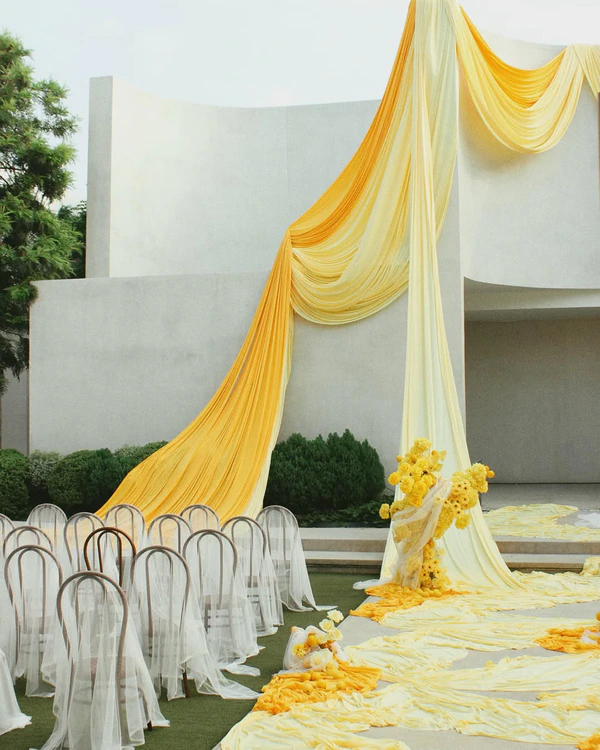
A wedding planner operates at the intersection of vision and execution, and the most valuable thing a skilled planner does is rarely visible to the couple at all. They speak fluent budget before the couple has learned the language, negotiating with vendors and managing expectations simultaneously, protecting both parties from the misunderstandings that derail timelines and damage relationships. A planner who is honest about what a budget can and cannot achieve is, perhaps, the most undervalued presence in the entire process. At the end of the day, a planner’s role is not simply to execute a vision exactly as imagined, but to thoughtfully shape it into something that feels intentional, emotionally resonant, and genuinely achievable within the realities of the budget.
Why Building Transparency & Trust
Matters from the Start
The most successful vendor-couple relationships are built not on a shared aesthetic alone, but on a shared understanding of what is and is not possible within a given budget. Vendors who lead with transparency, walking couples through exactly where their money goes and why, create the conditions for trust to take root from the first inquiry to the end of the day.
SposiamoVi believes that "A planner’s role is not only to design a beautiful wedding, but to create clarity and alignment from the very beginning. The strongest relationships with clients are built when expectations, priorities, and investment are discussed with honesty and transparency early in the process." Couples who approach those early conversations with openness about their financial limits, rather than treating the budget as something to be revealed only after a quote is received, give vendors the information they need to propose something entirely tailored to them.
Spending on What Actually Matters
When the budget conversation finally forces couples to choose, the most consistently reported regret in post-wedding surveys is not having spent more on florals or a grander venue, it is having underinvested in the things that shaped how the day actually felt and flowed. For Elizabeth Kilic of 11.11 Weddings, "The highest priority should be expertise and quality of service; the elements of a day you won’t notice are there, but you and your guests would notice if they’re not. This might be enough staff at the bar to minimize waiting, professional furniture installation teams who are in and out without anyone noticing, or florists who’ve previously managed large scale projects in tight timelines and understand how and when to set-up the arrangements so they haven’t wilted by the time the ceremony starts." A wedding does not need to be everything at once; it needs to be exactly the right things, executed well, by people who were given the resources to do their jobs properly. That is the clarity that lives on the other side of an honest budget conversation, and it is, in the end, where the most beautiful weddings are actually made.