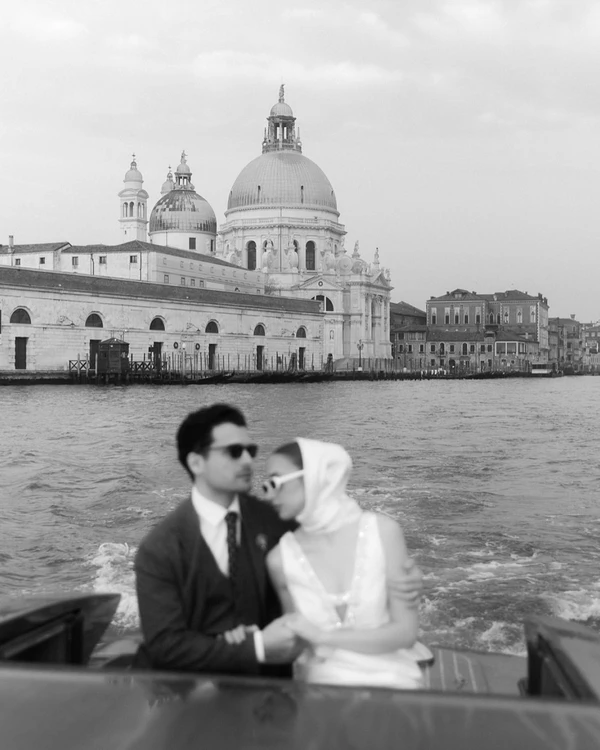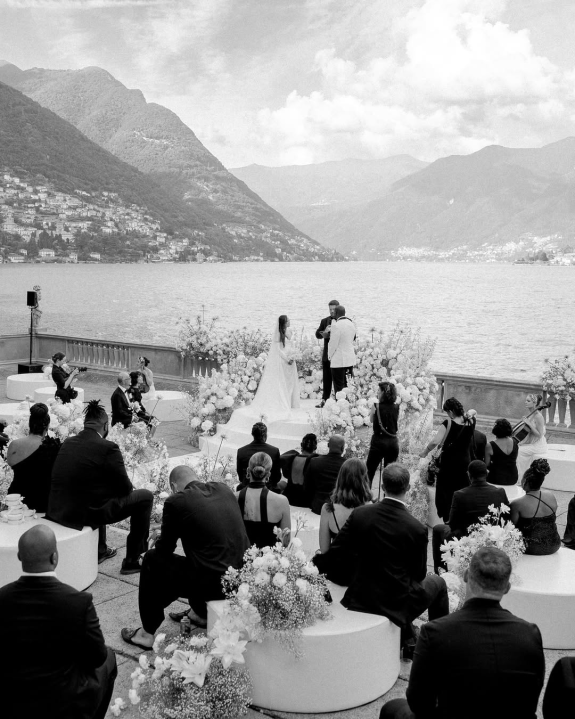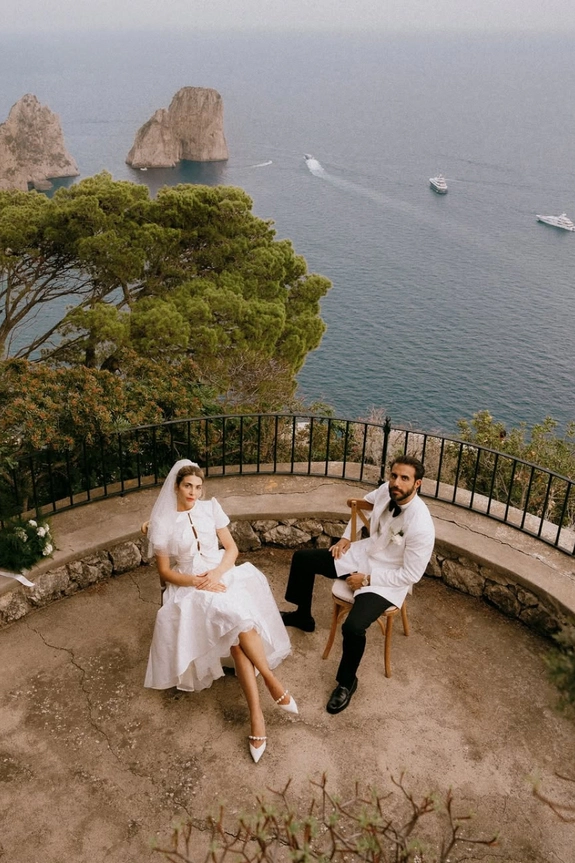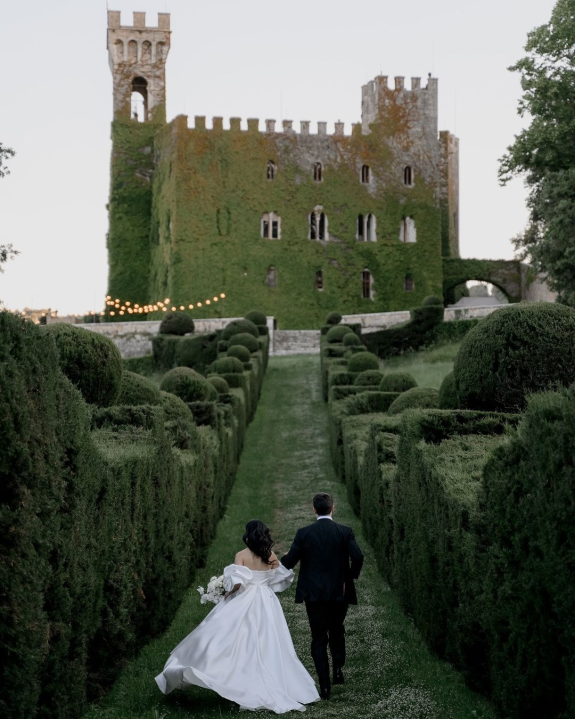

Italy is arguably the number one dream destination for couples planning their wedding abroad. Centuries-old villas, Lake Como, the Tuscan countryside, the canals of Venice—each corner of the country offers a certain charm and history that can't be found anywhere else in the world. But like marriage in any country, paperwork is always involved, and it can get more complicated if you don't call Italy your home. With such historic venues and cities, laws around things like taxes and noise levels are strictly enforced. This is the less glamorous side of tying the knot in Italy, but the most important one if you want to do it right.


Marrying Legally at Home vs. in Italy
Before getting into the logistics, there’s one key decision to make: will you legally marry in Italy, or complete the legalities at home and have a symbolic ceremony in Italy?
For many international couples, the symbolic route is the simpler option. You can take care of the official paperwork and legal ceremony in your home country, then celebrate in Italy without having to navigate the Italian marriage process. If you want your ceremony in Italy to be legally binding, it’s absolutely possible, but there are a few more hoops to jump through. The exact requirements depend on your nationality and where in Italy you’re marrying, but you can expect additional paperwork, deadlines and formalities with the local Comune.

What Differs for LGBTQI+ Couples
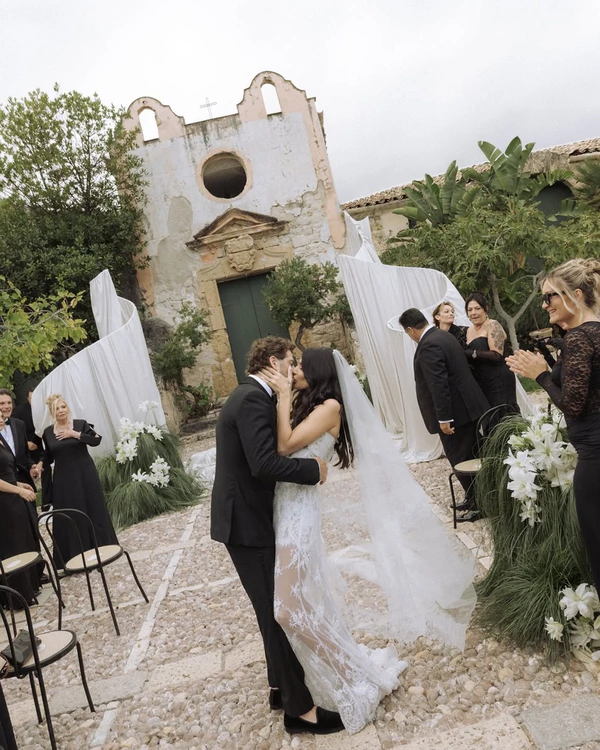
For same-sex couples, the legal route in Italy works a little differently. Italy does not currently provide same-sex marriage under its domestic law, instead recognizing same-sex couples through civil unions. This means that while opposite-sex couples can legally marry in Italy, same-sex couples looking to make their Italian ceremony legally binding would need to navigate the civil union process instead. Alternatively, couples may choose to legally marry in their home country and hold a symbolic ceremony in Italy. As with any legal ceremony, the exact paperwork and requirements can depend on your nationality and the local comune, so it’s worth confirming these well before the wedding.

The Legal Paperwork
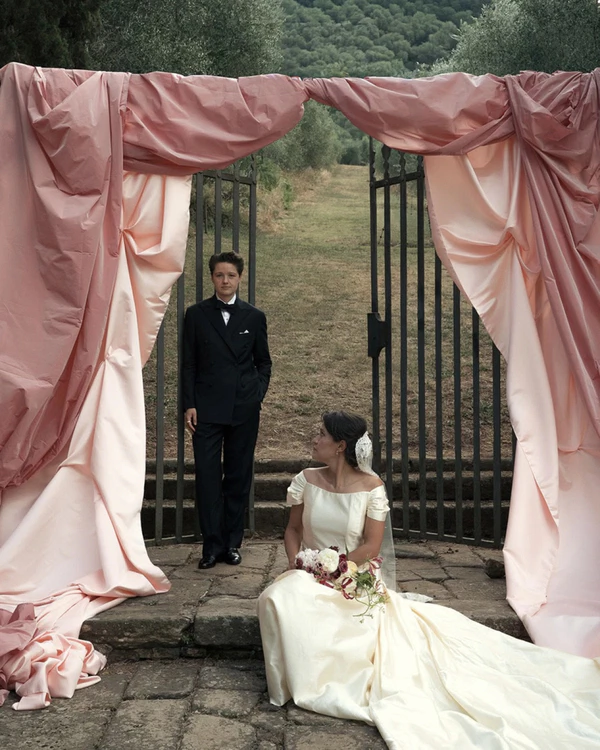
For couples opting for the legal route, the documents are the first real hurdle. Foreign nationals generally need to provide documentation confirming there is no legal impediment to the marriage, often referred to as a “Nulla Osta,” but exactly what you need and how you obtain it depends on your nationality. Australian and U.S. citizens, for example, follow a specific process involving an “Atto Notorio,” a declaration that there is no impediment to the marriage, signed in the presence of four witnesses, which is then used to obtain the Nulla Osta. Other nationalities follow different procedures, so this is one area where it’s essential to check the requirements for your citizenship rather than relying on a universal checklist.
Your personal circumstances can change the list, too. If either of you has been previously married or widowed, you may need additional documents such as a divorce decree or death certificate. Birth certificates, proof of marital status and other foreign documents may also need to be translated into Italian and, depending on the document and country it was issued in, legalized or apostilled before they’ll be accepted.
Timing matters here, too. Some documents have a limited validity period, meaning you can’t necessarily get everything organized months in advance. An Atto Notorio, for example, is valid for six months, so there can be a surprisingly specific window for getting your paperwork in order. Consulate appointments can also take time to secure, making this one part of the planning process you don’t want to leave until the last minute.

Getting Your Marriage Certificate
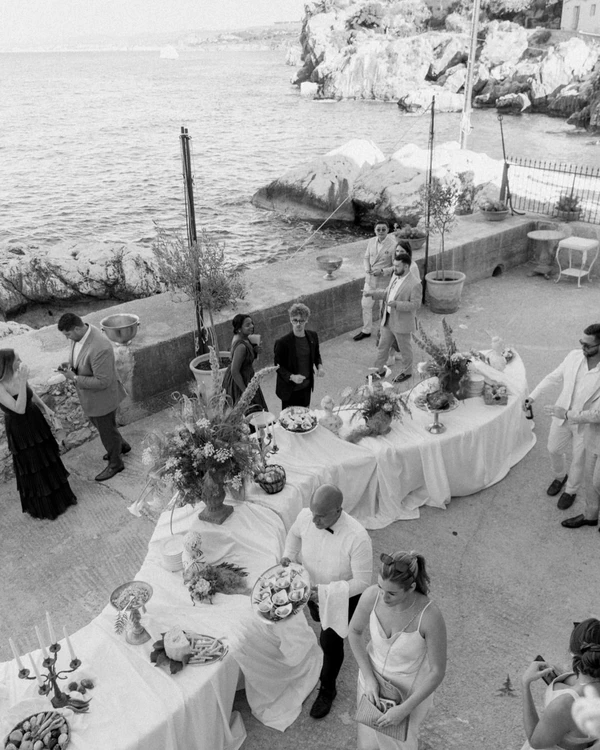
The paperwork doesn’t necessarily end once you say “I do.” After a legal ceremony, make sure you know how and when you’ll receive your official Italian marriage certificate, and whether you’ll need additional copies for use back home. Depending on your nationality and what you need the certificate for, there may also be further steps to have the document recognized or used by authorities in your home country. It’s worth confirming this before you leave Italy, rather than realizing months later that there’s one final piece of paperwork still waiting for you.


Comune Approval & Venue Licensing
The comune (the local town hall) has final approval, and every comune runs its own version of the process, sometimes requiring the couple to appear in person days before the ceremony to formally declare intent to marry, often with an interpreter present if you do not speak Italian. Not every gorgeous venue is licensed to perform a legal ceremony, either, since that licensing runs through the comune separately from the venue's own booking process. So if you're hoping to legally marry at your venue, it's worth confirming before a contract gets signed.

SIAE & Music Licensing
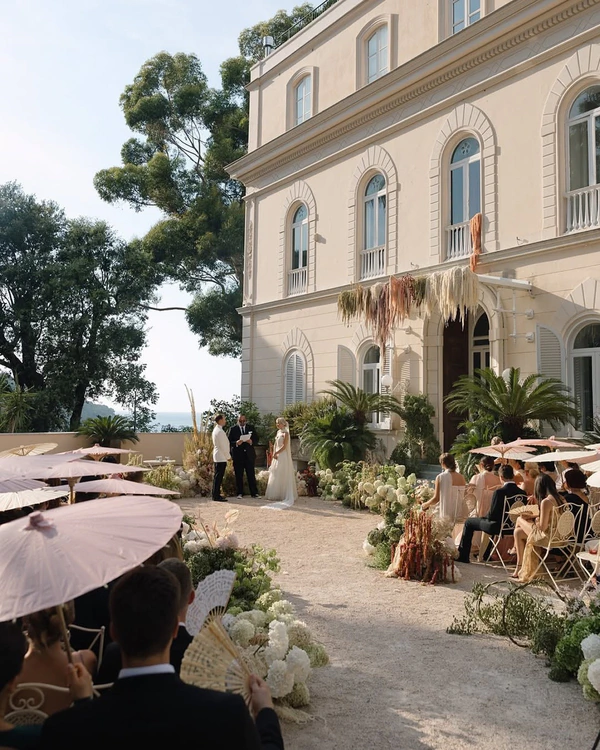
Music comes with its own paperwork in Italy. If you’re planning a DJ, band, or even recorded music at your reception, you may need a SIAE licence to cover the use of copyrighted music. The cost depends on factors including your guest count and whether the music is live or recorded, and it’s separate from any venue rules around noise and curfews. It’s an easy detail to overlook, so check with your planner or venue early on to confirm what’s required and who will be responsible for arranging it.

Noise Curfews
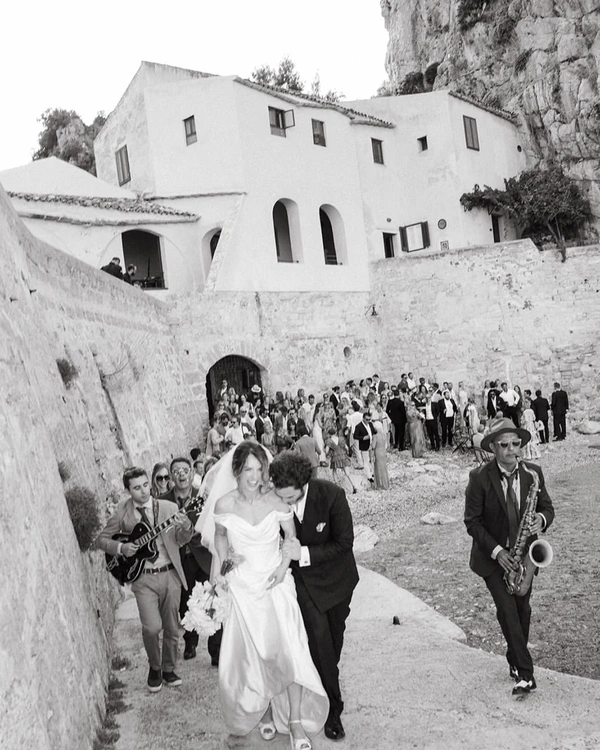
Quiet hours in Italy are enforced, and cutoffs are set locally. Some towns pull the plug on music by midnight, others later, and rural properties tend to have a bit more freedom than venues near residential centers. The number should be in the vendor contracts and the day-of timeline, so if a late-night party is essential to you, be sure to verify your venue's policy and local regulations beforehand.


Historic Venue Restrictions
Italy's properties often come with real history. The countless stunning villas, former monasteries, and castles might be under heritage protection or answer to a preservation authority on top of the comune. That can mean restrictions on open flame, limits on how decor attaches to walls or floors, and caps on guest counts in protected rooms, with approval running on its own separate timeline.


Fireworks & Drone Restrictions
If you're planning to tie the knot in one of Italy's major cities, these can come with their own laws on top of it all. For example, Florence, Venice, and Milan restrict or ban drone flights over their historic centers, with penalties for unauthorized flights running into the tens of thousands of euros, enforced by the Questura and ENAC. Fireworks need local authorization tied to the same safety and noise rules governing the venue's curfew, and live music past curfew needs its own sign-off too. It's always essential and respectful to be aware of and follow the rules and regulations of the country you're traveling to, and wedding ceremonies and receptions are no exception.

VAT & Hidden Local Charges
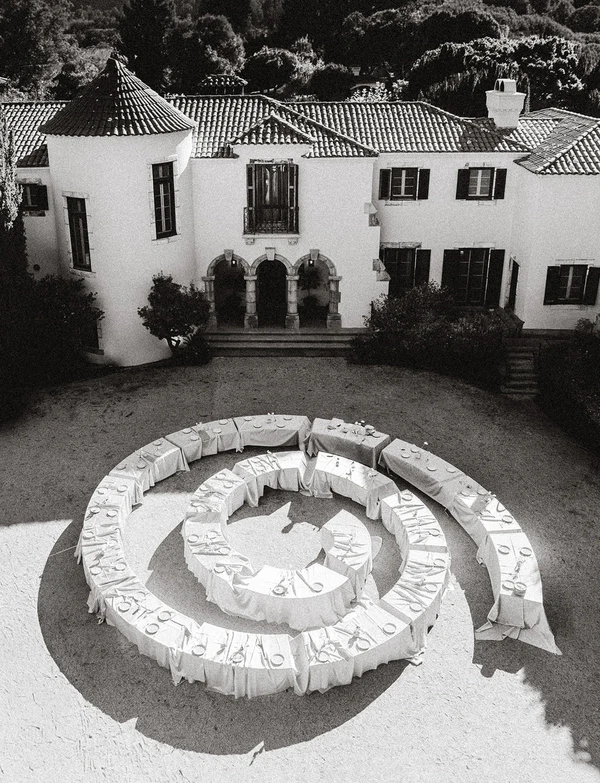
The quoted price on a vendor contract is rarely the final number. Italy applies a 22% VAT (Value Added Tax) to most wedding services, and not every vendor builds it into the initial quote. Many towns also add a tourist tax per guest per night, plus location fees for shooting or hosting at certain historic sites. These are important numbers to factor into your budget and avoid any surprises once you get the bill.

Bringing in International Vendors
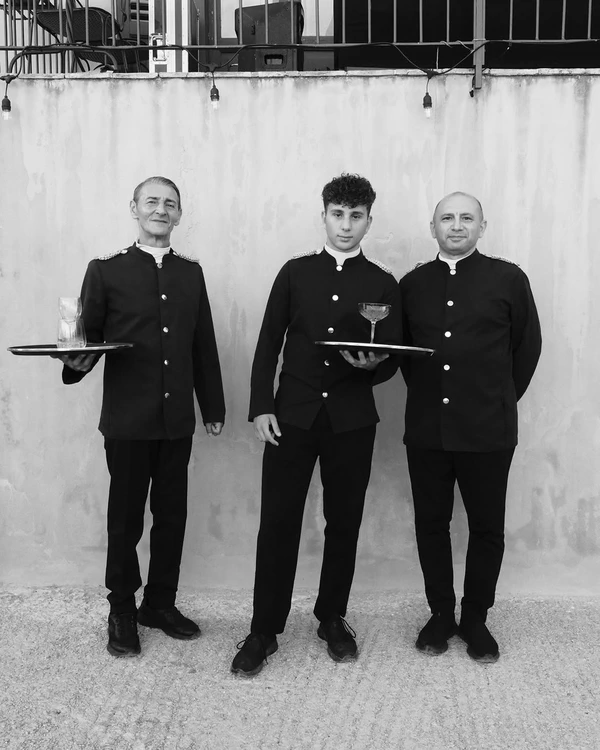
Flying in a photographer or florist from home is common and allowed, but it isn't always frictionless. International vendors may need to register for Italian tax purposes or work through a local fiscal representative, and some venues require a local caterer for health and safety compliance regardless of who else is booked. A few historic properties keep an approved vendor list and won't grant outside teams access at all. As always, be sure to have the vendor policy in writing before anyone packs a bag.

Staying on Top of the Rules & Regulations
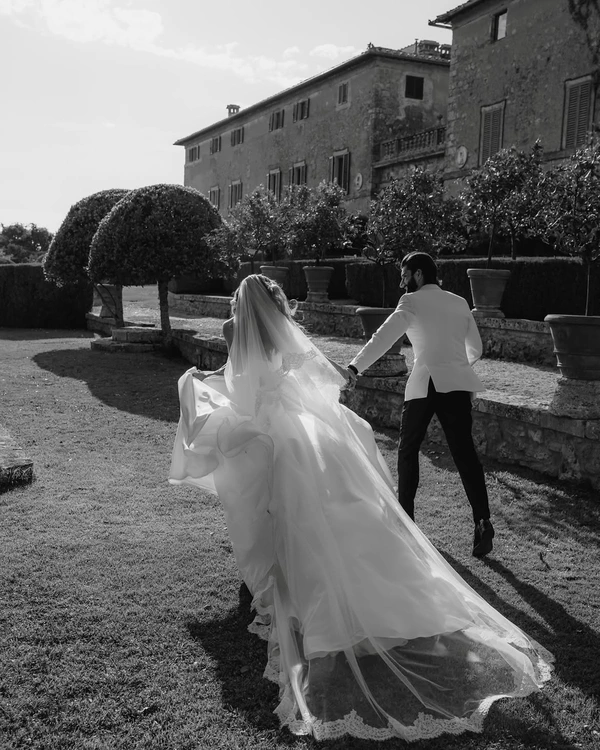
As with any country, rules and requirements like these can shift. Comuni update their processes, permit costs change, and individual venues adjust their own policies year to year. What holds true for a friend's wedding in Tuscany last year might look different for yours this year, and confirming the current requirements directly with your venue, your embassy, and the local comune before you lock in any plans is the one step that protects the rest of them.