Once upon a time, offering guests a plus-one was considered one of the simplest rules in wedding etiquette. Today, it has become one of the most debated. As wedding budgets are stretched further than ever, couples are becoming increasingly intentional about every seat at the table, with a growing number limiting plus-ones to spouses only, leaving long-term partners, fiancés, and unmarried couples on the sidelines. What might seem like a practical planning decision has opened a much larger conversation about recognition, belonging, and what constitutes a relationship worthy of a seat at the table. In an era where relationships rarely follow a single formula, the spouses-only policy raises a provocative question: is marriage still the ultimate marker of partnership, or are wedding traditions struggling to keep pace with modern love?


The Wedding Guest List Rule Sparking Drama
Every wedding comes with a set of decisions that inevitably please some people and disappoint others, but few are generating as much discussion right now as the rise of the spouses-only plus-one policy. Faced with climbing costs, limited venue capacities, and increasingly complex guest lists, some couples are choosing to invite only legally married partners. Boyfriends, girlfriends, long-term partners, and even fiancés are sometimes being left off the list altogether. For some, the approach feels practical rather than personal — a way to create clear, objective boundaries in an era when weddings can easily exceed their original scope. Yet what appears straightforward on paper often becomes more complicated in practice. As relationship norms continue to evolve, the question is no longer simply who gets invited, but which relationships are considered worthy of recognition. Unsurprisingly, opinions on the matter are deeply divided.
Why Couples Are Drawing a Hard Line on Plus-Ones
The logic behind the policy is easy to understand. Weddings have become significantly more expensive, and every additional guest impacts everything from catering costs to seating plans and transportation arrangements. For couples hosting destination celebrations or intimate gatherings, numbers matter in a very tangible way. Establishing a spouses-only rule can feel like an efficient solution, removing the need to make subjective judgments about the seriousness of individual relationships. Rather than debating whether someone has been dating for six months or six years, the line is already drawn. Many couples also argue that they want their celebration to be shared with people they know personally rather than unfamiliar guests.
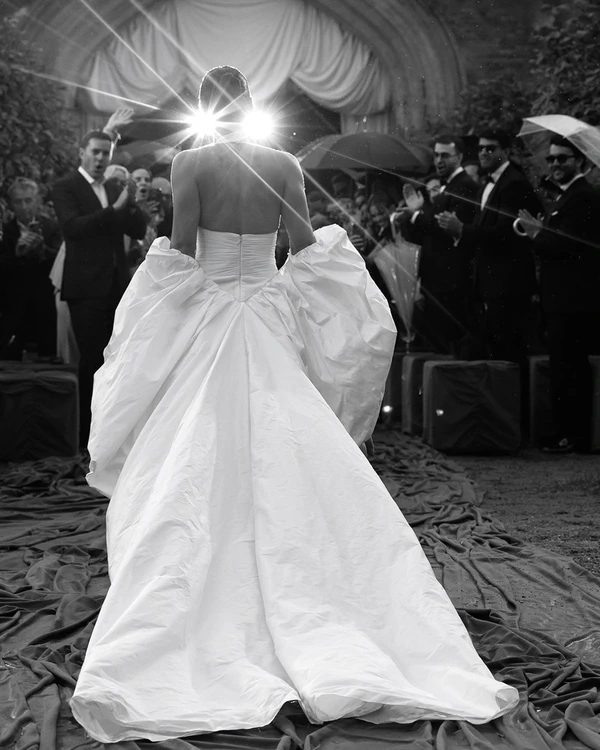

When Relationship Labels
Become a Guest List Hierarchy
The challenge begins when legal status becomes the primary measure of inclusion. A guest who has been with their partner for a decade may suddenly find themselves categorized differently from someone who got married after six months. What starts as a logistical rule can quickly create an unintended hierarchy of relationships. Marriage occupies the top tier, while long-term partnerships, engagements, and other forms of commitment are positioned somewhere below. For many guests, the issue is not about securing an extra invitation but about what the policy seems to imply. Relationship labels, which already carry social weight, become even more significant when they determine who is welcome at an important life event. In this context, a guest list can begin to feel less like a practical planning tool and more like a statement about whose partnerships are considered legitimate.

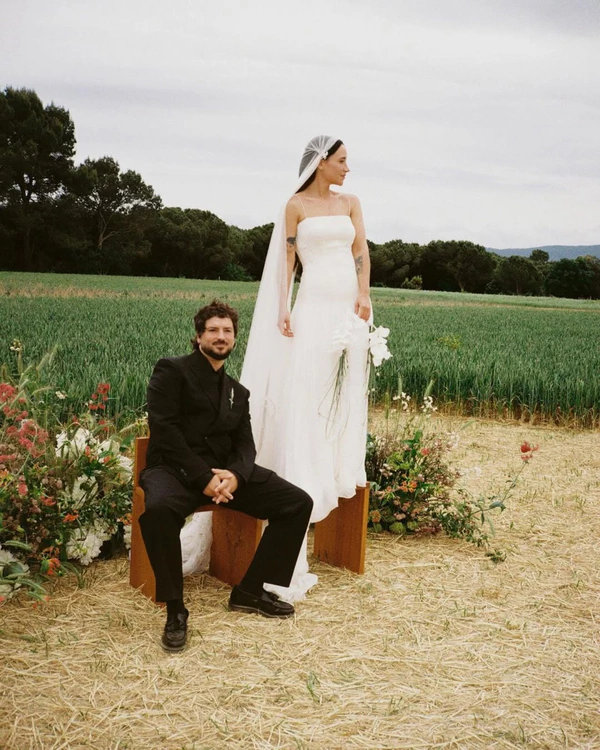
Is Marriage Still the Best Measure of Commitment?
That question feels particularly relevant today, as modern relationships rarely follow a single blueprint. Many couples live together, buy homes, raise children, and build shared lives without ever formalizing their partnership through marriage. Others choose to delay marriage for financial, cultural, or personal reasons despite viewing their relationship as lifelong. Against that backdrop, using marital status as the definitive benchmark for commitment can feel increasingly out of step with contemporary realities. Of course, marriage remains deeply meaningful for many people, carrying legal, emotional, and symbolic significance. But commitment itself has become more difficult to define through a single institution. The debate ultimately reveals a broader cultural shift: while marriage still matters, it is no longer the only relationship milestone people value or recognize.
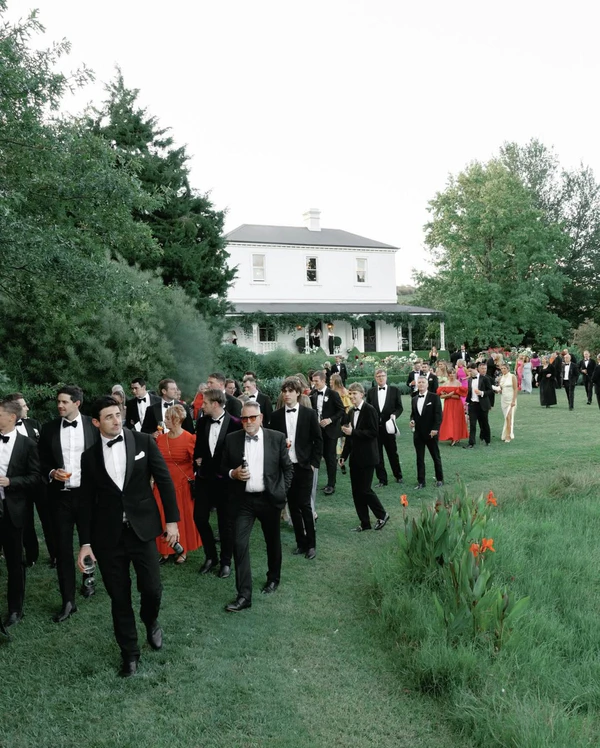
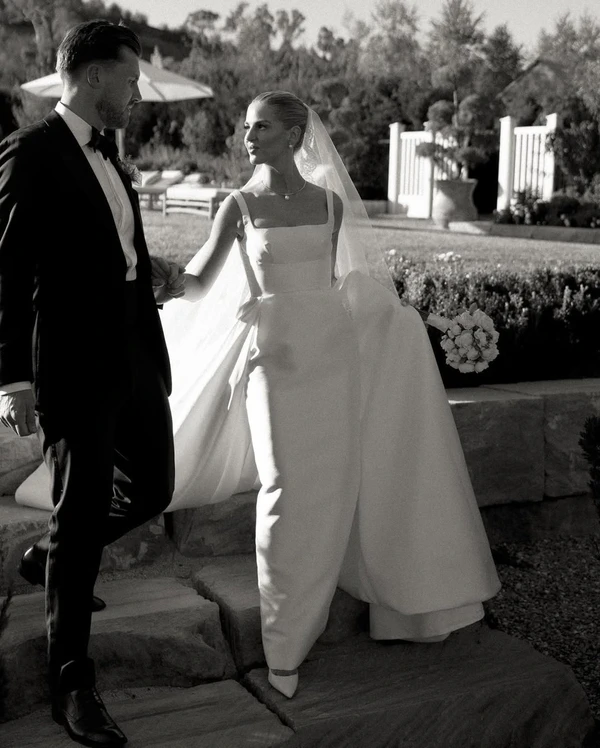
The Etiquette Question: Is It Rude or Reasonable?
Wedding etiquette has always reflected the social norms of its time, which is why there is no universal consensus on this issue. Traditional etiquette generally supports acknowledging established relationships, regardless of whether a couple is married. At the same time, etiquette has never required hosts to invite every guest with a companion. Couples are entitled to create a celebration that aligns with their vision, budget, and priorities. The tension arises when personal boundaries intersect with social expectations. Guests may intellectually understand the reasons behind a policy while still feeling hurt by its outcome. Etiquette, after all, is not only about rules — it is about making people feel respected. The most successful guest list decisions tend to balance practical limitations with emotional awareness.


The Real Consequences of a Spouses-Only Policy
While the policy may solve one planning challenge, it can create several new ones. Some guests may decline invitations rather than attend without a partner, particularly if travel is involved. Others may feel reluctant to celebrate a relationship milestone while their own relationship appears unacknowledged. Family dynamics can become especially complicated when exceptions are granted selectively. What was intended as a neutral rule can suddenly look inconsistent when one sibling's partner is invited and another's is not. Beyond attendance numbers, there is also the question of atmosphere. Weddings are emotional occasions, and guests bring their feelings into the room with them. Even carefully considered decisions can leave lasting impressions long after the final dance ends.


How to Communicate Plus-One Rules
Without Creating Drama
The way a policy is communicated often matters as much as the policy itself. Ambiguity tends to create confusion, while transparency can prevent misunderstandings before they begin. Couples who choose to limit plus-ones should consider explaining their reasoning with honesty rather than relying solely on formal invitation wording. A thoughtful note on a wedding website or a direct conversation can help guests understand the broader context behind the decision. It is also important to avoid language that unintentionally judges certain types of relationships. Framing the policy around venue capacity or budget constraints is often received differently than framing it around relationship status. People may not always agree with the decision, but they are generally more receptive when they feel the explanation is sincere and respectful.


Finding a Fair Balance Between
Budget & Inclusivity
Ultimately, there is no perfect formula for managing a wedding guest list. Every couple is navigating a unique combination of priorities, financial realities, family expectations, and personal values. The goal is not necessarily to satisfy everyone but to make decisions that feel thoughtful and consistent. In some cases, a spouses-only policy may genuinely be the most practical option. In others, making room for long-term partners or engaged couples may better reflect the spirit of the celebration. The most effective guest list strategies recognize that weddings are both logistical events and emotional experiences. Finding balance means acknowledging the realities of planning while remembering that inclusion, in many ways, is one of the most meaningful gestures a host can offer.