Marriage has long been marked by ritual. Across centuries, cultures, and continents, couples have found symbolic ways to express the hopes that words alone rarely can: unity, protection, prosperity, family, remembrance, and the promise of a shared future. Some traditions have endured for thousands of years, while others have evolved with each new generation, yet all were created for the same reason – to give meaning to one of life’s greatest transitions.
Whether rooted in religion, folklore, or ancient superstition, these rituals tell stories far deeper than the gestures themselves. Today, many couples are rediscovering them not out of obligation, but intention, weaving cultural heritage, family history, or simply a deeper sense of symbolism into their ceremony. Ahead, discover 13 wedding ceremony rituals from around the world, what they were originally designed to represent, and how they can inspire a more meaningful vow exchange today.
Celtic Handfasting
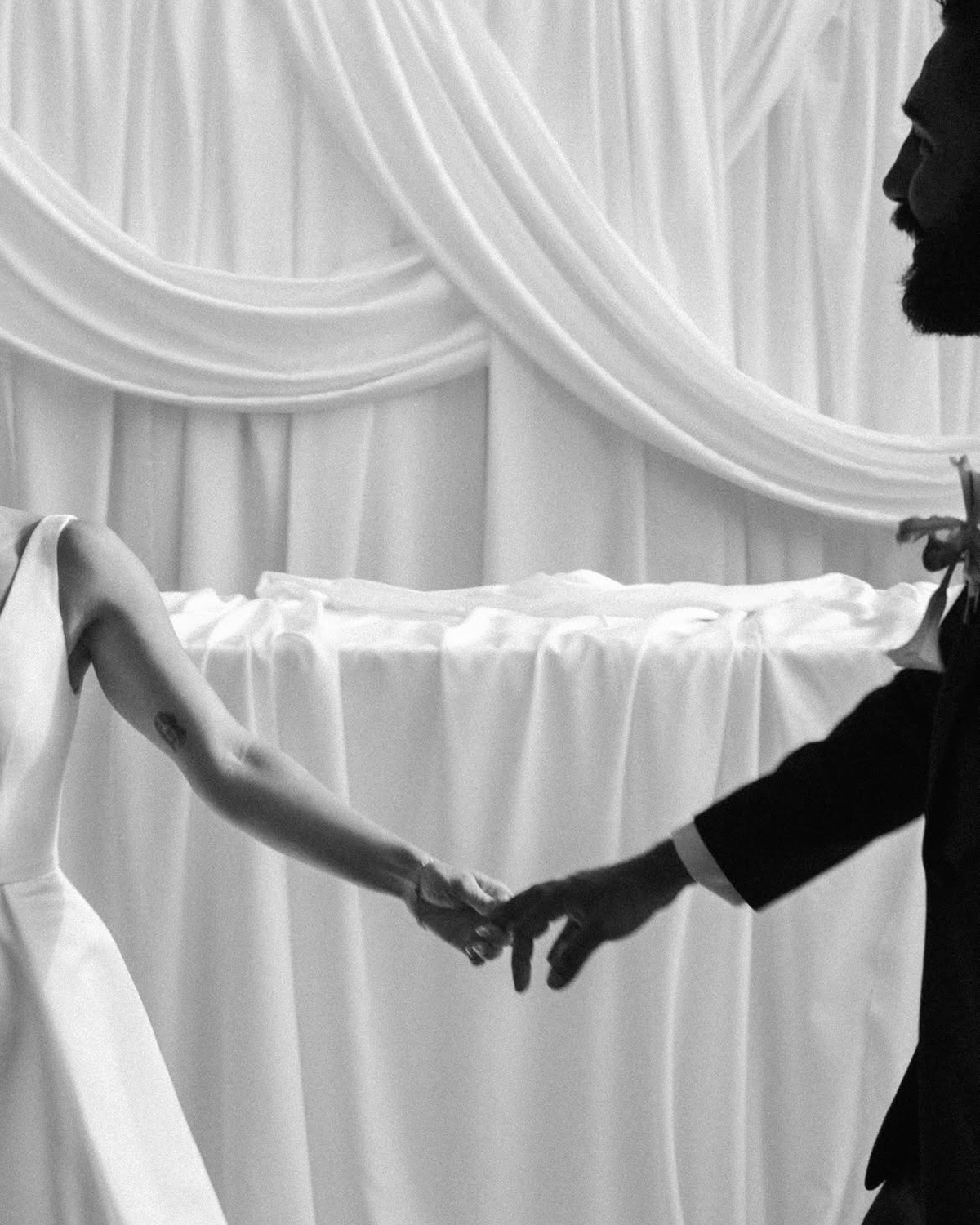
Long before "tying the knot" became a phrase, it was a real act during the ceremony. Celtic handfasting bound the couple's wrists with cord or ribbon during the vows, a gesture so physical that the metaphor eventually outlived the ritual itself. Chinese folklore tells of something similar: an invisible red thread connecting soul mates from birth, tightening but never breaking as life pulls them apart and back together. The idea has resurfaced on social media as "invisible string theory," a modern retelling of the same old belief. Both traditions land on the same conviction: marriage is shown as a physical, visible knot rather than an abstract promise.

Jaimala
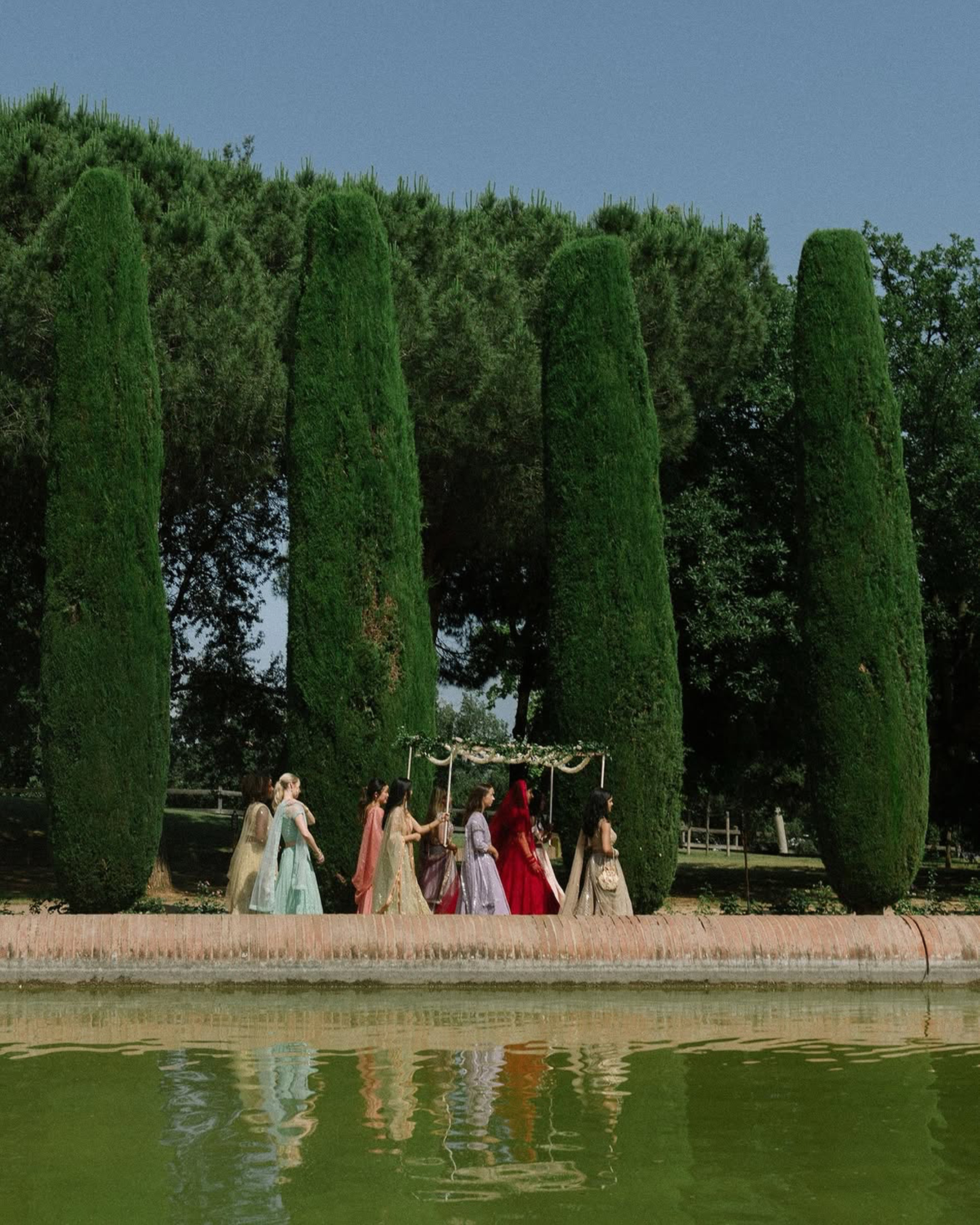
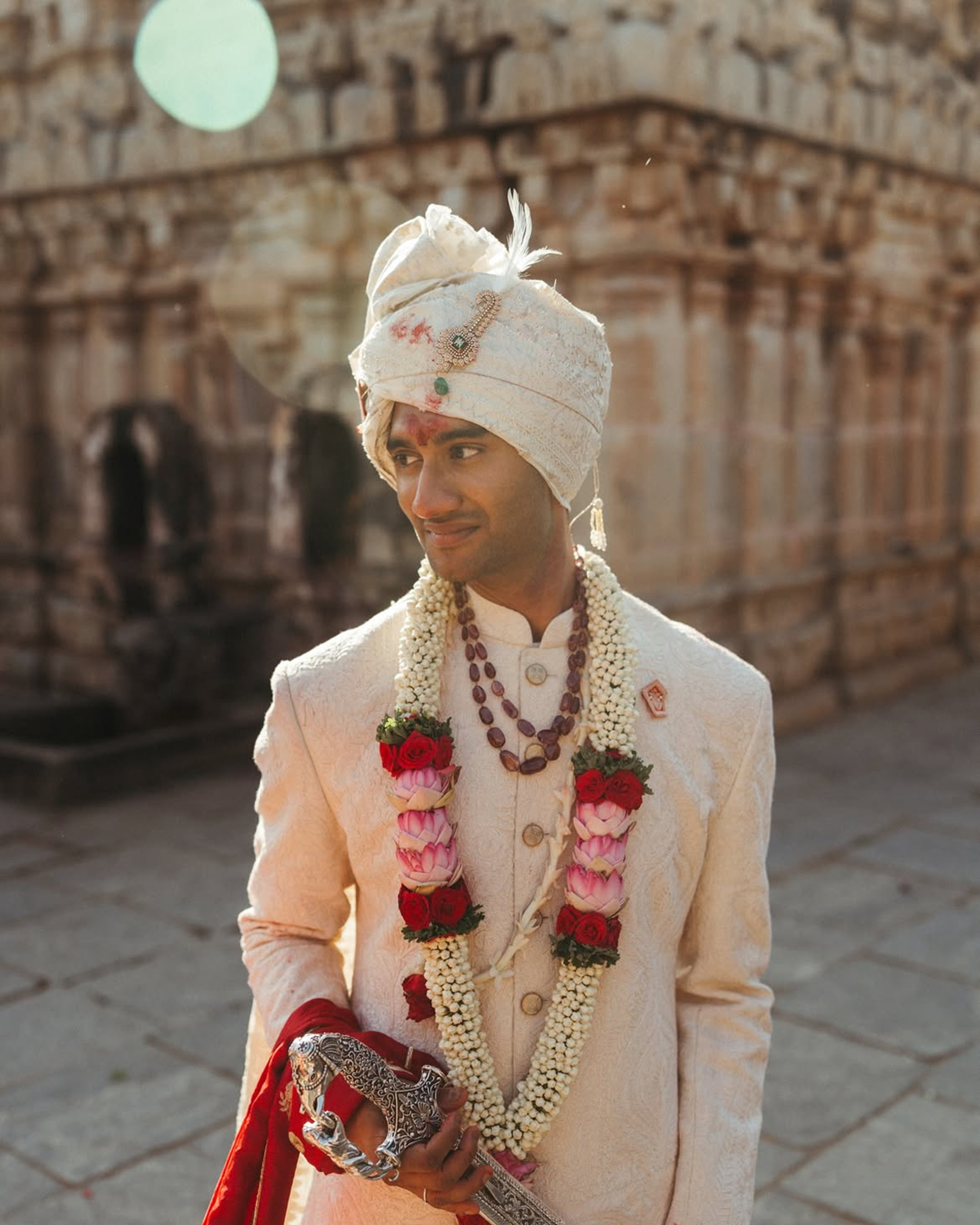
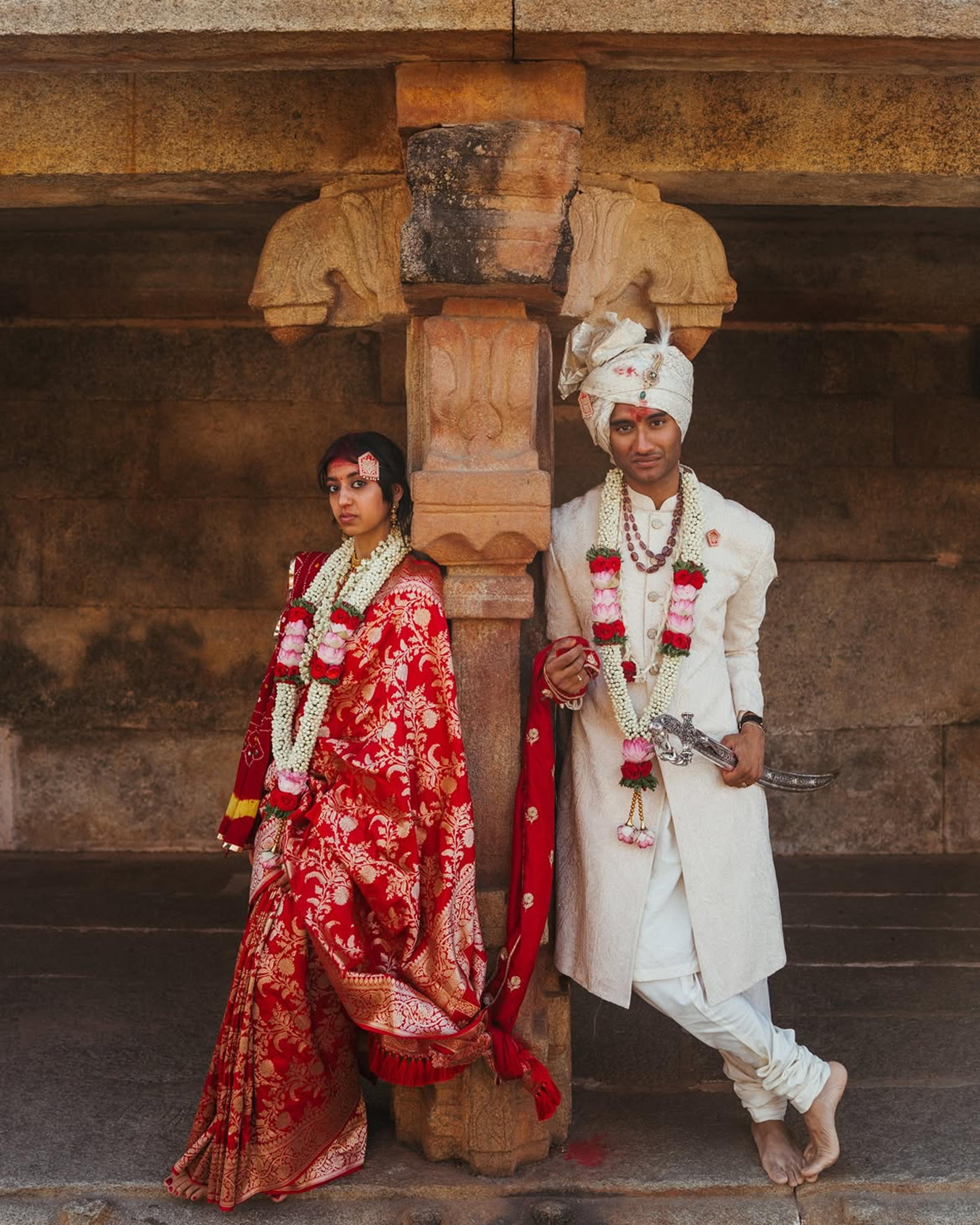
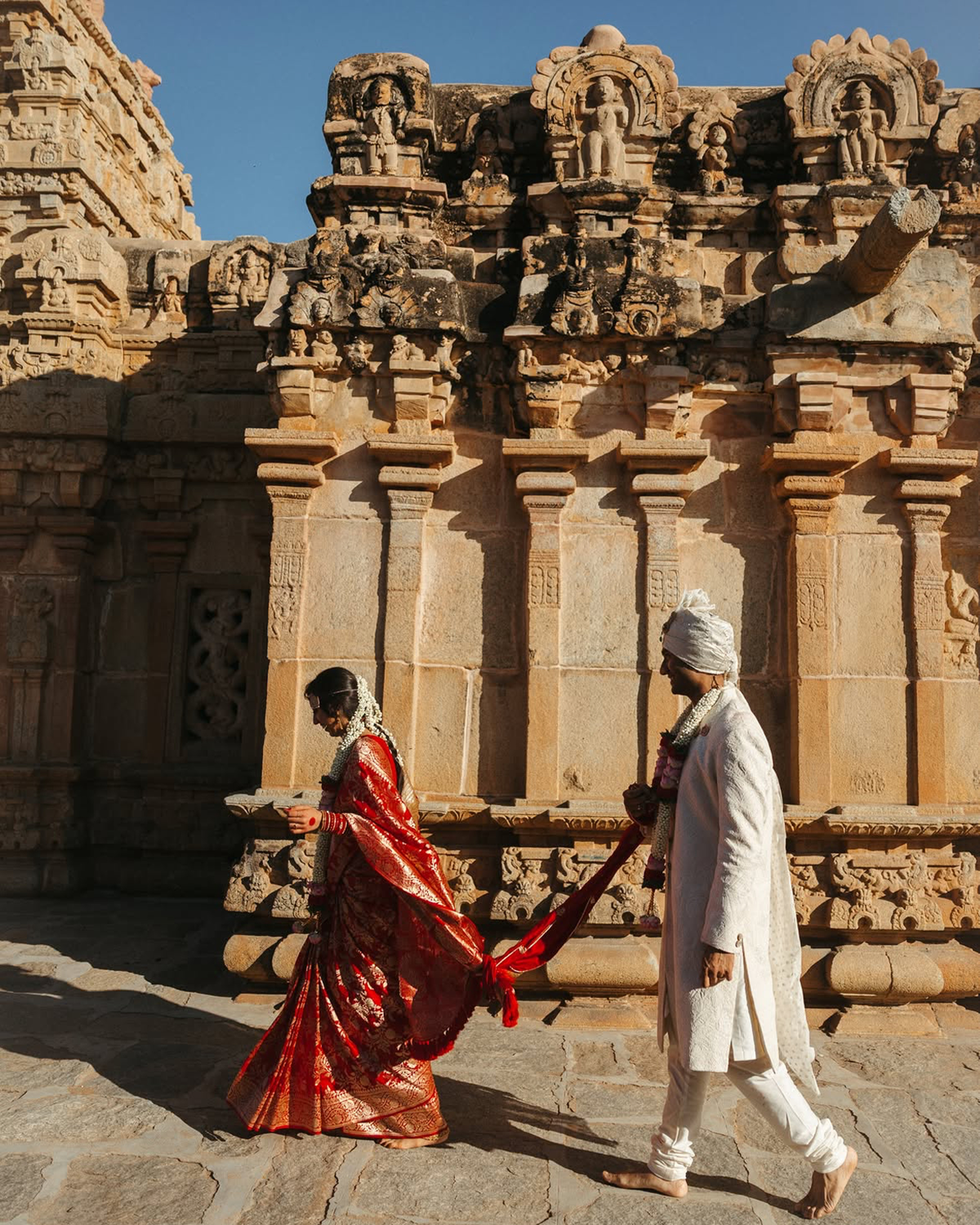
Also called the Varmala, this is the very first ritual guests witness at a Hindu wedding, taking place the moment the groom's procession arrives at the venue. The bride and groom each place a flower garland around the other's neck, a gesture meant to signal mutual acceptance as life partners. The custom traces back to the Vedic period, when the couple—who'd never met before their wedding day—would lay eyes on each other for the first time during this exchange. The bride's family often lifts her onto their shoulders so the groom struggles to reach the garland, with his own family raising him in turn to even the playing field, so it's a bit of theater that's become one of the most anticipated moments of the day.
Tea Ceremony
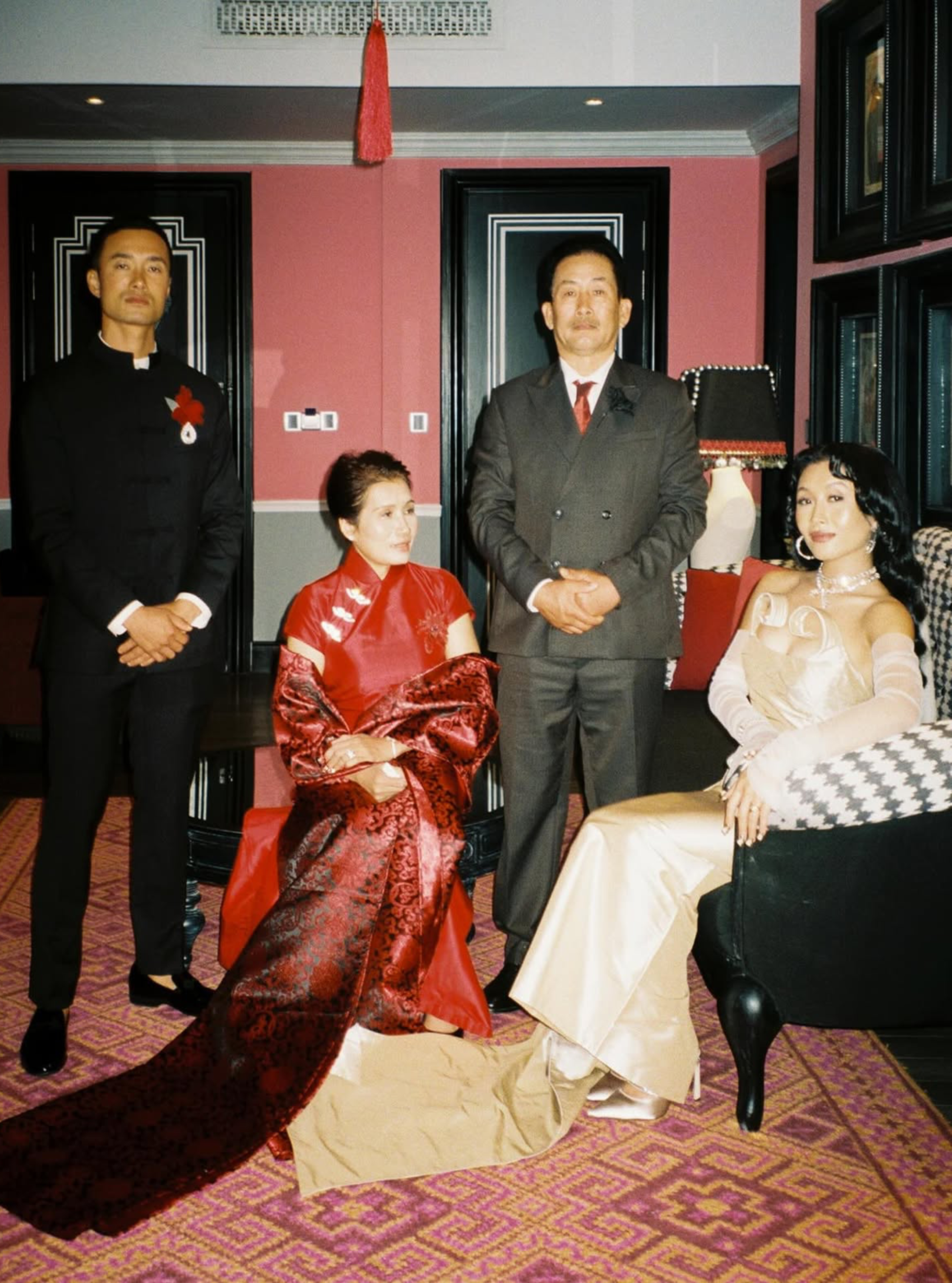
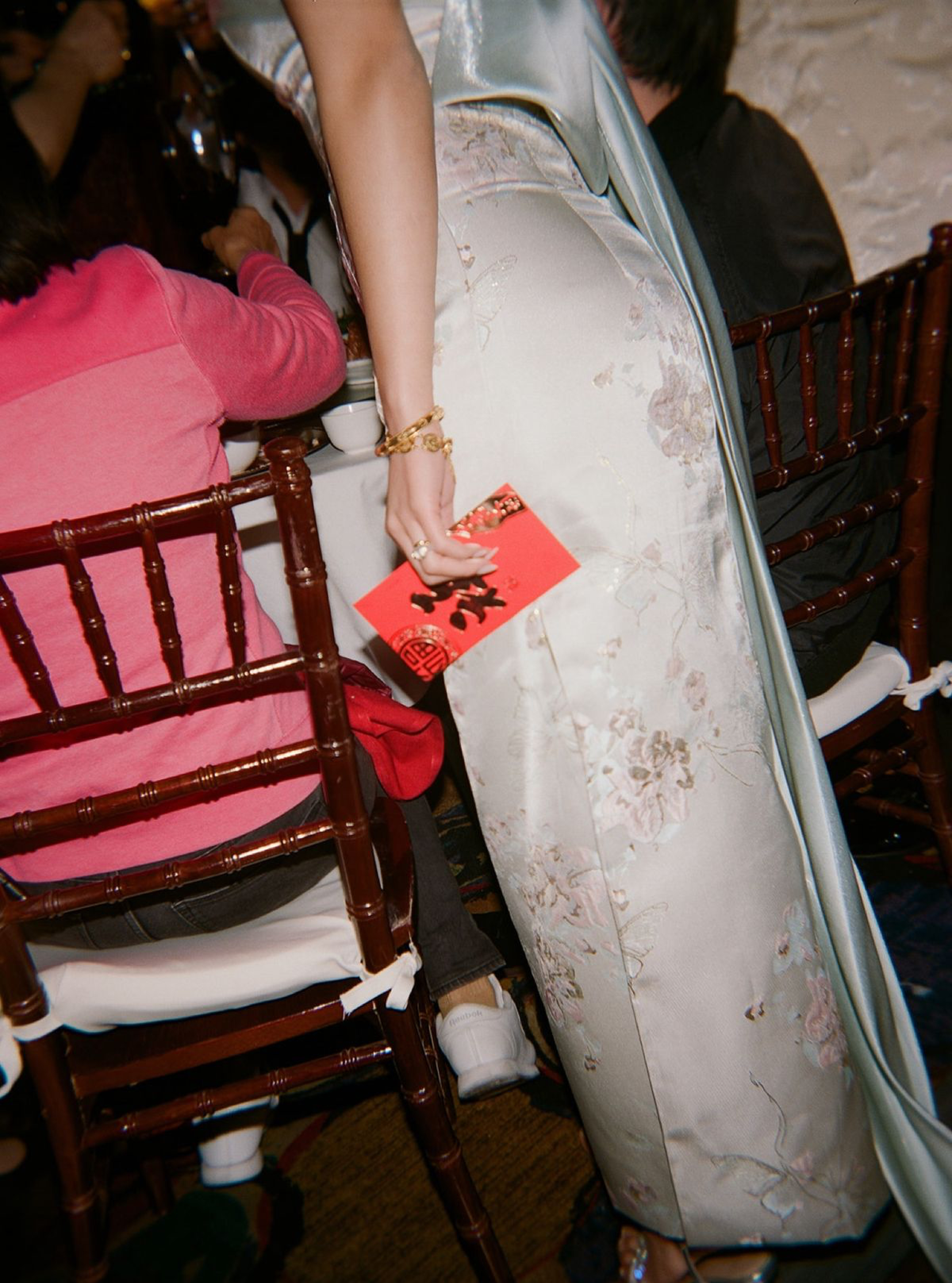
At the center of a Chinese tea ceremony sits a gesture with older roots than the wedding itself—the couple kneeling before their elders, cup by cup, in strict order of seniority. Rooted in Confucian values around filial piety, the tea is often sweetened with lotus seeds or red dates, each ingredient carrying its own wish for fertility or abundance. In return, parents and senior relatives offer a blessing, sometimes tucked inside a red envelope, formally welcoming the newest member into the family line. This ceremony turns the spotlight outward, treating a marriage as something two families step into together, sharing a common thread.
The Chuppah
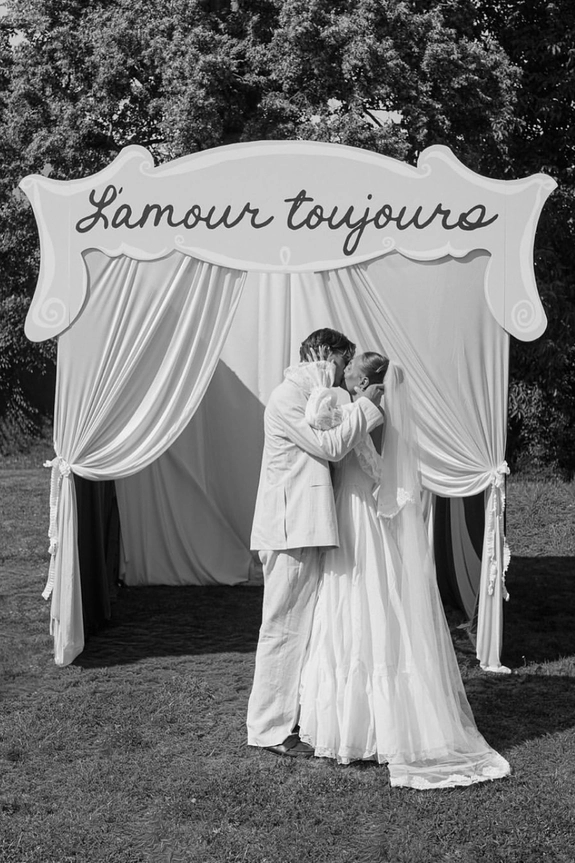
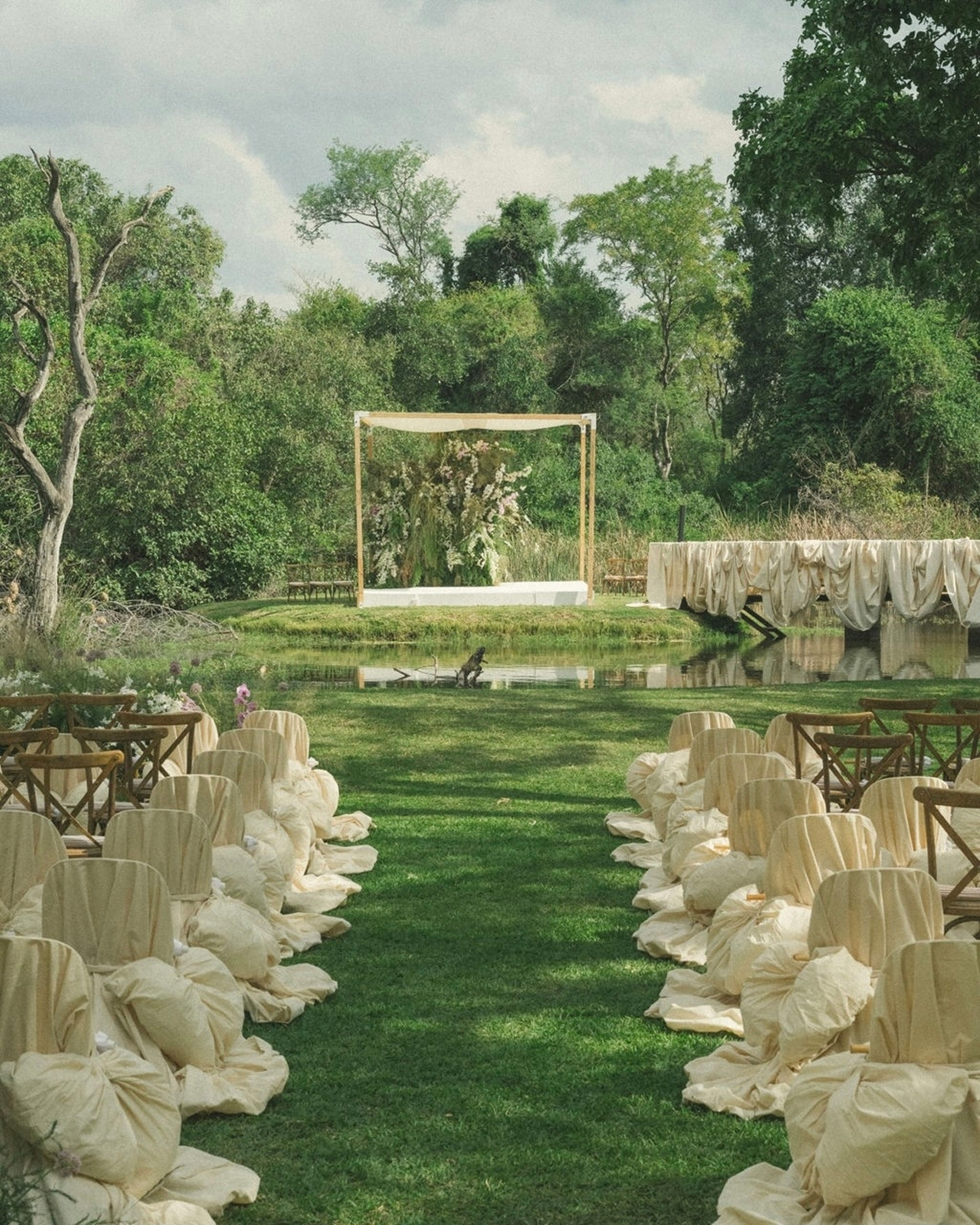
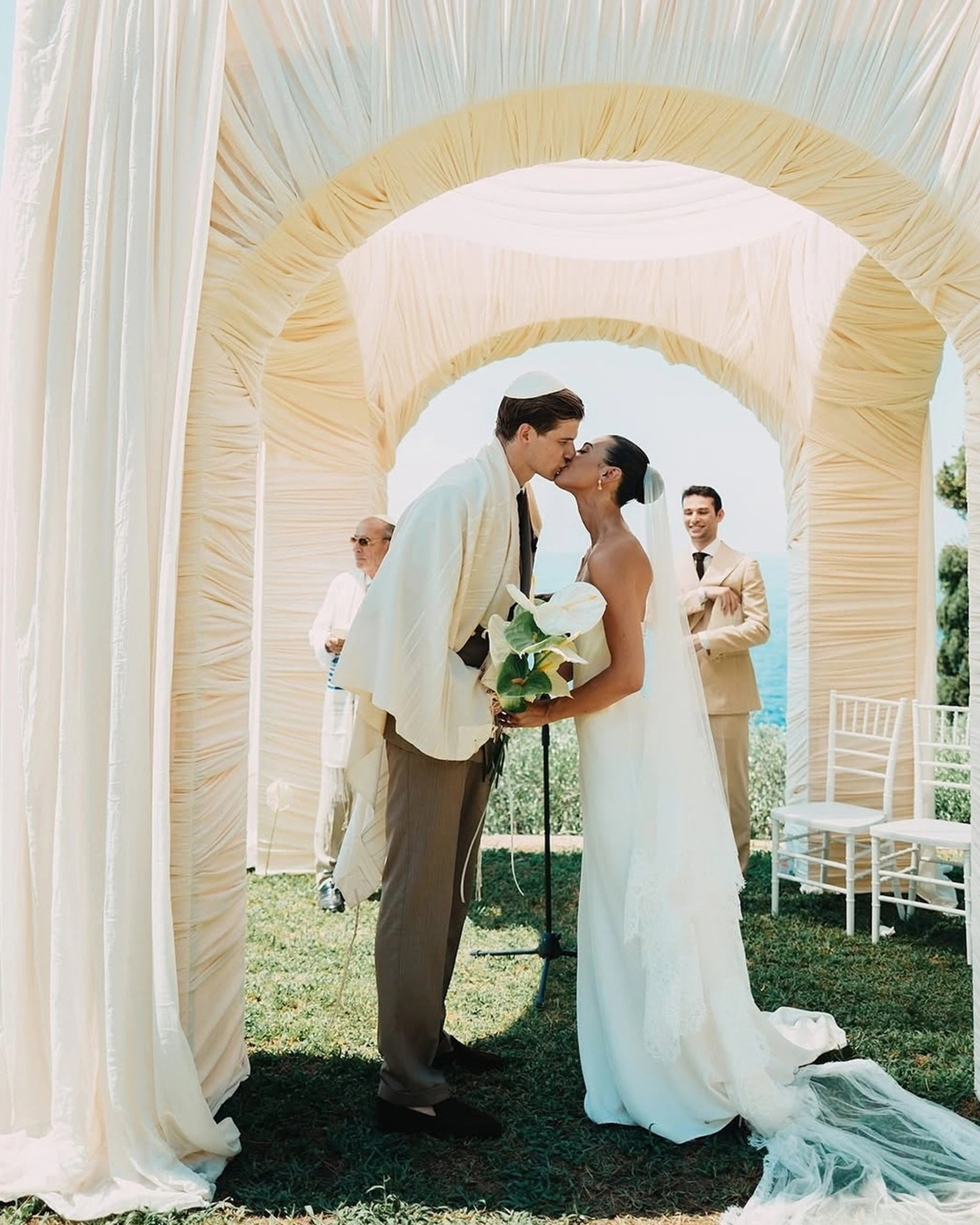
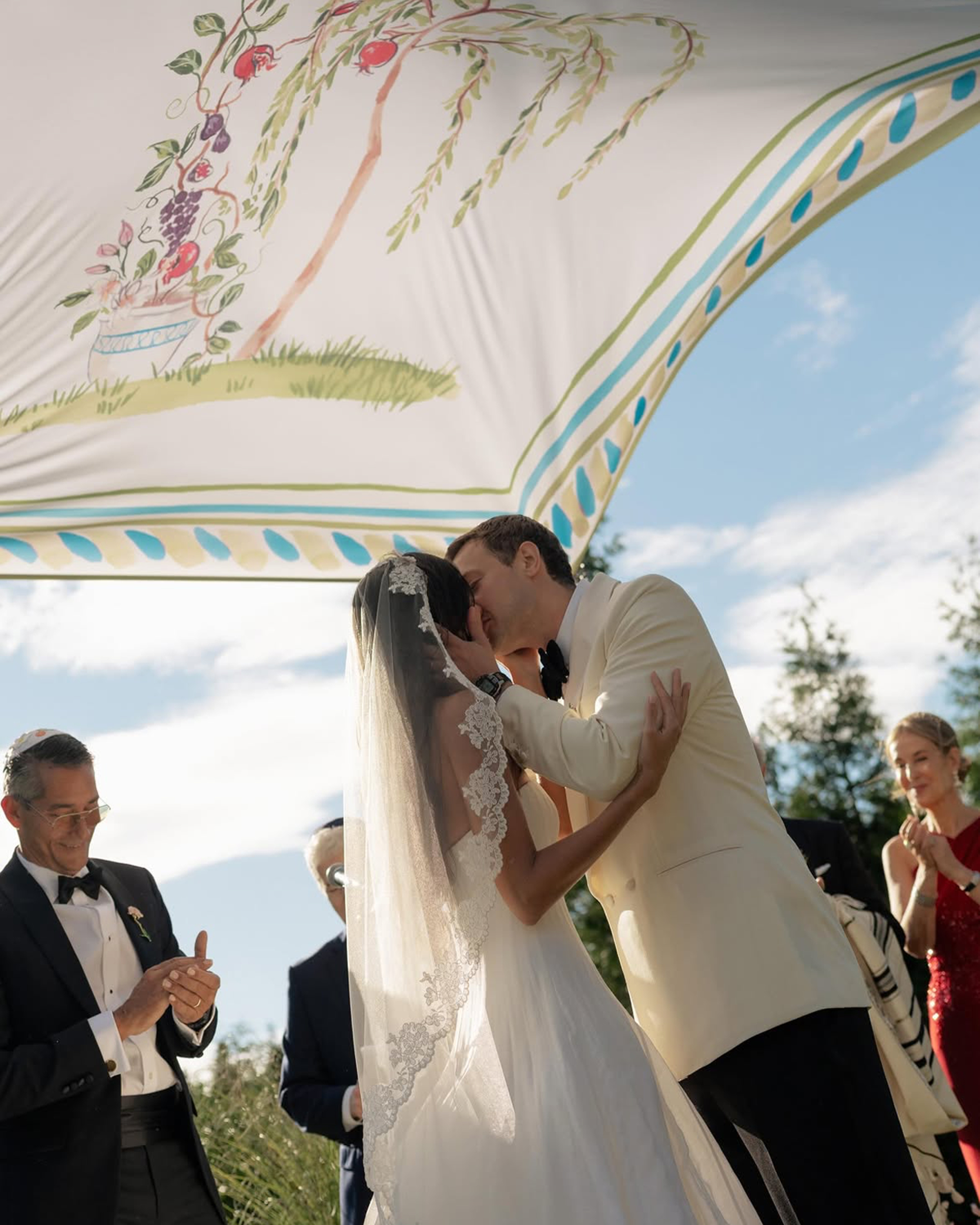
The chuppah is the canopy under which a Jewish couple stands to exchange vows, open on all four sides and held up by poles or, in some ceremonies, even by the hands of loved ones. Its openness is the entire point, symbolizing a home built without barriers, ready to receive family, community, and whoever else arrives at its edges. Some couples choose fabric passed down from a parent's own chuppah or tallit, folding decades of history into the literal structure over their heads.
Stefana
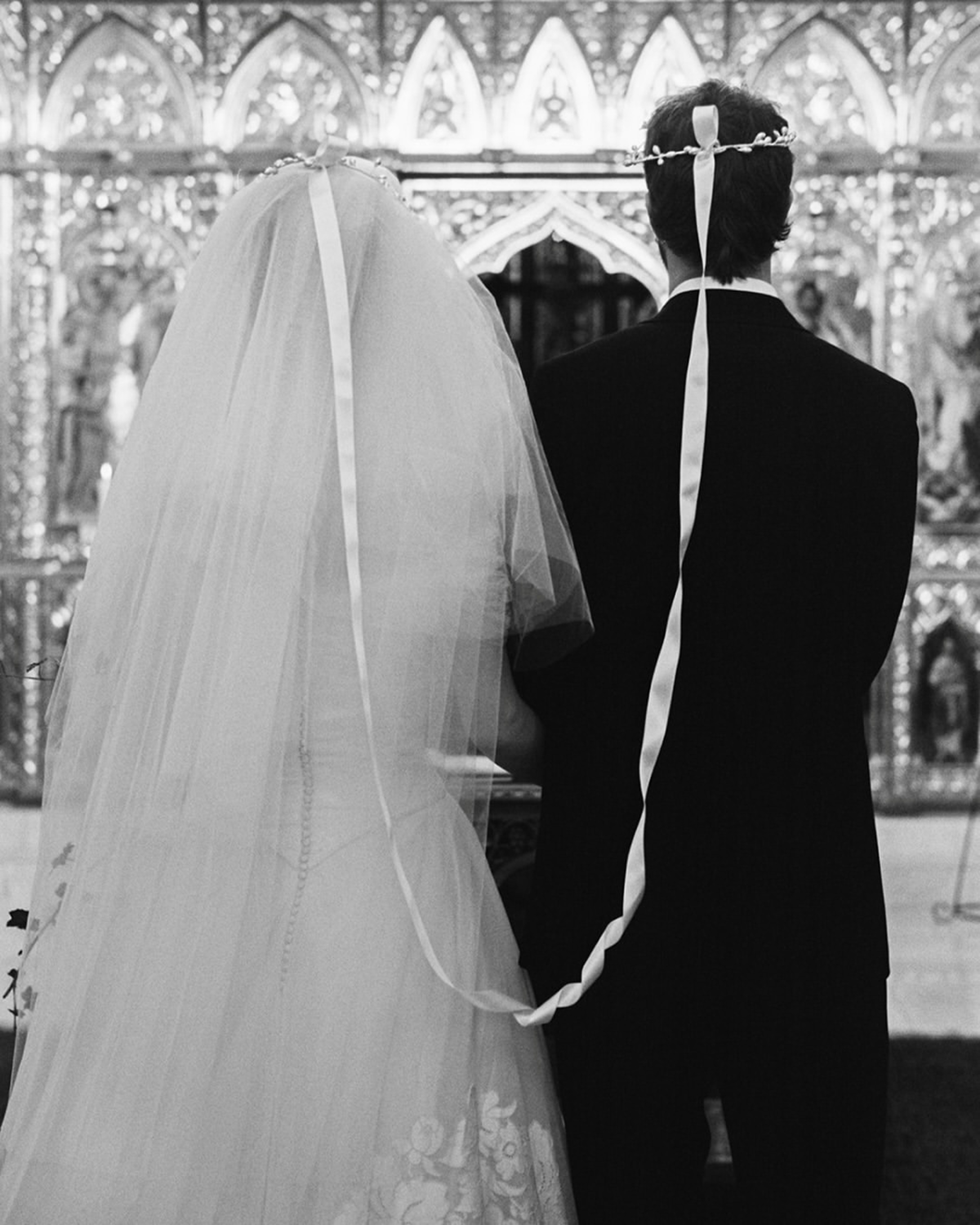
Long before they meant anything spiritual, stefana were olive-branch victory wreaths, and Greek Orthodox weddings eventually turned that same crown into a symbol of the couple's spiritual triumph rather than an athletic one. Two matching crowns, joined by a single ribbon, are placed on the heads of the bride and groom to mark them as king and queen of the household they're about to build together. A priest blesses the couple three times before their koumbaros, or best man, leads them in three circles around the altar table, still wearing their crowns—a nod to the Trinity and a couple's first steps as husband and wife. Many families keep the crowns afterward in a case called a stefanothiki, sometimes handing them down for a next generation to wear at their own wedding.
El Lazo
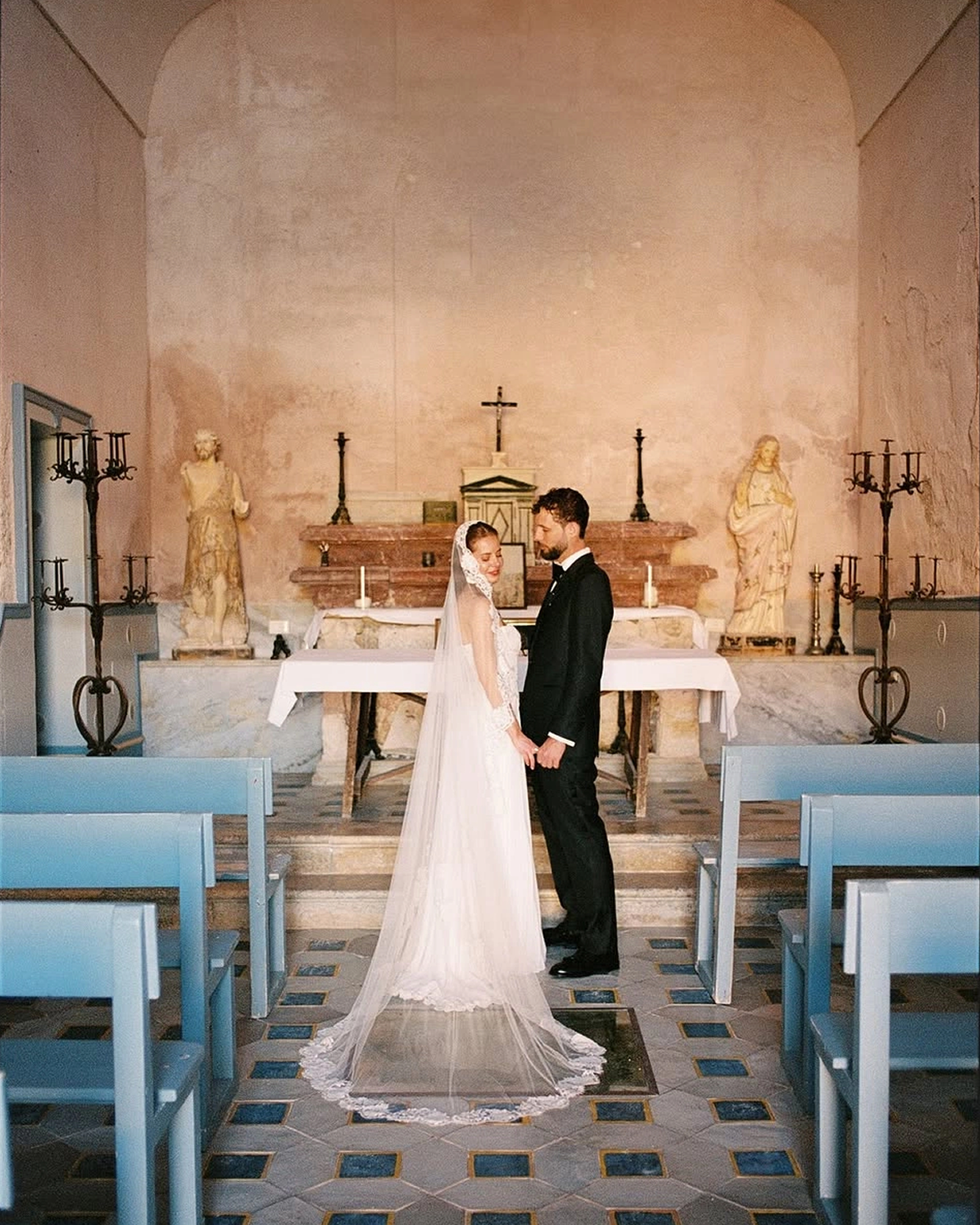
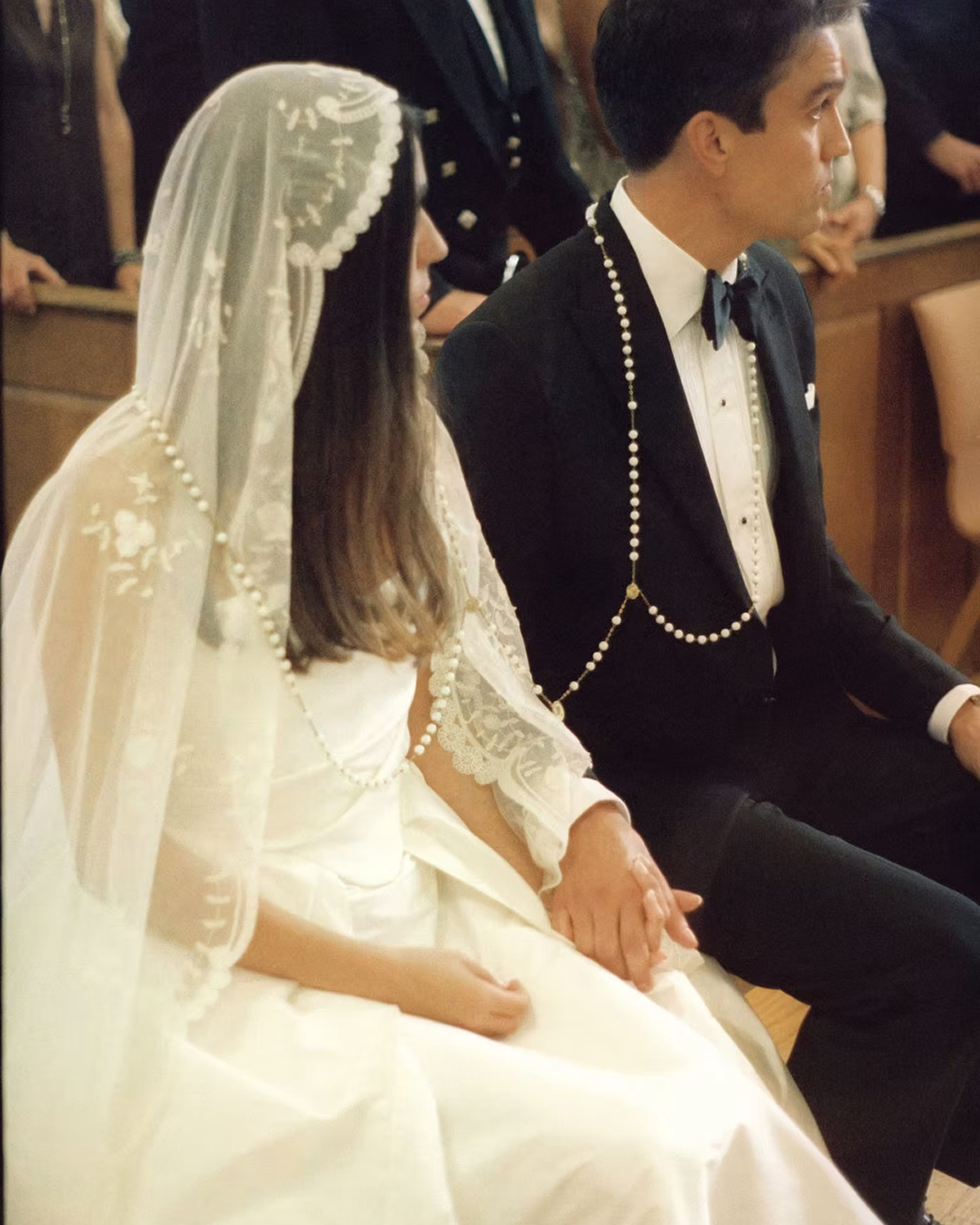
In Mexican Catholic weddings, once the couple has exchanged vows, their padrinos (sponsors chosen for the strength of their own marriage) drape a cord, rosary, or ribboned lasso around both their shoulders in the shape of a figure eight. The custom is believed to trace back to seventh-century Spain, carried across the Atlantic and folded into the Catholic wedding mass over centuries of practice. Some accounts trace the gesture even further, to Mayan tradition, where a similar cord honored family members who couldn't be present at the wedding and welcomed the newlyweds into their community as husband and wife. The couple wears the lasso resting across their shoulders for the remainder of the ceremony, a visible reminder to everyone watching that the two are now bound as one. Many couples keep the lasso afterward, displaying it in their home as a lasting piece of the day.
Giving Away the Bride
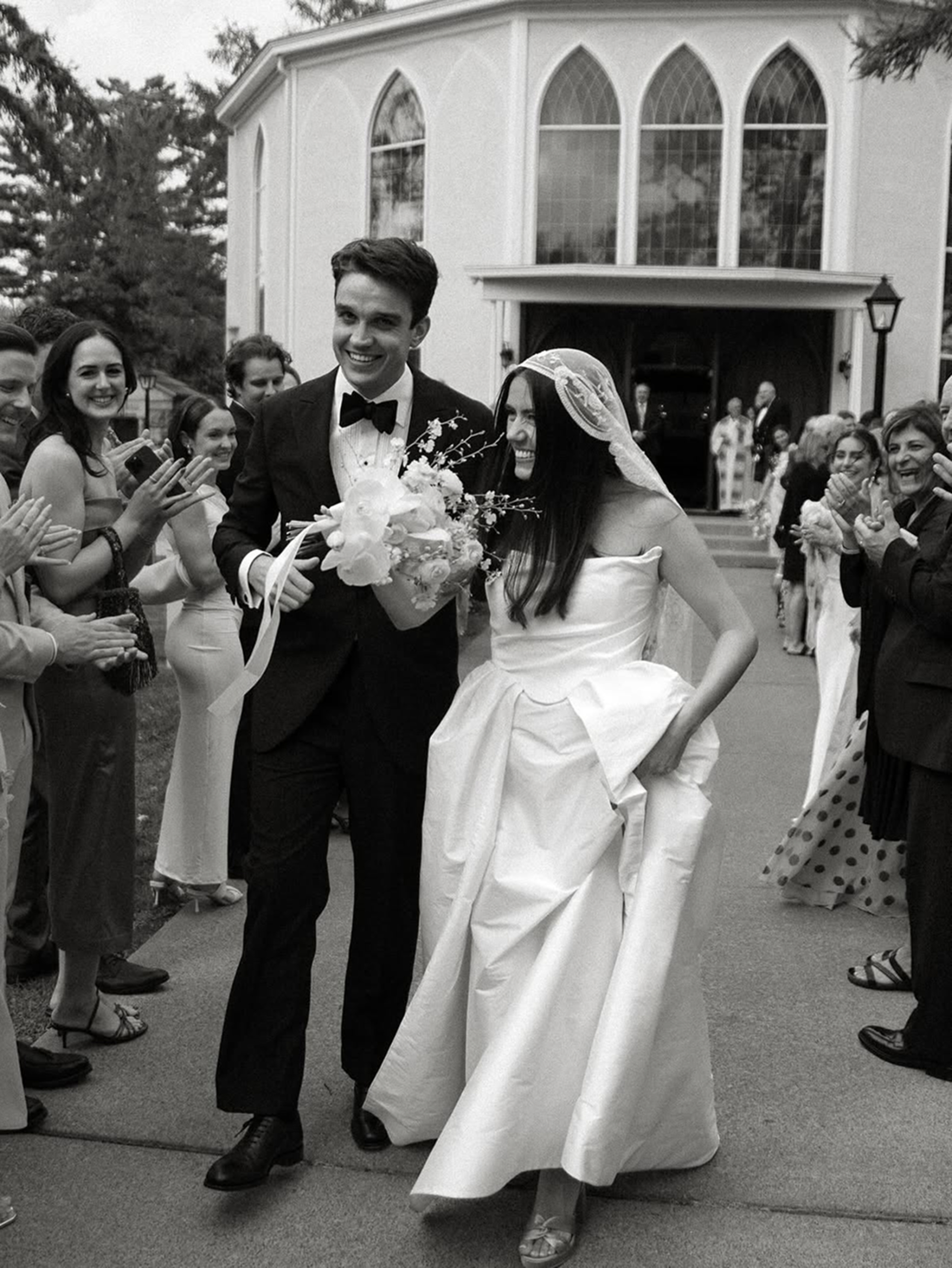
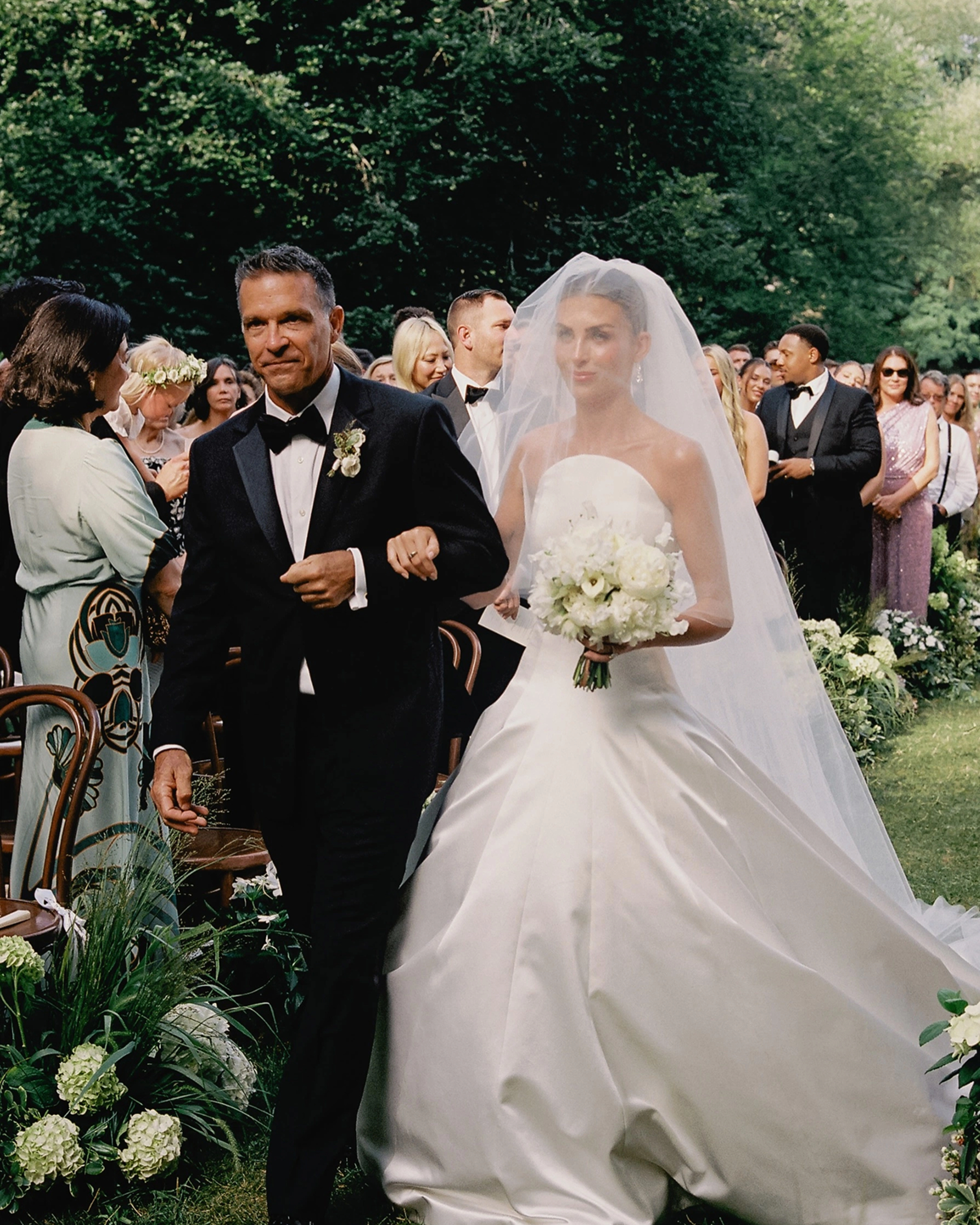
The tradition of "giving away" the bride has a far less sentimental origin than the moment usually gets credit for. It traces back to marriage as a legal transfer of property, a father formally handing custody of his daughter to her new husband. For centuries the gesture had nothing to do with love and everything to do with ownership, finalized in front of witnesses so no one could later dispute the exchange. Modern couples have largely stripped the ritual of its original meaning, with many choosing to have both parents walk the bride, or skipping the hand-off altogether in favor of walking down the aisle unaccompanied. For those that uphold this tradition, it's seen more as a sentimental gesture entirely rewritten from its source, stripped of the meaning it once literally carried.

Kalava
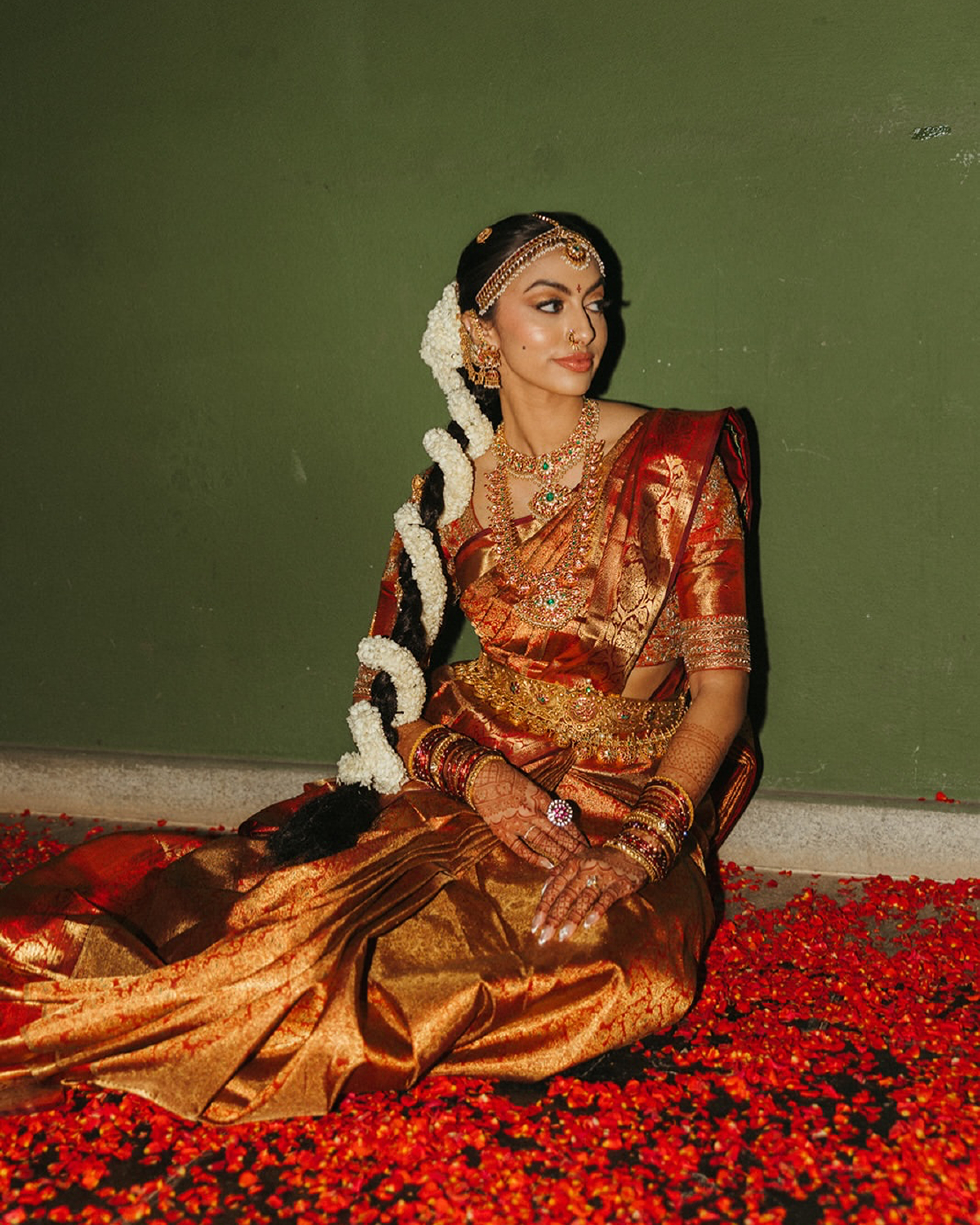
Known also as mauli, this red-and-yellow thread is tied around the wrist before any major Hindu ceremony, wedding included, as a mark of protection and blessing. During the wedding itself, a priest ties the thread to the groom's wrist first, and the groom then ties that same thread onto the bride's wrist in turn, extending a single unbroken cord of protection from one partner to the other. The thread is meant to invoke blessings from the Hindu deities presiding over the ceremony, and by custom it goes on the right wrist for men and the left for women. Couples now sometimes choose the thread's color deliberately (red for vitality, yellow for prosperity, white for peace), turning a fixed ritual into one with a little more room for a couple's own meaning.
Breaking of the Glass
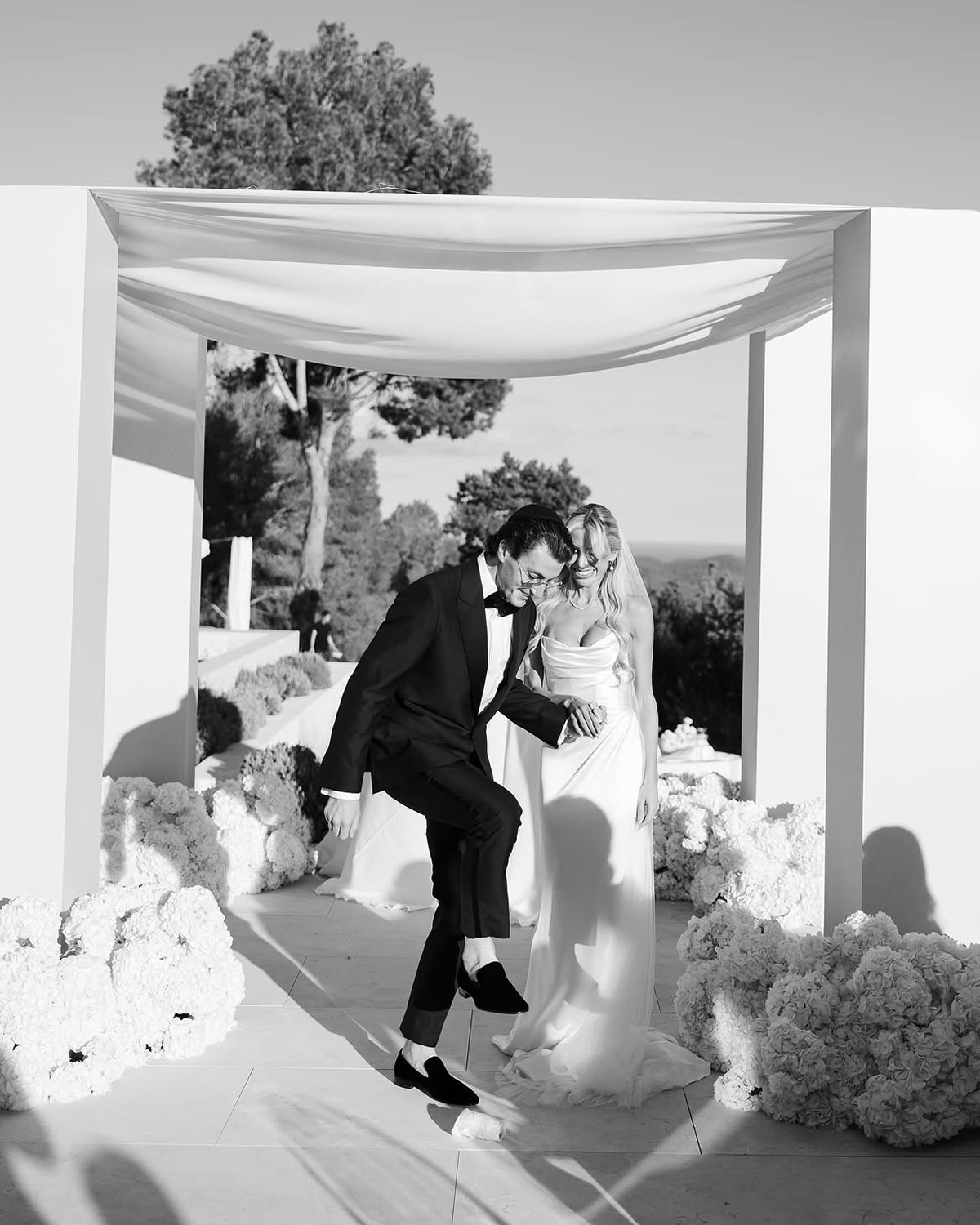
Toward the very end of a Jewish wedding ceremony, the groom (or, increasingly, both partners together) crushes a glass underfoot, wrapped beforehand in cloth to keep the shards contained. The custom is tied to the destruction of the Temple in Jerusalem, a moment of loss folded deliberately into a ceremony built for joy, so that even at its happiest a couple is reminded life still holds both. Guests typically respond with a shout of "Mazel tov!" the instant the glass breaks, turning what could read as somber into an eruption of celebration instead. Couples today sometimes save the shards afterward, having them set into a mezuzah or a piece of jewelry, so the broken glass keeps a second life well past the ceremony that broke it.
The Oathing Stone
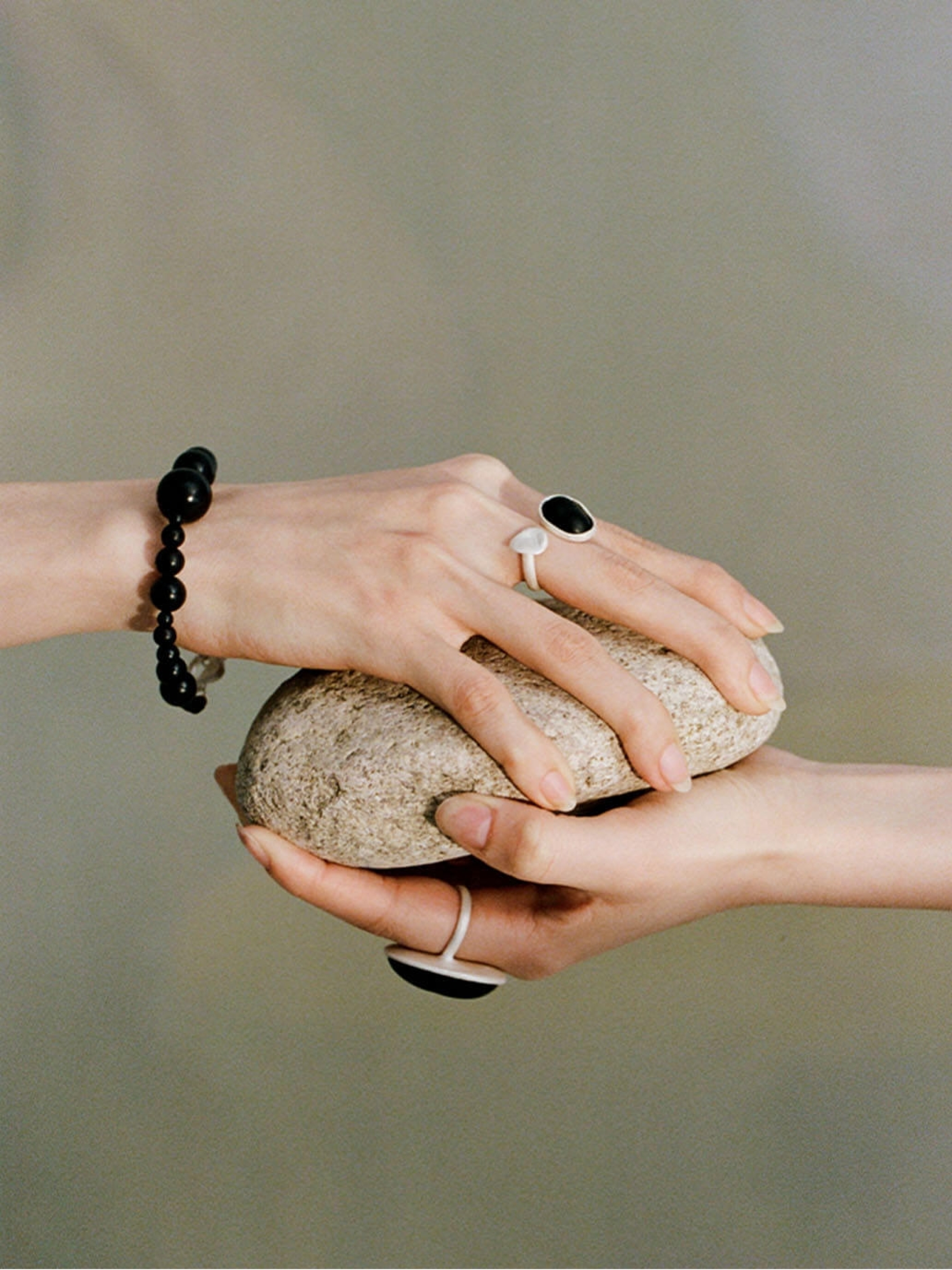
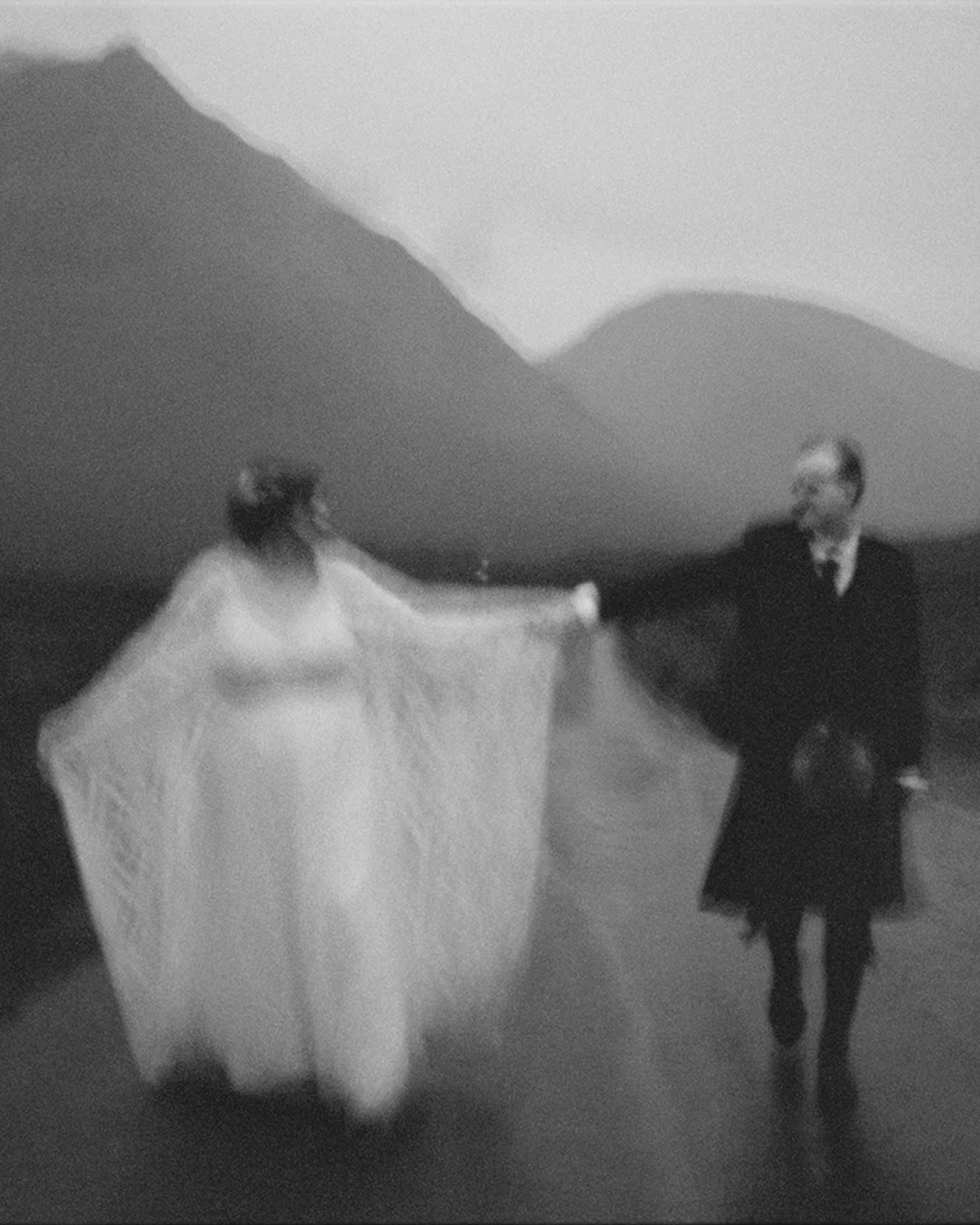
Centuries before wedding rings existed, Celtic couples in Scotland gathered near water—a stream, a loch, a stretch of coastline—to speak their vows with their hands resting on a stone. The stone worked as a kind of bridge between the couple and the ancestral spirits believed to live in the land around them, and setting a promise into something as permanent as stone is thought to be where the phrase "set in stone" comes from in the first place. Once Christianity displaced the older Celtic beliefs, the ritual faded from religious ceremonies, but it's found its way back through humanist and civil weddings, where couples now often choose a stone from a place that means something to them. Some pass it through the guest list beforehand, so every hand at the wedding has held it before the couple's own do.
Blanket Ceremony
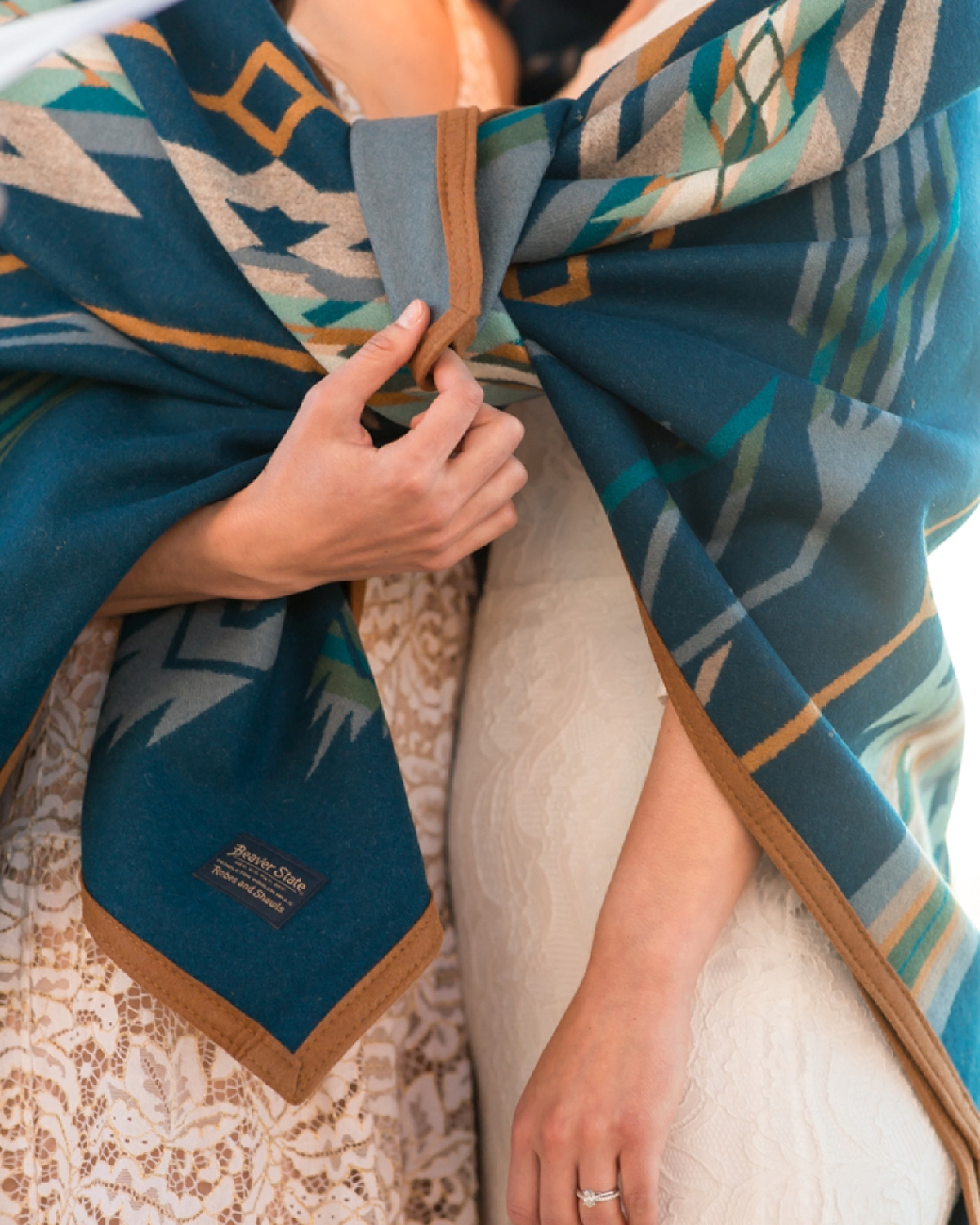
Common in Cherokee weddings, this ritual starts with the bride and groom each wrapped separately in a blue blanket, standing in for the sorrows and struggles of the individual lives they lived before meeting each other. Partway through the ceremony, an elder or officiant removes both blue blankets and replaces them with a single white one, draped over the couple together, marking the shift from two separate paths into one shared life. Other tribes have their own versions, with some incorporating turquoise while others use four blankets arranged around the altar for the couple to stand on while exchanging vows. The underlying gesture always stays the same: warmth and shelter are made into a physical act, wrapped around two people at once. Many couples keep the blanket afterward, folded at the foot of their bed as a lasting reminder of the wedding ceremony and the meaning behind it.
The Wedding Veil
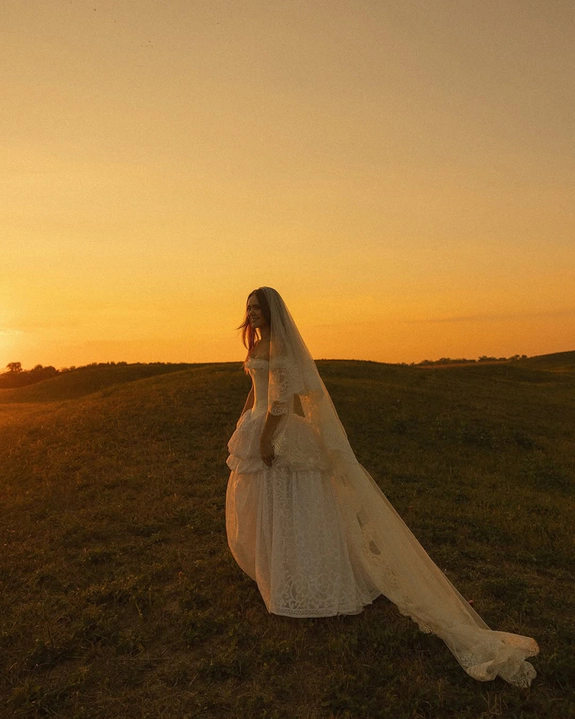
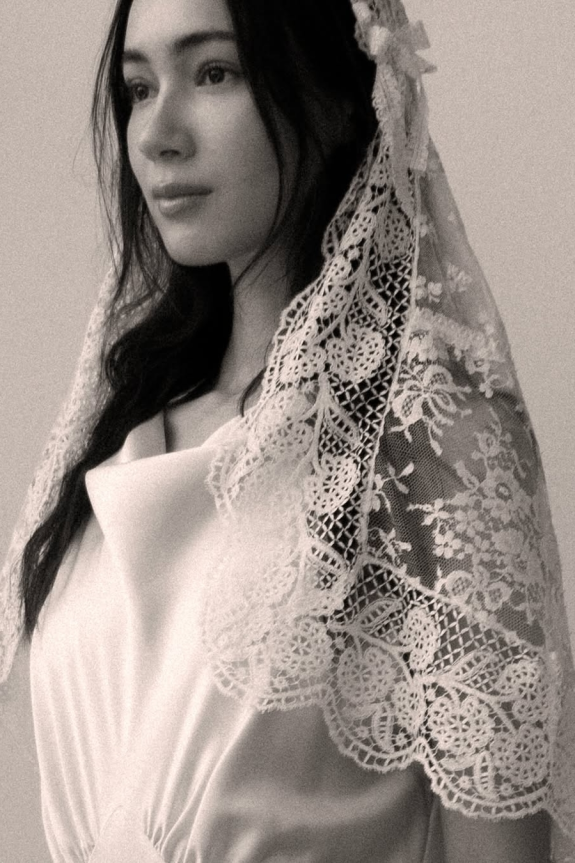
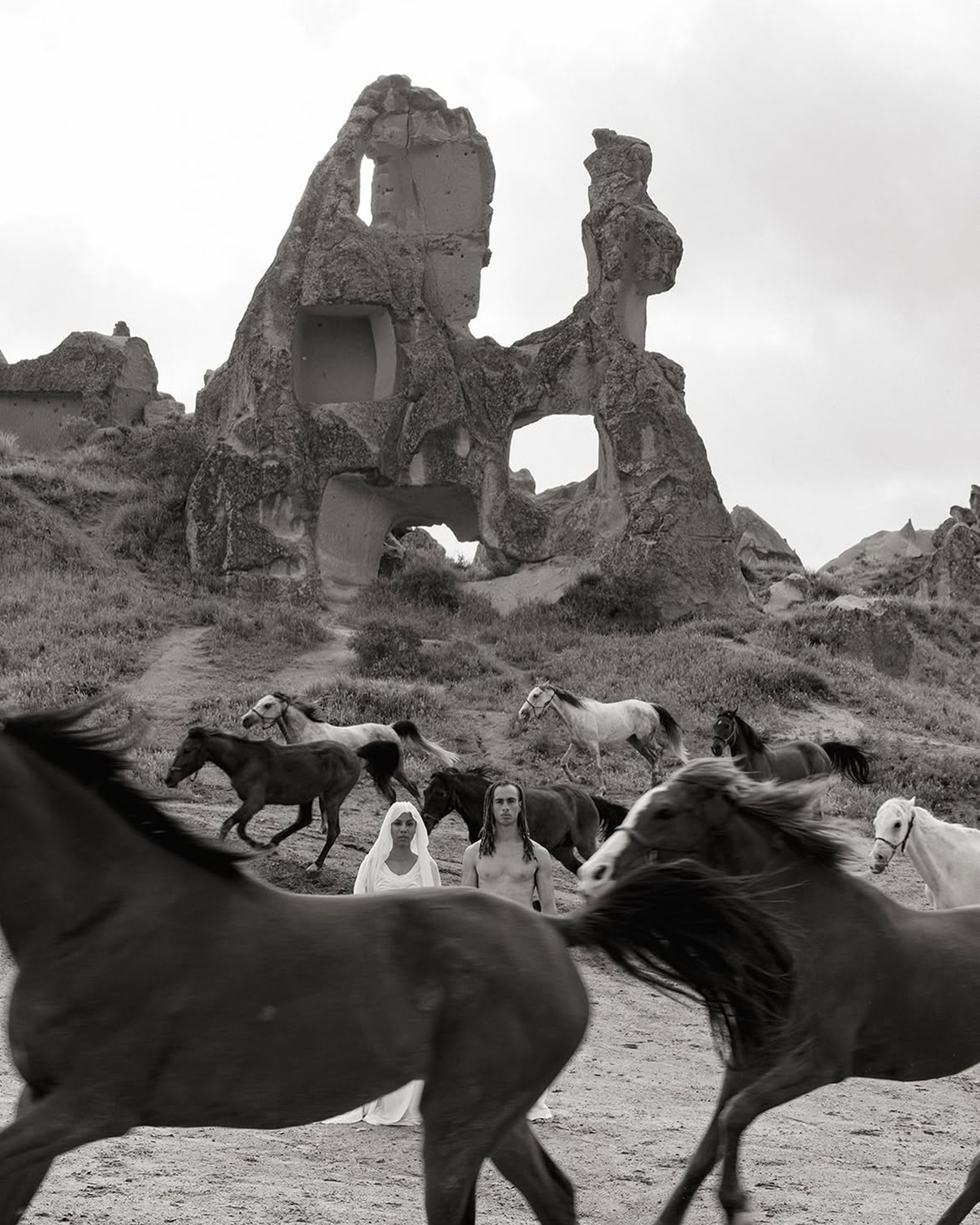
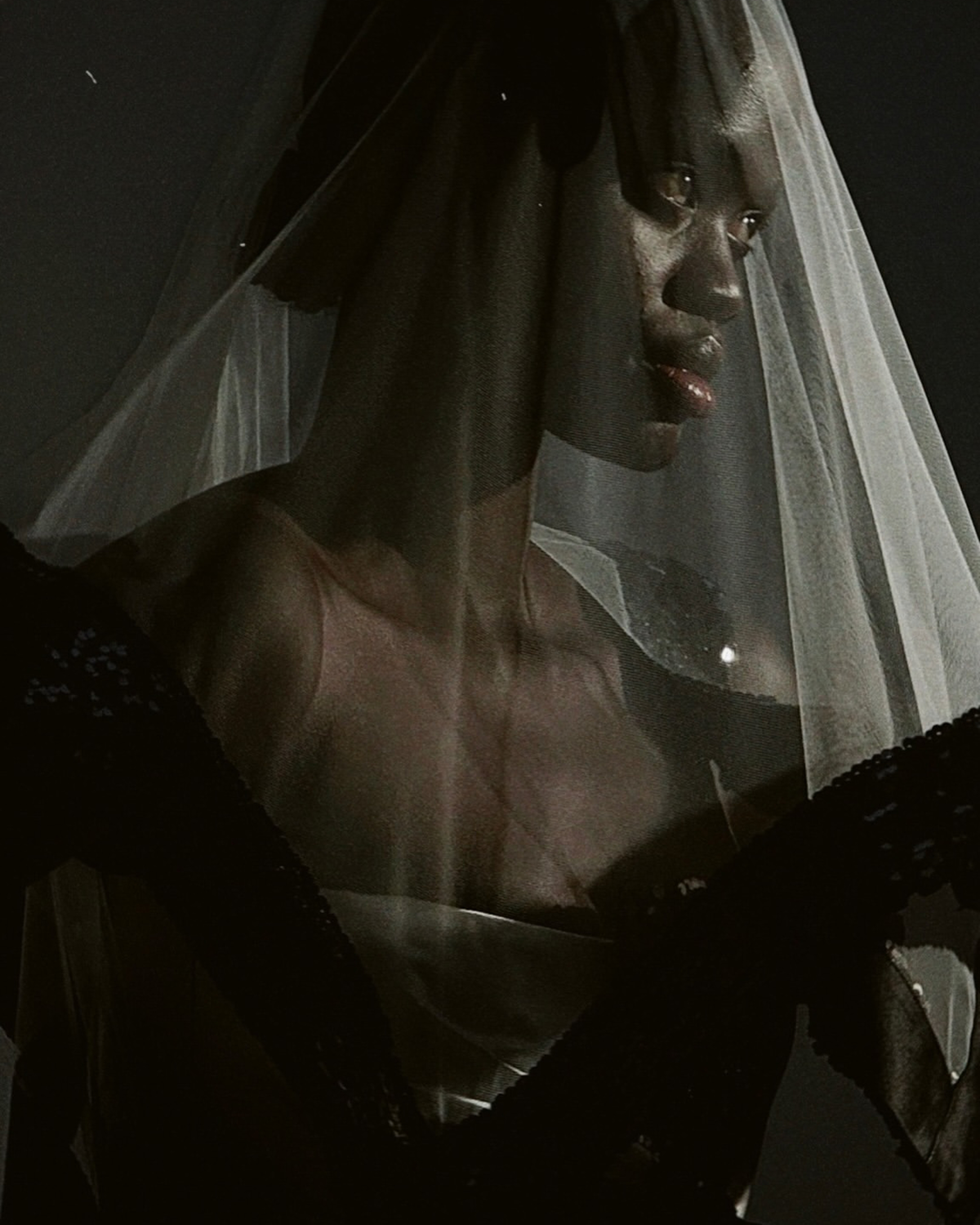
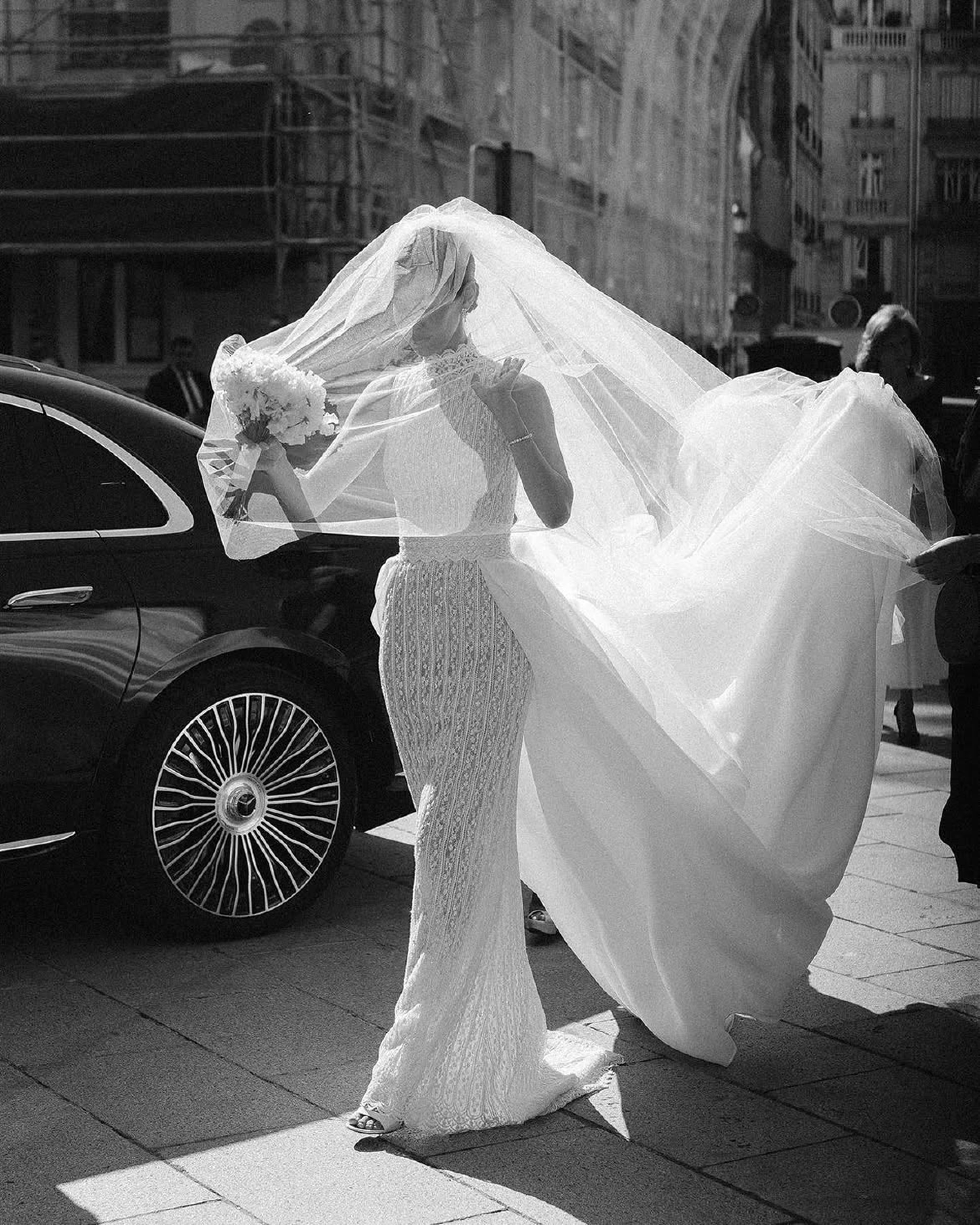
The bridal veil predates white dresses by centuries, tracing back to Roman brides who wore a flame-colored veil believed to shield the bride from evil spirits jealous of her happiness. Later, in cultures practicing arranged marriage, the veil served to conceal the bride's face until the vows were finalized, sometimes until the groom saw her for the first time at the altar. Christian tradition eventually folded the veil into ideas of modesty and purity, cementing it as standard bridal dress by the Victorian era alongside white. Today the veil has mostly shed its original superstitions, kept less for protection than for the moment itself—the lift, the reveal, and the once-in-a-lifetime opportunity to wear such accessory.
The Confetti-Filled Exit
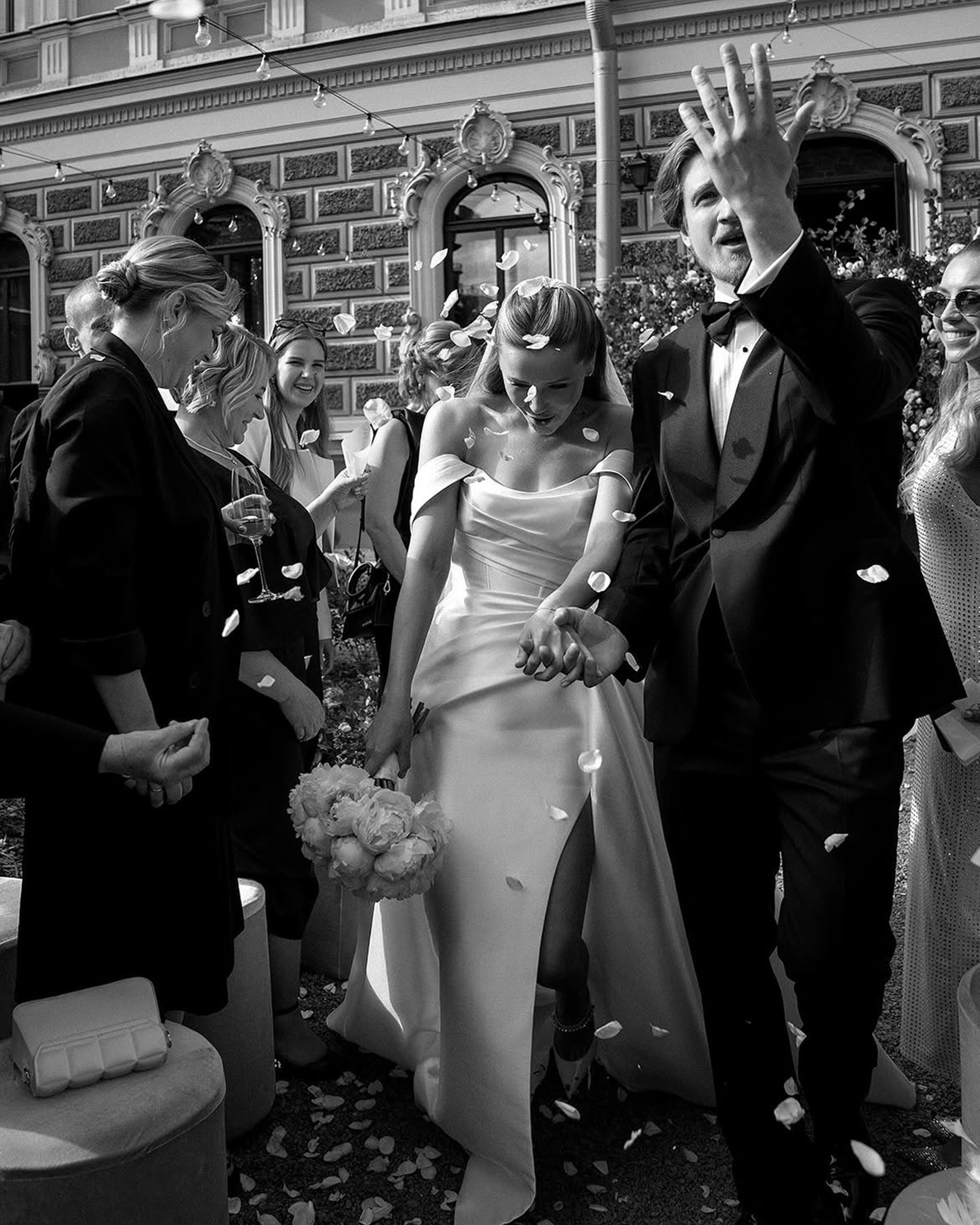
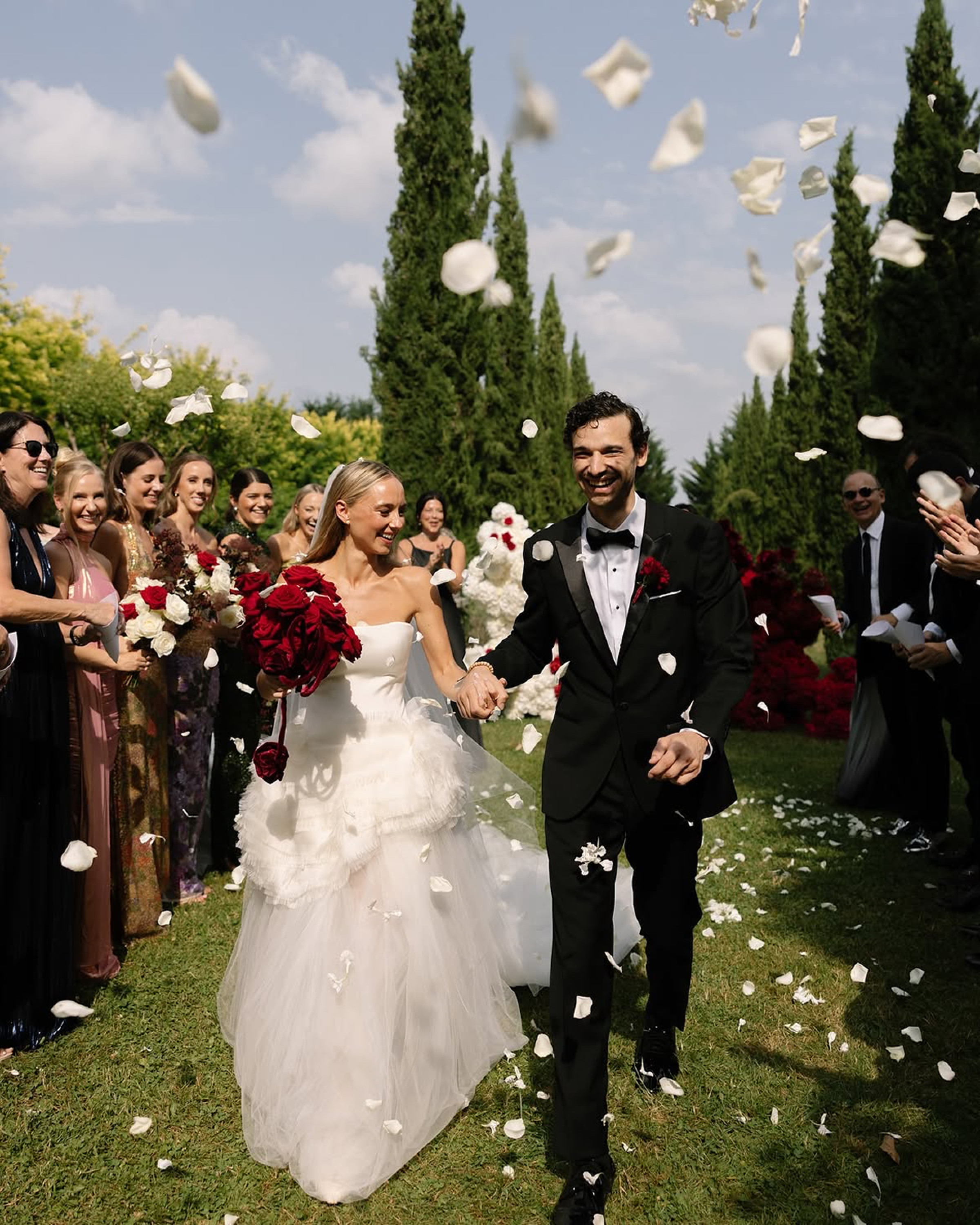
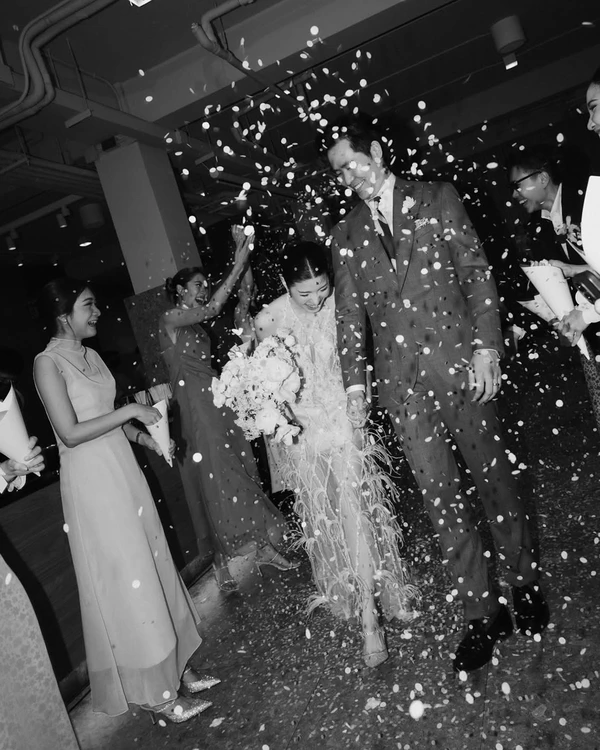
Around the world, wedding ceremonies often end in a grand exit while the couple is showered with rice, flower petals, confetti, or dried florals. The tradition traces back to ancient Rome, where guests threw wheat and other cereal grains in honor of Ceres, the goddess of agriculture, fertility, and family. It was never just for decoration or the perfect ceremony exit shot, but rather an offering and wish for the couple's prosperity.