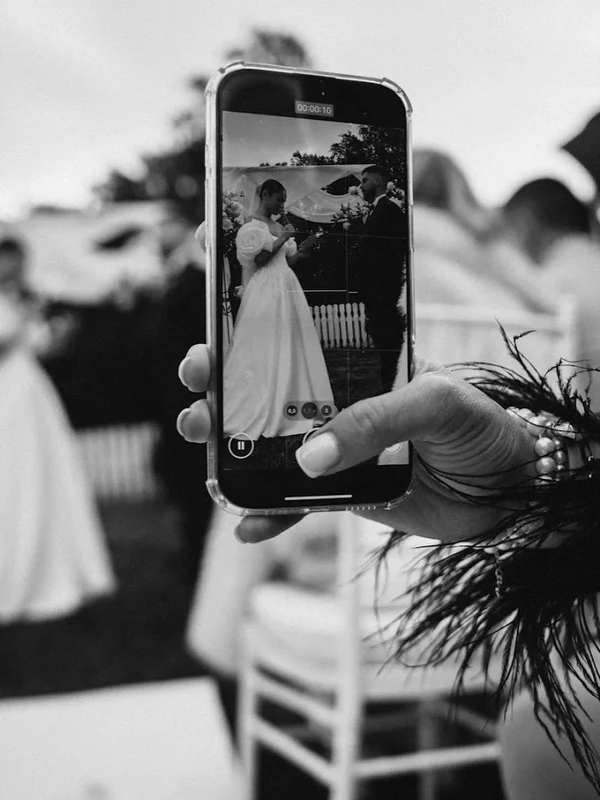
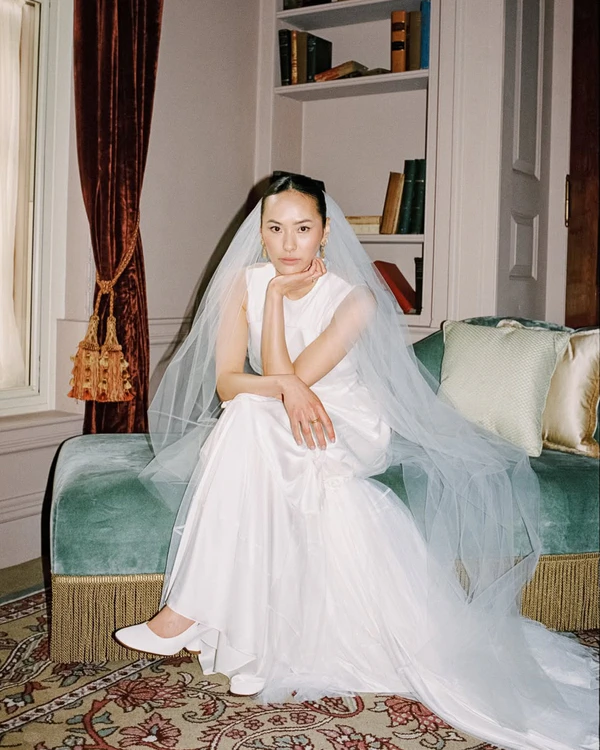
The wedding industry has always thrived on visuals, but somewhere between Instagram aesthetics and the TikTok-fueled hunger for viral moments, social media has become an increasingly important part of how vendors market their work to reach engaged couples, and with that, a new challenge has quietly emerged. What was once solely a photographer, videographer, and perhaps a single content creator booked by the couple can now include a small army of behind-the-scenes cameras arriving on behalf of planners, florists, designers, rental companies, and beauty teams, all hoping to capture the day through their own lens.
The result? What was once a carefully considered creative team can quickly become a small production. Extra cameras appear, key moments are documented multiple times, and the photographers, videographers, and content creators you’ve actually hired can find themselves competing for space, access, and attention. While most vendors are simply trying to capture their work, without clear boundaries, the experience can begin to feel like it’s serving the industry as much as the couple at the center of it. So, we explore why this is becoming increasingly common, where challenges can arise, and how couples can navigate this growing trend so the day unfolds on your terms.
When Your Wedding Becomes a Production Set
The photographer you hired to document your day may not be the only one with a camera, and your content creator certainly won't be the only one with an iPhone out. Your florist's assistant might be filming the table installation for TikTok, your cake baker could be capturing a cutting video for their feed, and your stationer may have brought an assistant specifically to document the setup. Each of these vendors are running a business, and beautiful weddings are one of their most powerful marketing tools, which means your day is, in part, their portfolio opportunity. After all, it's what drew you to book each vendor in the first place.
While a couple of additional cameras outside of your photography, videography and content team may go unnoticed, the challenge emerges when every other vendor is trying to capture content simultaneously, and five or six additional lenses can quickly begin to change the energy of the day. Suddenly, a wedding that was designed to be intimate starts to feel more like a production and less like your dream wedding, with multiple teams needing access to the same spaces, details, and moments. In the process, your sense of ease and presence can begin to slip away, and often the captures of the creative team you've actually invested in, can become secondary to the content being created around it.

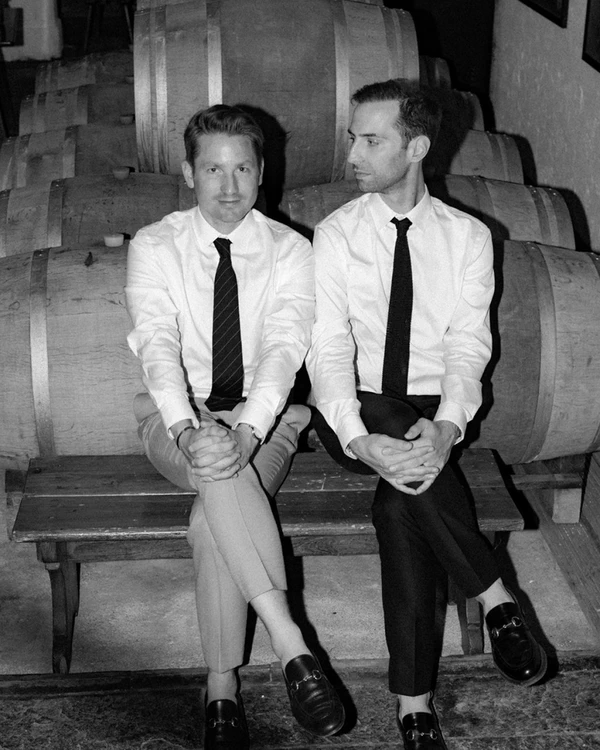
Who’s Calling the Shots?
By the time your wedding day arrives, your photographer, videographer, and content creator should already know exactly how they plan to work together. You’ve chosen them for their style, trusted them with documenting one of the most important days of your life, and likely spent months discussing priorities, timelines, and expectations. They are the team responsible for leading the visual documentation of the day.
Problems can arise when additional vendors or their content teams begin directing moments independently. A florist’s assistant may ask for a separate portrait beside the arrangements, a hair and makeup artist might prioritise a trending reel for social media, or a vendor content creator may step in with their own direction while your photography team is actively working. While these requests are often well-intentioned, they can create confusion about who is leading, disrupt the flow and timeline of the day, and interfere with the work of the professionals you’ve specifically hired to capture it.
As a general rule, your photographer, videographer, and content creator should remain the primary point of direction for all imagery and documentation. If vendors wish to capture content, it should ideally happen in collaboration with that team rather than independently of it. The goal isn’t to prevent vendors from documenting their work, but to ensure there is one clear creative lead so the experience remains seamless for everyone involved, especially the couple. As photographer Annabelle Zermattan of Coucou Studio puts it, “I never want to lose sight of what matters most. A wedding is not a content production day; it’s one of the most meaningful days in a couple’s life. Any content we create should support that experience, not take away from it.”
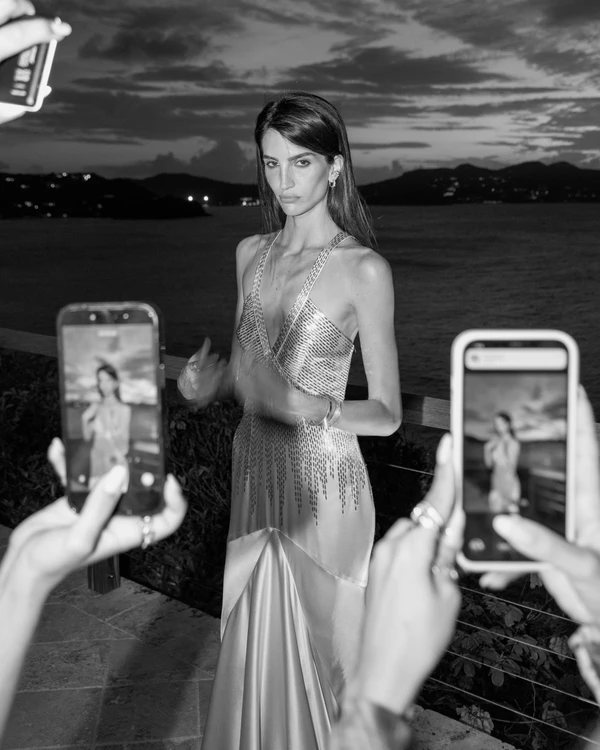
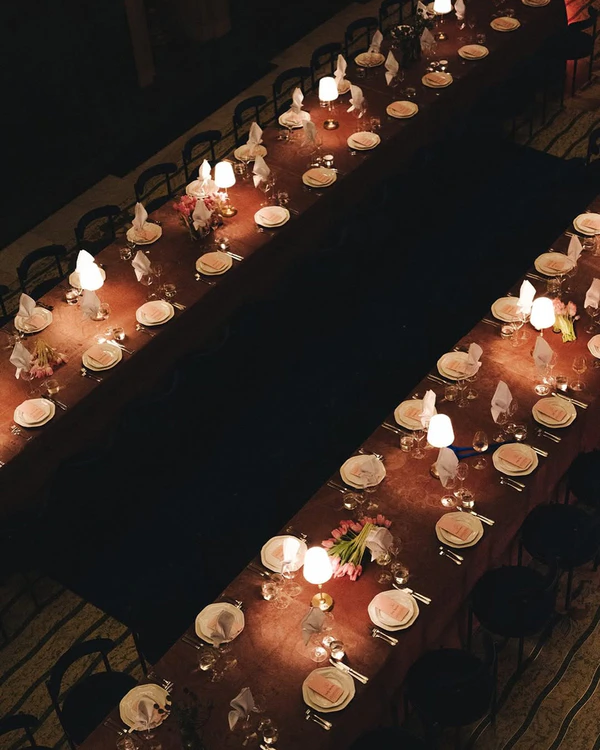
"Vendors build extraordinary careers with their portfolio of beautiful work, and sharing that content publicly is both fair and standard practice. The tension arises when the couple's experience begins to serve the vendor's narrative rather than the other way around."
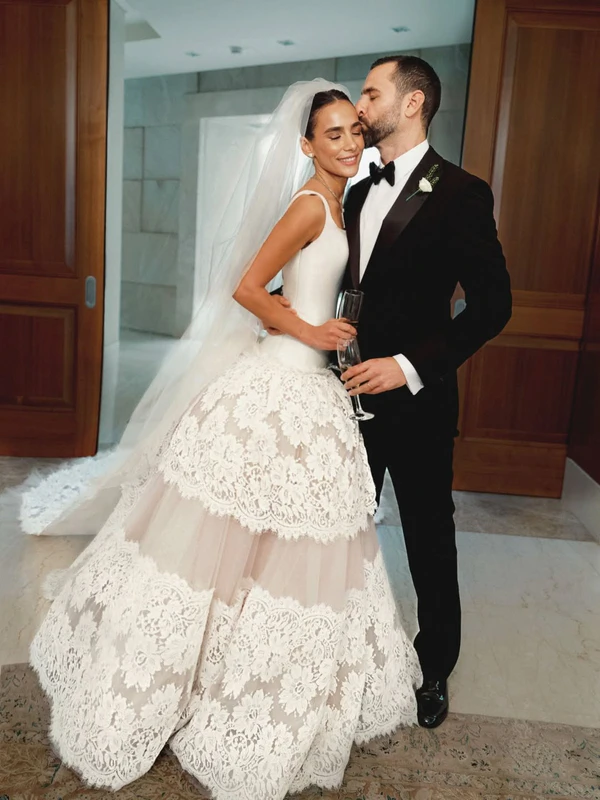

Keeping the Day on Your Terms
None of this is a reason to avoid working with talented vendors who bring additional team members. In many cases, those behind-the-scenes creatives play an important role in helping vendors showcase their work, plus, it can add to quantity of imagery of your special day. The key is ensuring everyone understands their role before the wedding day arrives. During the planning process, ask each vendor exactly who will be present on the day and what their role will be. A simple headcount conversation can prevent surprises, help you understand how many people will be working behind the scenes and manage expectations from there. It’s also worth discussing with your planner, photographer, videographer, and content creator how much direction you’re comfortable receiving throughout the day, so you feel comfortable at every point.
Most importantly, establish a clear chain of communication. Your wedding day shouldn’t be spent navigating competing requests or deciding who gets access to a particular moment. If boundaries need to be reinforced, your planner should be the person handling those conversations so you’re protected from the logistics and free to remain present in the experience. After all, your emotional bandwidth is better spent celebrating than managing a production schedule.
Who Controls the Content?
One of the reasons many vendors now bring their own content creator or photographer is speed. In an industry where social media drives discovery, being able to share a wedding while it’s fresh allows vendors to remain visible, relevant, and reactive. A florist may be excited to post the ceremony installation that afternoon, while a planner or designer may be keen to share behind-the-scenes moments before the professional gallery has even been delivered.
It’s worth remembering, however, that the professional galleries and films commissioned by the couple will almost always be shared with the wider vendor team following the wedding, giving everyone access to high-quality imagery, videos, and content of their work to share across their own platforms. In many cases, vendors don’t necessarily need their own content team to document every moment in real time in order to benefit from the wedding’s visual assets. The challenge arises when multiple sources of content begin circulating at different times and from different teams. Couples may find imagery from their wedding appearing online before they’ve had the opportunity to share it themselves, while the lines between vendor-captured content and the work of the photographers, videographers, and content creators specifically hired to document the day can become blurred.
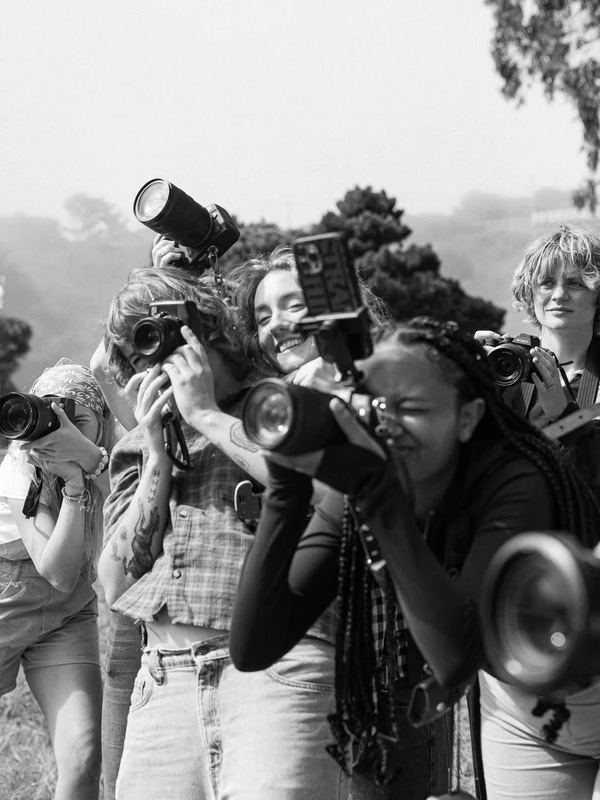

"As a general rule, your photographer, videographer, and content creator should remain the primary point of direction for all imagery and documentation. If vendors wish to capture content, it should ideally happen in collaboration with that team rather than independently of it."

The conversation, therefore, is less about restricting content and more about getting everyone on the same page. Discuss content ownership, posting timelines, privacy preferences, and sharing expectations early in the planning process. It’s also worth reviewing vendor contracts carefully. Most photography and content teams require exclusivity, while other vendors may reserve the right to bring their own photographer or content creator. Neither approach is unreasonable, but ensuring those expectations are aligned ahead of time can prevent confusion later. When clear boundaries are established from the outset, vendors can still showcase their work while protecting the experience, wishes, and investment of the couple at the centre of it all. After all, as photographer Annabelle Zermattan of Coucou Studio best puts it, “While wedding pictures can help build a business, it first belongs to the people whose story is being told.”
Who Is the Wedding For, Really?
Vendors build extraordinary careers with their portfolio of beautiful work, and sharing that content publicly is both fair and standard practice. The tension arises when the couple's experience begins to serve the vendor's narrative rather than the other way around. As Coucou Studio explains, "As a wedding photographer, I always come back to the same question: who am I here for? The answer is always the couple. My role is to document their day as it truly happened—the emotions, the people they love, the unexpected moments, and everything that makes their story unique."
The best vendor relationships are often collaborative, in which the professional's creative vision and the couple's actual priorities coexist without ever eclipsing each other. Going into the planning process with clarity about what the day means to you, and communicating that clearly, is the single most effective way to make sure the story that gets told is the one that’s actually yours. Because while beautiful imagery may live on long after the wedding is over, the experience only happens once.