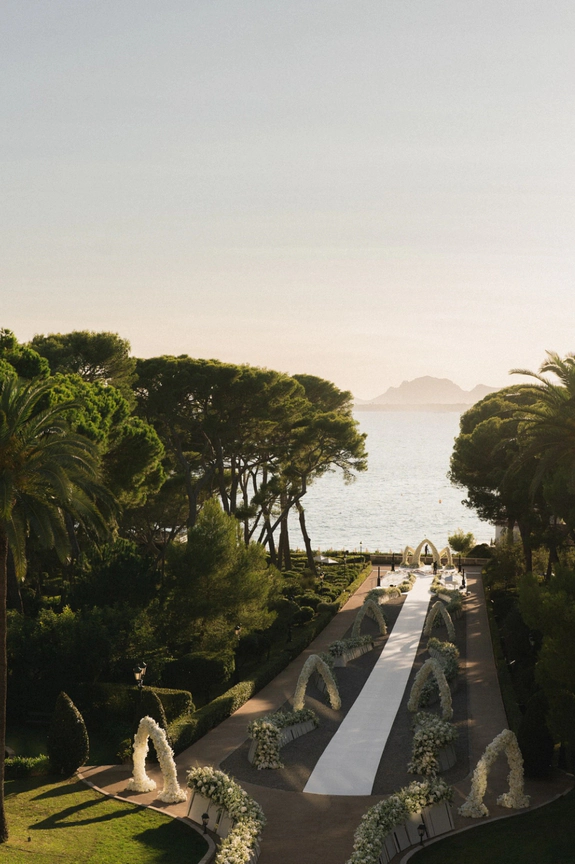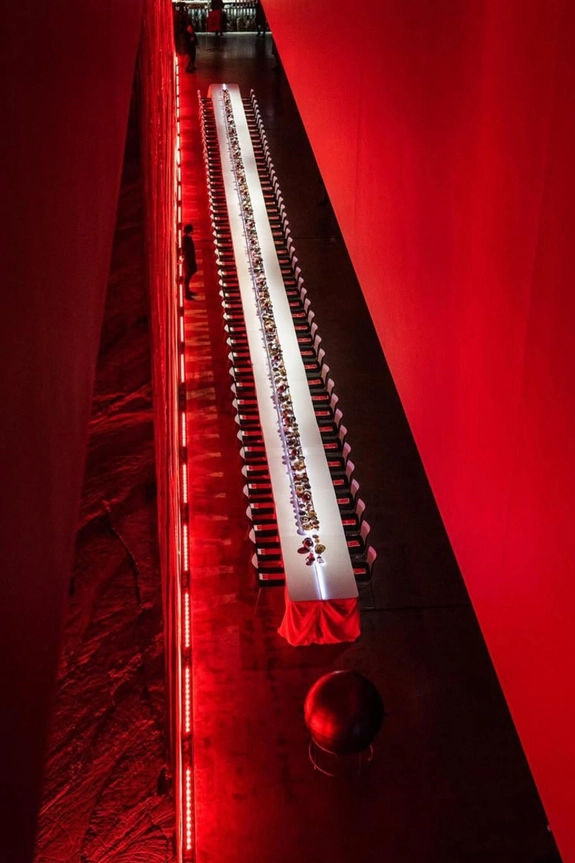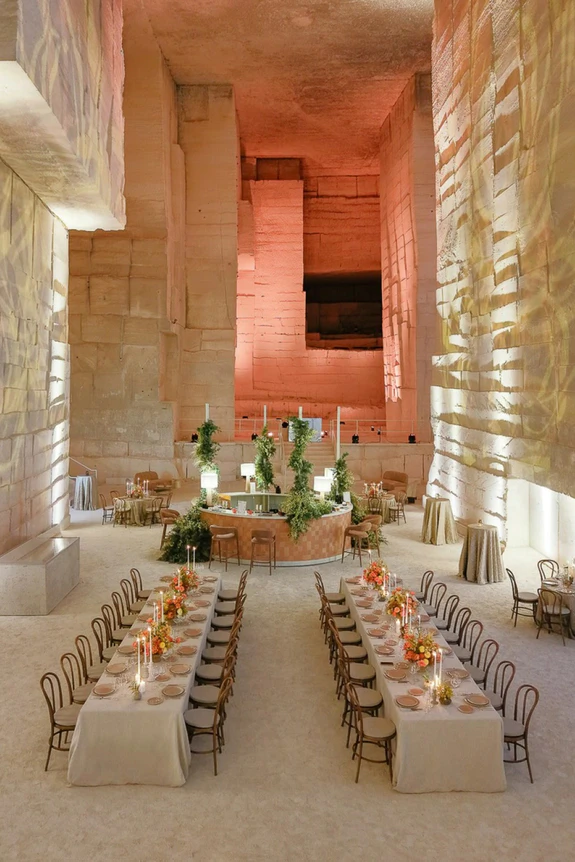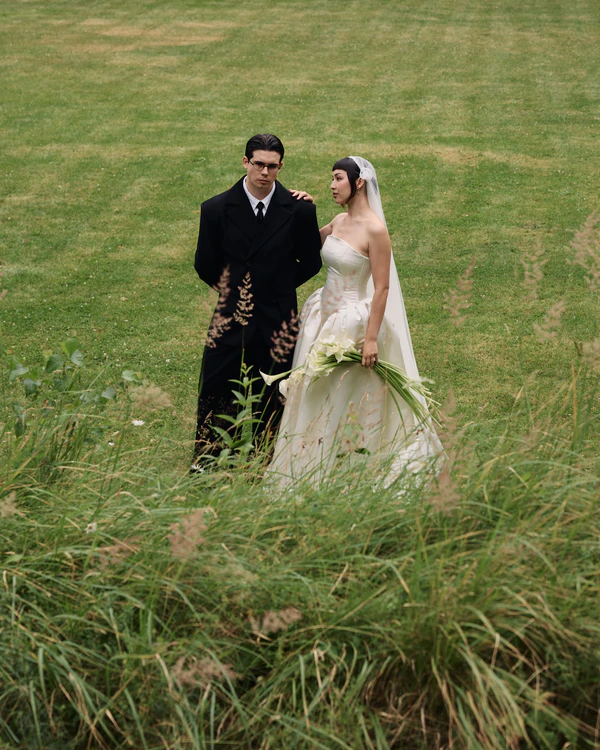
By the time the invitations go out, the venue has already influenced dozens of decisions. It sets the scale of the celebration, shapes how guests move through the day, determines what needs to be hired or built, and frames nearly every photograph. Yet because it is often one of the first major bookings, couples may commit while the rest of the wedding is still only loosely defined. It's important to remember that a spectacular setting may not always check all the boxes. Logistics also need to be taken into consideration, including the guest count, total cost, accommodation, transport, weather alternatives, venue restrictions, and practical flow. We asked wedding planners and venue teams to share the booking mistakes they encounter most often, and the questions couples should ask before signing that contract.
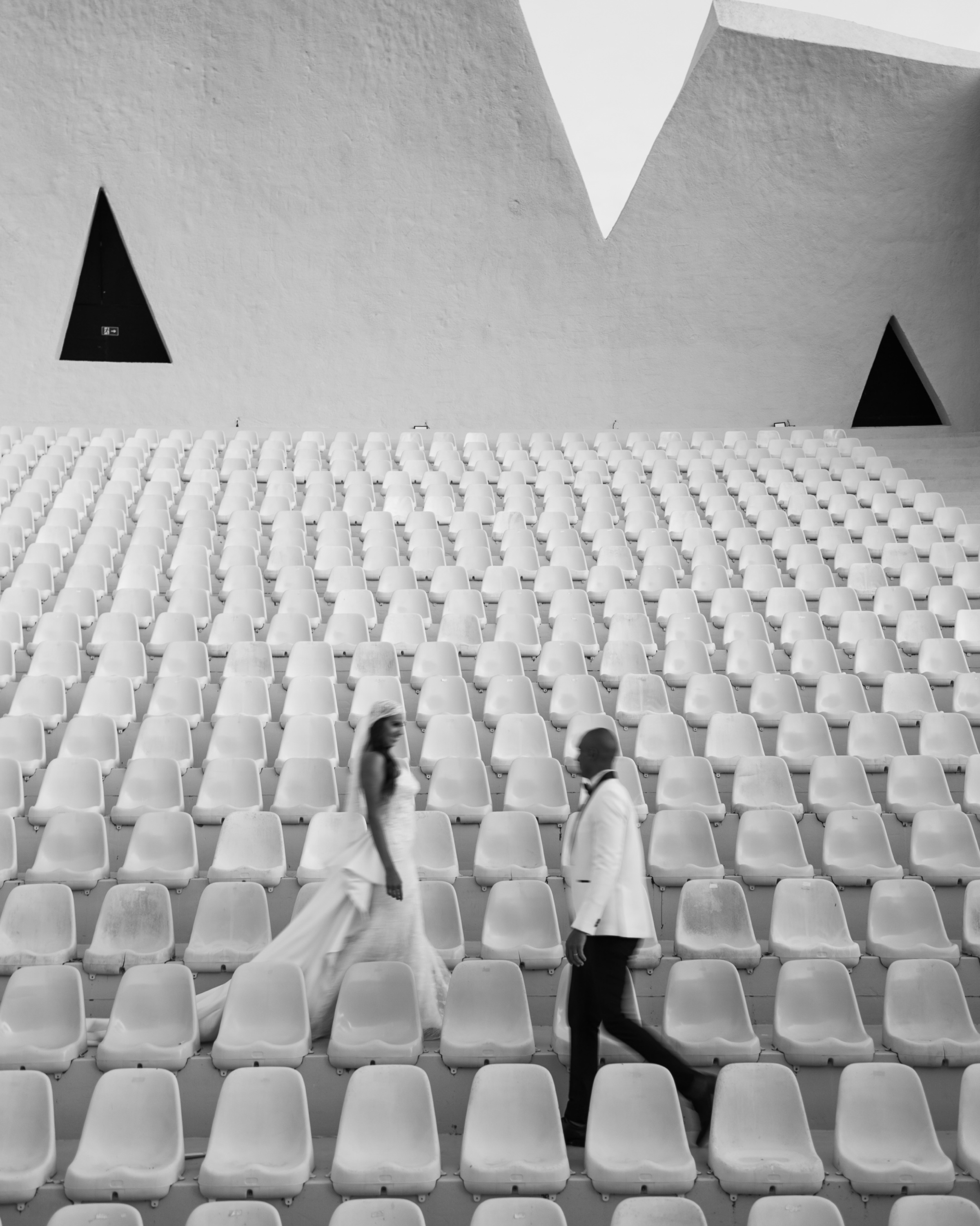
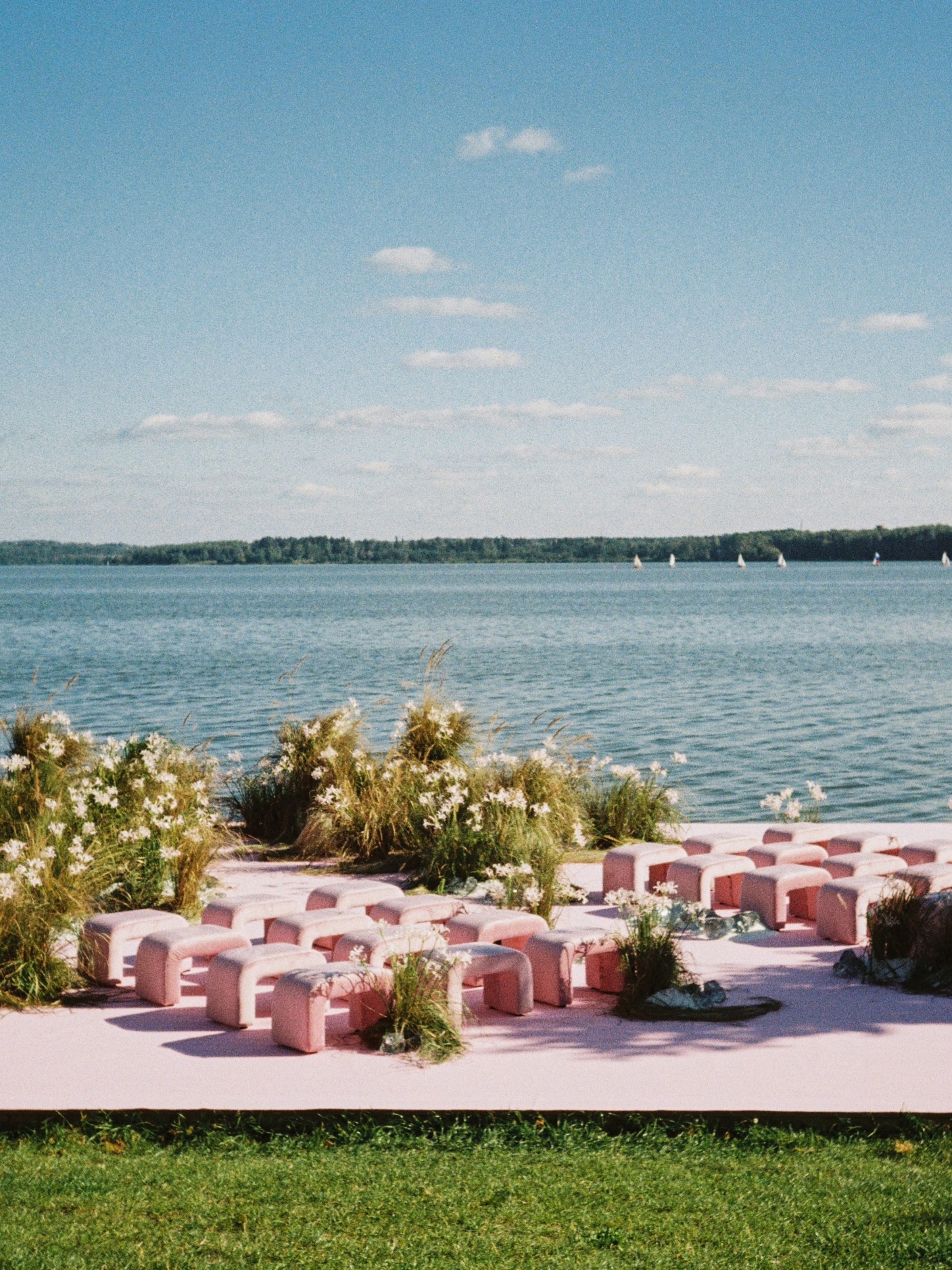
Choosing a Venue Before
Defining Your Wedding Priorities
Before the venue visits, mood boards, and saved Instagram posts, there is one decision that should come first: understanding what actually matters to you as a couple. Yet this step is surprisingly easy to skip. A beautiful property can quickly become the starting point for every other choice, even when it doesn't fully support the atmosphere, scale, or experience you originally had in mind.
Wedding planner Sandra Morales Labrador, founder of Spain-based Ofelia W Studio, often sees couples become drawn to a space before taking the time to define how they want their wedding to feel. “The venue should support the experience, guest flow, and atmosphere they envision — not dictate it. Having a clear concept first leads to much better decisions throughout the planning process.”
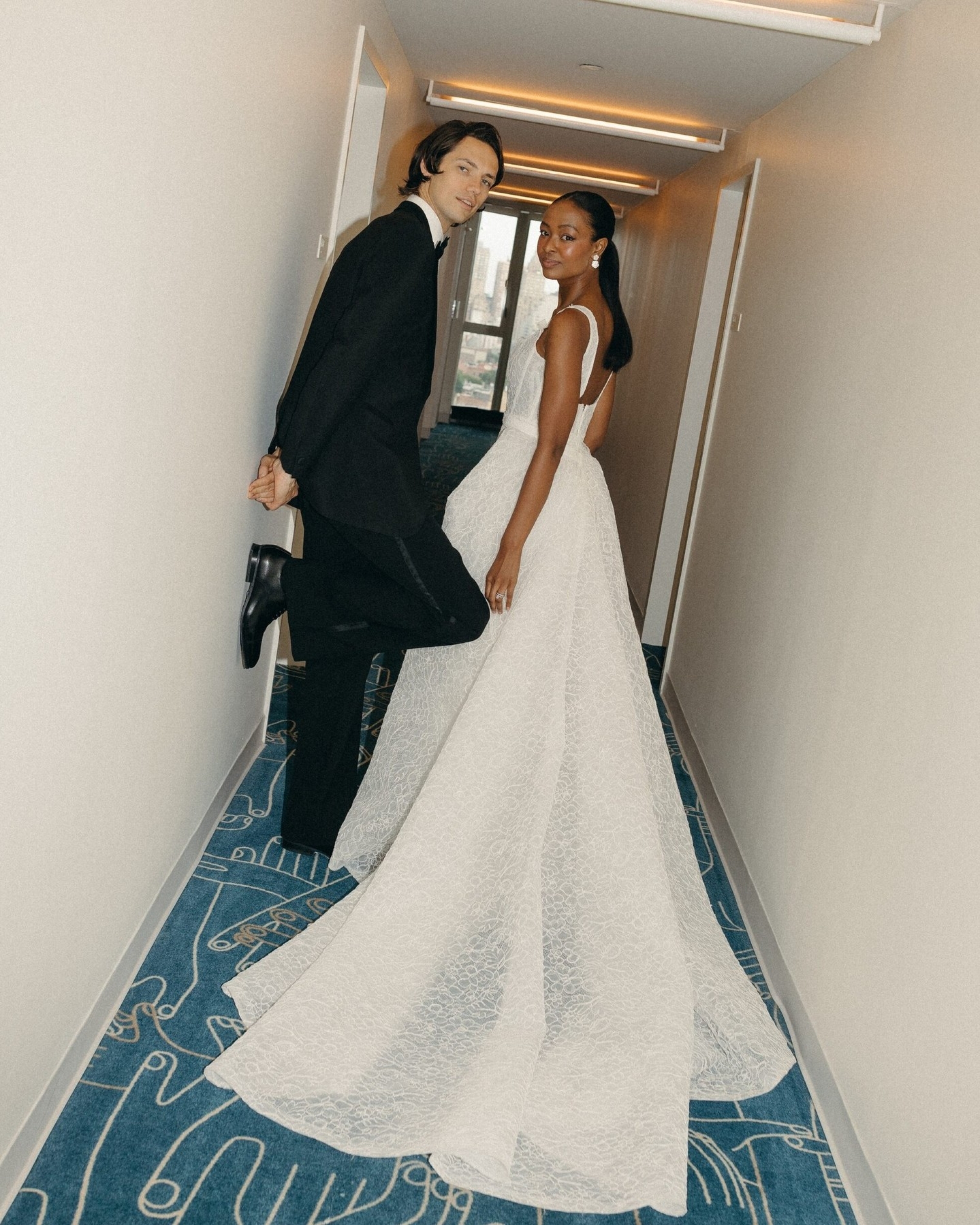
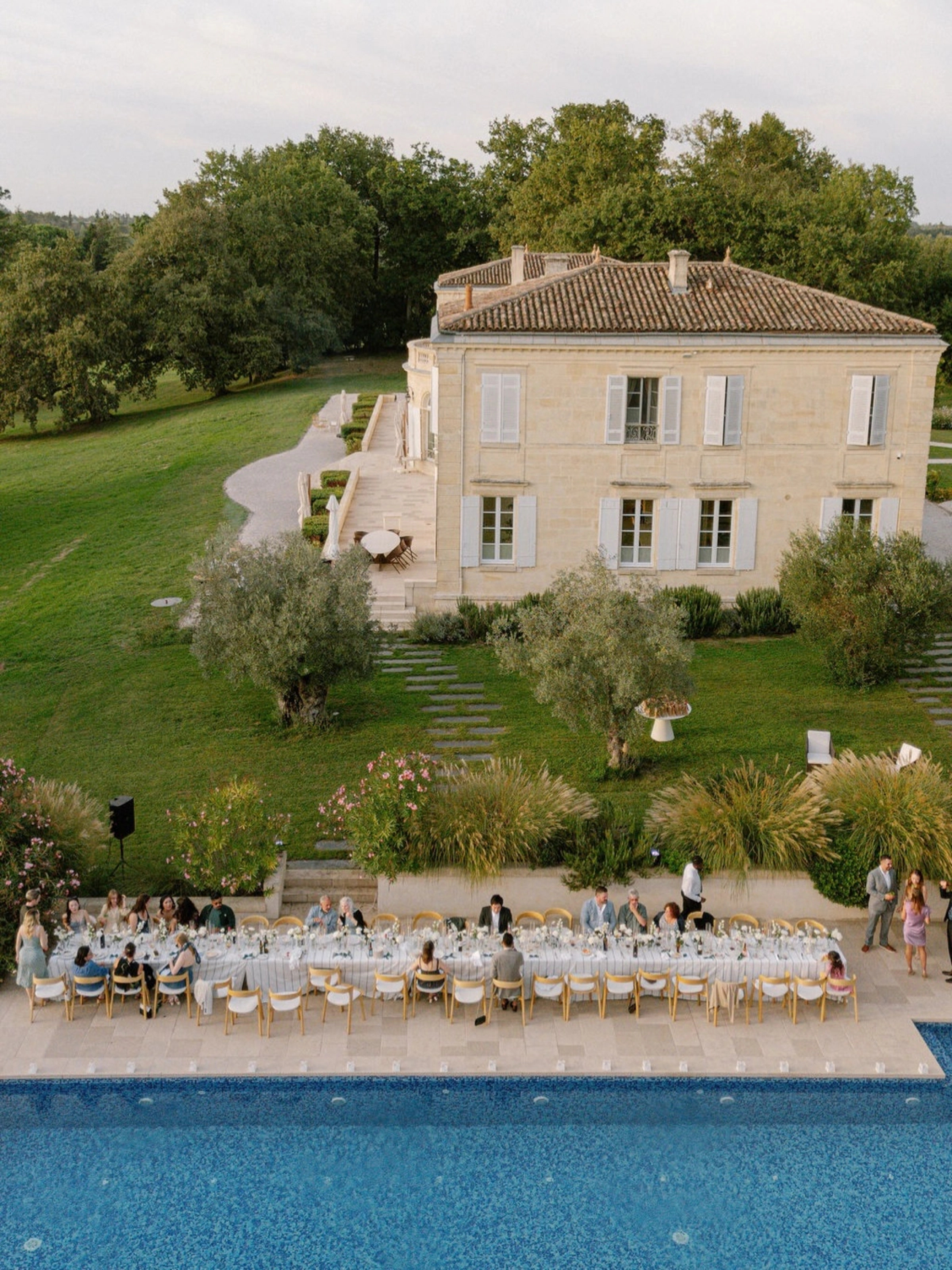
It is a pattern Courtney Anderson, Special Events Manager at Standard, High Line, also recognizes from the venue side. “Couples can become so enamored with a venue that they choose it before thinking through what is important to them,” she says. “They then try to make their vision come to life in a room where it may not fit.”
For destination weddings in particular, Chantal Holik Sertić, the visionary behind Serendipity Weddings, suggests bringing a planner into the process before the venue is secured. “One of the most common mistakes we see is couples securing a venue simply because they've fallen in love with its aesthetic. By the time they begin working with a planner, they're often trying to make every other decision fit around a venue that doesn't align with their guest count, budget or vision. An experienced destination wedding planner doesn't just help you find a beautiful venue — they help you choose one that works creatively, operationally and financially.”
Assuming Maximum Capacity
Means Comfortable Capacity
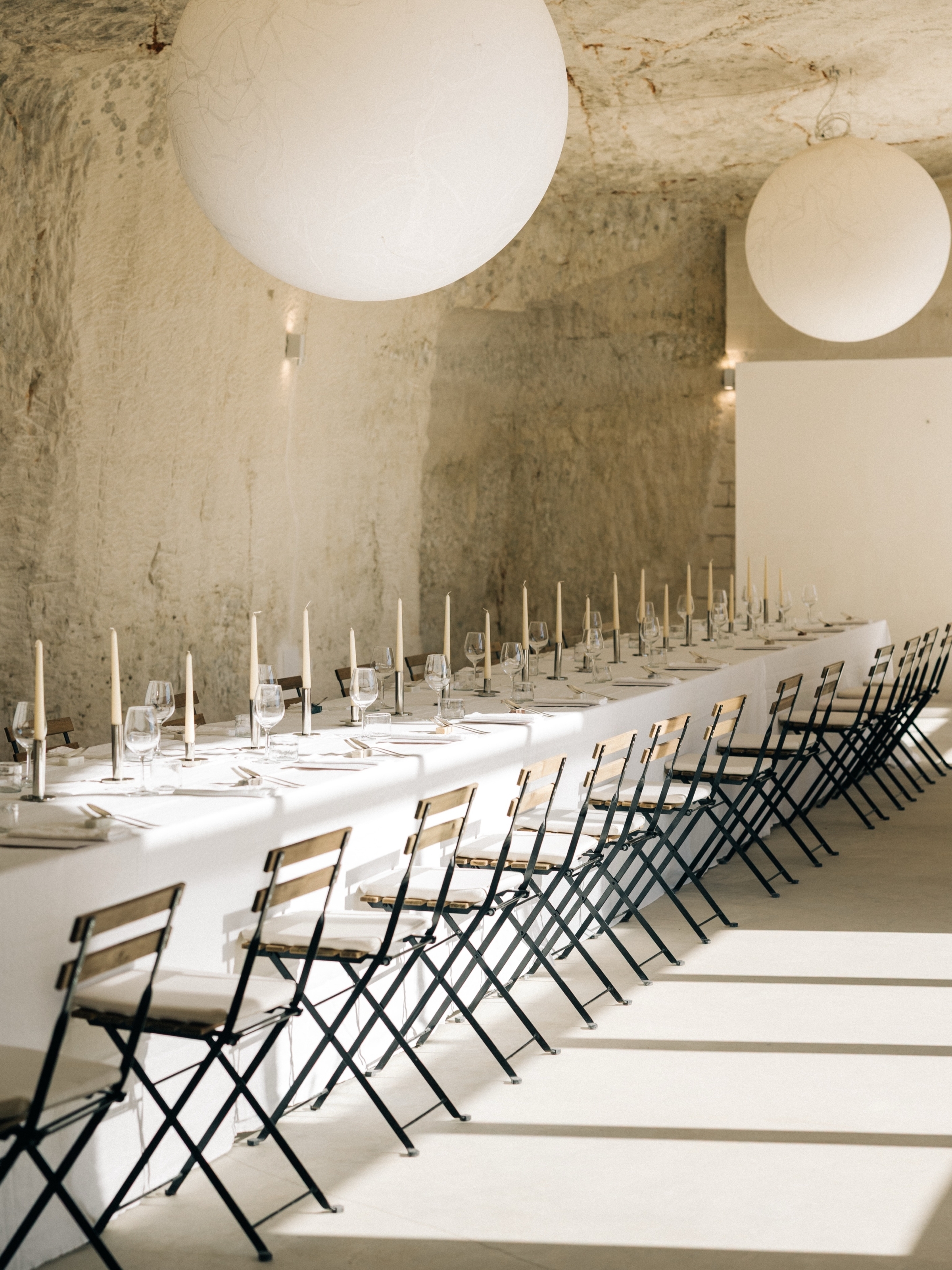
A venue’s stated capacity may tell you how many people can technically fit inside, but it says far less about how the space will feel once tables, a dance floor, floral installations, service stations, and potentially several hundred moving bodies enter the equation. In fact, the highest possible number is rarely the most comfortable one. Before booking, it's important to ask not only whether the venue can accommodate your guest list, but also at what number the space works at its best.
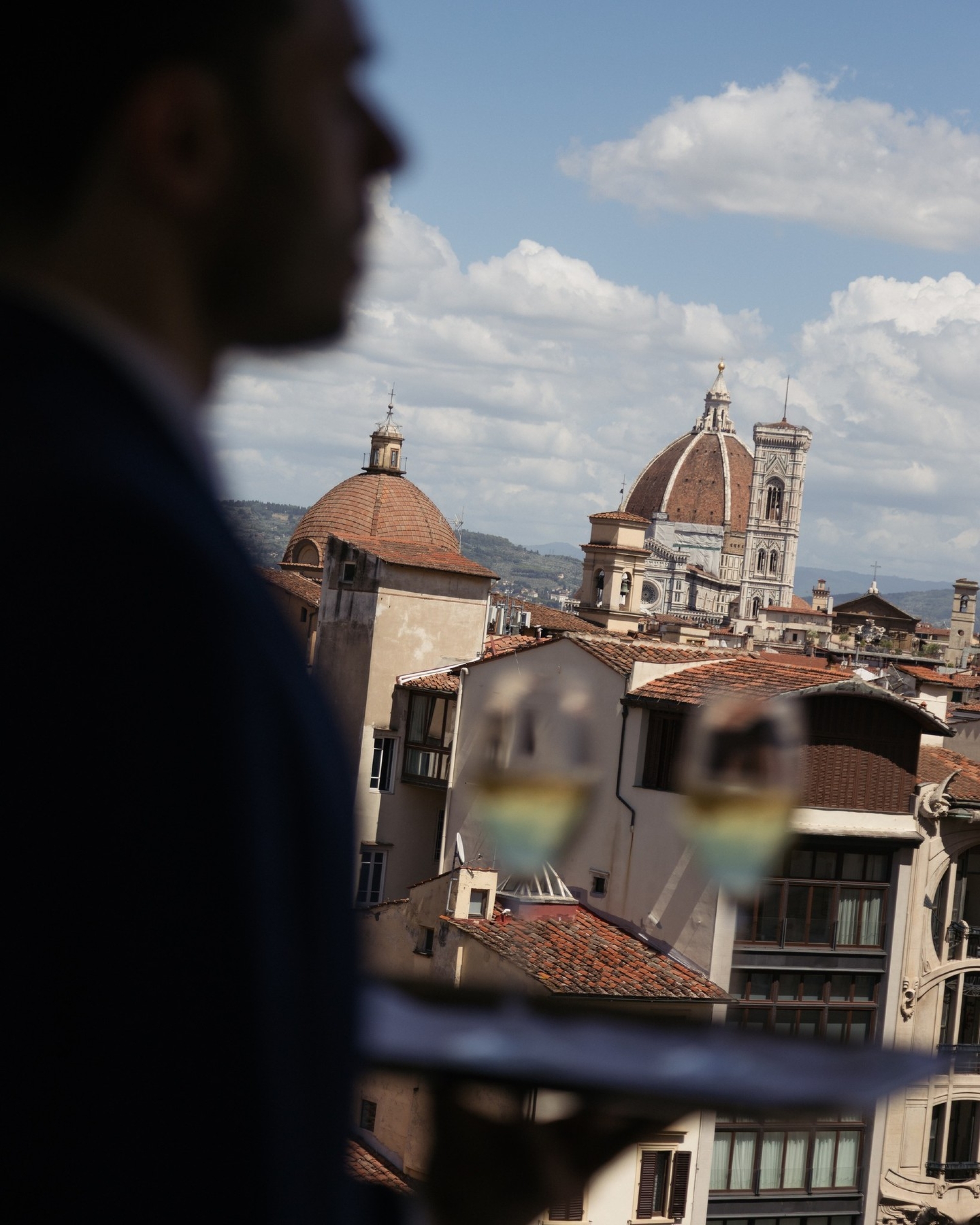
The Events & Banqueting team of The St. Regis Florence and The Excelsior, a Luxury Collection Hotel advises couples to consider the venue’s natural “sweet spot” rather than relying on its maximum capacity alone. “Every venue has a sweet spot where it feels comfortable and enjoyable. Too many people can make the space feel crowded and take away from the overall experience.”
Focusing Only on the Venue Fee
The venue fee is only one part of the budget, however, it's often treated as the figure that defines whether a property is affordable. In reality, the final investment can rise quickly once production, staffing, transportation, rentals, and contingency plans are added. A lower starting price doesn't always tell the full financial story.
Sandra Morales Labrador of Ofelia W Studio always reminds her couples to look beyond the initial figure and account for everything required to make the venue function as intended. “Some venues require extensive rentals, additional staffing, transportation, generators, or weather backup solutions that can substantially increase the overall cost. We always encourage couples to evaluate the complete picture before making their final decision.”
Committing before establishing a realistic budget can also leave couples facing costly changes later. Angelique Hidayat and the team at Tirtha Bali warn: “Don’t just book a venue because it’s beautiful then later struggle with the budget. If you end up having to have to change the venue, cancelation may also incur charges that you could have avoided.”
That wider view also helps couples protect the parts of the wedding they care about most. Madison Espie, Head Event Curator of Australia’s The Dairy Ravensbourne, adds: “It is important to understand the full investment required and consider all aspects of your wedding before committing to a venue. Planning ahead and allowing room for the details that matter most to you will help avoid feeling overwhelmed or restricted as your wedding day approaches.”

Mistaking a Beautiful Property for
a Ready-Made Wedding Venue
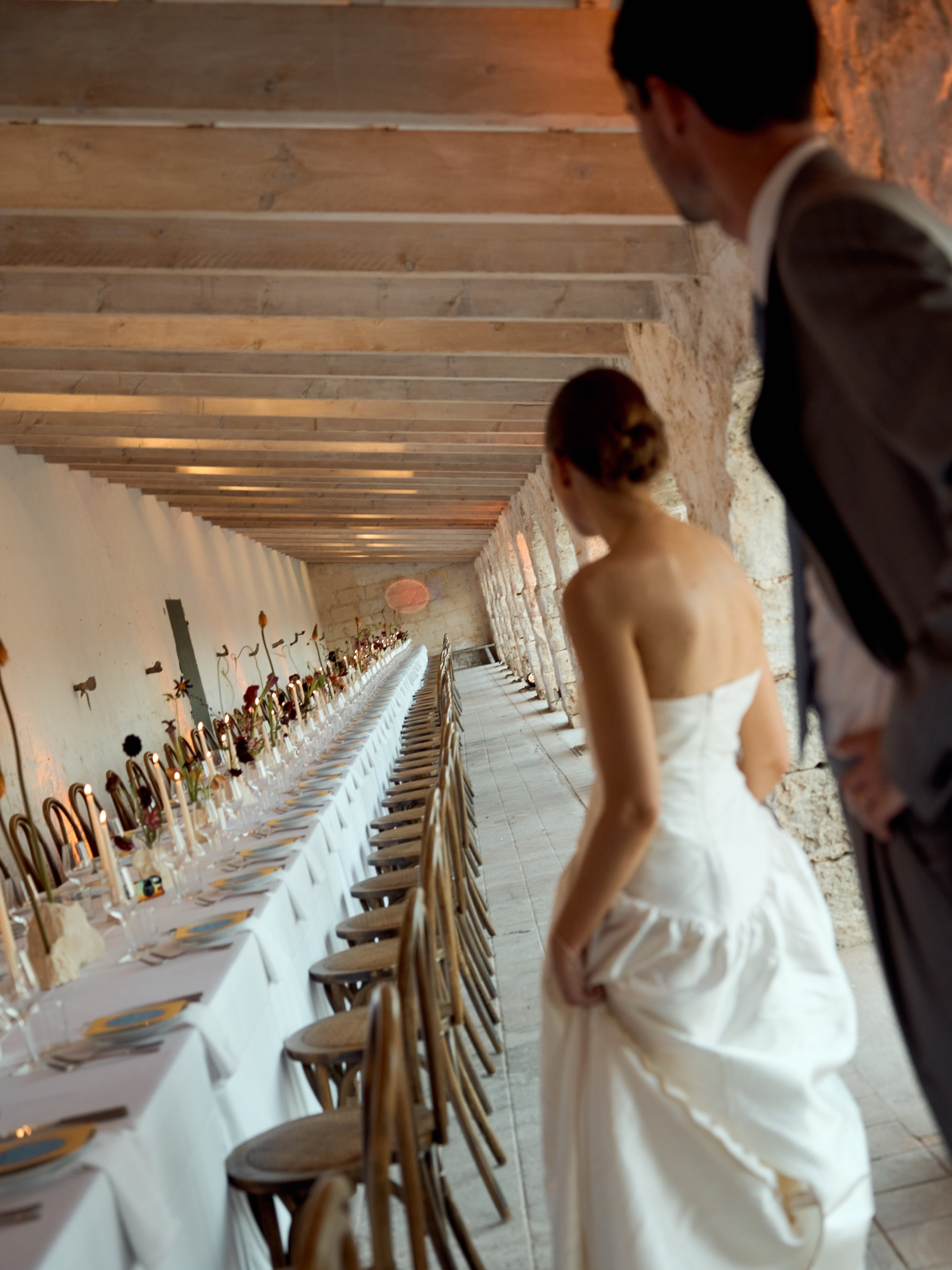
Celebrating somewhere that was never designed as a conventional wedding venue can feel especially personal and unexpected. However, the qualities that give a private estate or historic residence its character can also make it more complex to transform into a fully functioning event space. The architecture and atmosphere may already be in place, but much of what allows a celebration to run seamlessly may still need to be created from scratch.
Tirtha Bali advises couples not to rely on photographs alone when assessing a venue. “Ideally, its very important for couple to actually go and the see the venue directly, if it is not possible then a virtual tour is better than just images. Not every venue is as well maintained in real life.”
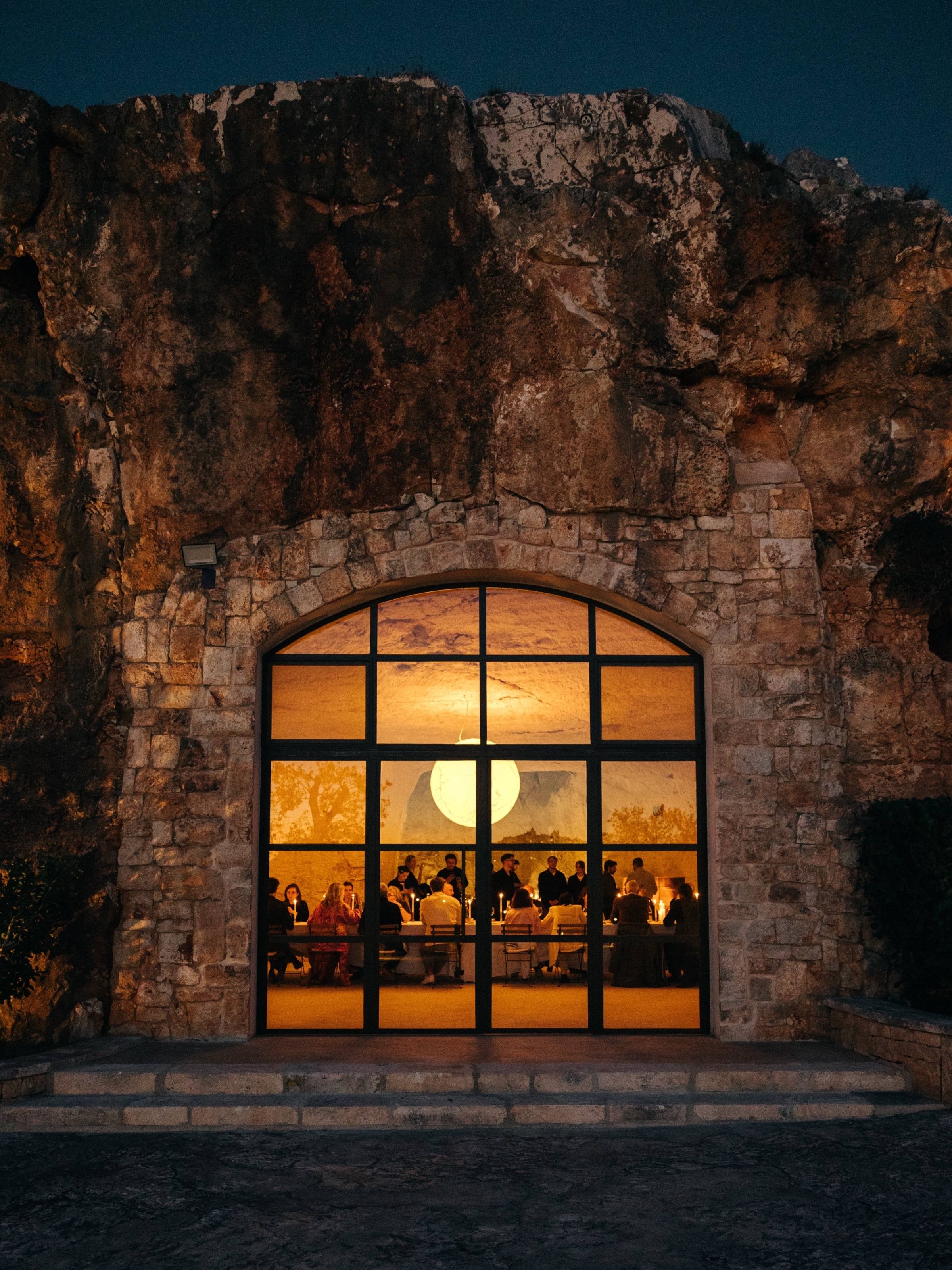
Even when a setting lives up to its photographs, visual impact can still obscure the scale of production involved. Chantal Holik Sertić of Serendipity Weddings explains: “Some of the most breathtaking destination weddings take place in private villas, historic estates, and family residences, but these properties are often blank canvases rather than purpose-built event venues. Couples are frequently drawn to their beauty without realizing the level of infrastructure required to transform them into a world-class setting. Professional catering kitchens, power distribution, flooring, lighting, furniture, luxury restroom facilities, and comprehensive weather backup solutions all need to be carefully considered.”
Treating Good Weather as Part of the Contract
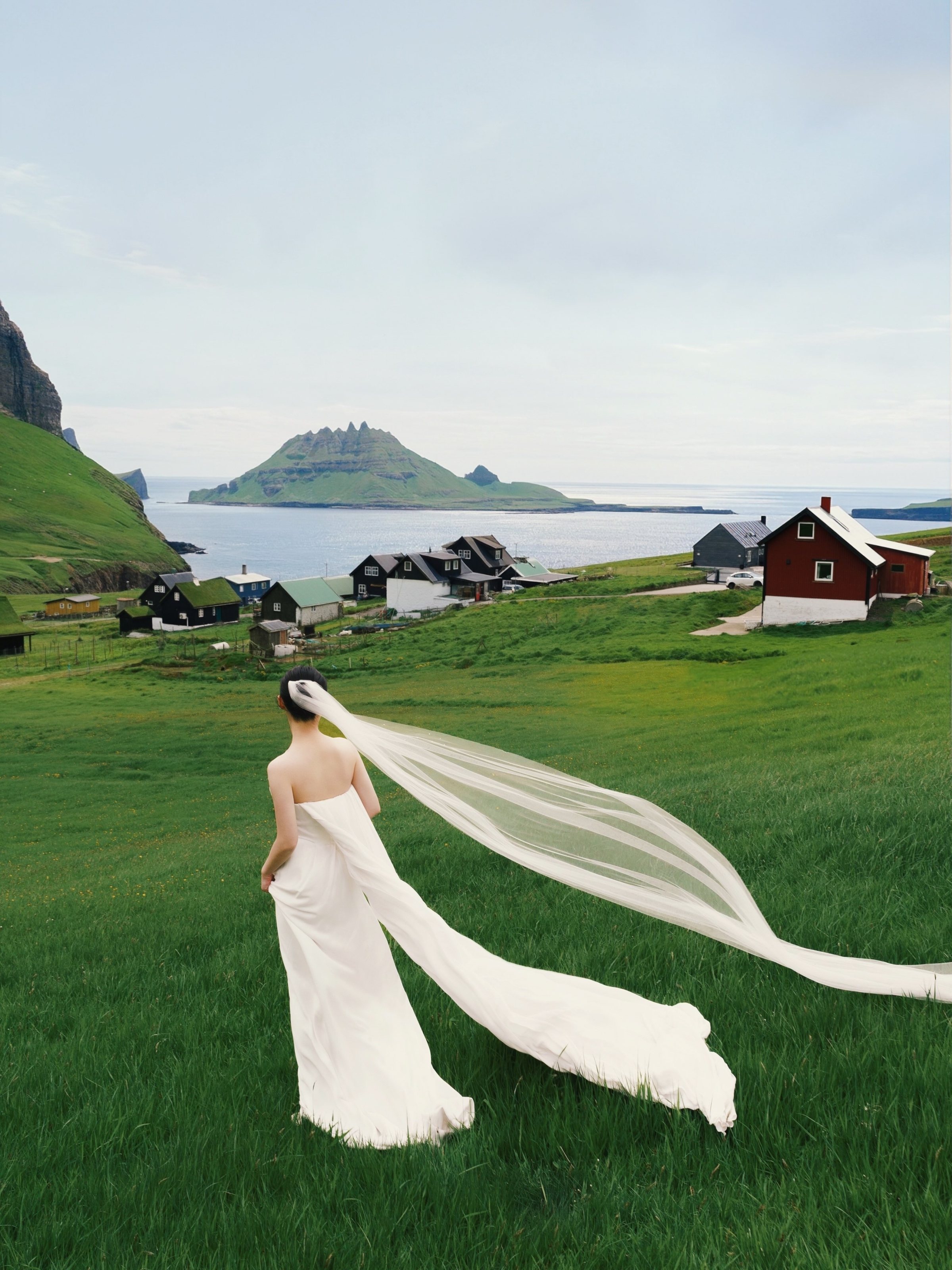
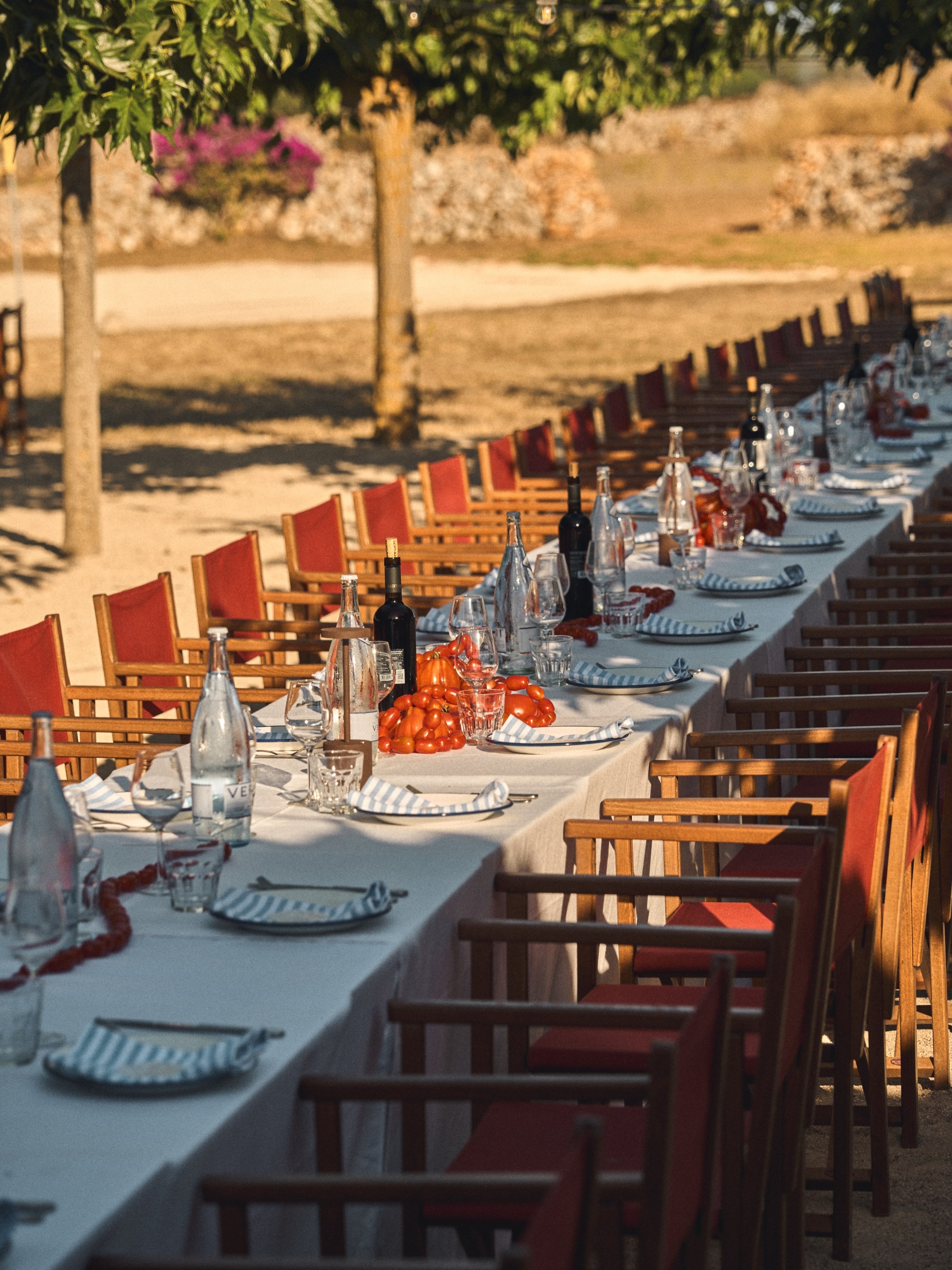
You can plan almost every detail of a wedding, but the weather will always keep a little creative control. Even when the forecast promises clear skies and uninterrupted sunshine, conditions can shift quickly, especially across a multi-day destination celebration. However, some couples become so focused on a venue’s open-air spaces that the indoor or covered alternative receives far less attention.
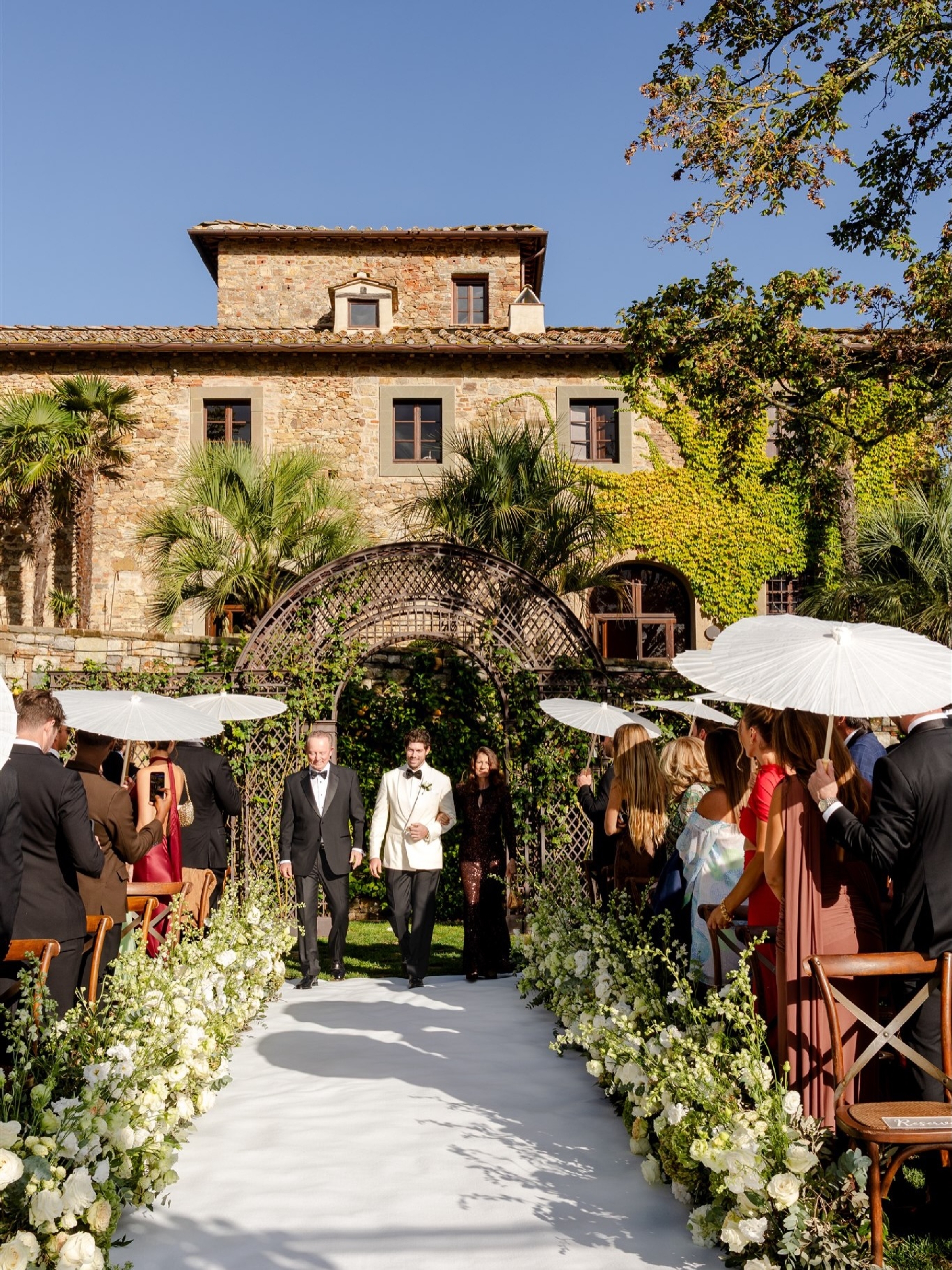
“We all love blue skies as much as our couples do. But treating sunshine as a signed contract with Mother Nature? That's a bold strategy,” says the team at Tuscany’s venue Il Borgo di Vignamaggio. “Even in Tuscany, having a Plan B isn't pessimism — it's good wedding planning. Better yet, choose a venue with generous indoor spaces, so Plan B doesn't feel like Plan Z.”
A backup plan should also be financially realistic, not simply technically possible. Géraldine Mostachfi of Château Gassies advises couples to clarify exactly what the venue can offer before signing. “A stunning terrace or garden ceremony can quickly become a logistical nightmare — or a very costly one — if no viable indoor or covered alternative exists on-site. Always ask your venue what their Plan B looks like, and make sure it is included in your package, not an expensive add-on.”
Overlooking the Contract
and the Rules Behind It
If there is one mistake venues see a little too often, it is couples signing before they have properly examined what the booking actually includes. Excitement can make the finer details feel secondary, but those details are often where unexpected costs begin.
“Couples are often so excited after a venue visit that they sign without scrutinizing every detail of the contract. What is included? What is not? Are there hidden extras, additional hours, corkage fees, or vendor surcharges? A venue package that seems competitively priced can quickly become significantly more expensive once the add-ons accumulate. Read every line, ask every question, and make sure there are no surprises on the invoice after your wedding day,” says Géraldine Mostachfi.
And it is not only the commercial terms that deserve attention. Couples should also understand the rules a venue is required to follow, from music curfews to supplier access times and local restrictions. As the team at Il Borgo di Vignamaggio explains, these are not details that can be negotiated away simply because it is your wedding day. “We always remind our couples that respecting the rules is far less stressful than discovering them the day before the wedding.”
Ignoring How the Wedding Will Actually Flow
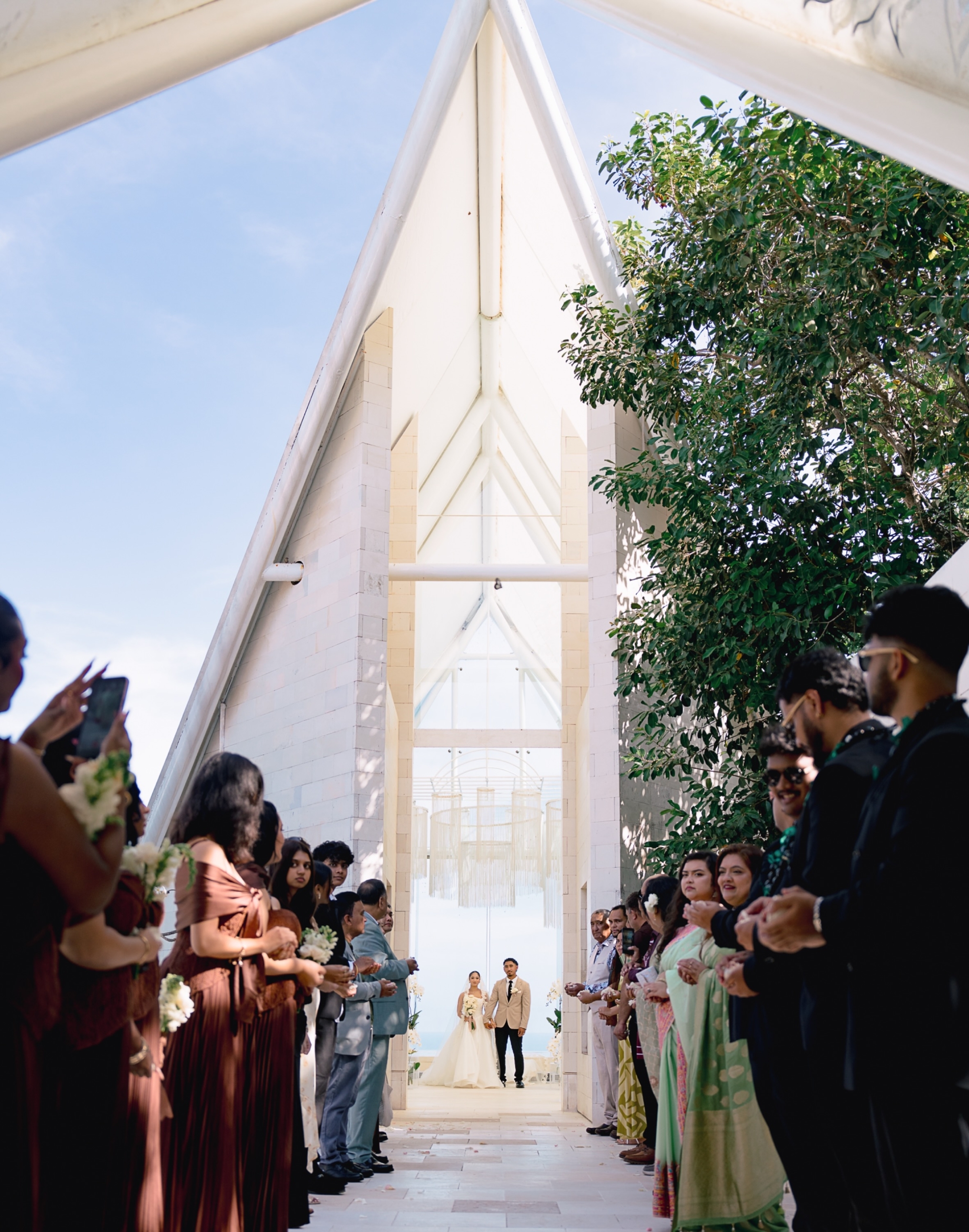
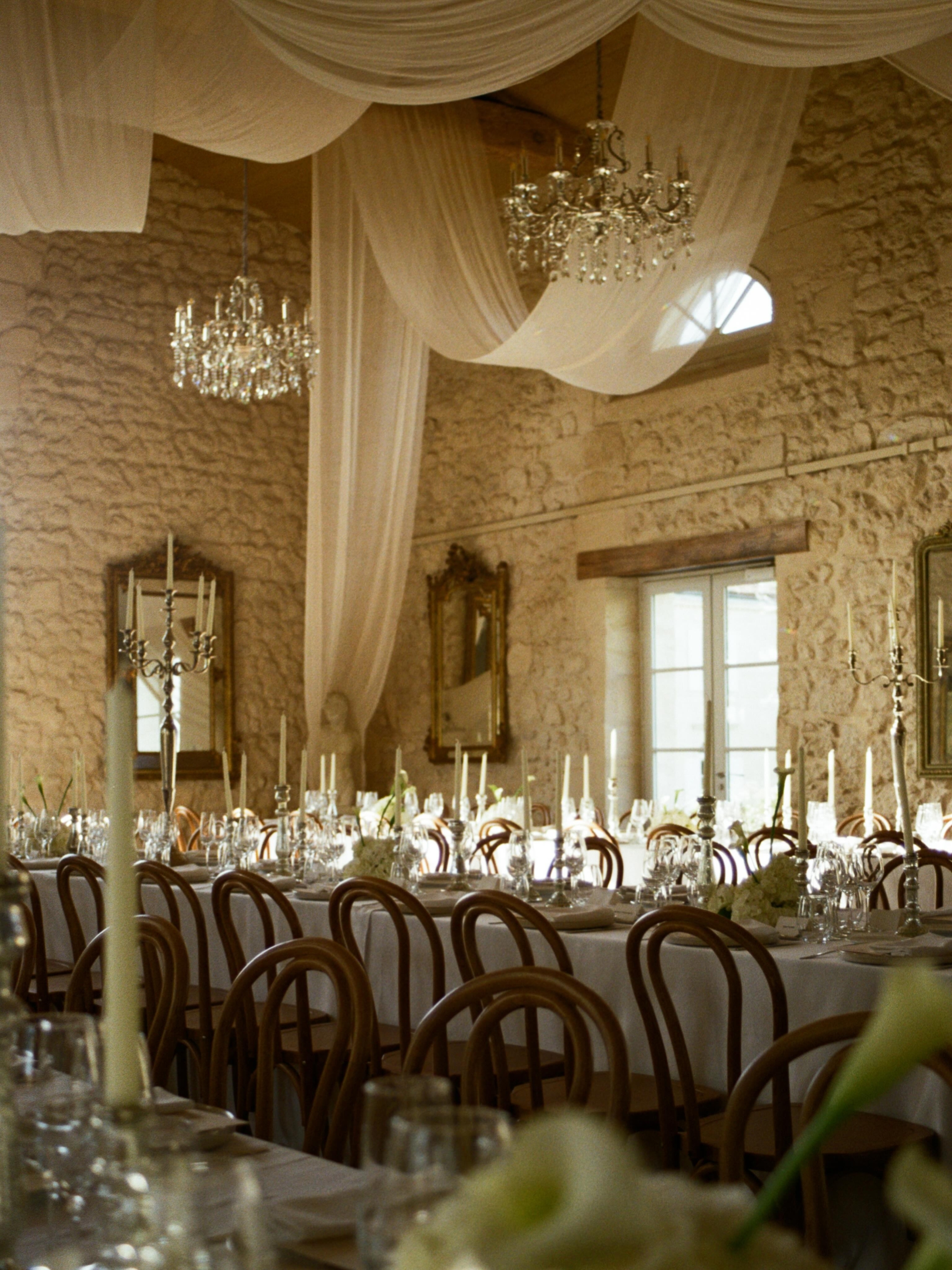
A venue may look like a dream yet create friction once the wedding is in motion. Beyond the ceremony backdrop and dinner setting, make sure to look closely at how guests, suppliers, and production teams will move through the space from one part of the celebration to the next. Where will everyone gather before the ceremony? How easily can the catering team access the site? Will guests instinctively understand where to go, or will every transition require careful direction?
For Chantal Holik Sertić of Serendipity Weddings, understanding this operational rhythm is just as important as finding a setting with visual impact. “The biggest mistake isn’t choosing the wrong wedding venue, it’s choosing a venue before understanding how the wedding will actually function,” she explains. “A venue may look extraordinary in photographs yet present significant challenges when it comes to supplier access, guest flow, production timelines, weather contingency plans, or even something as simple as where guests naturally gather throughout the day. Beautiful design captures attention, but seamless logistics shape the experience.”
Those larger priorities can be easy to miss when smaller decisions begin consuming disproportionate attention. Courtney Anderson of The Standard, High Line, sees couples become “wrapped up in minuscule details that ultimately won’t impact their wedding day.” As she explains, “It can turn into a hyperfixation, pulling focus away from what really matters.”
Forgetting to Experience the Venue as a Guest
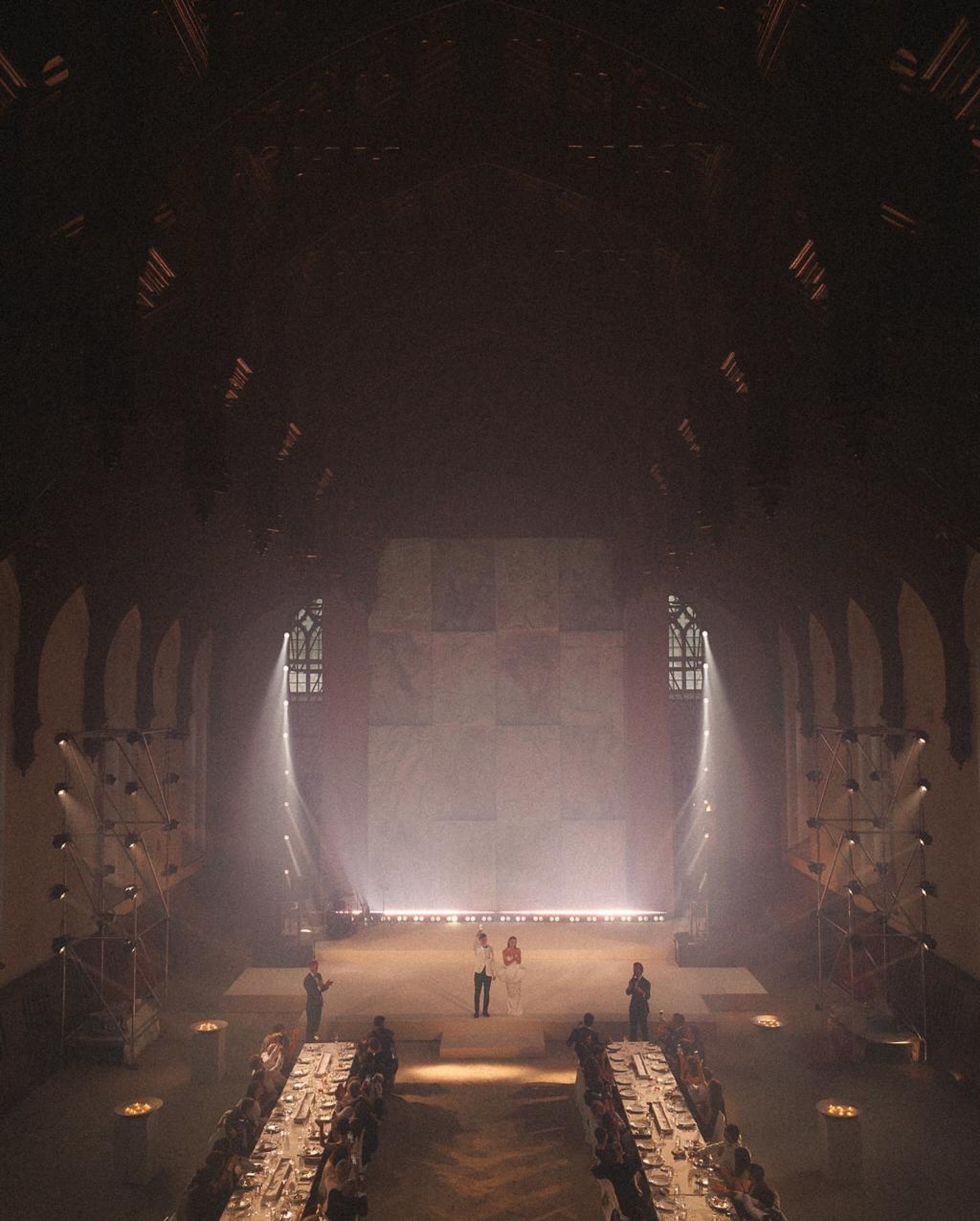
During a venue tour, it is natural to focus on photography possibilities and how the design might come together. But guests experience the property differently. Before committing, walk through the venue with their needs in mind, so you can identify where comfort, navigation, or practical facilities may fall short.
Madison Espie of The Dairy Ravensbourne encourages couples to look beyond their own path through the day and view the venue from their guests’ perspective. “While your wedding day is ultimately about you as a couple, your guests play a huge role in creating the atmosphere and memories of the day. When viewing venues, think about their overall experience, including comfort and how the space flows throughout the celebration.”
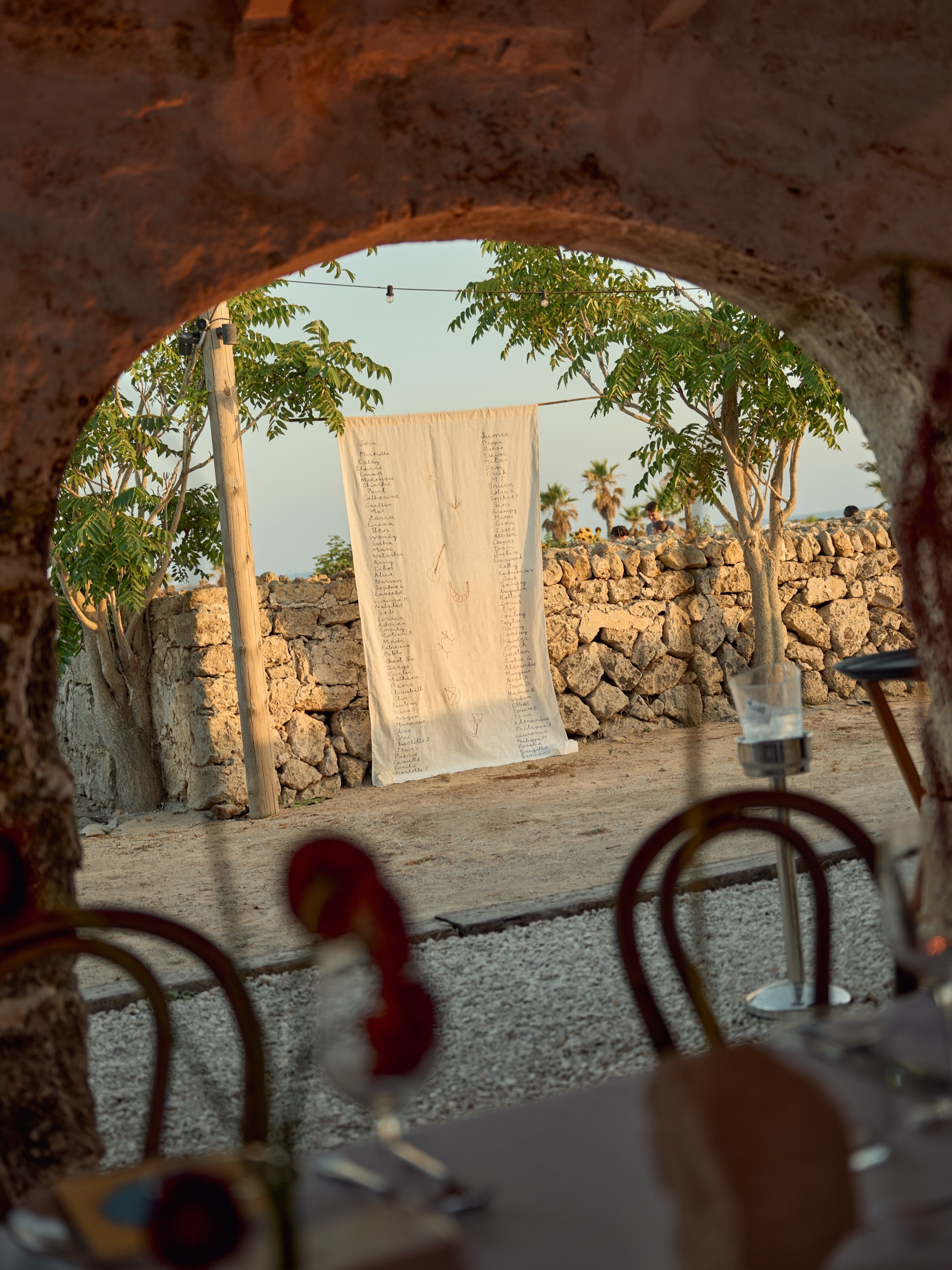
That experience also extends to how the reception space will work socially, not simply how the tables will look. The Events & Banqueting team of The St. Regis Florence and The Excelsior advises couples to think about whether the room allows for a thoughtful seating plan that reflects the relationships within their guest list. “A lot of couples think they’ll save time by letting everyone sit wherever they want, but that can quickly become stressful for guests. And if you do create a seating plan, it’s important to think about who’s sitting with whom.”
Sometimes, experiencing the venue as a guest also means asking questions that feel decidedly less glamorous. Géraldine Mostachfi of Château Gassies points to bathroom capacity as one easily overlooked example. “It sounds unglamorous, but the number of toilets on-site relative to your guest count is a very practical consideration that couples consistently overlook, until their guests are queuing on their wedding night. Always ask your venue how many facilities are available for the number of guests they can accommodate. It is one of those details that nobody notices when it’s right, and everybody notices when it’s wrong.”
Underestimating the Journey to the Venue
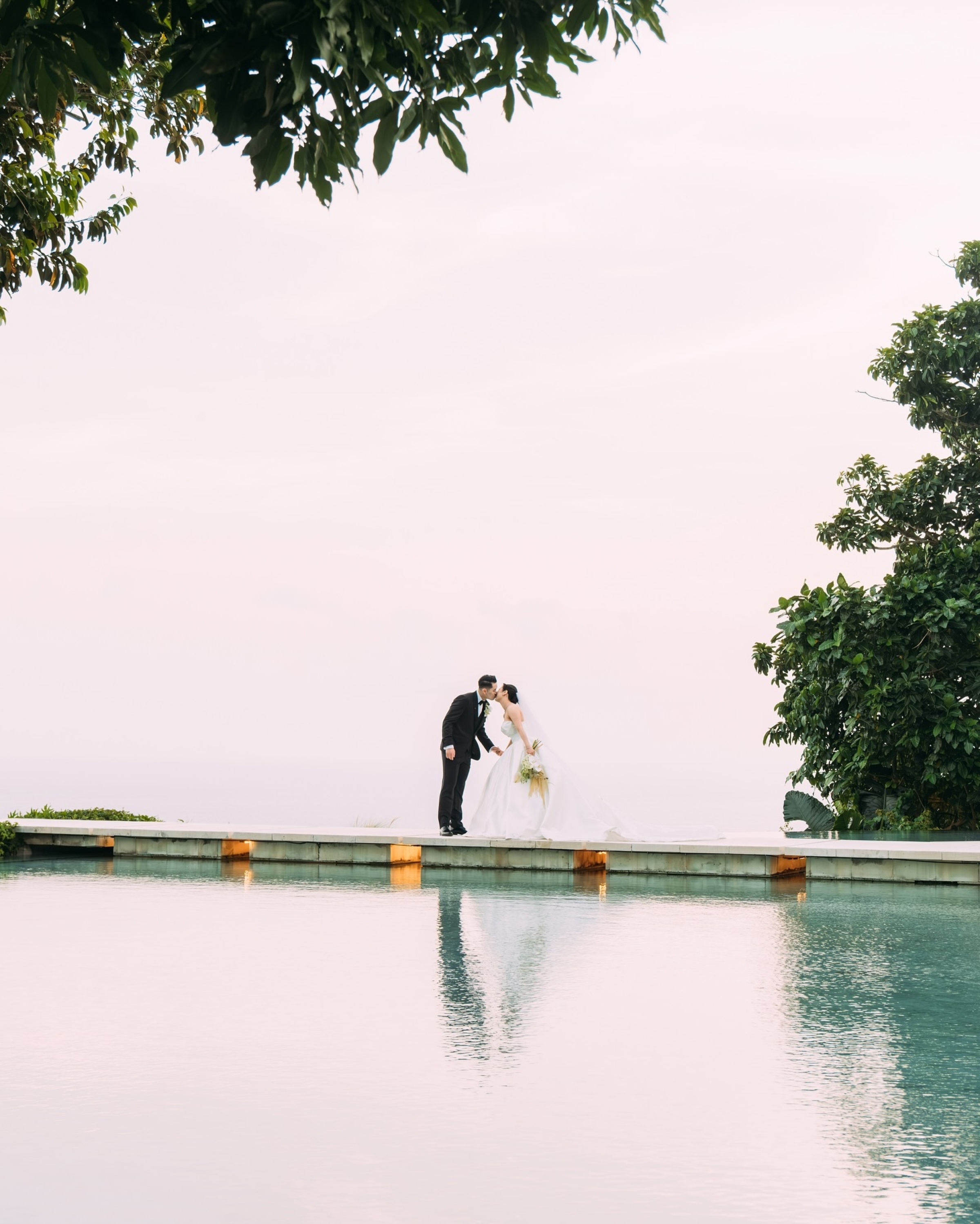
A remote or destination setting can offer extraordinary scenery, a greater sense of privacy, and the feeling of a true escape. However, the journey to and from the venue should be planned just as carefully as the setting itself. The most cinematic location can quickly lose some of its charm when guests are navigating unfamiliar roads, arranging late-night taxis, or spending hours in transit.
“For a destination wedding, accessibility matters enormously,” says Géraldine Mostachfi of Château Gassies's. “How far is the venue from the nearest airport or train station? If your guests are traveling internationally, a two-hour transfer after a long-haul flight is an unwelcome start to the celebration. Choose a venue that is reasonably well-connected. Your guests have already made a significant effort to be there for you. The least you can do is spare them an exhausting journey at the end of it.”
The team at Il Borgo di Vignamaggio also warns against assuming guests will simply find their own way. “One of the most underestimated parts of planning is transportation. Your guests won’t magically appear at the venue or find their way home after a few glasses of Chianti.”
Choosing a Destination Venue
Without On-Site Accommodation
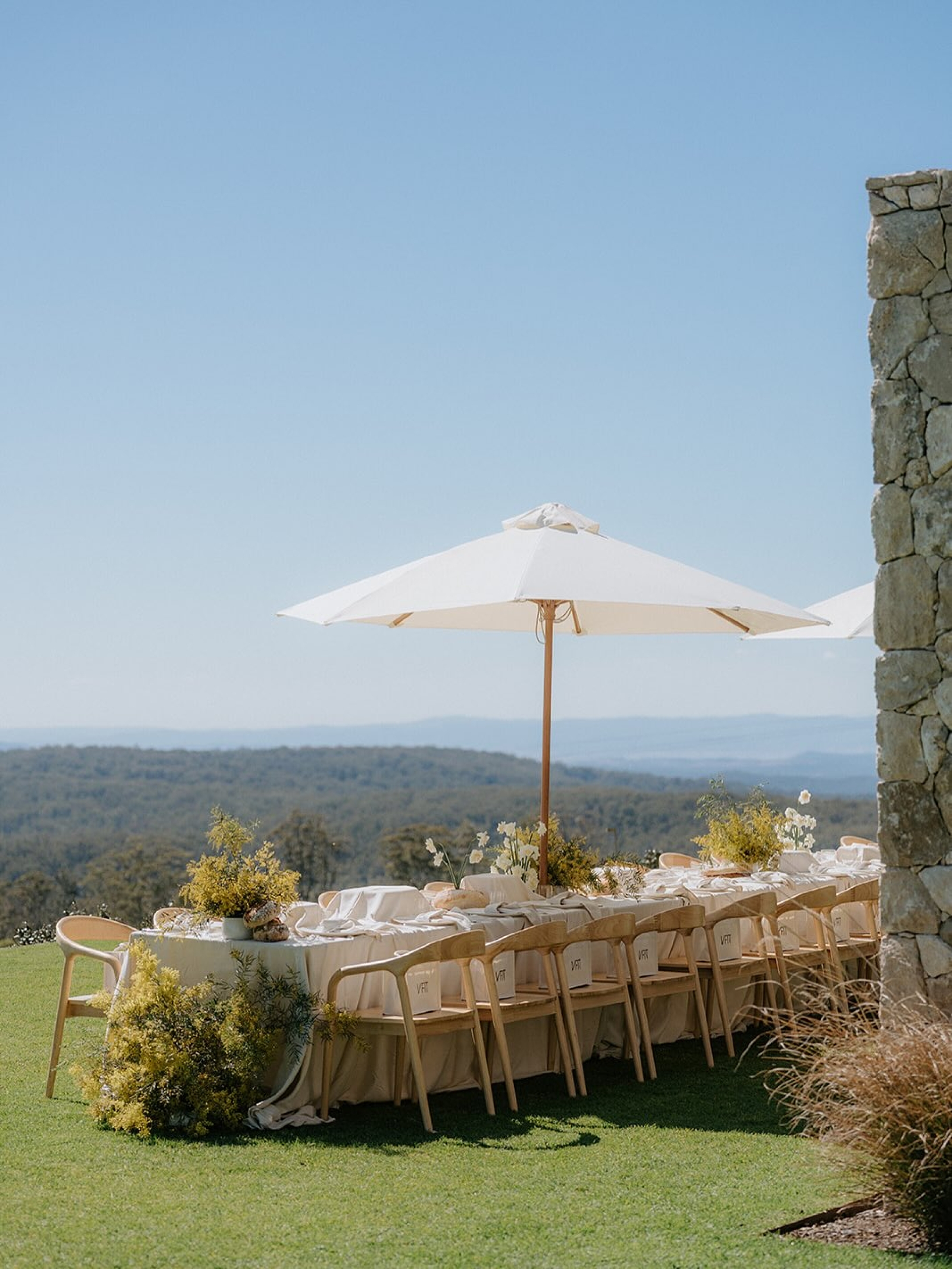
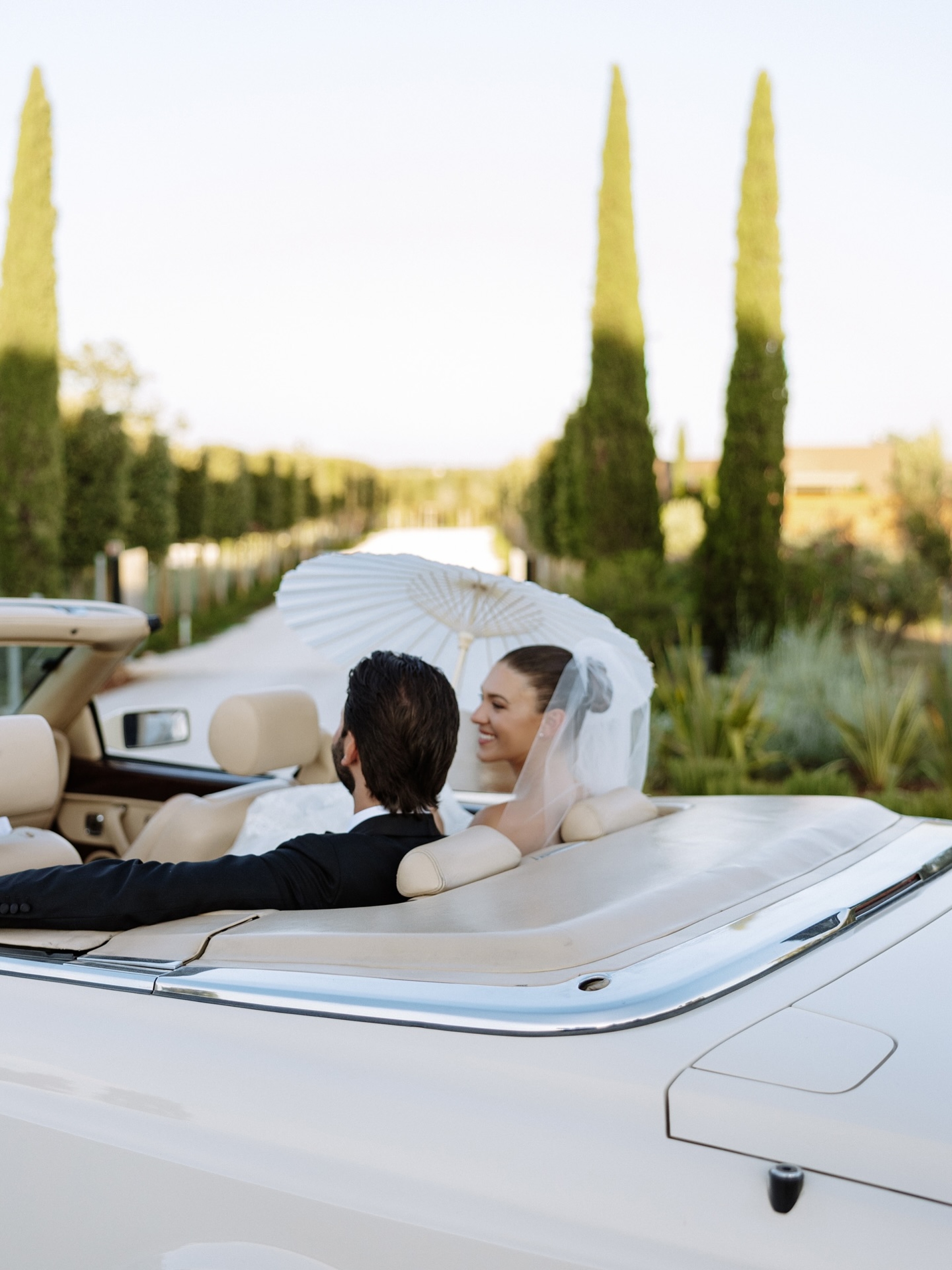
Multi-day wedding celebrations are becoming increasingly popular, but not every venue is equipped to support that kind of extended experience, especially when accommodation is limited or guests are spread across several locations.
For Géraldine Mostachfi of Château Gassies, on-site accommodation is what allows a wedding weekend to become something more than a sequence of scheduled events. “A wedding is so much more than a single day,” she says. “Couples who choose a venue with on-site accommodation for their guests transform their celebration into a true family reunion, a few precious days of quality time together that no one will forget. Without accommodation, guests scatter to different hotels, the magic of the evening ends abruptly, and those spontaneous breakfast conversations the morning after, often the most cherished moments, simply don’t happen.”
When staying on-site is not possible, the surrounding accommodation options become especially important. Angelique Hidayat and the team at Tirtha Bali advise couples to look carefully at both proximity and access. “Consider the distance to the venue and access as well, its very recommended to have a range of stay options near the venue for guests.”
Booking Too Few Nights for a Destination Wedding
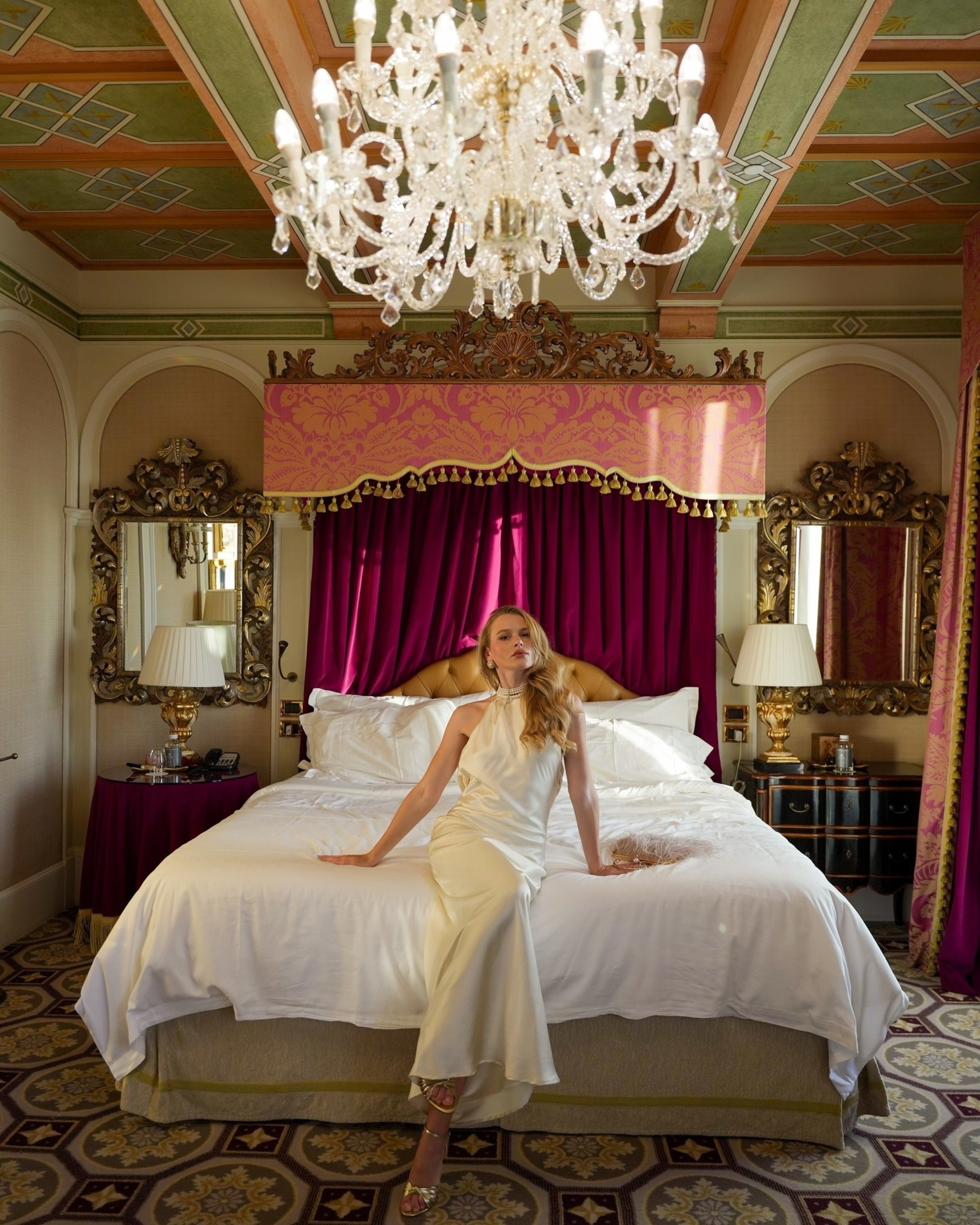
Booking too few nights is one of the most common destination-wedding regrets venues hear from couples. Géraldine Mostachfi of Château Gassies recommends allowing enough time for guests to arrive, settle in, and experience the celebration without feeling rushed. “Two nights simply isn’t enough when your guests have traveled from across the world. The first evening is spent settling in, the wedding day flies by in a blur of emotion, and suddenly it’s over. A minimum of three nights allows your celebration to breathe: a welcome dinner, the wedding day itself, and a relaxed recovery brunch where the real memories are made over a leisurely breakfast together.” Sometimes the most memorable parts of a destination wedding happen in the hours no one formally planned.