The engagement ring is on your finger, and suddenly your calendar is looking fuller than ever. Welcome to wedding planning! Luckily, you won't have to figure everything out alone. With the right team of professionals around you, even the trickiest decisions become easier to manage. And few people will be as involved in that process as your wedding planner. They'll help turn your ideas into actual plans, keep things organized and deal with the inevitable surprises. Finding that person, though? That's where things can get tricky. Together with industry experts, we've rounded up the biggest mistakes couples make when choosing a wedding planner, so you know what to watch out for before making your decision.

Choosing a Planner Based on Price Alone
A lower fee can look tempting on paper, especially when wedding costs are already multiplying at an alarming rate. But comparing planners by price alone rarely tells you much about the experience you are actually buying. Two proposals may sit thousands apart for a reason: team size, level of involvement, vendor access, planning hours, contingency support, and more can all vary dramatically.
That difference often shows up in the parts of planning couples do not immediately see. As the seasoned planning team at The Wedding Bliss Thailand explains, “The lowest proposal often means compromises elsewhere: a smaller team, fewer vetted vendors, thinner on-the-day coverage, or no contingency planning.” Those gaps are easy to overlook at the booking stage and much harder to fix once the wedding is in motion.
A seemingly better deal can become far less convincing once the fine print is unpacked. Stéphanie Augustin-Fayolle, wedding planner and founder of Wedding In Provence, points to “choosing based solely on price, without comparing what’s actually included in the service” as one of the most common missteps. So before letting the numbers make the decision for you, take a closer look at what each planner offers and whether their services are the right fit for the wedding you have in mind.

Relying on the Biggest Name Instead of the Best Fit
A well-known name and dozens of glowing reviews can certainly put a wedding planner on your radar. But will you actually enjoy working together? That's something no amount of Instagram followers can tell you. You'll be in regular contact for months, discussing budgets, family opinions, creative decisions and all those little problems that inevitably crop up. You want someone who understands what matters to you and whose way of communicating feels comfortable, even when conversations get difficult.
A bigger name may come with more visibility and social proof, however none of that guarantees chemistry. “A big name doesn’t make for a great wedding,” says Stéphanie Augustin-Fayolle. “What matters is a good fit. Your personality has to mesh with that of your wedding planner. Without that, even the most beautiful wedding will never truly reflect who you are.”
The same goes for recommendations. A friend’s rave review can be a useful starting point, but not a shortcut. Wedding planner Lupita Tirado notes, “What worked beautifully for someone else’s celebration may not be the right fit for yours.” Her advice is to look beyond reputation and pay close attention to that first conversation, the planner’s experience with weddings of your style and scale, and, crucially, how naturally the exchange feels.
Mistaking a Luxury Aesthetic for Luxury Service
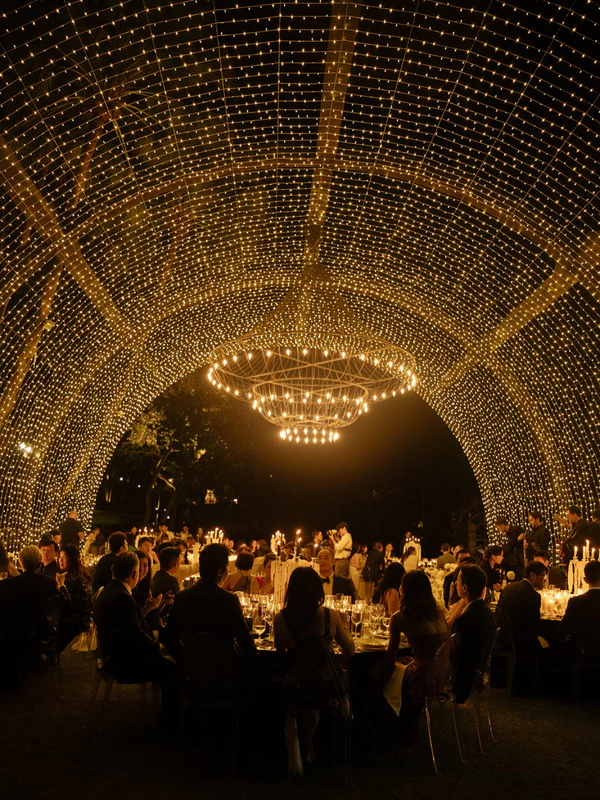
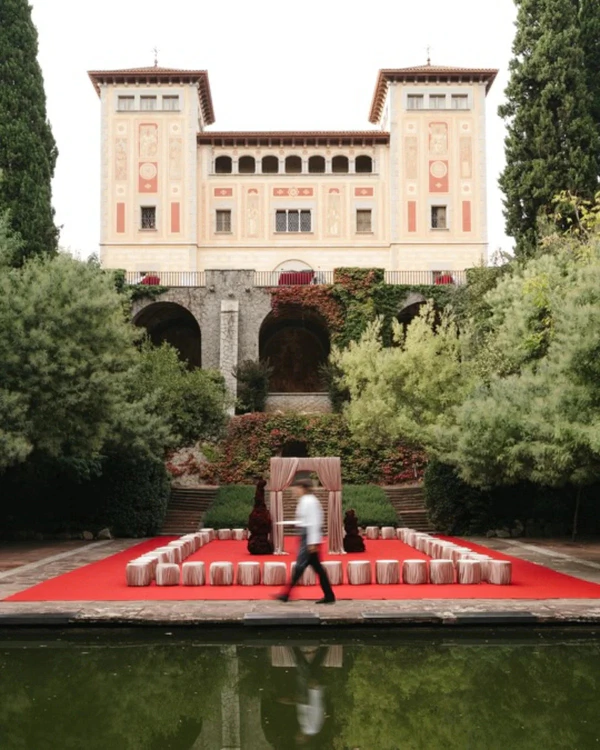
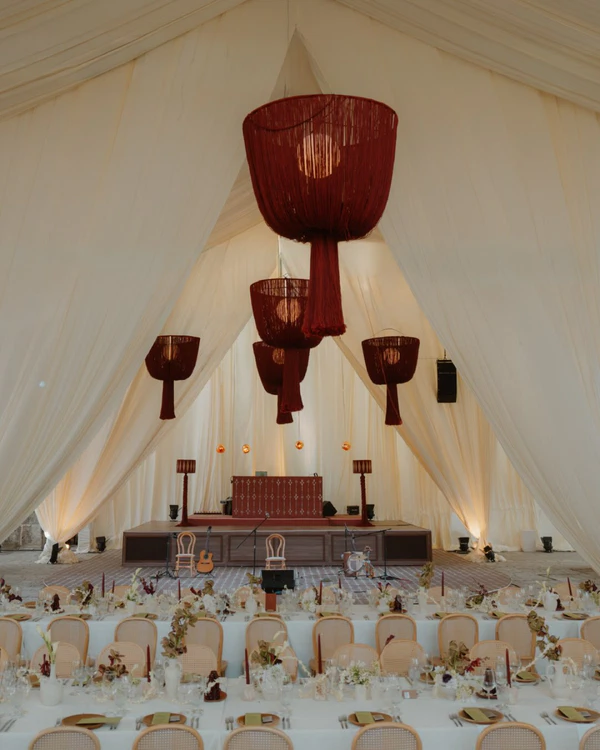
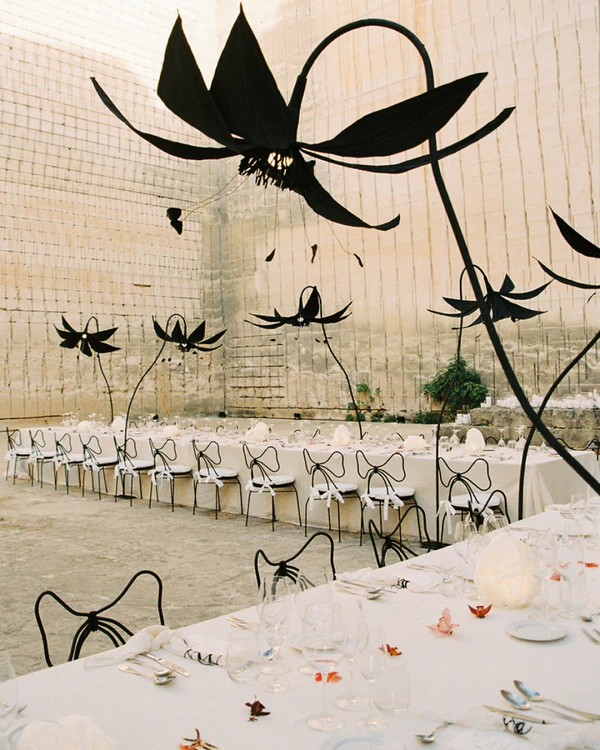
One of the easiest mistakes couples make is confusing the look of luxury with the experience of it. Custom installations, beautiful tablescapes, and a perfectly styled setting can all signal a high-end celebration, but they say far less about what is happening behind the scenes.
Wedding planner Viviana Nasillo, who runs Stress & Success, points out that “real luxury is often invisible,” showing up instead in “responsiveness, anticipation, calm problem-solving, excellent supplier relationships, guest care, privacy, and meticulous execution.” In other words, the most valuable parts of the service are often the ones couples never have to think about at all. A wedding can look expensive and still feel chaotic behind the scenes, which is why the real benchmark is not only what makes it into the photographs, but how smoothly the entire experience is managed.

Falling for the Portfolio
Without Looking at the Process
There's nothing wrong with spending an afternoon scrolling through a planner's portfolio. In fact, it's a great place to start. You can get a feel for their aesthetic, see what kinds of celebrations they typically produce and decide whether their work appeals to you. Just don't stop there. Beautiful photographs won't tell you how promptly a planner answers emails, how they keep track of deadlines or what happens when a supplier cancels at the last minute.
Planner Stéphanie Augustin-Fayolle of Wedding in Provence points to “relying solely on an Instagram feed, without verifying their work process, responsiveness, or ability to handle unforeseen events” as a common mistake. The polished final images matter, of course, but so does everything that had to happen behind them.
For Viviana Nasillo of Stress & Success, early conversations are also the moment to look beyond the creative side of planning and bring up the concerns that may already be sitting in the back of your mind. “An important aspect to explore are the potential concerns, issues, that keep bothering you in your mind even before the official planning begins,” she says. After all, weather changes, delayed deliveries, transport problems, supplier issues or last-minute guest changes are rarely visible in a portfolio, but they can reveal far more about how a planner works under pressure.
That is why a proper conversation with a potential planner should be more than a quick introduction or a chance to discuss mood boards. As The Wedding Bliss Thailand advises, “Ask for a call and prepare questions that matter to you personally: how they handle family dynamics, guest travel, or a change of plan a week out. Notice whether they ask about you as much as you ask about them. You'll work closely for months, so rapport is part of the service.”

Ignoring Whether Their Planning
Philosophy Matches Yours
Chemistry matters, but so does the way a planner thinks. Two professionals can be equally talented and still approach the same wedding from completely different angles. One common mistake is assuming that a strong portfolio and good personal rapport automatically mean your priorities will align. Their values and way of making decisions will shape the entire planning experience, so finding someone whose philosophy feels compatible with yours means looking beyond aesthetics alone.
“Some are design-led and start with the vision, others are logistics-driven and start with precision and process, and others centre the guest experience,” explains The Wedding Bliss Thailand. “None is wrong, but a mismatch with your priorities will be felt at every stage. Decide what matters most to you, then choose the team whose approach mirrors it." This does not mean finding someone who agrees with you on every detail. It means choosing a planner whose natural way of working supports the kind of celebration, and planning experience, you actually want.


Assuming Prestige Can Replace Local Knowledge
For destination weddings especially, one of the easiest things to overlook is local expertise in favor of a recognizable name. A strong reputation can be reassuring, but it does not guarantee a deep understanding of the place itself. That knowledge often lives in the practical details: trusted supplier relationships, venue-specific quirks, regional logistics, local regulations and the kind of insider understanding that comes from working there repeatedly.
“An international reputation is no substitute for local knowledge,” says Stéphanie Augustin-Fayolle of Wedding in Provence. Drawing on her own experience in Provence, she emphasizes the advantage of already knowing the venues, the people behind them and the local details that can quietly shape how smoothly a wedding comes together.
Not Understanding What You’re
Actually Hiring Them to Do
A wedding planner and a wedding coordinator aren't quite the same thing. Far from it, actually. While one might be involved from the earliest stages, helping develop the concept, find vendors and manage the budget, the other may only step in during the final weeks to make sure everything runs smoothly. It's an important distinction, but one that's surprisingly easy to miss when you're unfamiliar with how the wedding industry works. And finding out too late can mean taking on a lot more of the planning yourself than you originally bargained for.
“Planning a wedding involves far more than coordinating the day itself. Design, planning, logistics and execution are deeply connected, and when they are divided among different people, details can easily get lost along the way. Many couples hire someone who only covers one part of the process, only to realize later that they are left managing the rest on their own,” explains wedding planner Lupita Tirado.
To avoid that gap, get specific before signing anything. Ask who is responsible for creative direction, vendor sourcing, budget management, logistics, guest communication and on-the-day execution, and make sure there are no grey areas where you assume something is covered simply because it sounds like it should be.
Choosing Someone Who Never Pushes Back
It's great to work with someone who gets excited about your ideas. Not so great? Discovering months later that some of those ideas were never particularly practical to begin with. A planner who agrees with absolutely everything might seem like a dream during your first meeting, but there's a difference between being supportive and simply telling you what you want to hear.
As Stress & Success puts it, “The best planners are not simply accommodating. They know when to challenge an idea, recommend a better supplier, protect the budget, simplify logistics, or say that something will negatively affect the guest experience. Good judgement is part of what the couple is paying for.” The best dynamic is not one where the planner takes over, but one where they are confident enough to offer an informed opinion when it matters. A thoughtful no can sometimes be far more valuable than an enthusiastic yes.

Not Looking Closely Enough at
Their Vendor Relationships
A planner’s network is, without a doubt, one of their biggest strengths, but couples sometimes stop at hearing that they have “trusted vendors” and leave it there. The more useful question is how those recommendations are actually being made. Are they tailored to your budget, style and priorities, or are the same names appearing simply because they are familiar, convenient or commercially connected?
As Stress & Success notes, “In luxury weddings, the planner’s network can have a significant effect on the quality of the final event. But couples should also understand whether recommendations are genuinely based on suitability, quality, and experience rather than simply habit or commercial arrangements.” The best vendor relationships should work in your favor, opening doors to people who genuinely fit the wedding instead of narrowing the options by default. A strong network is valuable, but transparency around how that network is used matters just as much.
Accepting Vague Budgets or Promises That Everything Will Be “Seamless”
A reassuring pitch can be persuasive, especially when a planner promises to make the process feel effortless. But one of the easiest things to overlook is whether that confidence is backed by actual detail. Vague estimates, unclear inclusions or a reluctance to discuss where costs may rise can leave couples exposed to exactly the kind of surprises they were hoping to avoid.
“One of the biggest sources of stress during wedding planning is unexpected costs,” says wedding planner Lupita Tirado. “A professional planner should be able to present a thorough initial estimate that gives you a realistic picture of what your wedding will require, from venue and catering to design, décor and production. Without that clarity, it becomes difficult to make informed decisions or plan your budget with confidence.”
You do not need every figure locked in immediately, but you should leave the first conversations with a realistic sense of what the wedding will cost and where the variables are. The more transparent the planner is early on, the fewer unpleasant surprises tend to appear later.