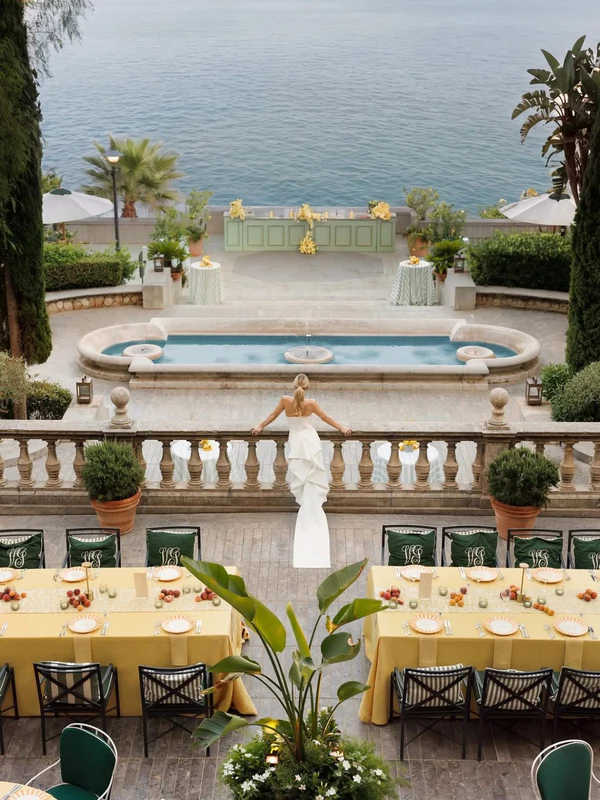
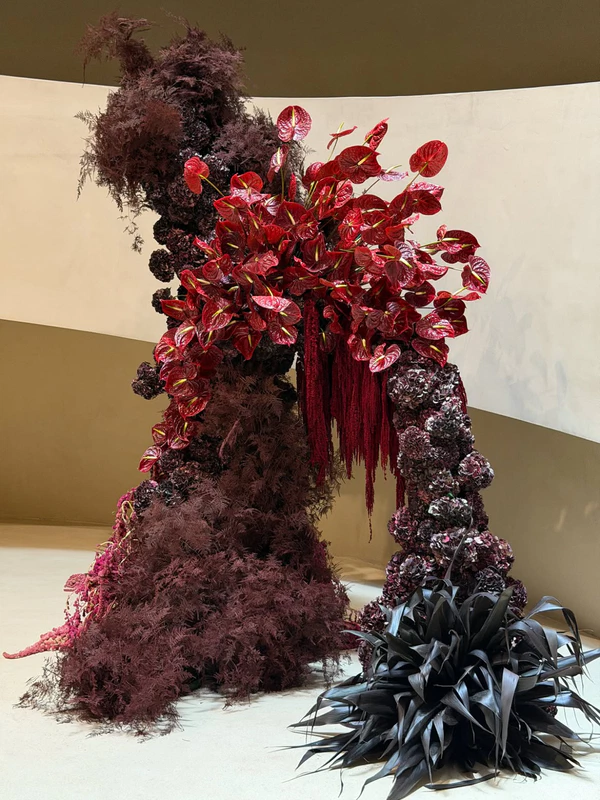
Endless rows of numbers, mathematics, and more recalculating than anyone signed up for: budget planning may not be the most glamorous part of the wedding journey, but it is one of the most important. A thoughtful budget does more than keep spending in check. It helps clarify priorities, exposes the costs that are easy to miss, and makes it easier to decide where investing more will genuinely change the celebration. Together with leading wedding planners, we’ve broken down the key factors to consider along the way, from guest count and venue costs to percentage frameworks, contingency funds, and smarter ways to stretch the budget. Here are 10 expert-backed principles to help you approach your wedding finances more thoughtfully.

Start With the Guest Count
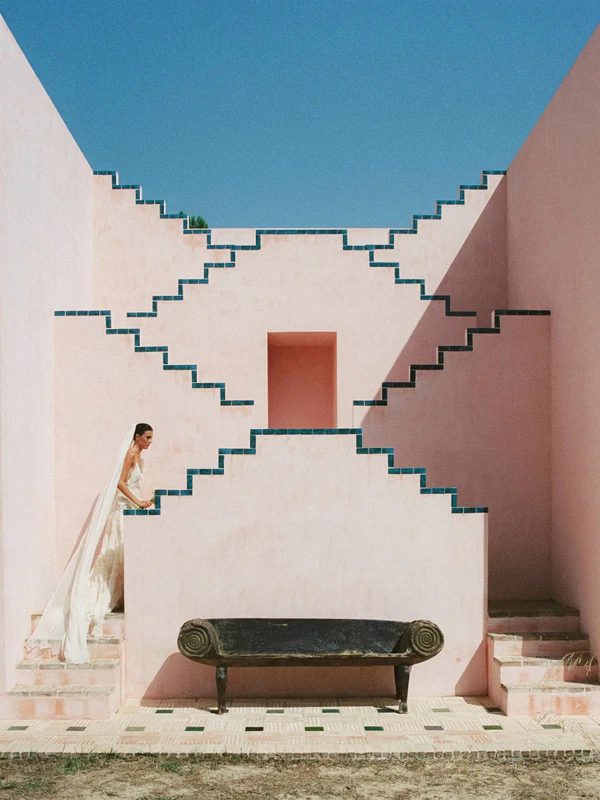
If there’s one number that can reshape your wedding budget before you even begin assigning percentages, it’s the guest count. Headcount has a ripple effect across almost every major category, so having a clear sense of your numbers early on makes the rest of the planning far easier to calibrate. Through years of planning weddings across destinations and scales, wedding planner Anastasia Aslanyan, the visionary behind Happy Moments Collector, has seen just how quickly the guest list can influence the financial picture. “The guest list is one of the most powerful budgeting tools. It affects not only catering, but also the venue, rentals, florals, stationery, transportation, and staffing,” she explains. “Even a relatively small change in guest numbers can create room in the budget for something especially meaningful to the couple.”
Look Beyond the Venue Rental Fee
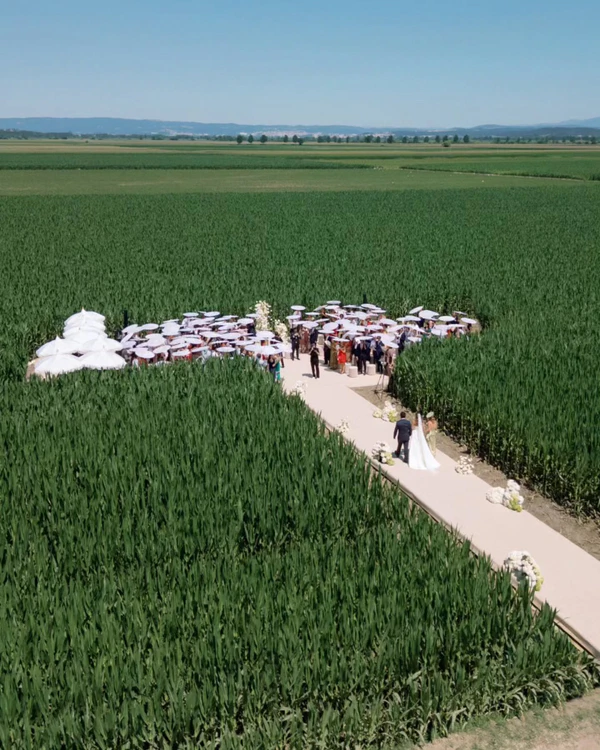
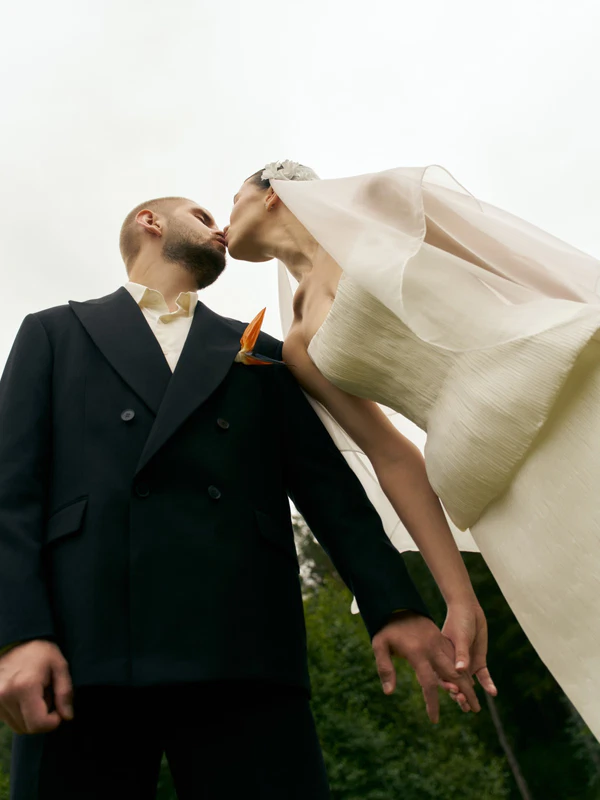
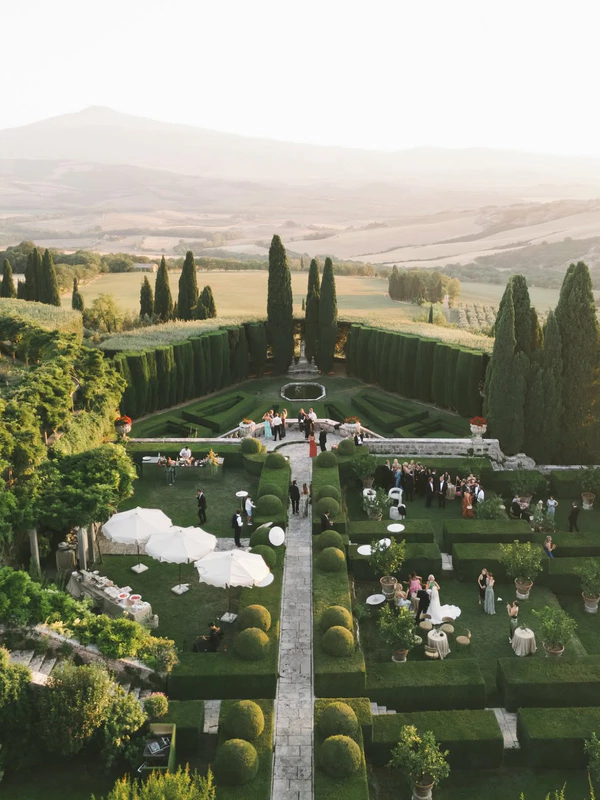
Where you get married can change the budget just as dramatically as how many people you invite. The venue fee itself is only one part of that equation, and a lower headline price does not necessarily mean a lower overall spend once everything required to bring the celebration to life is factored in.
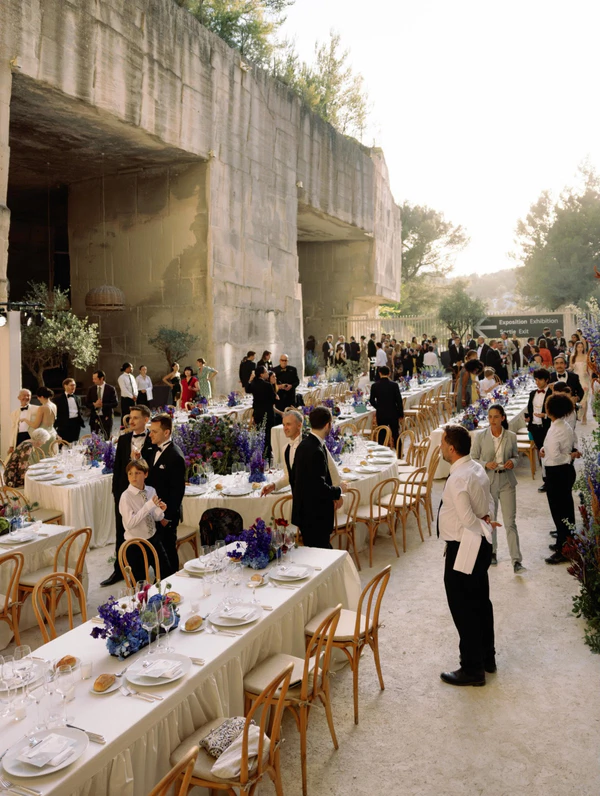
Wedding planner Georgia Gravanis Smith, who runs Mrs Smith Weddings with partner Josh Smith, always encourages couples to look closely at where the wedding is taking place and what the venue actually includes. "Two venues with a similar hire fee can have completely different financial implications – one may include catering, beverages, rentals and accommodation, while another may be a true dry-hire space requiring everything to be brought in," she notes.
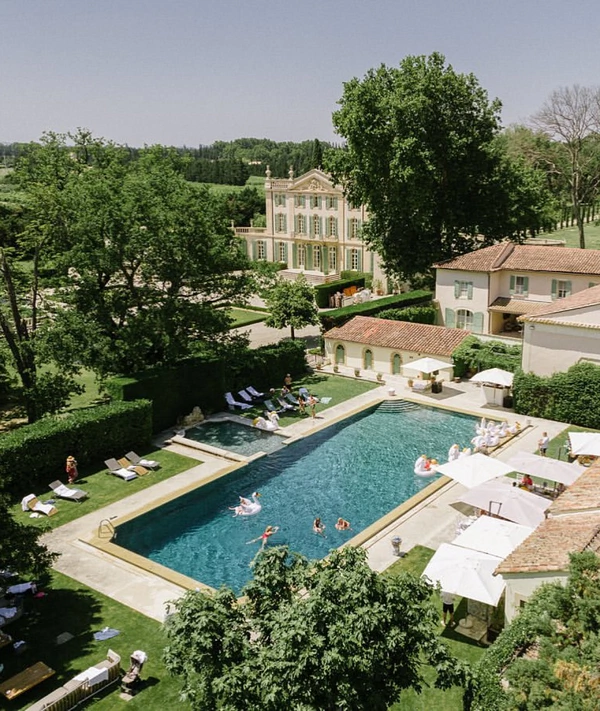
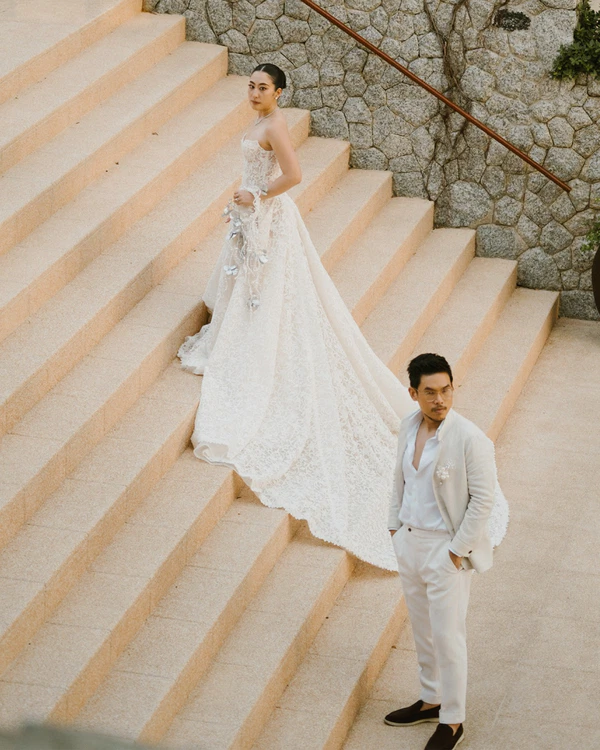
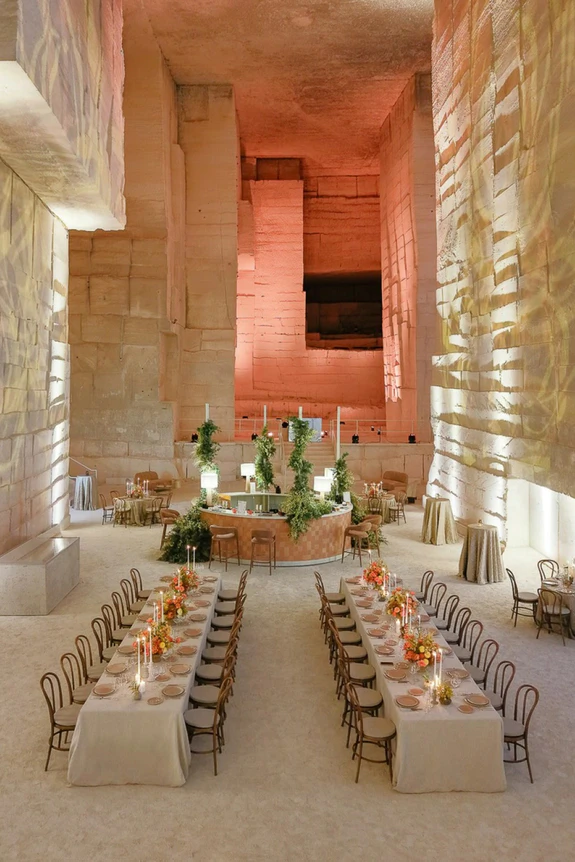
Sonja Yildizoglu, wedding planner and founder of The Wedding Company, sees the same pattern, particularly when it comes to European destination venues: “Particularly in Europe, a beautiful venue may essentially provide only the setting itself, while furniture, lighting, catering, technical production and other essential elements need to be sourced separately. Some venues also work exclusively with selected partners or apply additional fees for bringing in external suppliers, which should be considered from the very beginning.”

Understand How the Destination
Changes Your Budget
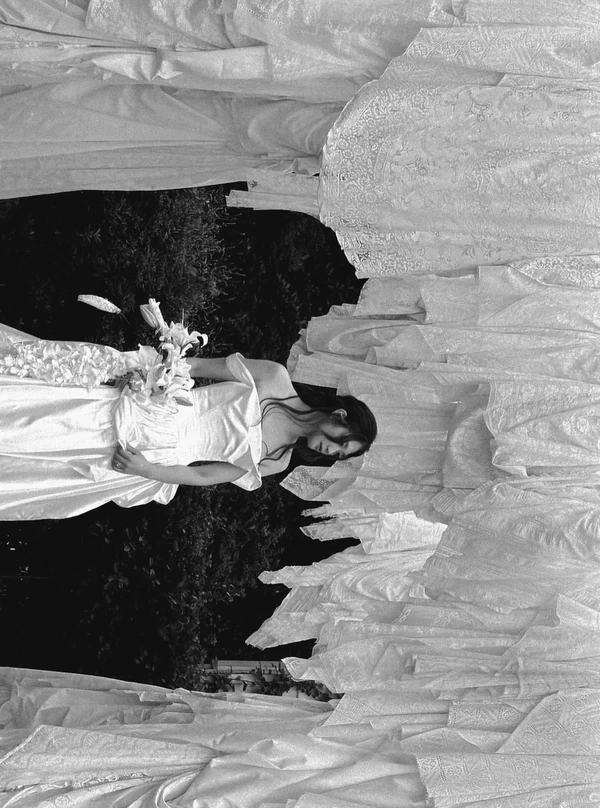
Beyond the venue itself, the destination can influence the budget in less obvious ways. Local supplier rates, production requirements, travel, accommodation, and transportation can vary significantly from one region to another, meaning the same wedding brief may come with a very different price tag depending on where it takes place. As Georgia Gravanis Smith of Mrs Smith Weddings explains, “The destination itself matters too, as some regions are naturally more expensive to produce in than others. You need to understand the full picture first, otherwise the budget can be misleading from day one.”
The location can also expand the scope of what needs to be accounted for, particularly when guests are traveling in and staying for several days. The wedding planner team at The Bridal Planner Thailand recommends considering the full guest stay from the outset: “For a destination wedding, we always encourage couples to think beyond the wedding day and consider the entire guest journey, from arrival to departure. Deciding early which parts of that experience you would like to host makes it much easier to plan the budget thoughtfully and avoid unexpected costs later on.”
Use the "Priority-First" Method
With so many numbers, categories, and decisions competing for attention, it is easy to lose sight of what the budget is actually meant to serve. If you find yourself trying to work out what deserves more, where to scale back, and how much to assign to each element, a “priority-first” approach can bring the whole picture into focus.
“We always ask couples to identify the three things that matter most to them. Is it guest experience, photography, an incredible band, food, fashion, design?” explains wedding planner Georgia Gravanis Smith. “Those priorities should carry a greater portion of the budget. There is no universal formula for the perfect wedding budget – it should reflect what the couple genuinely values.”
Wedding planner Anastasia Aslanyan advises keeping the same principle in mind: “Whether your priority is exceptional food, an extraordinary setting, live entertainment, or an unforgettable weekend for your guests, identifying the two or three elements that matter most will help you allocate your budget with intention.”
Treat Percentages as a Framework, Not a Formula
A percentage breakdown is most useful when it follows the couple’s priorities, rather than setting them. “We always encourage couples to start with priorities, not percentages. Every celebration is personal, and the budget should reflect what matters most to them,” says The Bridal Planner Thailand. Once those priorities are clear, the team recommends looking at the wedding budget across five key areas: Planning & Production, Venue & F&B, Suppliers, Accommodation, and Transfers.
“As a general starting point, we suggest approximately 40% for Planning & Production,” the team explains. Importantly, that figure covers much more than planning alone: “This covers the elements that bring the entire celebration together from planning and coordination to design, décor, florals, technical production, lighting, sound, staging, and the team behind the event.”

From there, they suggest that “another 30% can be allocated to Venue & F&B, covering the venue itself as well as the dining and beverage experience,” while “around 15% can be allocated to key wedding Suppliers, depending on the couple’s priorities.” That supplier category can include the celebrant, MC, photographer, videographer, hair and makeup artist, wedding cake, live musicians, DJ, fireworks, and other entertainment or specialist services.
Accommodation, in The Bridal Planner Thailand’s suggested breakdown, makes up around 10% when primarily covering the couple’s own stay. If rooms are also being provided for family or guests, that share should be adjusted according to the number of rooms and nights required. Finally, “around 5% can be set aside for Transfers, helping ensure smooth transportation throughout the celebration.”
Budget for the Costs You Don’t See Coming
Some of the trickiest wedding costs are not necessarily the biggest, but the ones that were never part of the original calculation. Small fees, logistical necessities, and seemingly simple additions can accumulate quickly, particularly with a destination celebration, so it pays to know where those extras are most likely to appear.
Wedding planner Sonja Yildizoglu of The Wedding Company points to a whole category of expenses that can easily slip under the radar: “For a destination wedding, there are many less visible costs that can have a significant impact on the overall budget — from exclusive vendor fees, Plan B solutions and cleaning teams to vendor meals, music licences, security deposits and additional production requirements.”
The Bridal Planner Thailand also cautions against underestimating seemingly casual additions to the itinerary. “A secondary dinner, boat trip, or casual get-together may feel like a simple addition to the itinerary, but once hosted for guests, it naturally brings additional costs from food and beverages, transportation, photography, entertainment, and other logistics.” Accommodation can introduce another layer of expense, particularly when guests arrive or leave on different dates, requiring extra nights or individual airport transfers.
Keep a Cushion for What Comes Later
Whatever percentage framework you follow, it pays to keep a small portion of the budget deliberately unassigned. No matter how detailed the planning becomes, it is difficult to account for every expense from the outset. Some decisions are made later, once the celebration has taken shape, while others arise simply because something worth adding appears along the way. This is why Happy Moments Collector recommends keeping part of the budget deliberately flexible.
“I always recommend reserving approximately 5-10% of the overall budget for contingencies and decisions made later in the planning process. Couples often discover something special along the way that they would love to include. Having some flexibility makes those decisions far less stressful,” explains founder Anastasia Aslanyan.
Spend With the Guest Experience in Mind
A well-planned budget should account not only for how a wedding looks, but for how it feels to be there. For The Wedding Company, that means deliberately setting aside room for hospitality, especially when guests have travelled a long way to celebrate. “I always recommend setting aside a realistic portion of the budget for the guest experience,” emphasizes founder Sonja Yildizoglu. “Many guests are travelling from around the world to celebrate with you, so thoughtful details such as reliable transportation, generous food throughout the celebration, a great midnight snack and personal welcome gifts can make a meaningful difference in how the wedding is experienced.”
The Bridal Planner Thailand also points to comfort as an investment that may never appear in photographs, yet can shape the entire atmosphere. “Guest comfort is equally important, especially for destination weddings in warmer climates. Air conditioning or proper cooling may never appear in the wedding album, but it can make an enormous difference to the guest experience. Even the most beautifully designed space can lose some of its magic if guests are simply too warm to enjoy it.”
Choose Where to Make the Biggest Impact
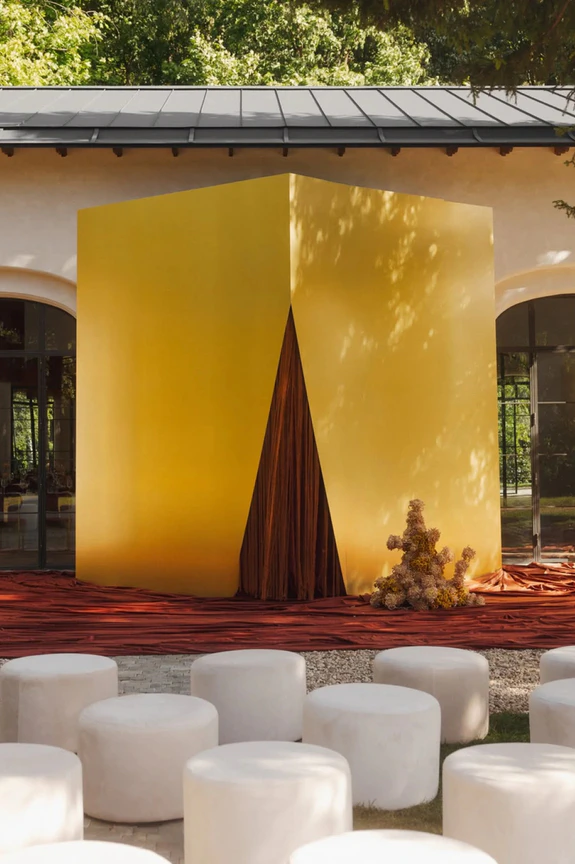
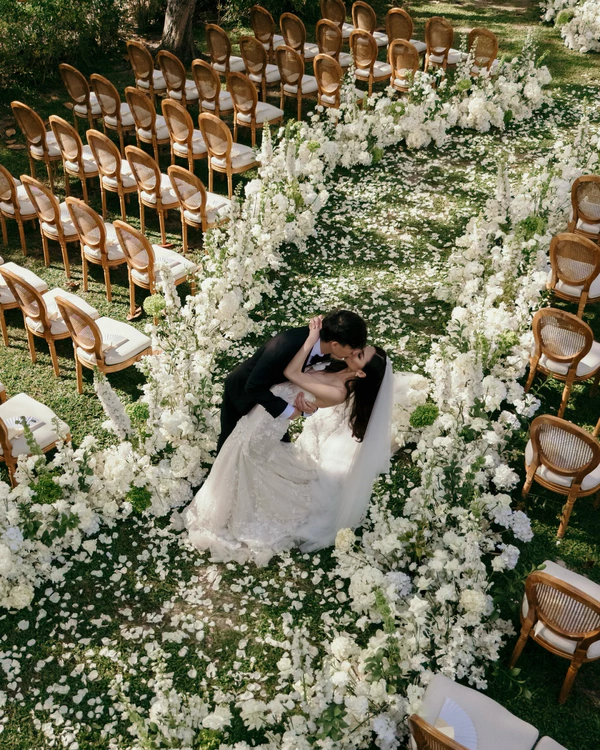
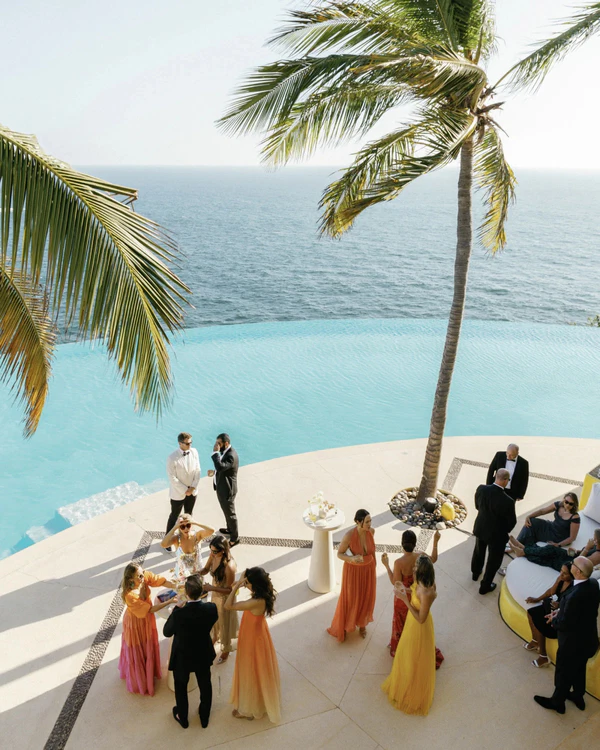
Trying to give every part of the wedding the same level of investment can quickly dilute the effect. Instead, consider where a little more spending will genuinely change the experience or visual impact, and where a simpler approach might be enough. As Georgia Gravanis Smith explains, “Impact rarely comes from spending a little bit more everywhere. It comes from choosing a few moments and making them exceptional. We would often prefer to reduce smaller aisle arrangements and invest that budget into a more impressive ceremony installation or keep one area restrained so another can feel extraordinary. A considered edit will almost always feel more luxurious than trying to elevate every single element equally.”
The same thinking can apply to the wedding weekend as a whole. Sonja Yildizoglu of The Wedding Company notes, “If the overall budget is more limited, I would always recommend concentrating the investment rather than spreading it too thinly across several days. A beautifully executed two-day celebration — for example, a welcome dinner followed by the wedding day — can feel far more elevated and memorable than trying to accommodate a full three-day itinerary while compromising on the elements that truly shape the guest experience.”
Look for Smarter Ways to Stretch the Budget
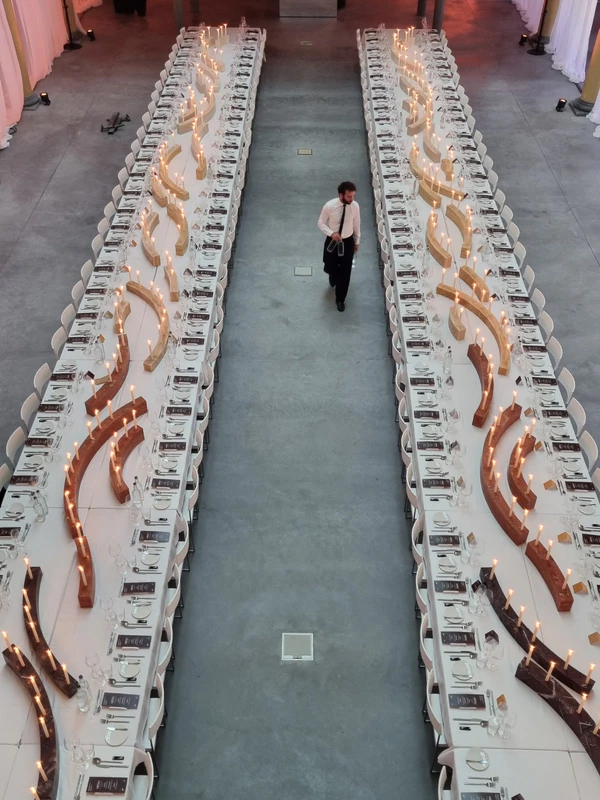
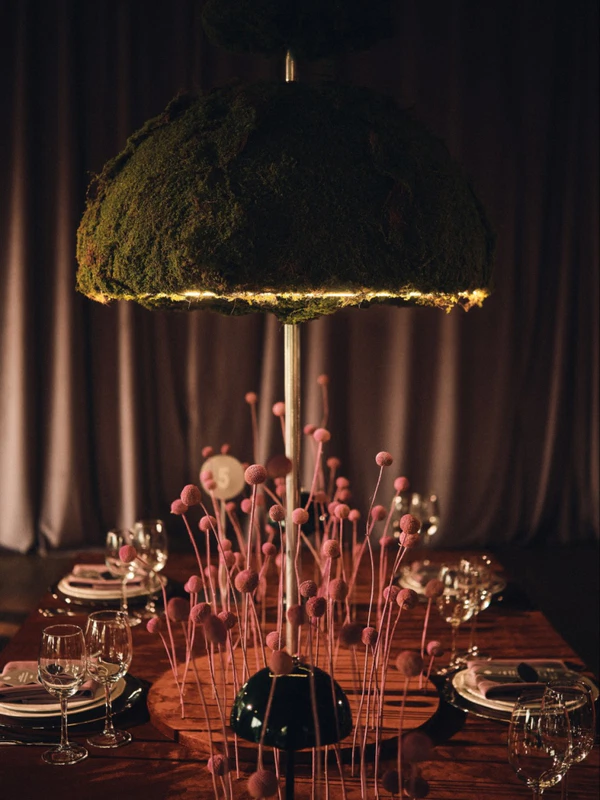
Stretching the budget does not always mean cutting back. Often, it is about choosing suppliers and design decisions that make each investment work harder. The Wedding Company recommends looking for partners who can cover more than one need: “Another smart approach is to work with catering companies that can provide not only the food and service, but also high-quality furniture, tableware, glassware and a strong in-house selection of products. This can significantly reduce additional rental, delivery and logistics costs that would otherwise arise from bringing in a separate furniture and tabletop supplier, while still maintaining a beautifully curated overall look.”
The Bridal Planner Thailand takes a similar approach to design, encouraging couples to make more of what is already there. “We also love working with what the venue already offers — its landscape, architecture, natural light, or surroundings and allowing those elements to become part of the design.” Sometimes, the smartest saving is simply knowing when the setting is already doing enough.