What if the best thing a planner can give a couple is a wedding day with nothing to manage? No timelines to follow, no vendor arrivals, no glances at the forecast, no wondering whether dinner is ready to be served. After all, a year of planning means hundreds of decisions, and when the wedding day arrives, couples are expected to set every one of them down and enjoy themselves. Roque Events has built its entire approach around making sure they can. The California-based planning and design company, founded in 2014, has produced more than 500 weddings and deliberately keeps its full-service calendar small. Here, Raquel Bickford, Founder and Executive Producer of Roque Events, explains why she keeps her calendar small, why access matters more than volume, and what a couple gains when their planner is thinking ten steps ahead.
Tell us the story of how Roque Events came to be...
Roque Events really started from a love of bringing people together and creating experiences that feel meaningful. I founded Roque in 2014, and in those early years I was doing everything myself, learning every part of the business from the ground up. Over the years, it grew from a small event company into what Roque is today, a full-service planning and design company producing highly considered weddings throughout California and beyond.
More than 500 weddings later, I think I love this work even more because I understand how much goes into doing it exceptionally well. Roque has evolved tremendously over the last 12 years, but the heart of it has stayed the same. We want to create beautiful celebrations, take incredible care of people, and give our couples the ability to actually experience one of the most important weekends of their lives rather than manage it.
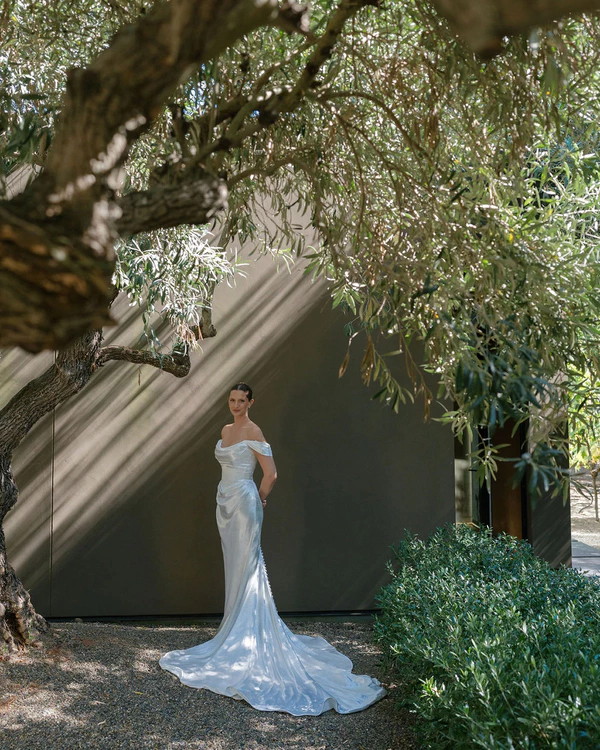
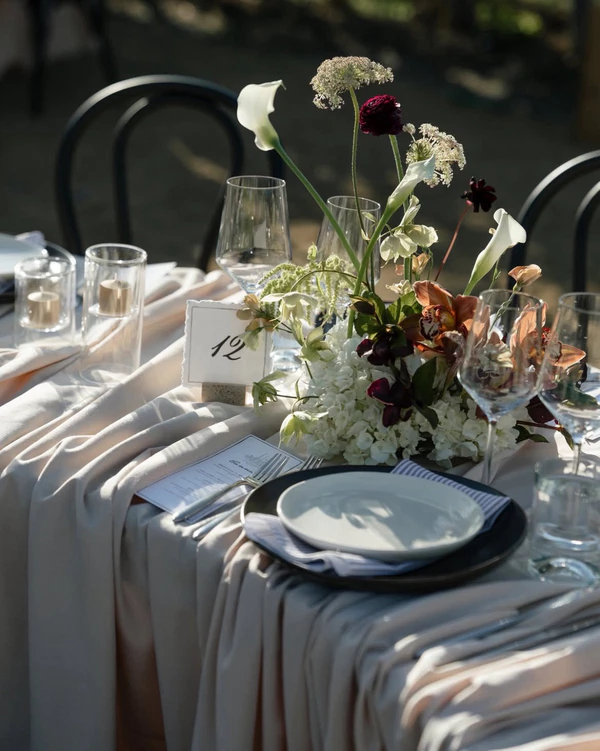
"We want to create beautiful celebrations, take incredible care of people, and give our couples the ability to actually experience one of the most important weekends of their lives rather than manage it."
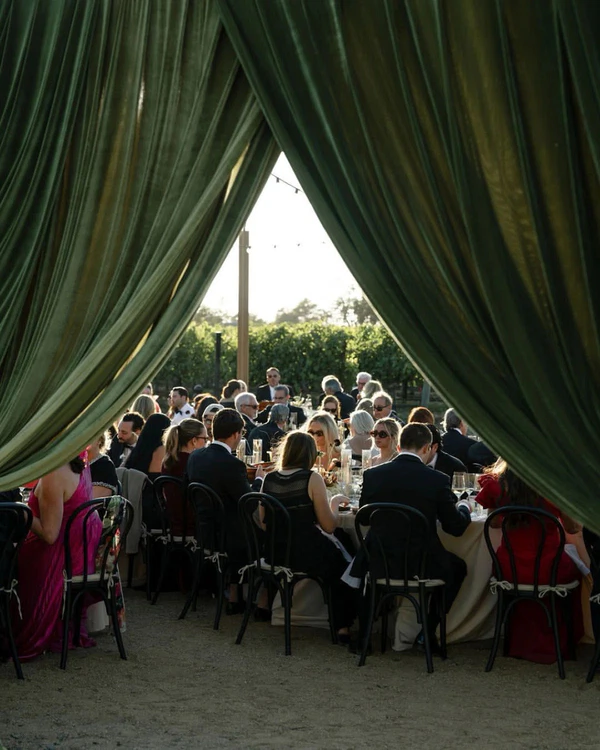
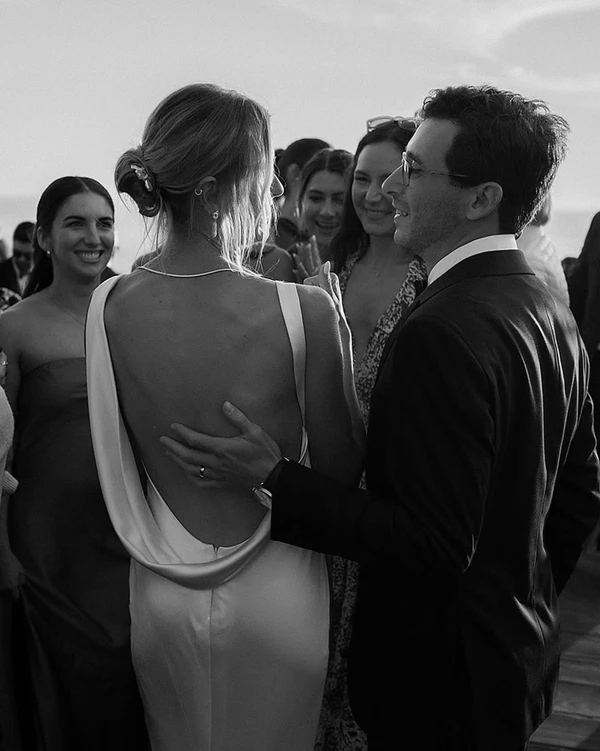
You and your team have such diverse backgrounds spanning design, hospitality, and event data science. How do those disciplines intersect and impact your work?
I think that combination is actually one of our greatest strengths because weddings require you to think creatively and analytically at the same time. There is the visual side of what we do, but behind every beautiful wedding is an enormous amount of logistics, hospitality, budgeting, communication, timing, and problem-solving. Design cannot exist independently from how a space functions or how a guest experiences it.
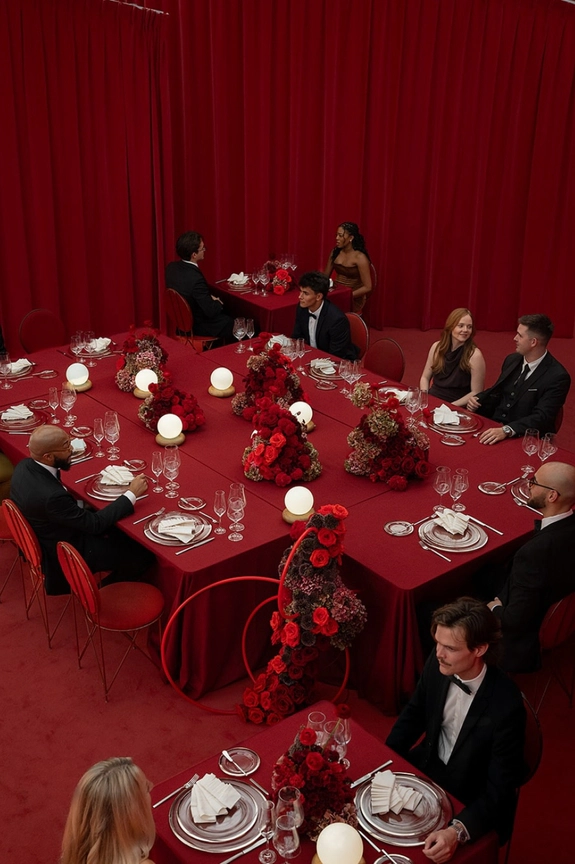
We approach a wedding from all of those perspectives simultaneously. We are thinking about how something looks, but also how guests move through a space, how long dinner service will take, where the catering team needs access, whether the lighting changes the feeling of the room, and how hundreds of small decisions impact the overall experience. When those disciplines work together, the wedding doesn't just photograph beautifully. It feels effortless to be a part of.
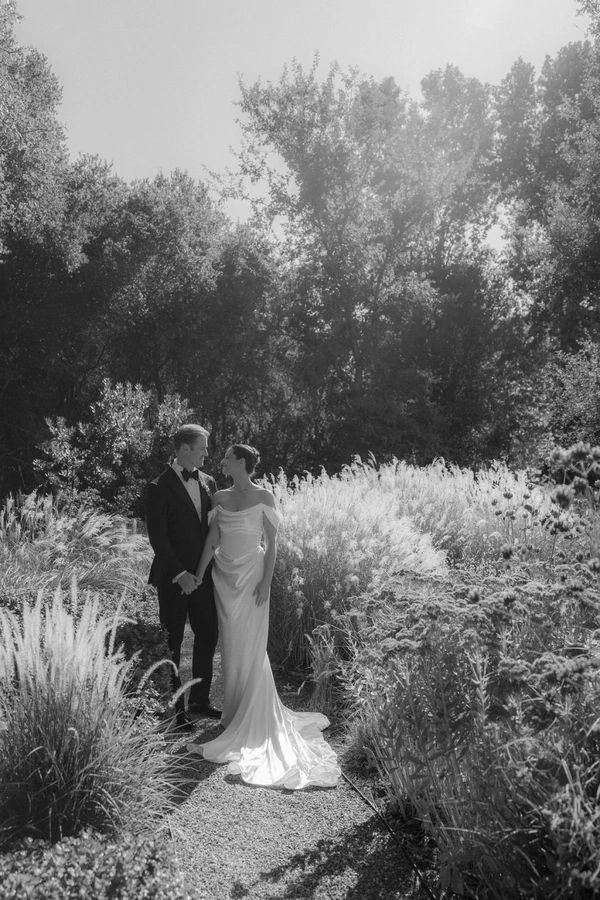
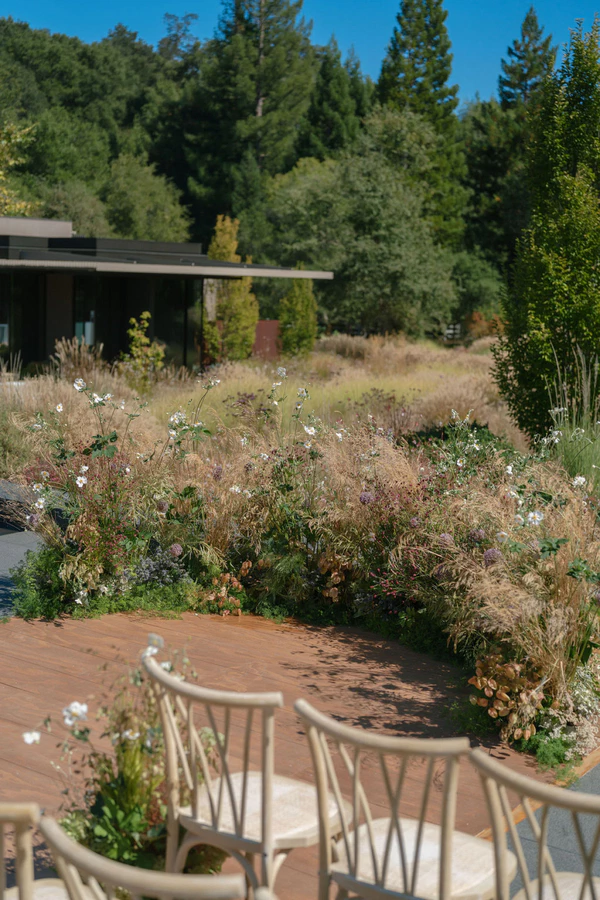
You’ve produced more than 500 weddings, but Roque only takes on a limited number of full-service weddings a year. What does this allow you to do better for the couples you do take on?
This has become increasingly important to me as Roque has evolved. We intentionally take on a very limited number of full-service weddings each year because I want our couples to have real access to us. I never want someone to feel like they are simply another wedding on our calendar.
Full-service planning is incredibly personal. We spend months, and sometimes well over a year, getting to know a couple, their families, their priorities, their taste, and how they want this experience to feel. Keeping our calendar intentionally small gives us the capacity to be deeply involved in every detail, to anticipate needs before they become problems, and to be genuinely present throughout the process. I would much rather produce fewer weddings at an exceptional level than build a company around volume.
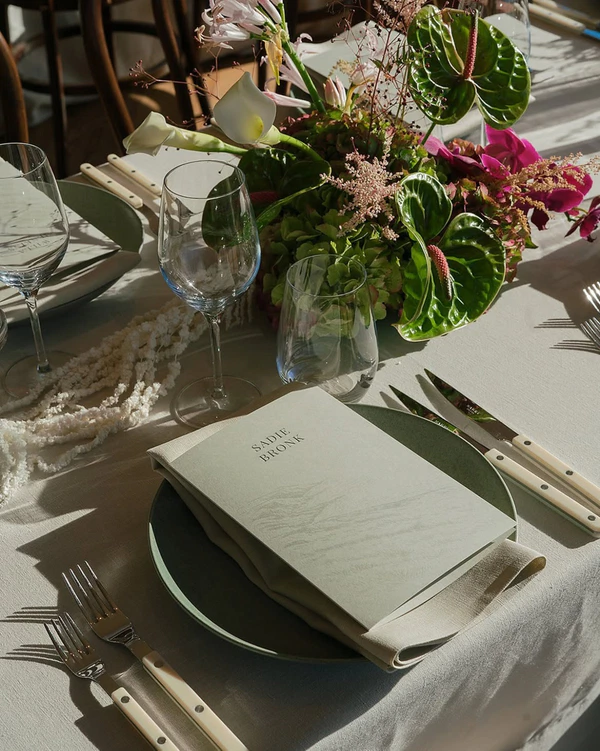
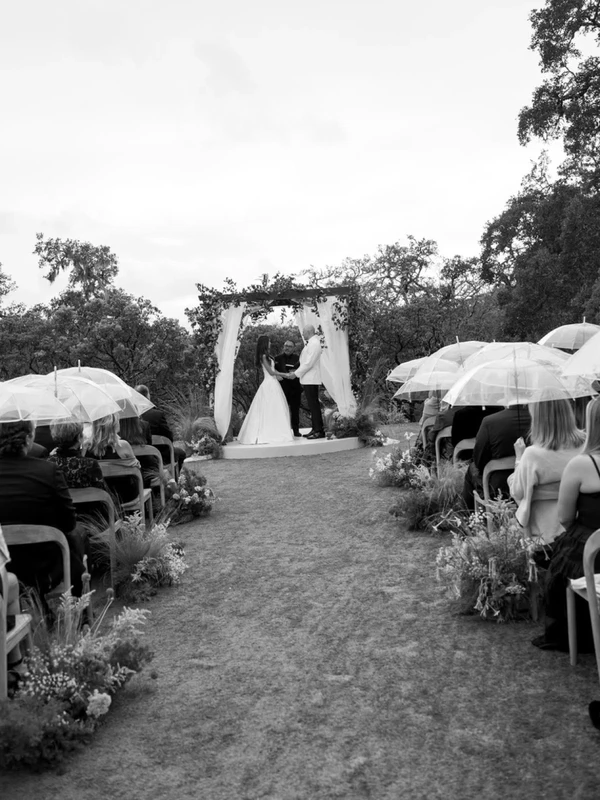
"Keeping our calendar intentionally small gives us the capacity to be deeply involved in every detail, to anticipate needs before they become problems, and to be genuinely present throughout the process."
What do you believe defines a truly exceptional full-service planning experience, beyond what a couple sees on the wedding day?
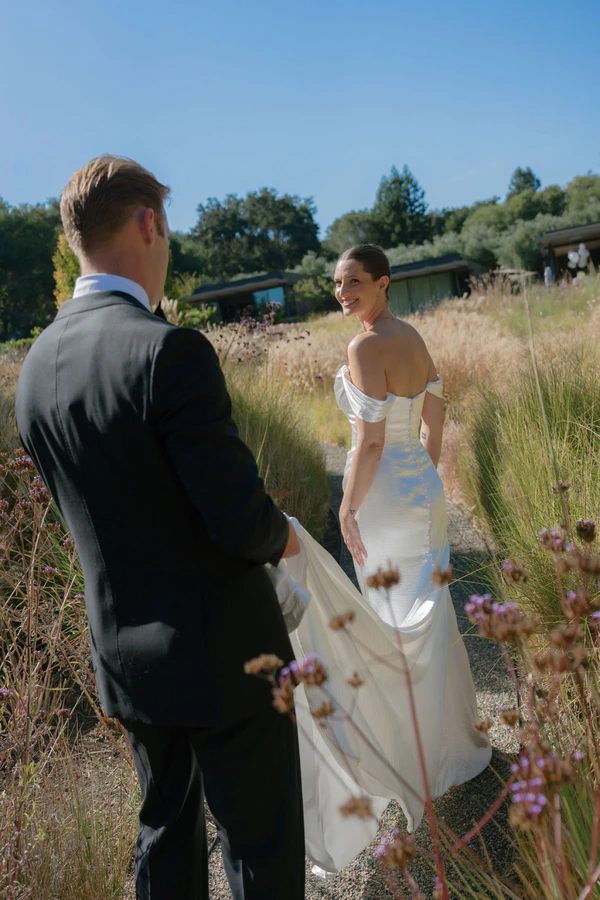
To me, exceptional full-service planning is about how a couple feels throughout the entire process, not just what their wedding looks like at the end. They should feel informed, supported, heard, and confident that someone is thinking ten steps ahead for them. There are hundreds of decisions involved in planning a wedding, and our job is not to constantly hand those decisions back to our couples. Our job is to understand them well enough to curate the right options, make recommendations, solve problems, and make the process feel manageable.
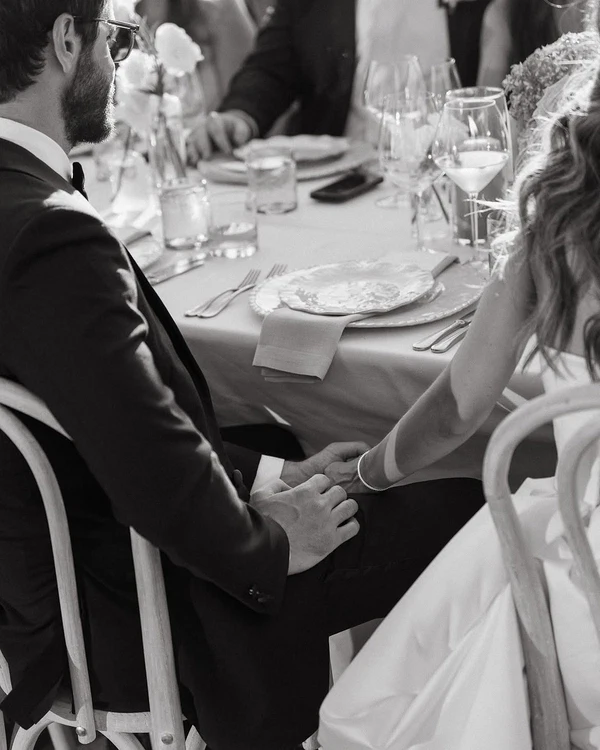
The wedding day is really the culmination of all of that work. If we have done our job well, our couples aren't thinking about load-in schedules, vendor arrivals, transportation, weather plans, meal service, or whether the band is ready for the first dance. They are simply living it. That sense of ease is one of the biggest luxuries a planner can give a couple.
You’ve said that the goal is for couples to feel like guests at their own wedding. As a full-service planner, what are the behind-the-scenes decisions that make that possible?
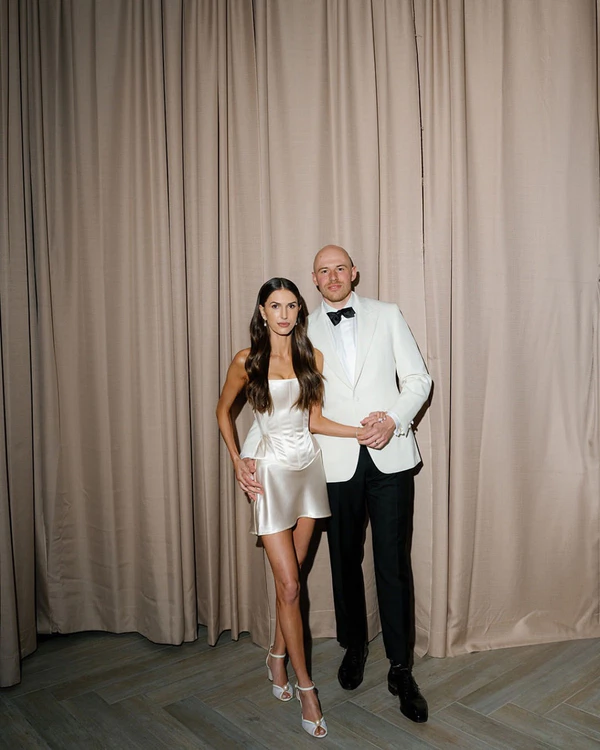
So many! Most of them are things I hope our couples never even know happened. It starts months before the wedding with incredibly detailed timelines, floor plans, production schedules, transportation plans, vendor communication, contingency plans, and making sure everyone involved knows exactly where they need to be and when.
On the wedding day, we are constantly making tiny adjustments in real time. Maybe we hold dinner service for five minutes because portraits are running long, move something because the wind picked up, adjust lighting before guests enter a space, communicate with the kitchen because speeches went longer than expected, or quietly solve an issue before the couple ever knows there was one. There is an enormous amount of choreography happening behind the scenes. The irony is that when we do our job really well, it almost looks like we aren't doing anything at all.
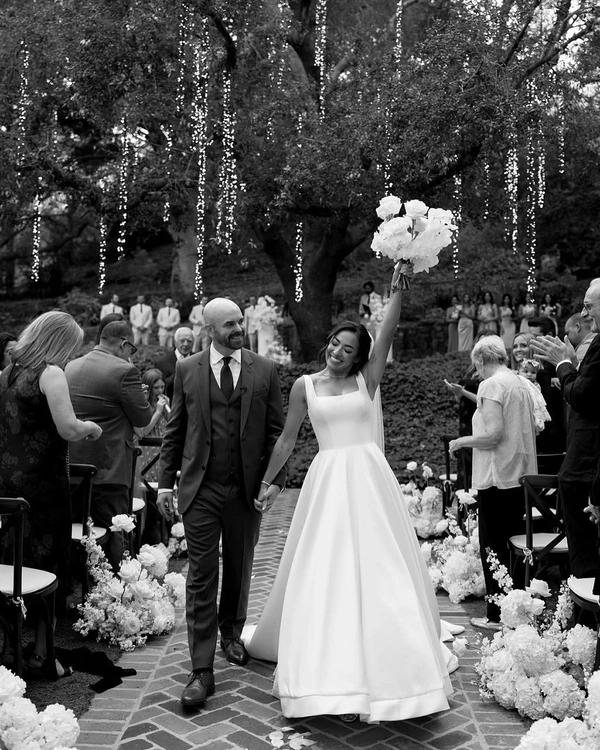
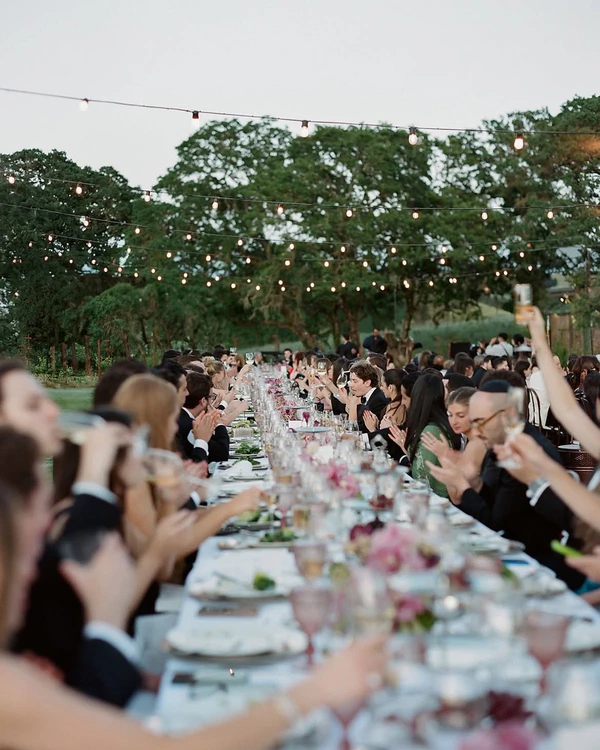
Your work spans everything from highly designed Napa weddings to destination celebrations. How do the settings and couples impact the overall design?
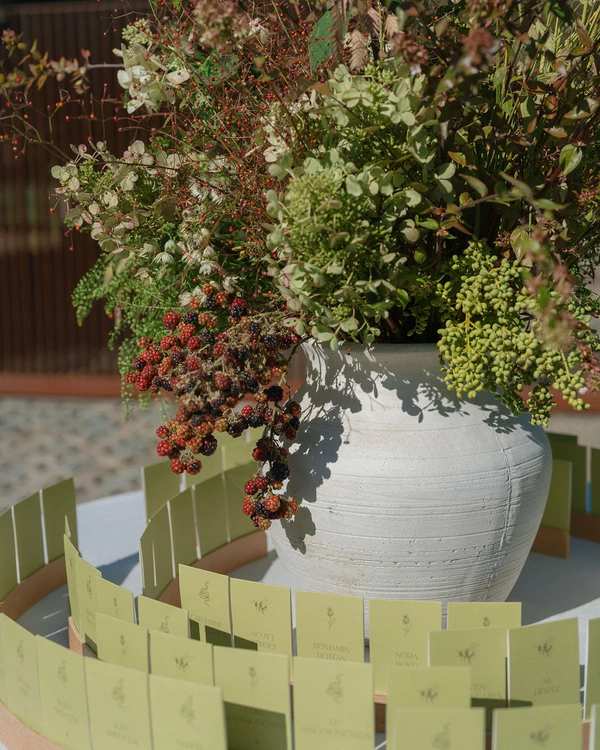
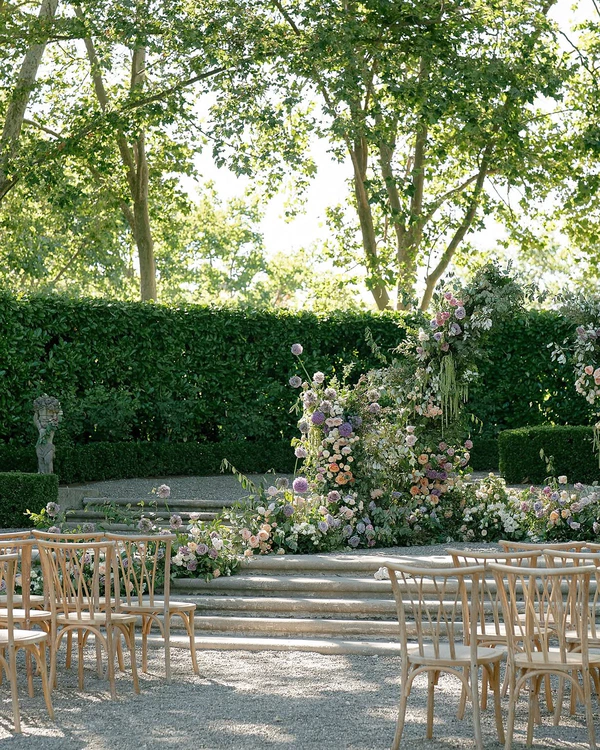
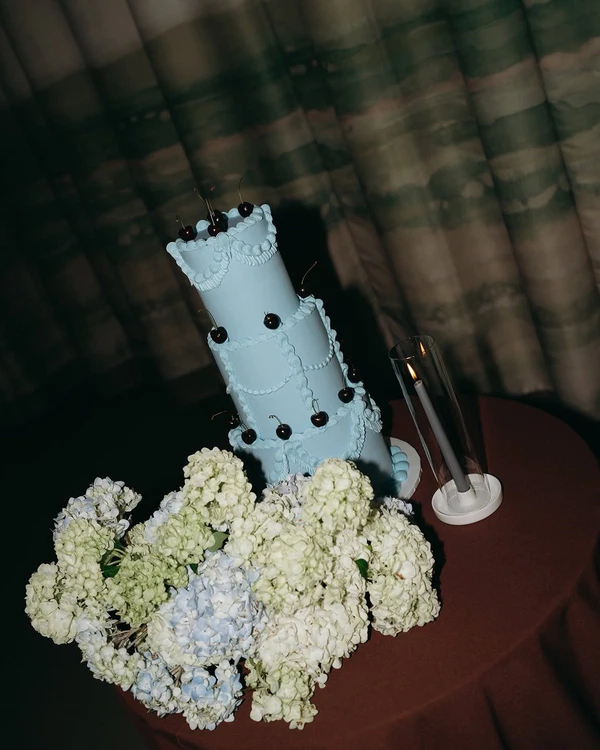
We never want to create the same wedding twice. I think the most interesting weddings happen when you allow the couple, the setting, and the experience they want to create to lead the design rather than beginning with a trend or a Pinterest image.
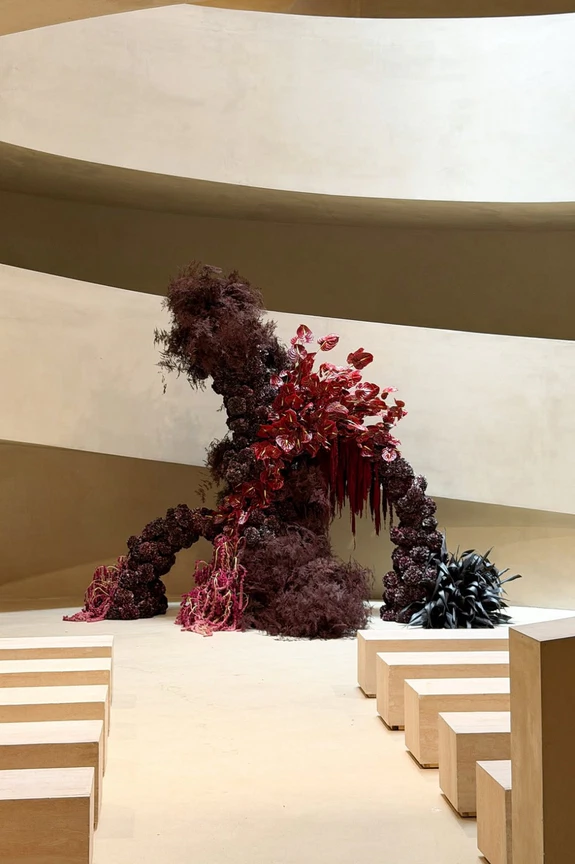
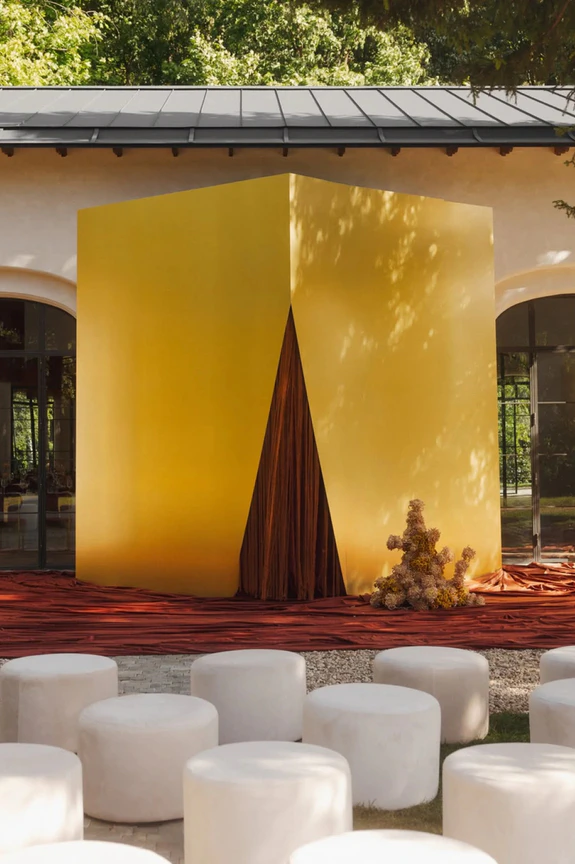
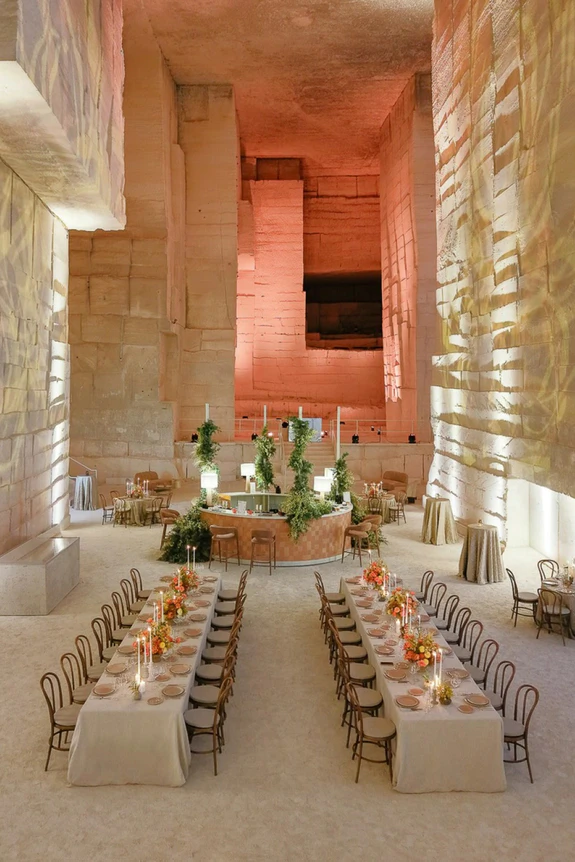
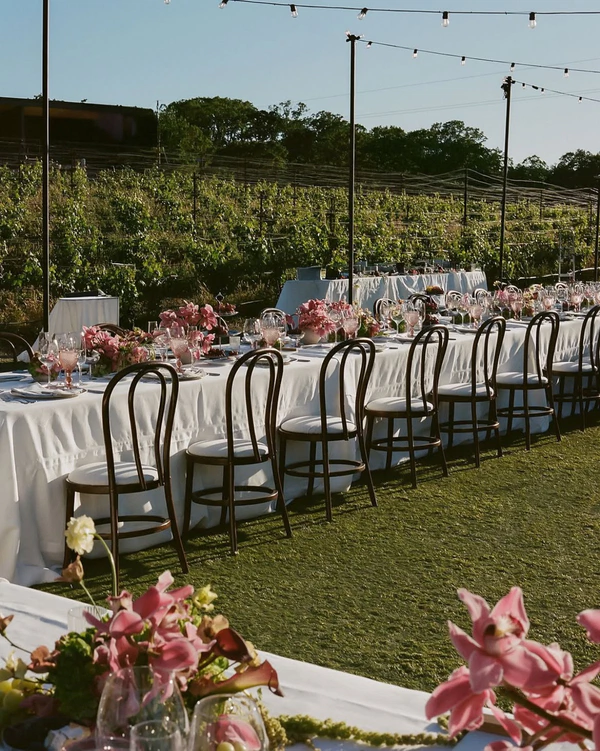
In Napa, for example, the landscape might be such an important part of the experience that our job is to complement it rather than compete with it. A destination wedding somewhere completely different might give us permission to play with color, architecture, local materials, food, or traditions in another way. We always ask ourselves what makes sense here, for these people, in this place. When a wedding feels connected to both the couple and its surroundings, the design feels much more authentic.
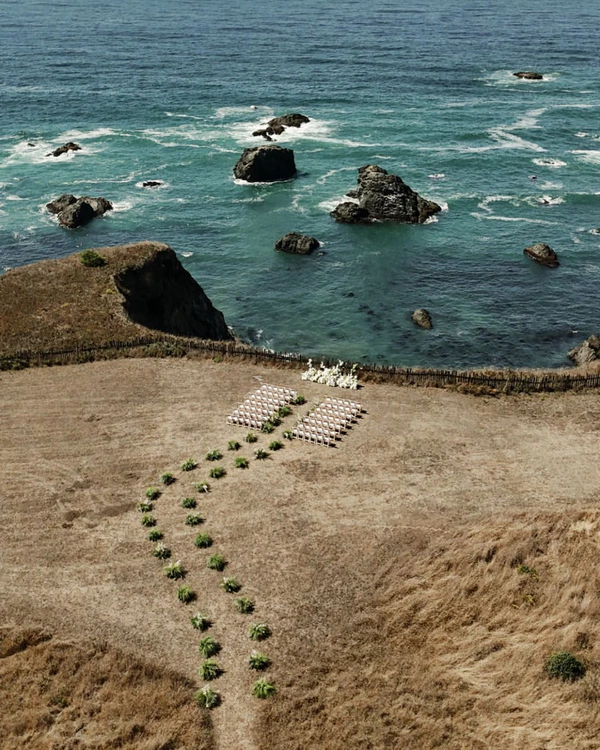
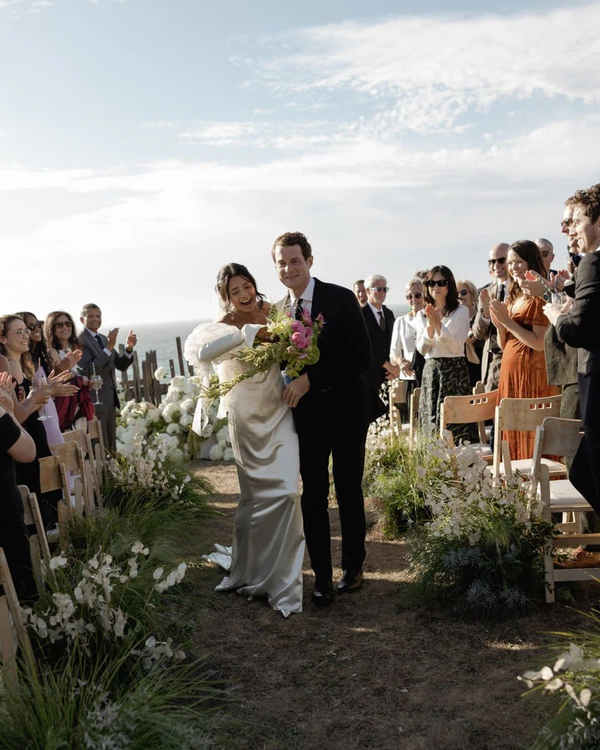
"I think the most interesting weddings happen when you allow the couple, the setting, and the experience they want to create to lead the design rather than beginning with a trend or a Pinterest image."
What is one wedding detail you think gets far too much attention, and what is something guests notice much more than couples realize?
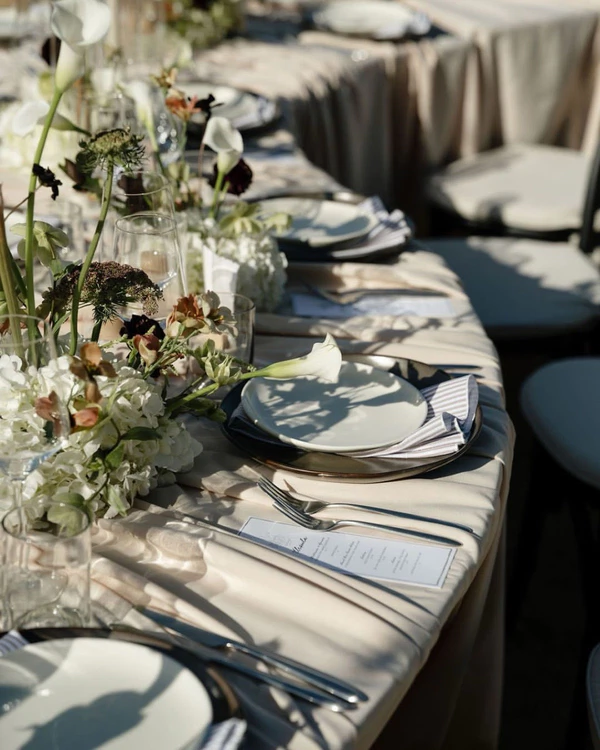
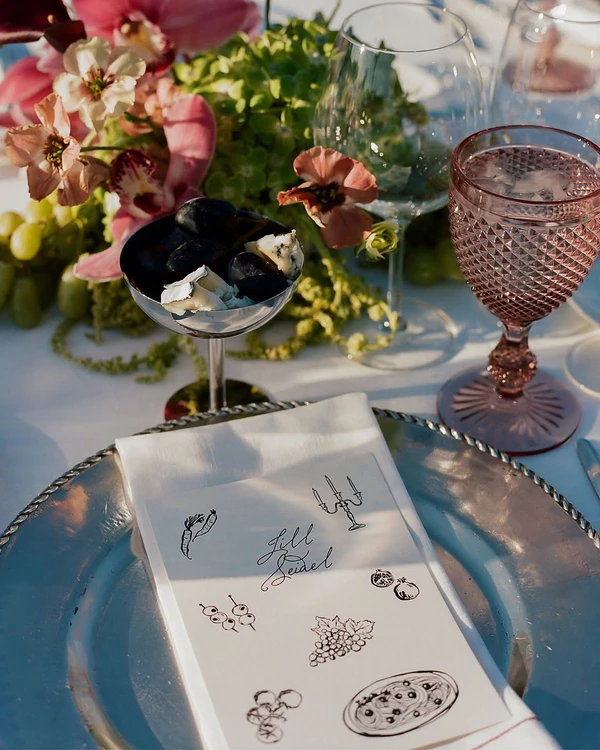
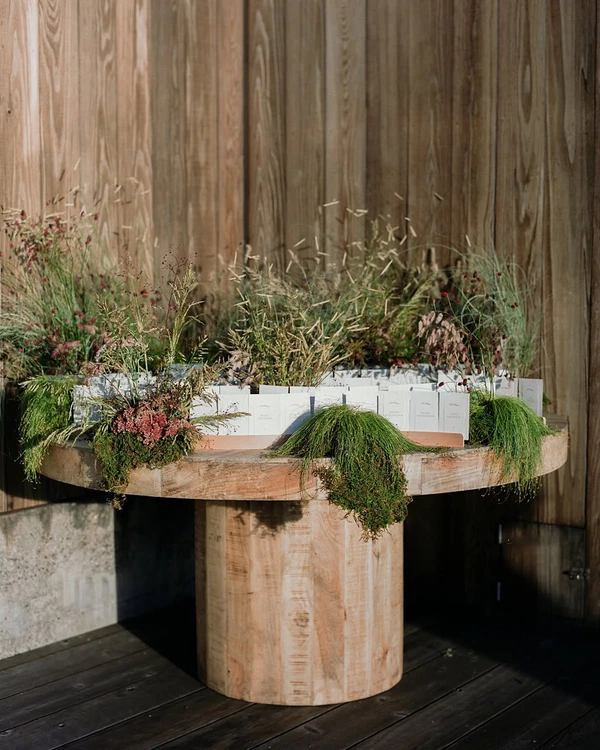
I think couples can sometimes spend too much energy obsessing over very tiny details that guests will never experience in the way they imagine. That doesn't mean those details aren't worth considering, but there is a point where perfectionism around something like the exact shade of a napkin or one small piece of stationery can start taking attention away from decisions that have a much greater impact on the wedding.
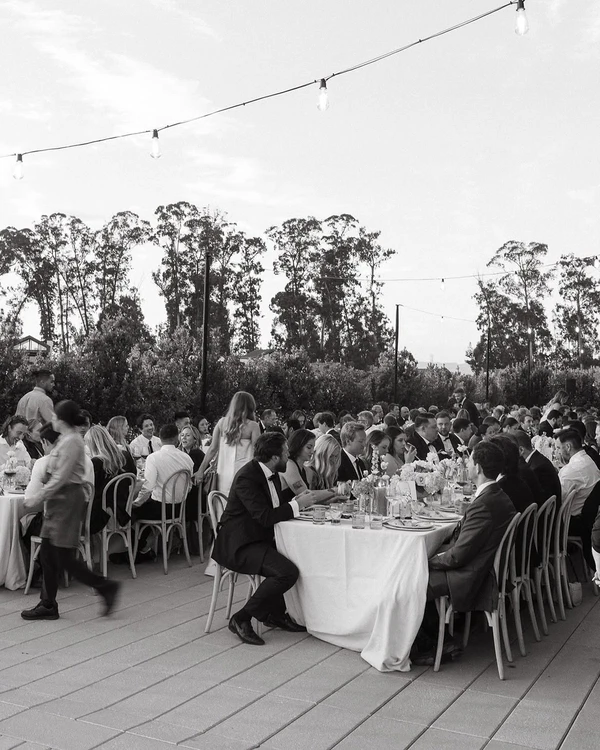
Guests notice hospitality. They notice whether they knew where to go, whether transportation was easy, whether they waited too long for a drink, whether they were comfortable, whether dinner was delicious, and whether the evening had great energy. They might not be able to tell you why an event felt incredible, but they absolutely know when it did. I always encourage couples to invest thought and resources into the things people actually experience.
For any future couples considering Roque, what do you think is most important for them to understand about your approach before they begin the planning process?
Trust is everything. We want our couples to have opinions, ideas, and things they are excited about, but we also want them to feel comfortable allowing us to guide them. They are hiring us not only to execute their vision, but to bring our experience, relationships, creativity, and perspective to the table.
We also believe that planning should be collaborative without becoming overwhelming. We are going to ask a lot of questions in the beginning because we want to understand what matters to you, and then our job is to filter the thousands of possibilities down into choices that actually make sense for your wedding. Ultimately, we want our couples to look around on their wedding day and recognize themselves in every part of it, while also being completely surprised by how incredible it feels to finally experience everything we created together.
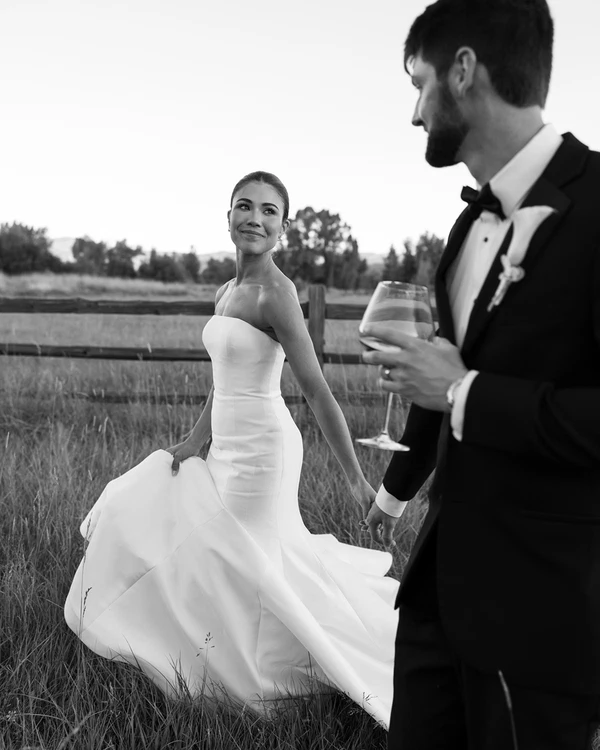
"Ultimately, we want our couples to look around on their wedding day and recognize themselves in every part of it, while also being completely surprised by how incredible it feels to finally experience everything we created together."