Your parents have generously offered to pay for your wedding. Wonderful news! Except now your mother has invited six people you've never met, your father-in-law has some surprisingly strong opinions about the menu, and you're beginning to wonder whether accepting the money also meant agreeing to a few terms and conditions nobody mentioned. Not to mention Aunt Susan, whom you haven't seen in fifteen years, is somehow getting a seat at the top table.
Of course, helping to pay for a wedding is an incredibly kind gesture, and one that almost always comes from a place of love. But does picking up the bill mean getting a say in how the whole day unfolds? And if so, how much of a say are we talking? Adding a few names to the guest list is one thing, but what about the venue or even the dress code? Now that's where things get interesting. And there's a little more nuance to it than you might think, so let's get into it.

Before You Accept Their Generous Offer...
Before you enthusiastically accept, we'd suggest taking a moment. A little self-reflection, if you will. Think about your relationship with the person making the offer. If money has come into the picture before, you might already have some idea of whether their generosity comes with expectations. Once you've had your little moment of introspection, it's time for a conversation. Nothing too formal, just an understanding of what they're imagining. Is it a gift for you to spend as you wish, or would they like some input on certain decisions? And if both families are contributing, it's worth finding out what each has in mind. Better to know now than discover halfway through planning that you all had rather different ideas.


The Guest List Is Probably Going to Be a Conversation
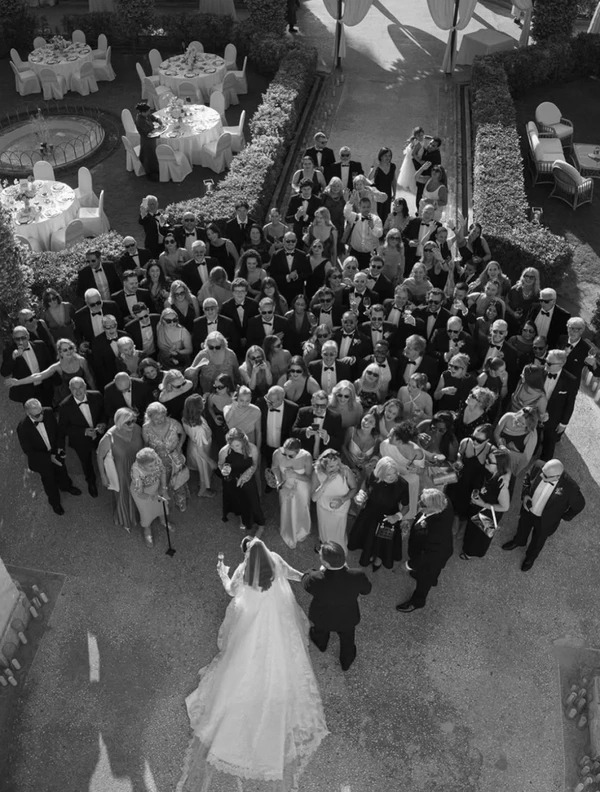
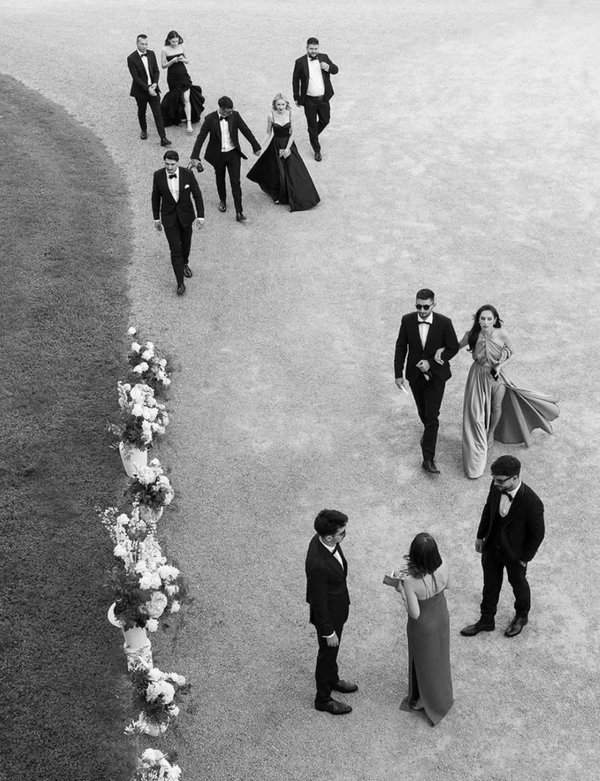
Ah yes, the guest list. Quite possibly the first place you'll discover that you and whoever is helping pay for your wedding have very different ideas about who deserves an invitation, especially if it's your parents. Remember Aunt Susan from earlier? Well, she might not be the only person you're suddenly expected to make room for. And to be fair, if someone's helping to host the celebration, wanting a few of their own guests isn't an unreasonable request. We'd suggest working out your ideal guest list with your partner first, then deciding how many invitations you'd be comfortable setting aside for family. From there, have a conversation with whoever is contributing. There might be a little back and forth, of course, but the idea is to find a number everyone's happy with. Compromise, people. It's a wonderful thing.

Who Gets a Say in the Big Stuff?
Choosing between two caterers is one thing, but it's quite another when someone has strong opinions about where you should get married or what the ceremony should look like. Perhaps your annual visit to church on Christmas Eve is about as religious as you get, but your parents have always imagined you getting married in one. There's room for compromise, though. If a religious or cultural tradition means a lot to your family, perhaps you could incorporate a reading or custom without changing the ceremony entirely. And speeches? If someone would love to say a few words, maybe there's room for that, too. But if something genuinely doesn't feel right for you or your partner, it's okay to leave it out. Some decisions are simply too personal to make for someone else's sake.


Some Things Are Just More Personal
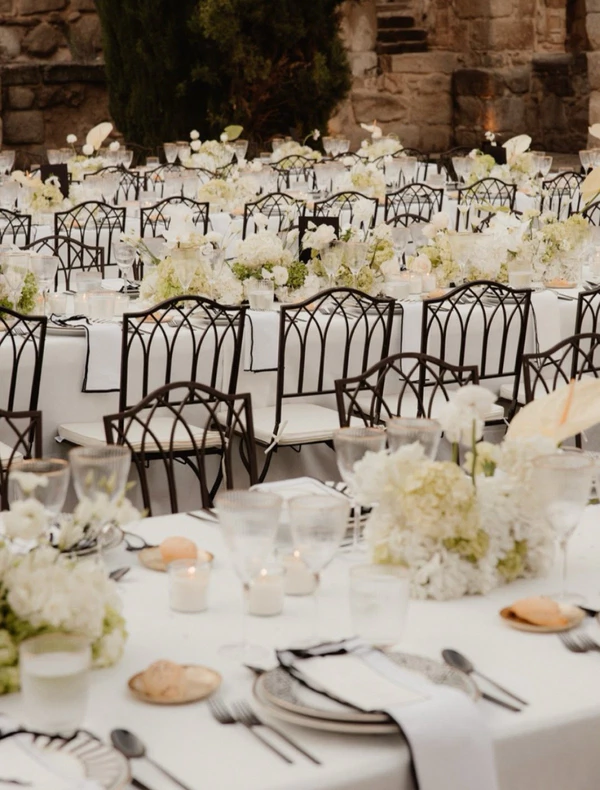
Some of the smallest wedding decisions can feel surprisingly personal. Your dress, for instance. Imagine finally finding one you love, only for your mother to mention that she's never particularly liked strapless dresses. Lovely. You're glad she came shopping with you, obviously, but you're also the one who'll be wearing it. And really, the same applies to the overall look of the wedding. If you've got your heart set on a certain style of flowers, you shouldn't feel you have to change your mind because someone else would have chosen differently.
That doesn't mean every detail needs to be precious. If the person paying for the rehearsal dinner has a preference for the cocktail napkins, maybe this is a chance to let them have their moment. It's worth deciding with your partner which things you're happy to leave open to suggestions and which you'd rather choose yourselves. Because letting someone pick the napkins is one thing. Appointing them unofficial creative director of your wedding is quite another.
Knowing When to (Politely) Say No
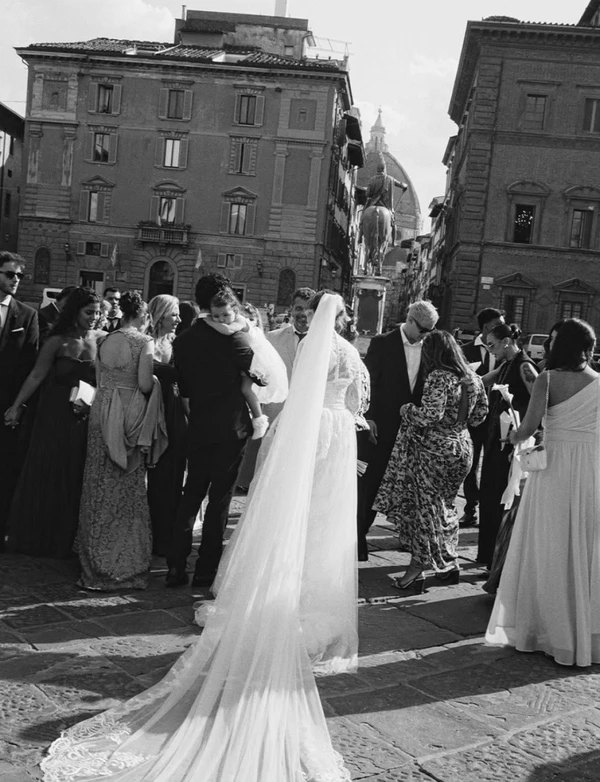
Sometimes saying yes just feels easier. It's only one more request, and you don't particularly feel like having a difficult conversation over it. Fair enough. But if you keep finding yourself agreeing to things you'd rather not, it's probably time to say something. You can be kind about it, of course. Nobody's suggesting you start a family argument over the seating arrangements. And if things really aren't working, there's always the option of reconsidering the contribution altogether. Though that's not necessarily the easy way out, either. Turning down someone's generosity can hurt feelings, and you might have to rethink what you can afford. Still, depending on how things are going, a smaller wedding with a little more freedom might start to sound rather appealing.

Remember, They're Excited About the Wedding, Too
After all this, we hope we haven't scared you off accepting someone's offer to pay for your wedding. It's a pretty wonderful position to be in, and chances are, the people offering are just as excited about the occasion as you are. Sometimes they simply want to feel part of it, and there's something lovely about sharing the planning with people who care about you. So, if there's anything we'd leave you with, it's the three Cs: conversation, compromise, and a little common sense. Okay, technically four words, but you get the idea. There's room for everyone to enjoy the experience without forgetting whose wedding it is.