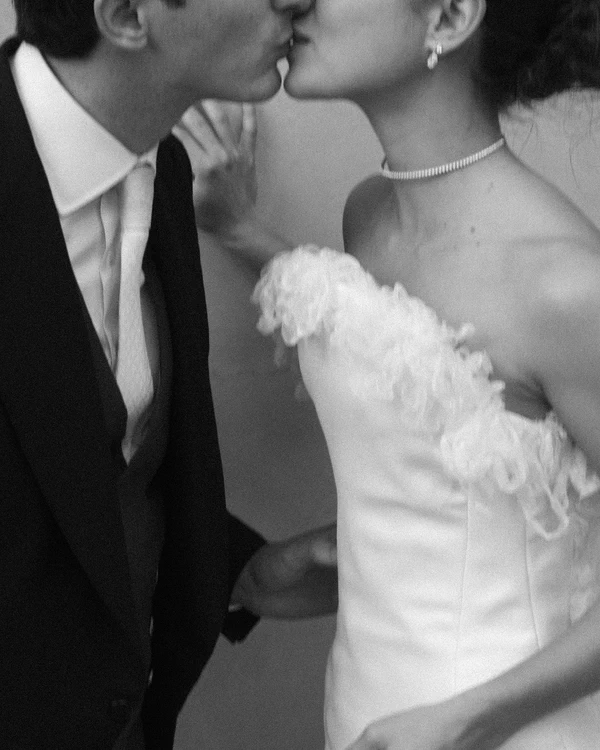
Few wedding expenses spark quite as much debate as the wedding photographer. And if you’ve spent any time on social media, you’ll know that wedding photography pricing has become something of a talking point of late. Couples question the cost, photographers defend the value of their work, and somewhere between the two lies a conversation worth having. After all, when one photographer charges $3,000 and another $30,000, what exactly are you paying for? Is it experience, artistry, reputation, or something else entirely? And does spending more necessarily mean better photographs? The reality is, there’s far more to wedding photography than the hours spent behind the camera, and not all of it is immediately obvious. We’re looking beyond the price tag to unpack what couples are really paying for, what separates one photographer from another, and why understanding the difference matters.
Why Quotes Can Vary So Vastly
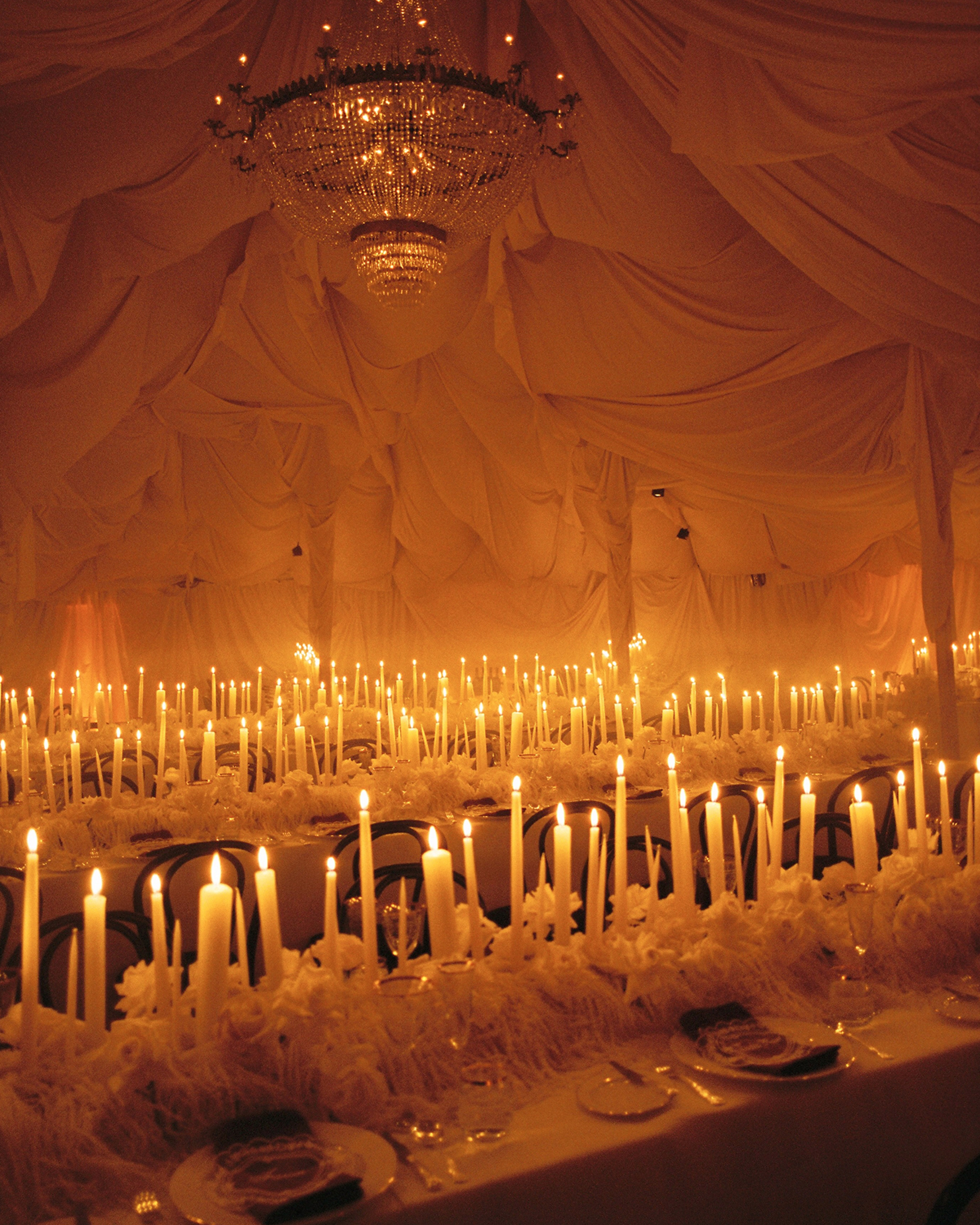
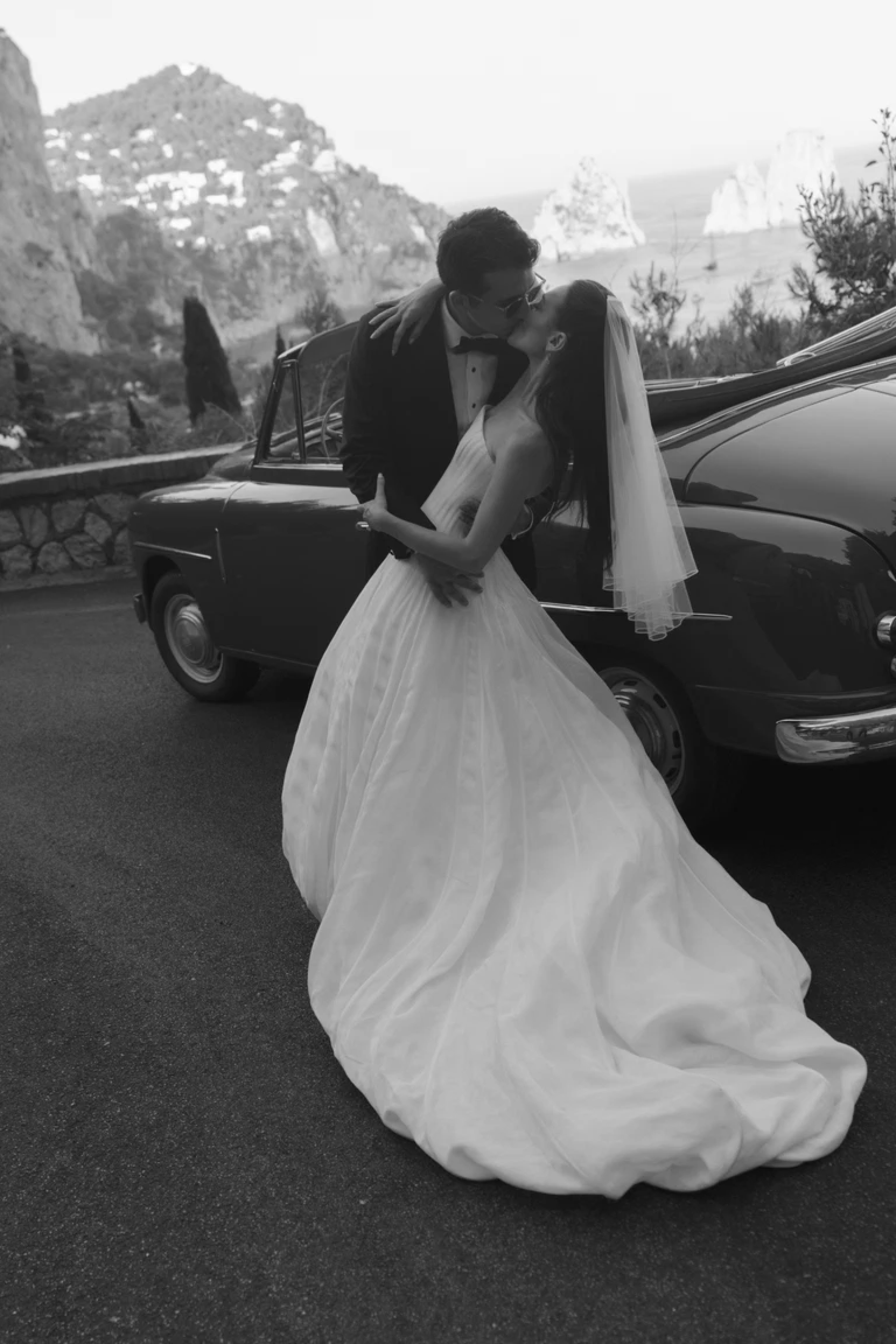
Much like any creative profession, wedding photography pricing is shaped by a complex mix of factors, many of which aren’t immediately obvious when comparing quotes. Experience, expertise, creative vision, reputation, and the level of service all play a part, but so does how a photographer positions themselves within the industry. Some specialize in local celebrations, while others travel the world documenting destination weddings. Some take on dozens of weddings each year, while others deliberately limit their bookings to offer a more exclusive, personalized experience. Then there’s the team behind the lens, from solo photographers to established teams with second shooters, bookers, dedicated editors, and even sometime agents. Each brings a different approach, level of involvement, and set of deliverables to the table, alongside varying operational costs and business expenses that inevitably influence their pricing. The reality is, comparing wedding photographers on price alone is a little like comparing apples to oranges. What you’re investing in can be vastly different, even when the service may initially seem the same on paper.
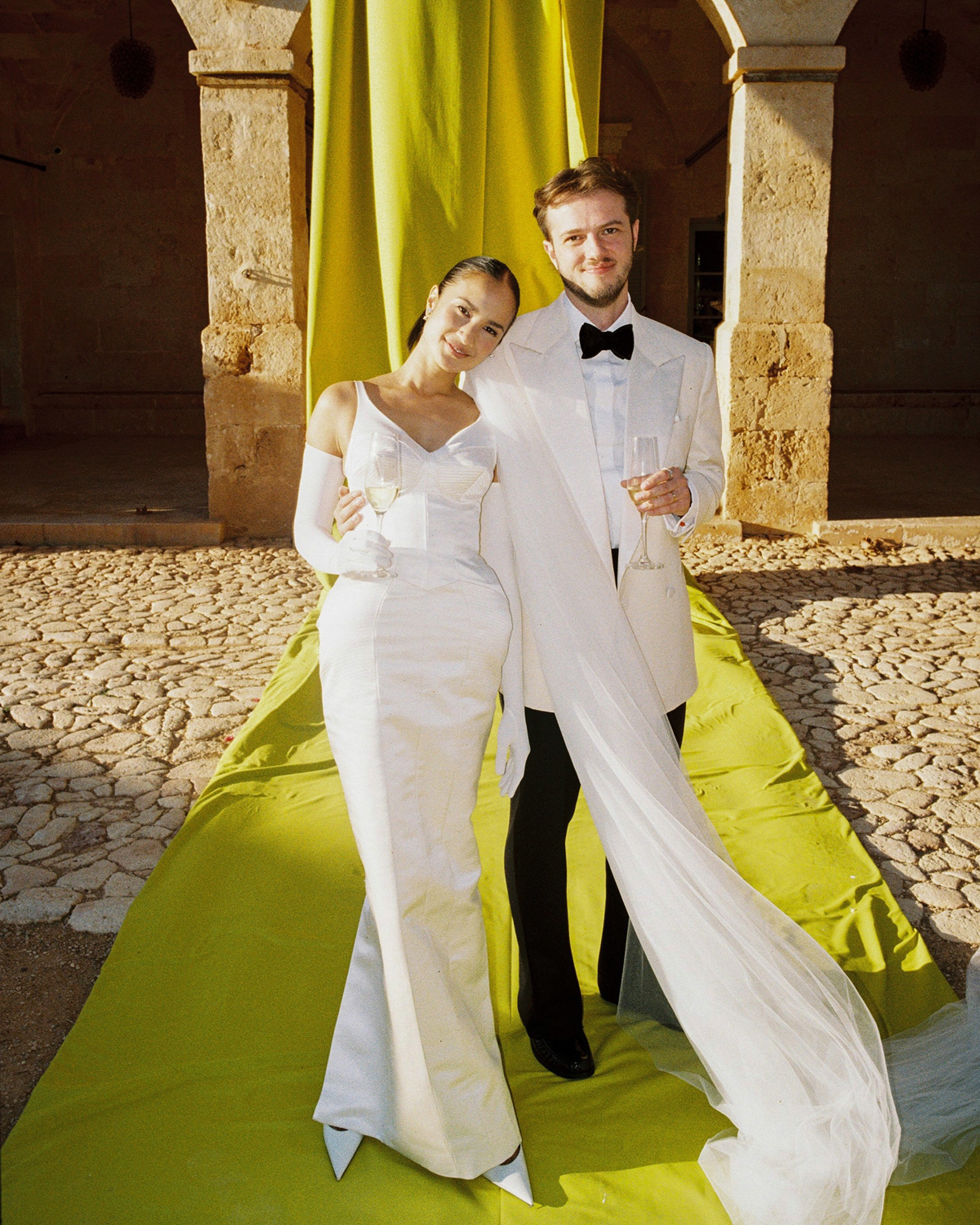
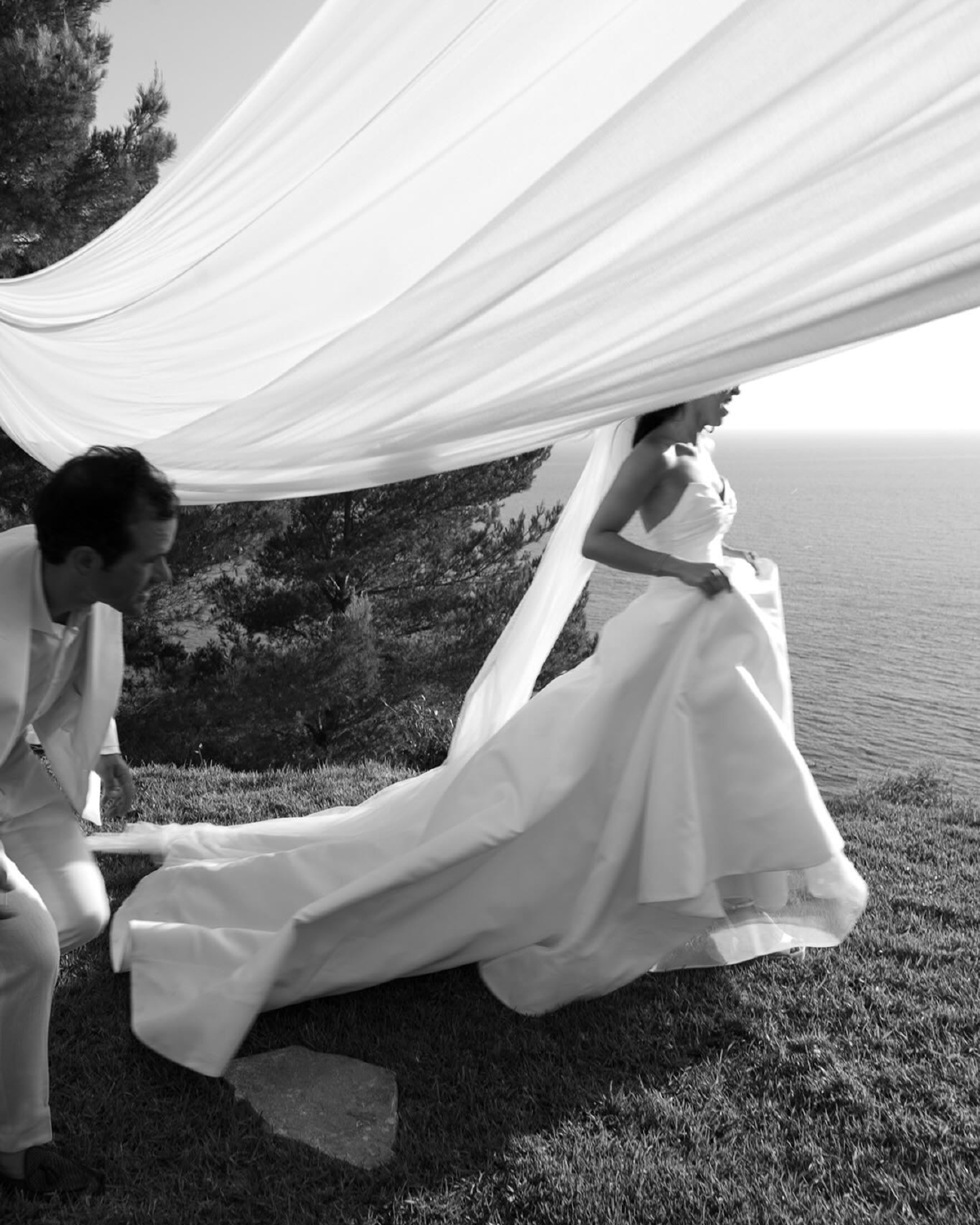
"Each brings a different approach, level of involvement, and set of deliverables to the table, alongside varying operational costs and business expenses that inevitably influence their pricing."
What the Fee Really Covers
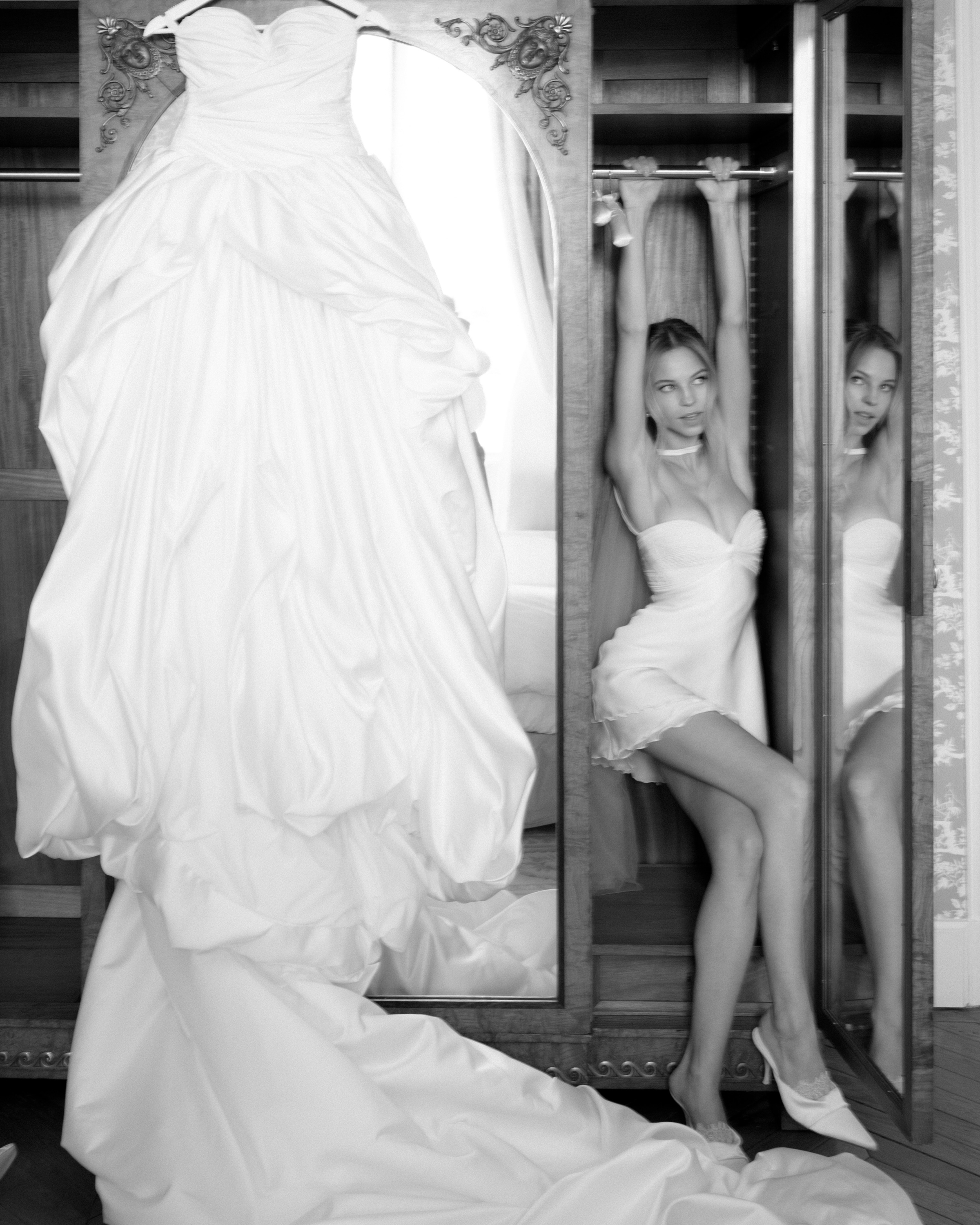
The hours spent photographing your wedding are the most visible part of the job, but they’re only one piece of a much larger picture. Long before the first photograph is taken, there’s the initial consultation, creative planning, timeline development, venue research, and coordination with your wedding planner and other vendors. A considered photographer is already thinking about where the light will fall, how the day will unfold, and how to make the most of every moment. And once the celebrations are over, the work is far from finished. Thousands of images need to be reviewed, carefully selected, edited, retouched, and delivered, sometimes alongside the design and production of a wedding album. Depending on the photographer and the scope of the celebration, the work behind a single wedding can extend to dozens of hours beyond the day itself.
Then there’s the cost of running the business. Professional photography requires a significant investment in equipment, from multiple camera bodies and specialist lenses to lighting, backup gear, and, for those shooting on film, the additional expense of film stock, development, and scanning. Add to that editing software, client management platforms, file storage, insurance, and the general costs of operating a business. For photographers working internationally, travel and accommodation can add another layer of expense, while those operating with larger teams may also need to account for second and third shooters, assistants, editors, booking agents, and other professionals involved behind the scenes.
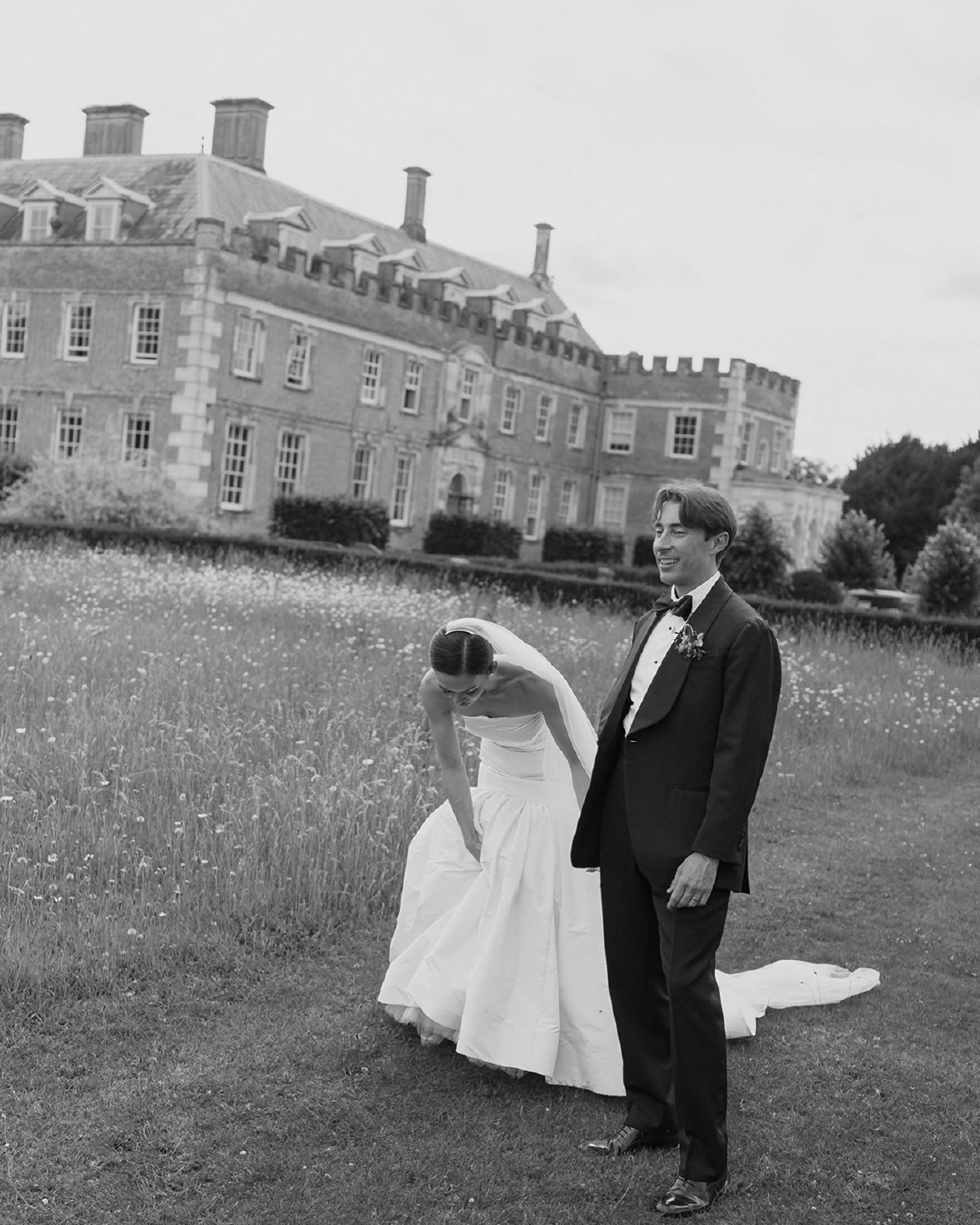
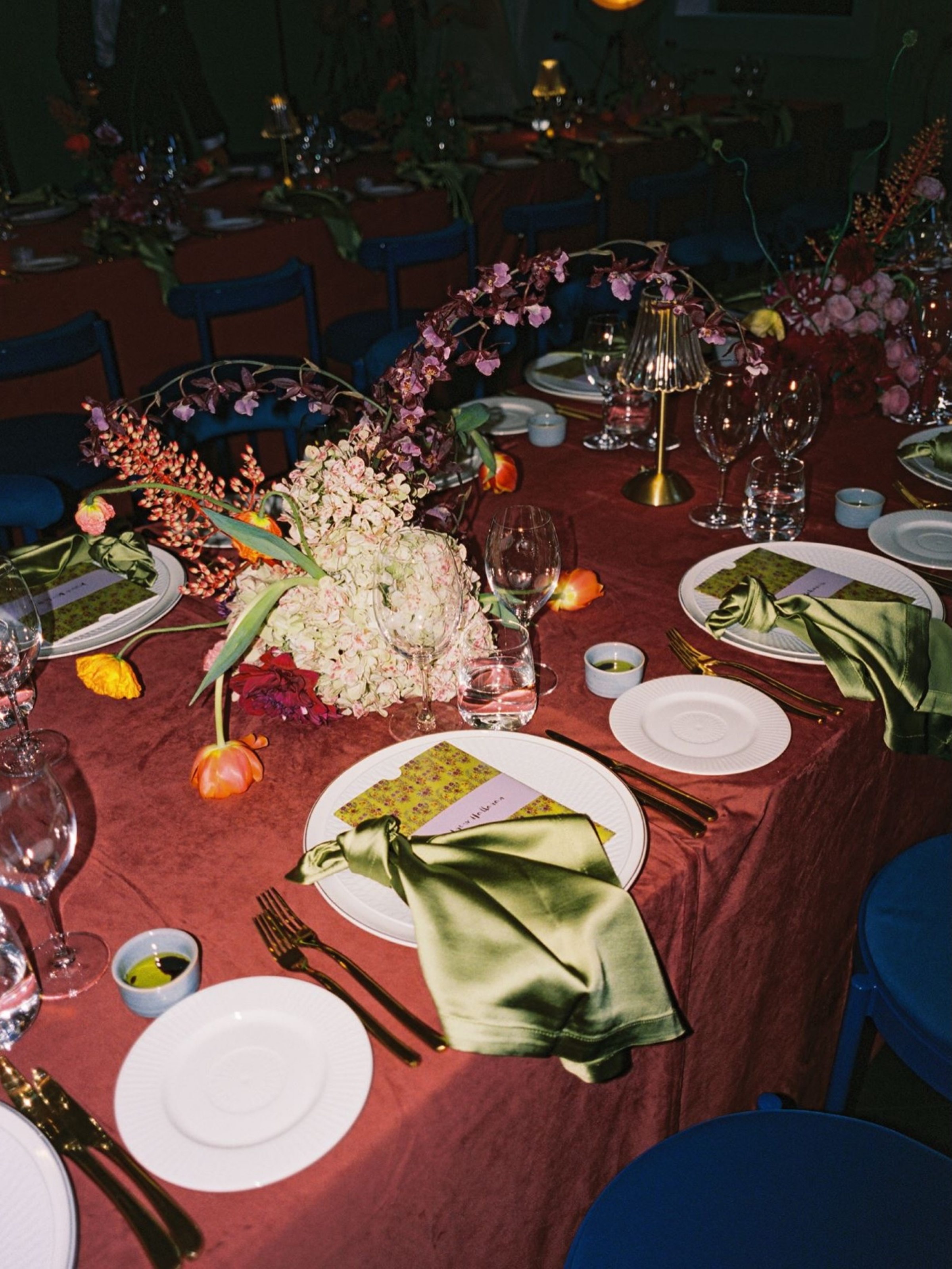
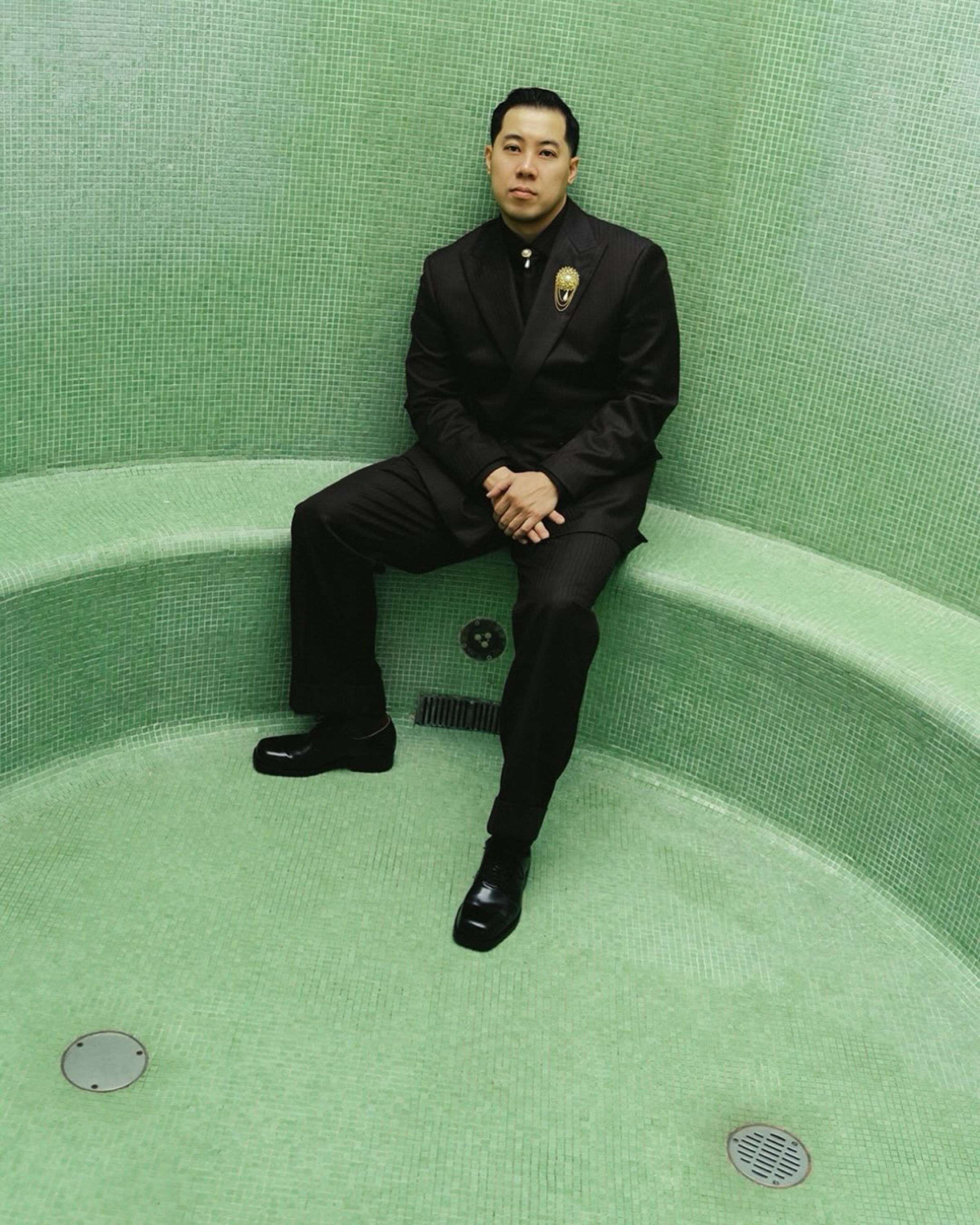
But not everything that influences a photographer’s fee can be measured in hours worked or expenses incurred. Much like in fashion, art, or design, a photographer’s reputation, creative identity, and standing within the industry can carry their own value. Those with a distinctive aesthetic, an established international reputation, or a highly sought-after portfolio may command a premium for their particular perspective and expertise. After all, you’re not simply paying someone to take photographs; you’re commissioning a creative professional whose individual vision is part of why you want them to capture your love story.

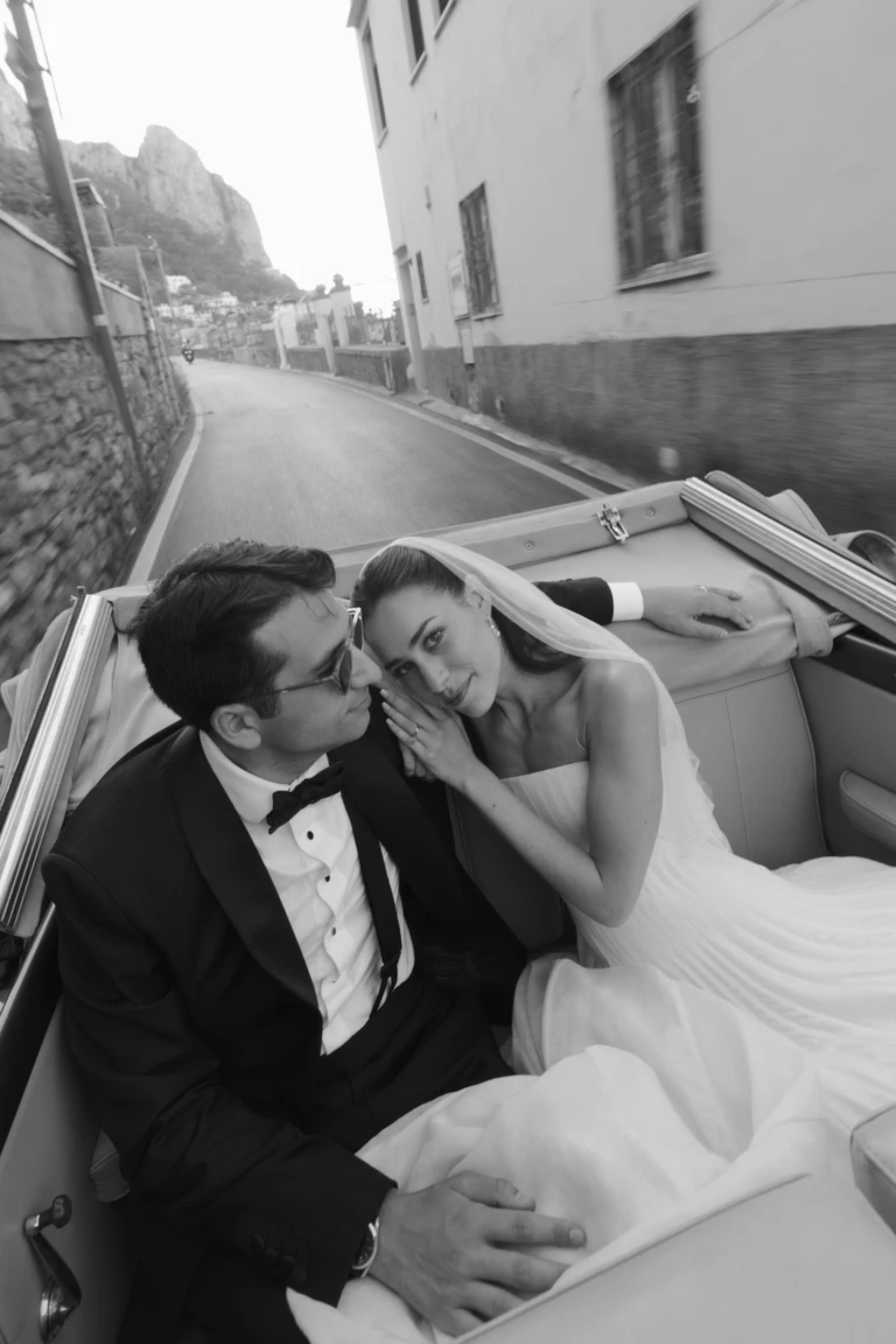
Beyond the Portfolio: What Really Makes
a Great Wedding Photographer?
Does a higher price guarantee better photographs? Not necessarily. But what exactly makes one photographer better than another? Talent and experience are often spoken about interchangeably, yet they bring different qualities to the table. Talent is the creative eye: an innate instinct for composition, light, and storytelling that gives a photographer’s work its distinctive character. Experience, on the other hand, is the ability to translate that vision into exceptional photographs, consistently and under any circumstances. It’s knowing how to work with unpredictable lighting, navigate a timeline that’s running behind, anticipate a fleeting moment before it happens, and make even the most camera-shy couple feel at ease.
And while a beautiful wedding they've shot might capture your attention, consistency is what should earn your confidence. A carefully curated Instagram feed can tell you a great deal about a photographer’s aesthetic, but far less about how they document an entire wedding. Ask to see full galleries, not just the highlights. Look at how they capture everything from the quiet anticipation of getting ready to the unpredictability of the dance floor. Do their images feel equally considered across different lighting conditions, locations, and moments? The best photographer for you isn’t necessarily the most expensive or the most established, but the one whose creative perspective you connect with and whose ability to deliver it you can trust.
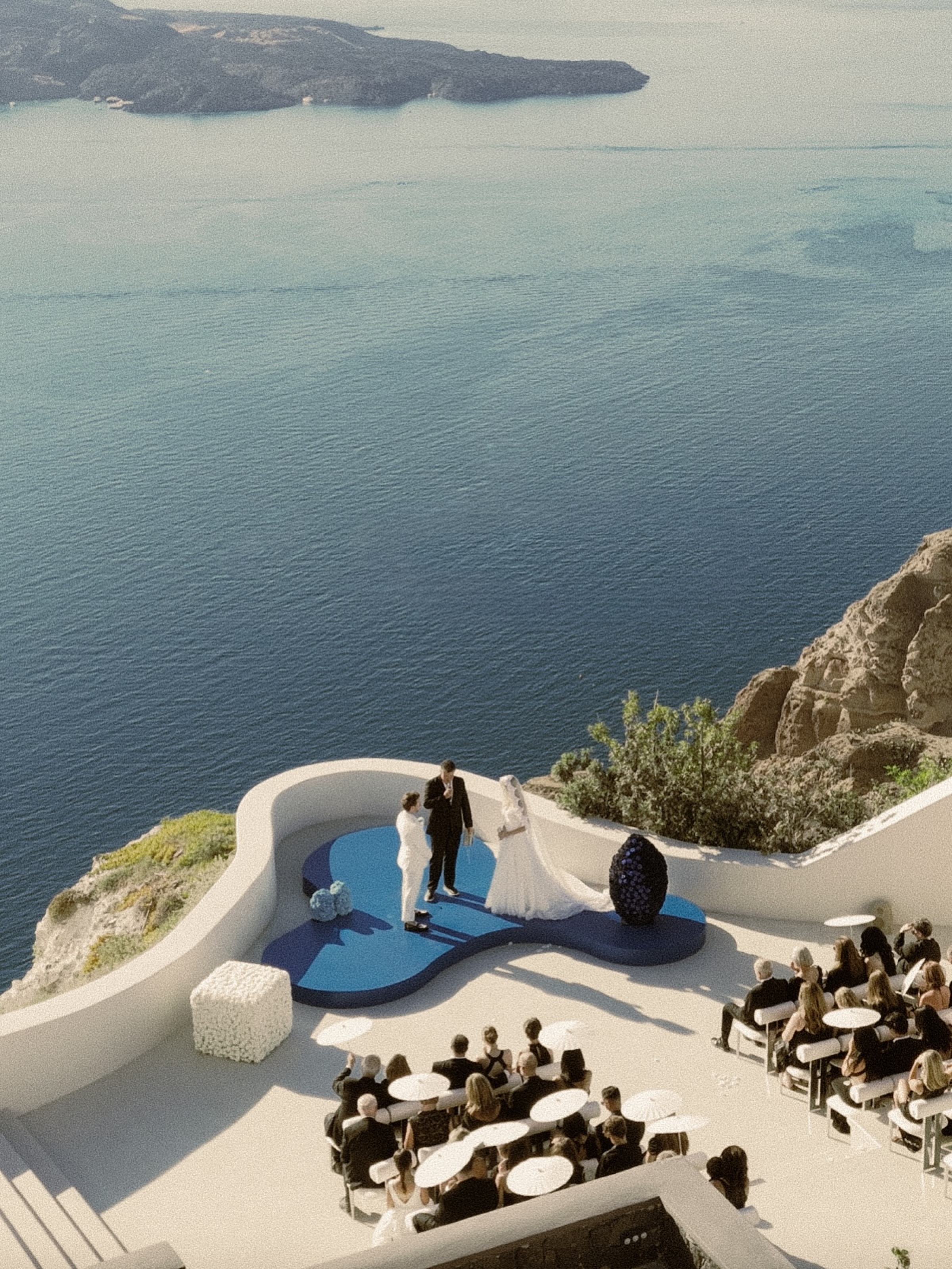
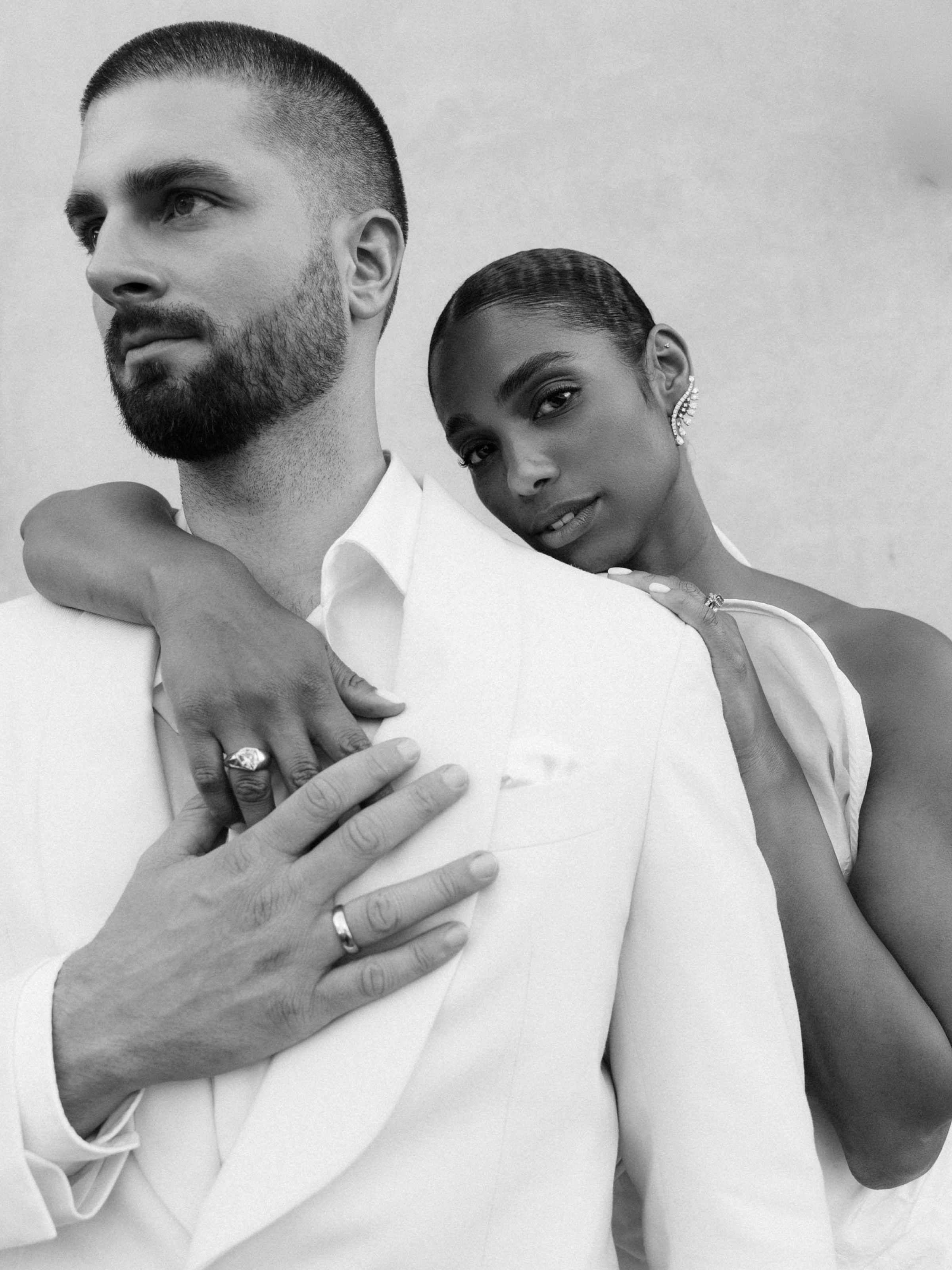
"The hours spent photographing your wedding are the most visible part of the job, but they’re only one piece of a much larger picture."

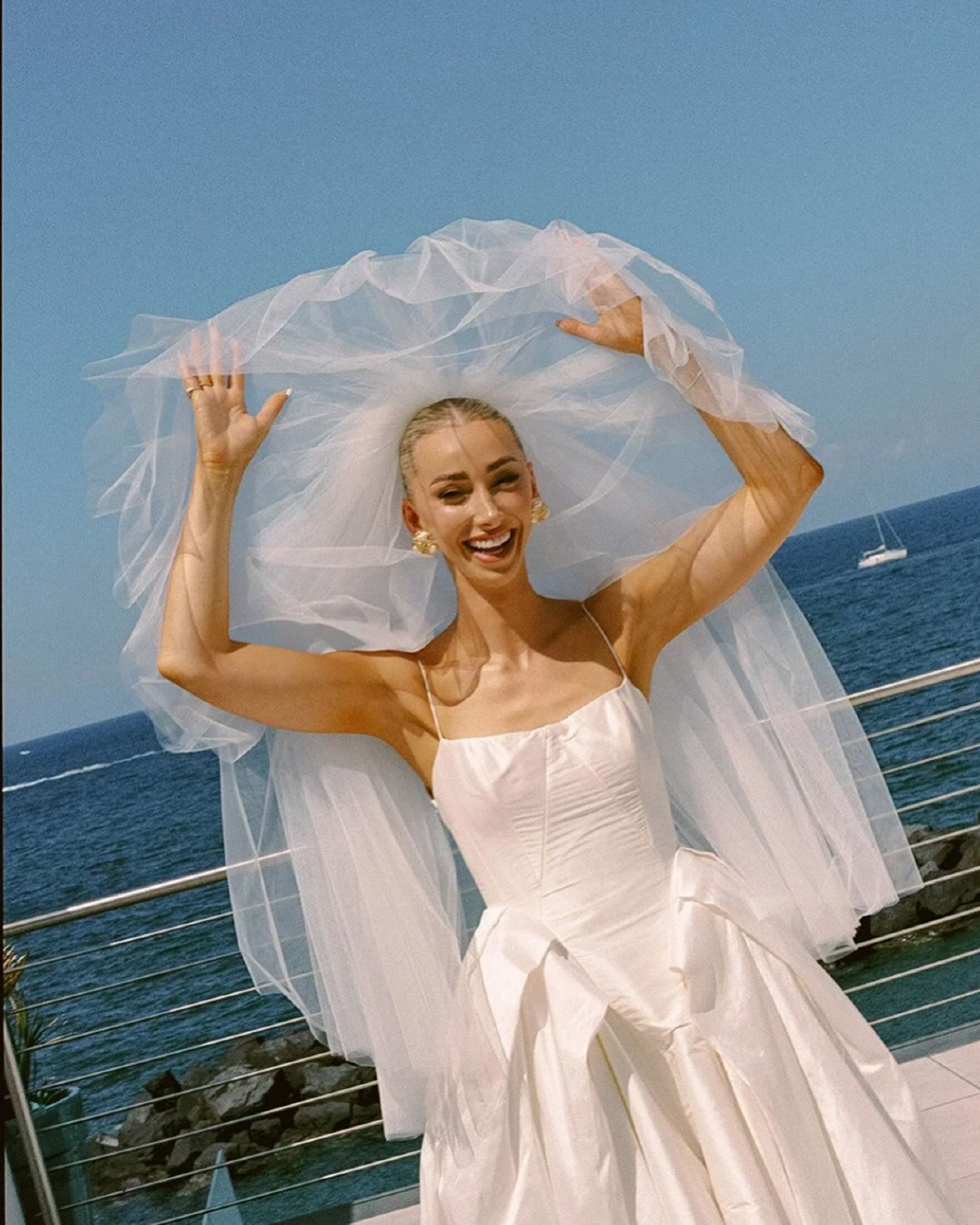
The Price of Perspective: What Makes a Photographer’s Vision So Valuable?
No two photographers see a wedding quite the same way, and that’s part of the beauty of the art form. Each brings their own creative perspective, aesthetic, and way of interpreting the moments unfolding around them. It’s this individuality that makes wedding photography so compelling, and it can also be one of the most influential factors in what a photographer charges. Whether their approach is documentary, editorial, fine art, or a combination of styles, even photographers working within the same genre can produce remarkably different results.
The difference is often in the details: the moments a photographer instinctively notices, their eye for composition, and the atmosphere and emotion they bring to an image. Even their approach to editing, from color grading to contrast and texture, contributes to a distinctive visual language that makes their work unmistakably their own. Two photographers can document the very same wedding and tell two entirely different stories. Much like commissioning an artist or investing in a designer, you’re paying for that particular creative perspective, which too can command a premium as their work evolves and becomes more recognizable and sought-after. Ultimately, you’re investing not just in how a photographer captures your wedding, but in how they see it.
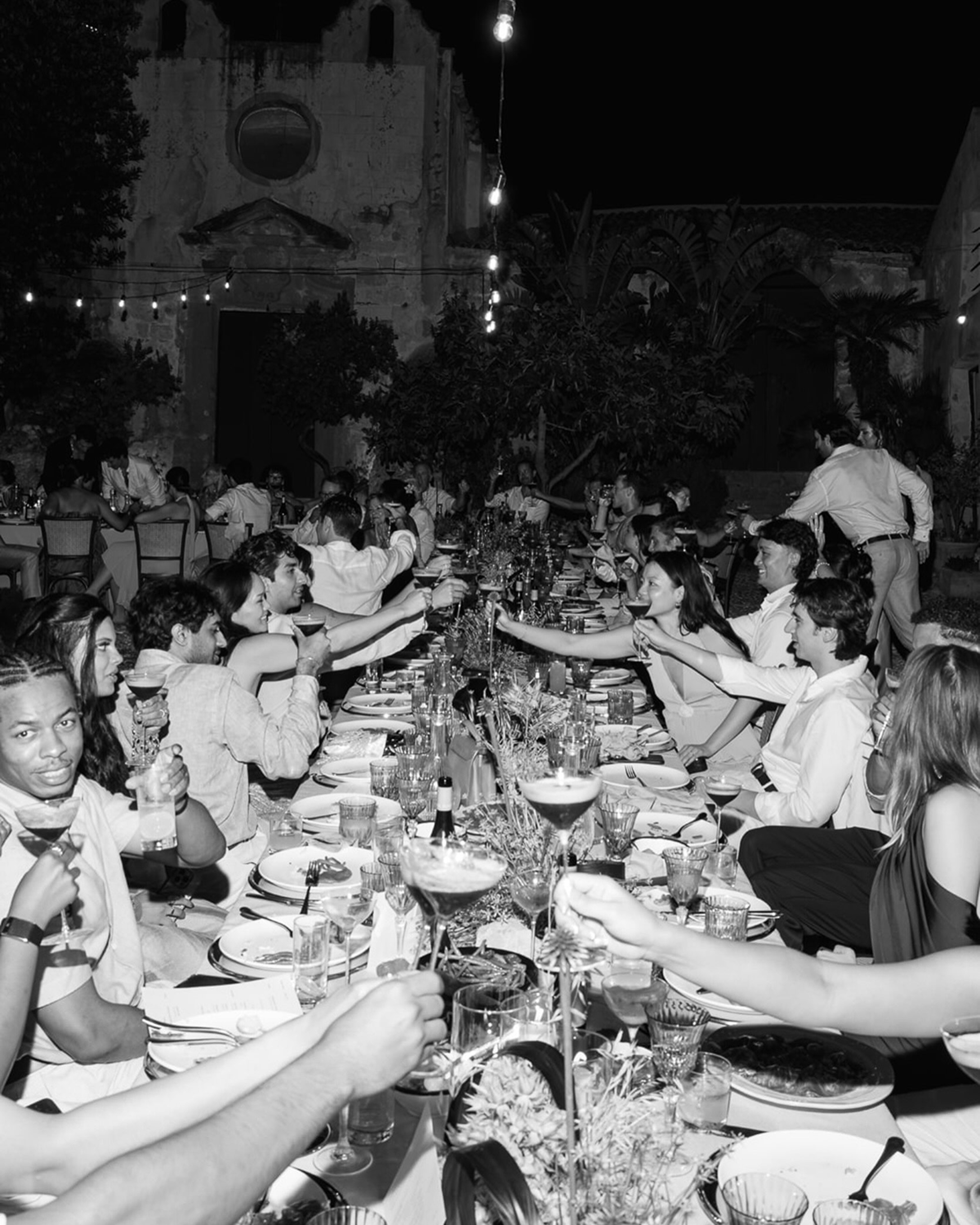
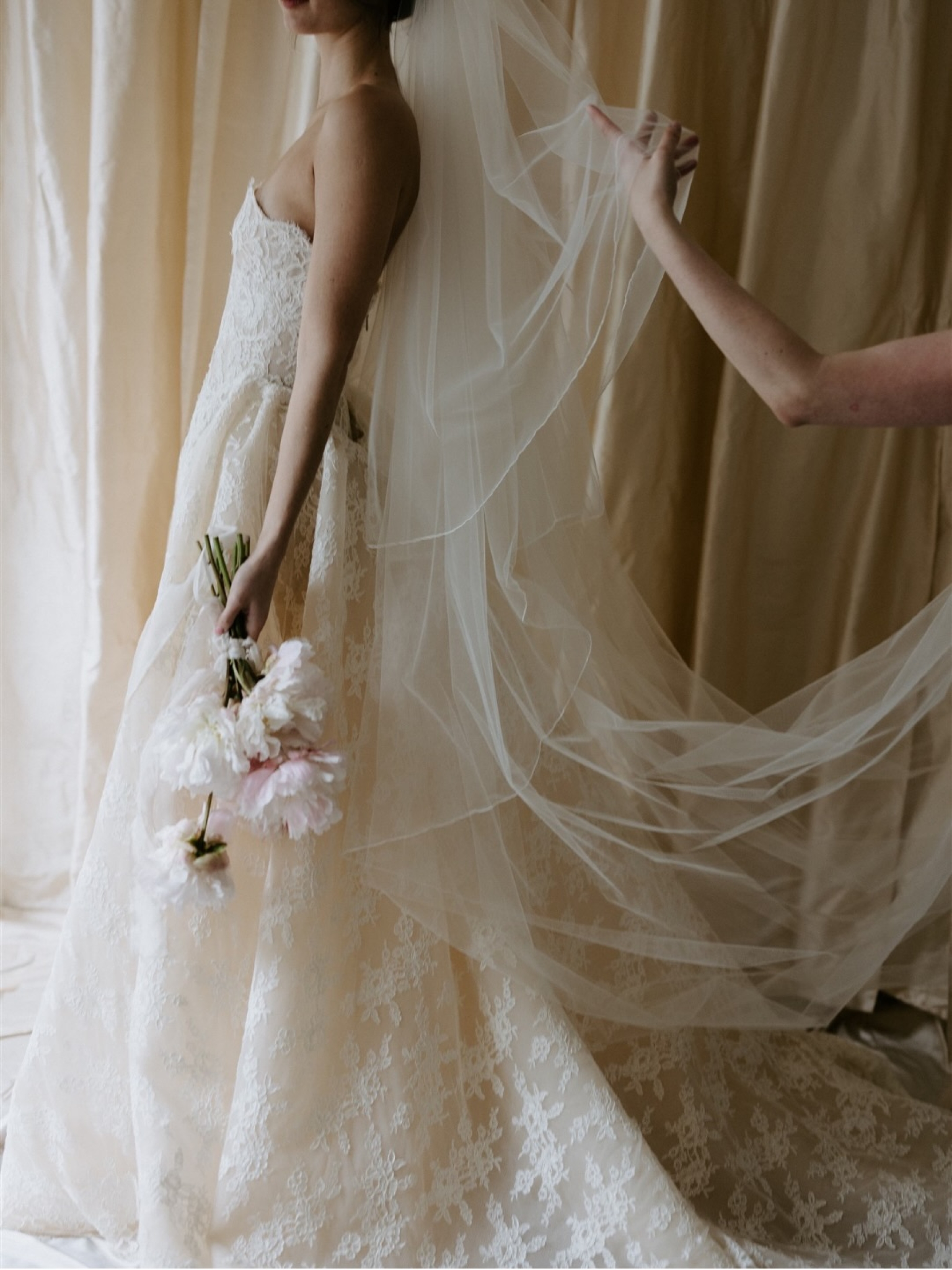
"The best photographer for you isn’t necessarily the most expensive or the most established, but the one whose creative perspective you connect with and whose ability to deliver it you can trust."
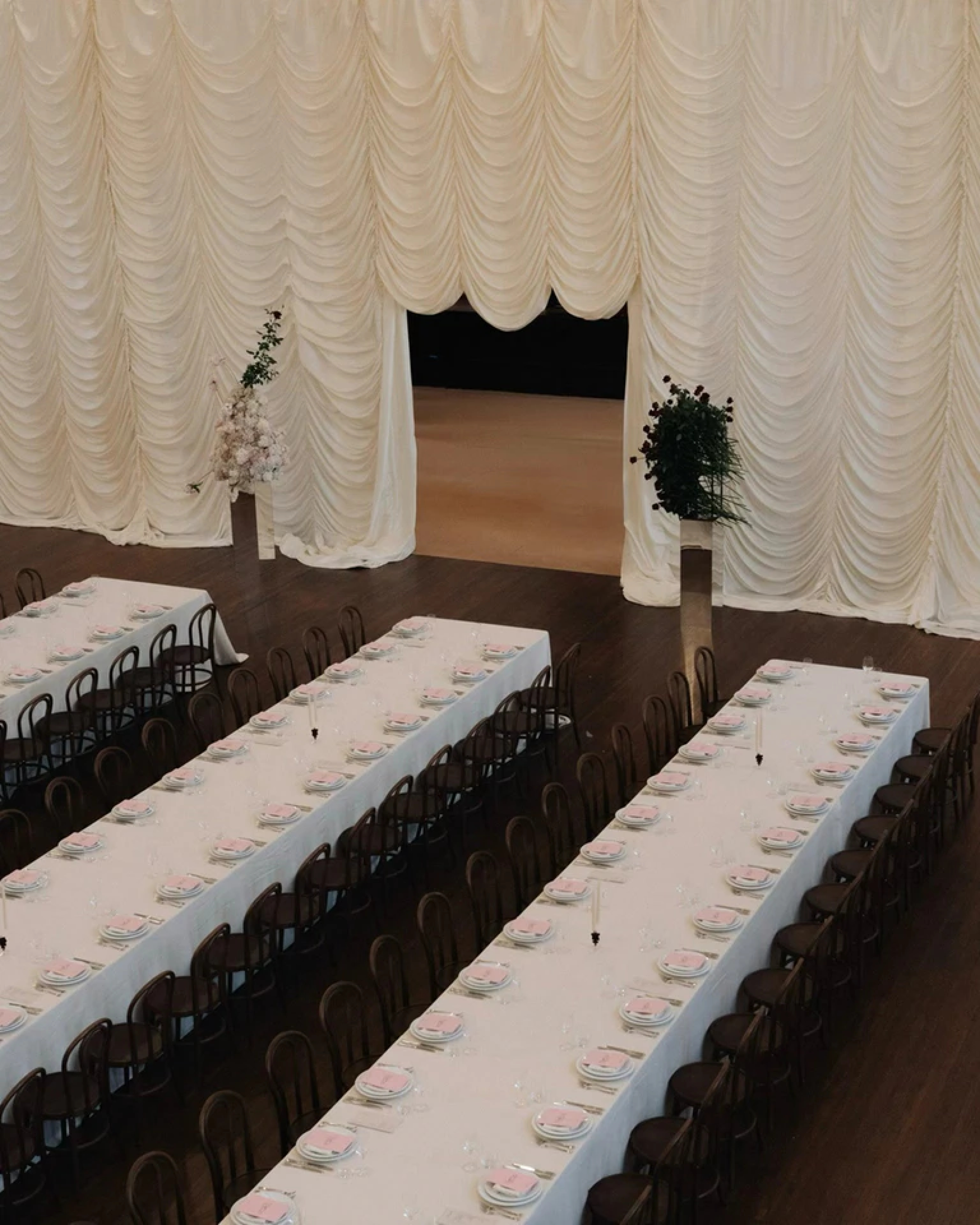
Where to Invest & Where to Save
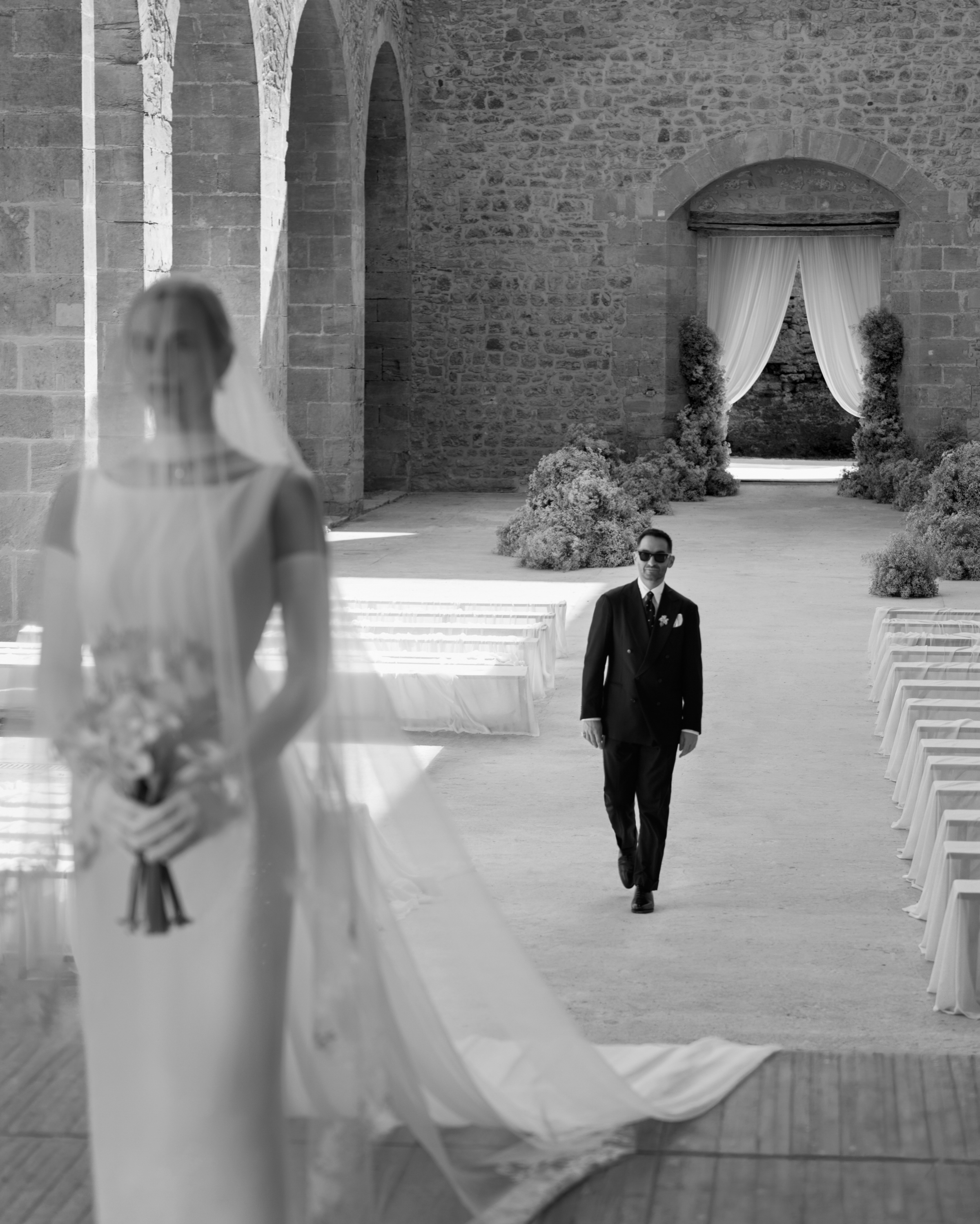
If there’s one area of your wedding budget we’d encourage you not to compromise on, it’s photography. Long after the flowers have faded and the celebrations have ended, these are the memories you’ll return to for decades to come, and perhaps even pass down to future generations. First and foremost, invest in a photographer whose creative vision and aesthetic genuinely resonate with you, but don’t underestimate the importance of personality and connection. Feeling comfortable with the person behind the camera can make all the difference to the experience and, in the end, the photographs themselves. From there, consider the level of coverage that best suits your celebration. A second photographer can be invaluable for larger weddings, multiple locations, overlapping moments, or simply capturing different perspectives throughout the day.
If your budget needs a little breathing room, we’d recommend adjusting the scope of coverage rather than compromising on your chosen photographer. For multi-day celebrations, that might mean booking photography for the wedding day alone rather than the entire weekend, or choosing eight hours of coverage instead of ten. You might also consider a more streamlined package with fewer additional deliverables, such as albums or engagement sessions, which can often be added later if budget frees up. Hiring a photographer already in the region of your wedding can also reduce travel expenses, provided their work aligns with your vision. After all, the goal isn’t to find the cheapest photographer, but to make a considered investment in the one whose work you’ll still love decades from now.
The Questions Every Couple Should Ask
A quote tells you what a photographer charges, but the questions you follow up with will tell you what you are getting for it. Put them to every photographer on your shortlist before you pay a deposit, and compare the answers as closely as you compare the prices. These are the questions every couple should ask before signing the contract:
+ Can we see two or three full wedding galleries, ideally from celebrations similar in style or setting to mine?
+ How would you describe your creative approach, and how do you work with couples to capture their personalities and the atmosphere of their celebration?
+ What level of creative planning and collaboration is involved before the wedding day?
+ Can your packages be tailored to our priorities around coverage hours, deliverables, or additional services?
+ Will you personally photograph my wedding, and who else will be involved in the process?
+ What happens if you’re ill or unexpectedly unavailable on the day?
+ How many images can I expect to receive, and what is the anticipated delivery timeline?
+ What’s included in your fee, and what additional costs should I anticipate, such as travel, overtime, a second photographer, or albums?
+ Who retains the copyright, and what rights do I have to print, submit or share the photographs?
+ What are the payment terms, cancellation policies, and arrangements if our wedding date changes?
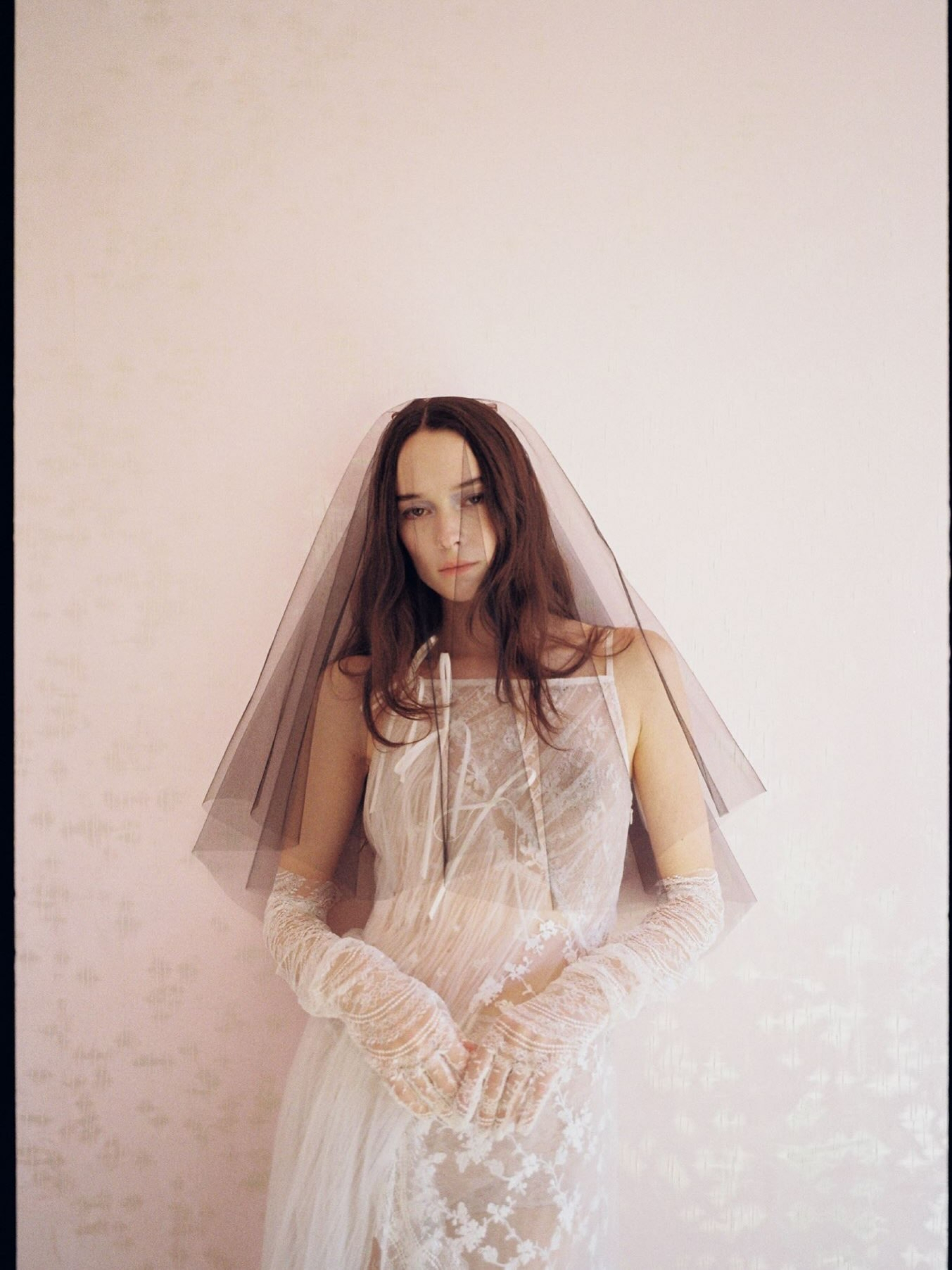
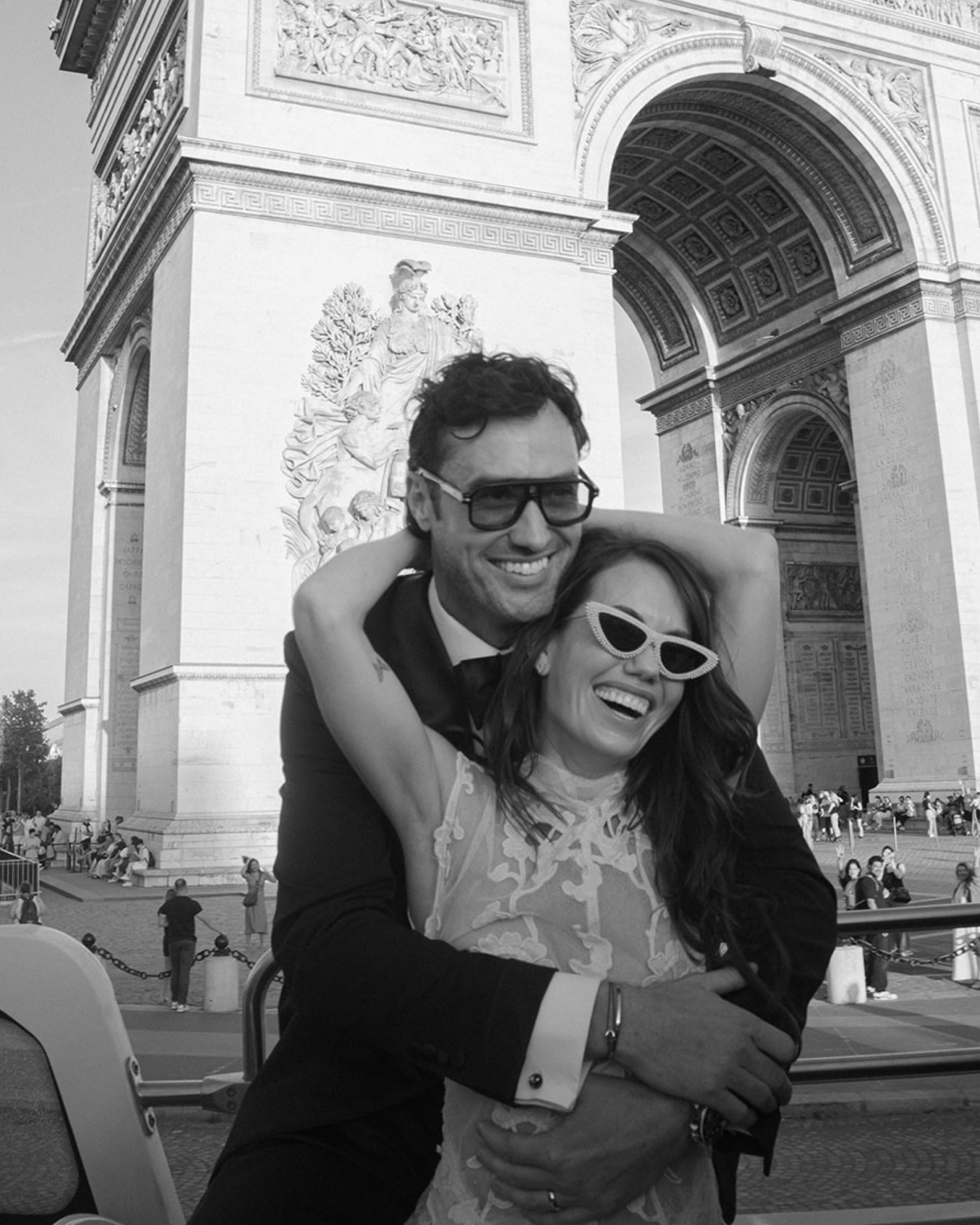
"Ultimately, you’re investing not just in how a photographer captures your wedding, but in how they see it."
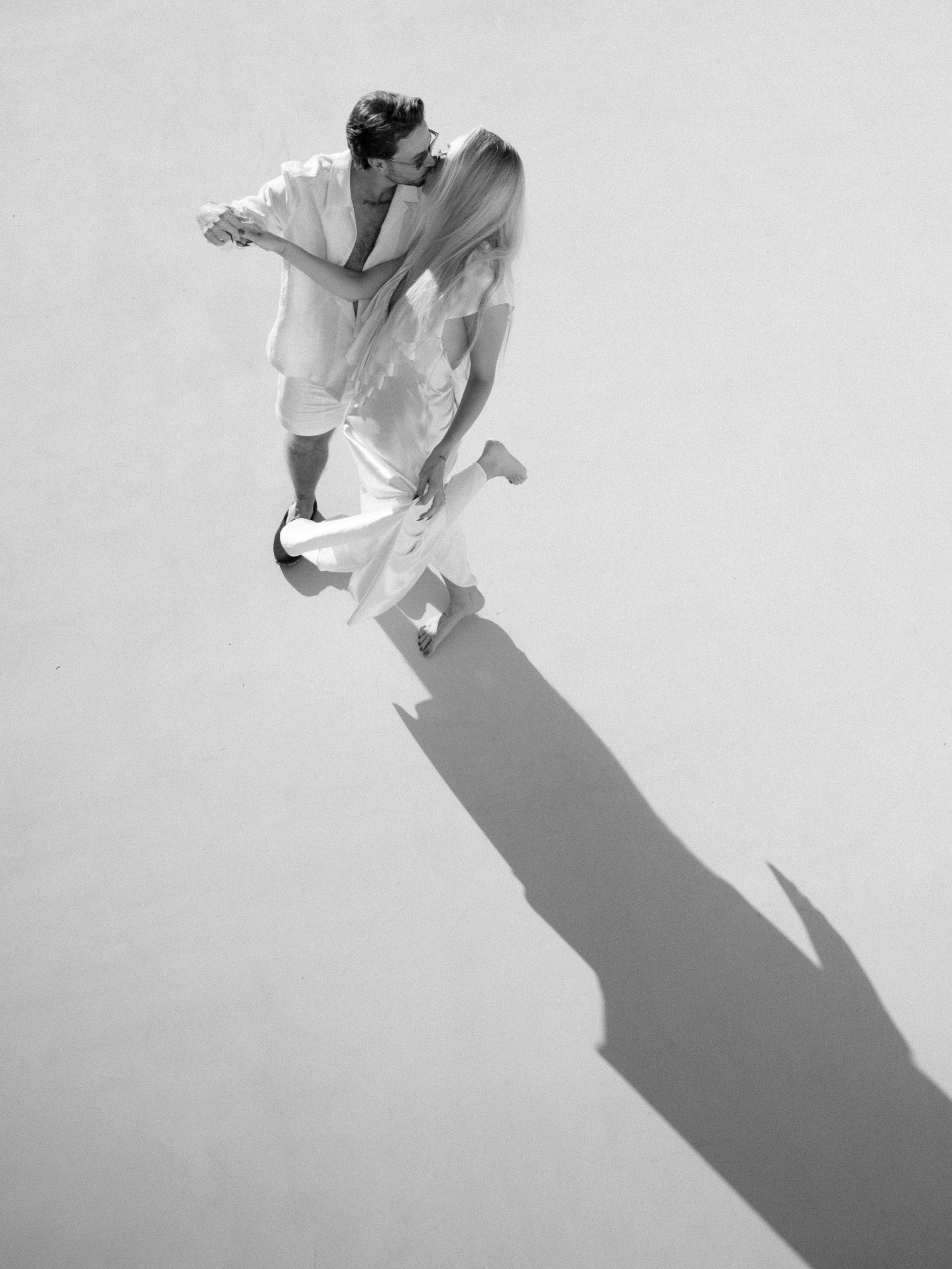
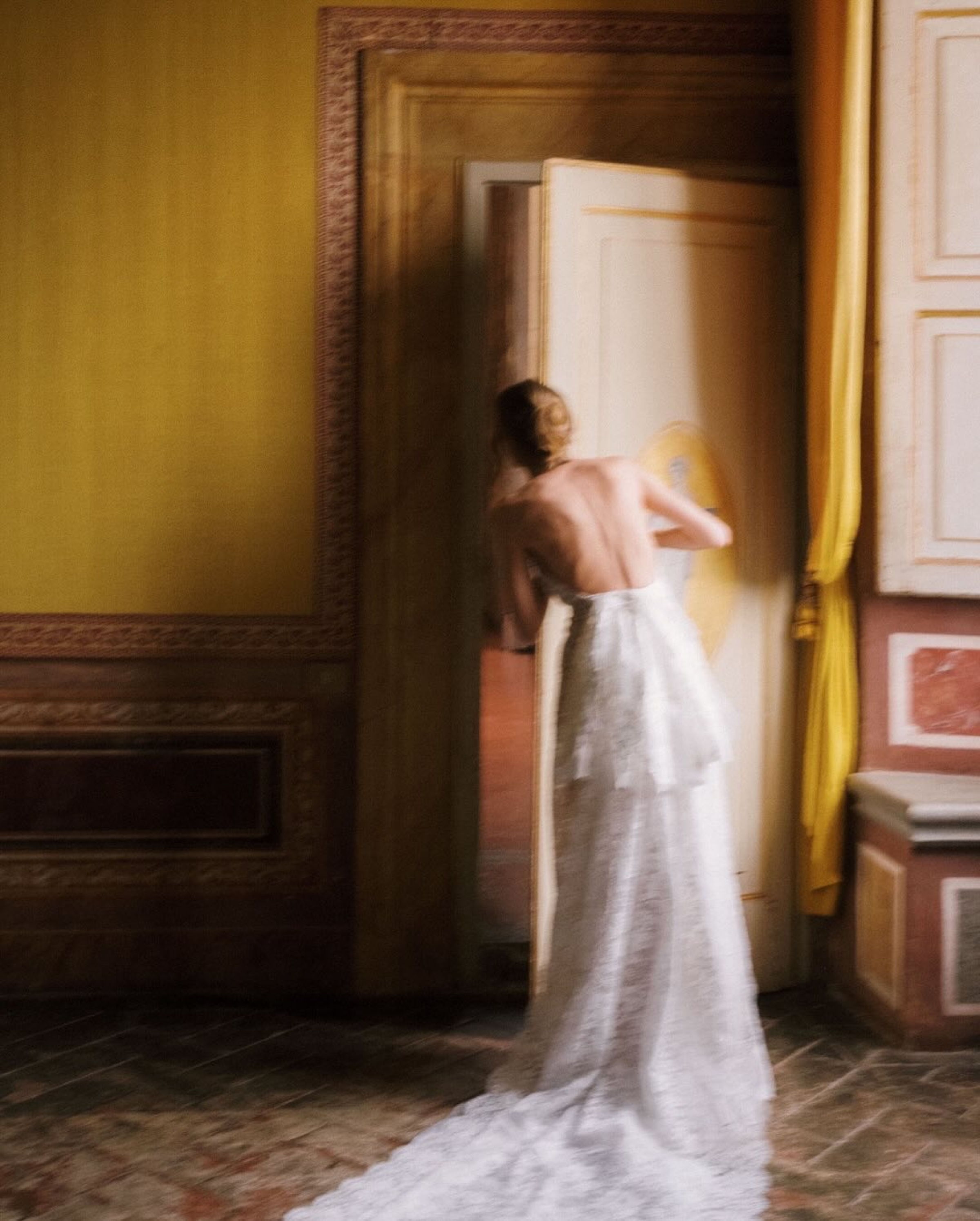
Ultimately, the question isn’t how much a photographer charges, but whether their work and creative perspective are worth that investment to you. There’s no universal formula for what wedding photography should cost, nor should there be. While it’s an investment worth prioritizing, that doesn’t mean stretching your budget beyond what’s comfortable. The goal isn’t to book the most expensive photographer you can afford, but to find the one whose vision resonates with you, whose expertise inspires confidence, and whose photographs you’ll treasure for decades to come. After all, the true value of wedding photography is often realized not on the day itself, but in the years that follow.