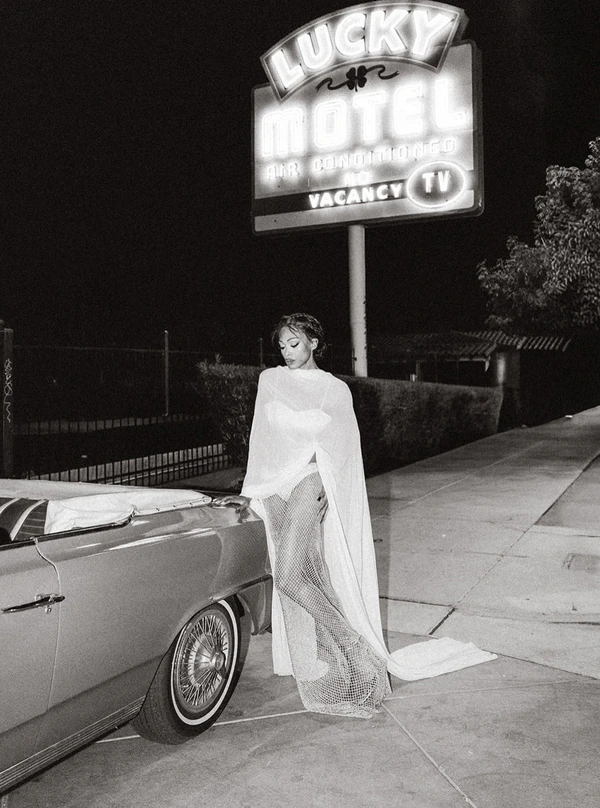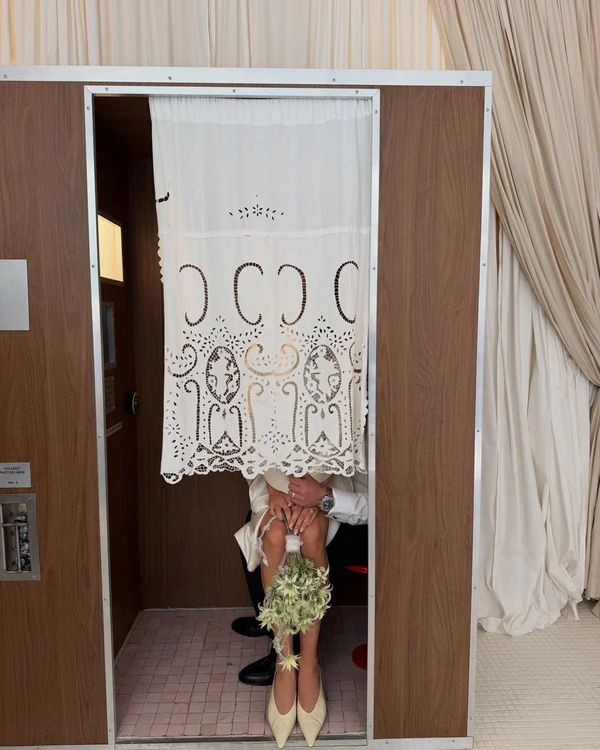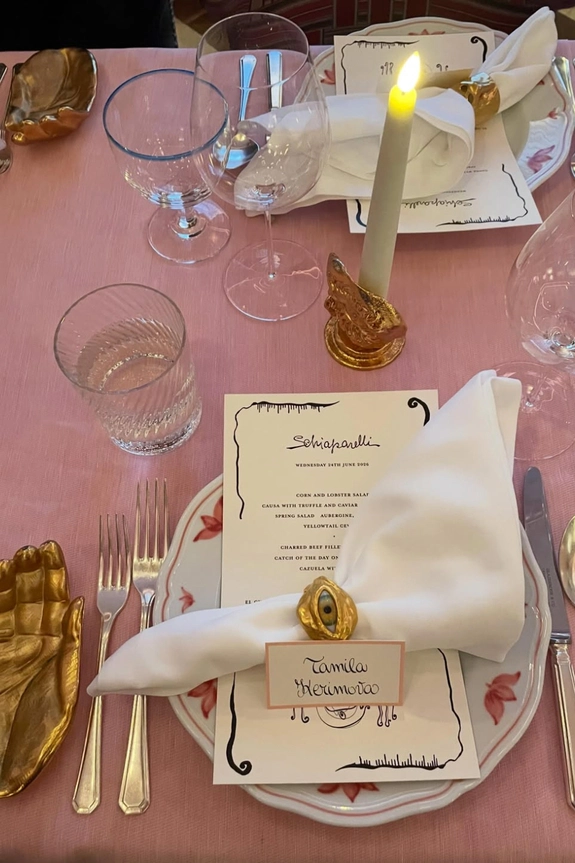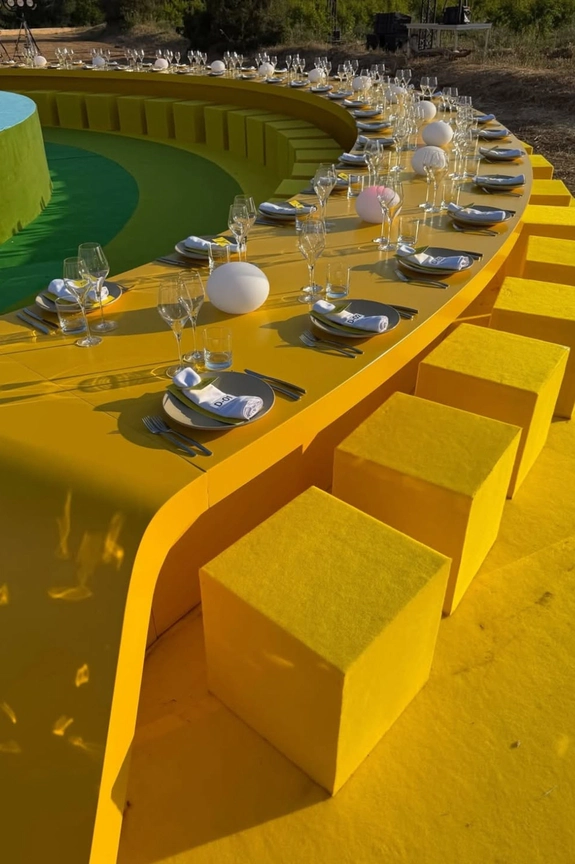
Weddings have always been a reflection of their time. The way we celebrate, what we spend, where we find inspiration, and even what we consider worthy of tradition inevitably shifts alongside the world around us. But rarely has that evolution felt quite as accelerated as it does today. We’ve gone from uploading a few sepia-toned snaps to Instagram (yes, we all remember the filters) to approaching weddings almost like creative productions, complete with concepts, color stories, and guest experiences considered down to the napkin fold. In just five years, weddings have become more personal, more produced, more visible, and an increasingly sophisticated creative industry has emerged around them. So, have we reached a turning point? We’re looking at the forces that brought weddings here, the changes already taking shape, and what they might tell us about where we’re headed next.
The Forces Defining the Modern Wedding
There was, of course, a rather obvious plot twist that undeniably shaped weddings in recent history: COVID. The pandemic reduced guest lists, postponed celebrations indefinitely, and forced couples to reconsider which parts of a wedding actually mattered. When the doors finally reopened, restraint was hardly going to be the mood. We wanted to gather, dress up, travel, dance, and make a moment of things again.
Simultaneously, social media had become a place through which we discovered the world, developed our tastes, connected with each other, and collected ideas. It was something of a perfect storm. We emerged with a renewed appetite to celebrate at the same moment we had become accustomed to sharing almost every part of our lives online, and weddings were hardly going to be the exception. Social media became both the inspiration and the audience, influencing how ideas were discovered, vendors were found, decisions were made, and ultimately, how a wedding was imagined from the outset. With tradition loosened and inspiration suddenly limitless, the rulebook didn’t exactly disappear, but couples became far more comfortable rewriting it.
Personalization Over Tradition
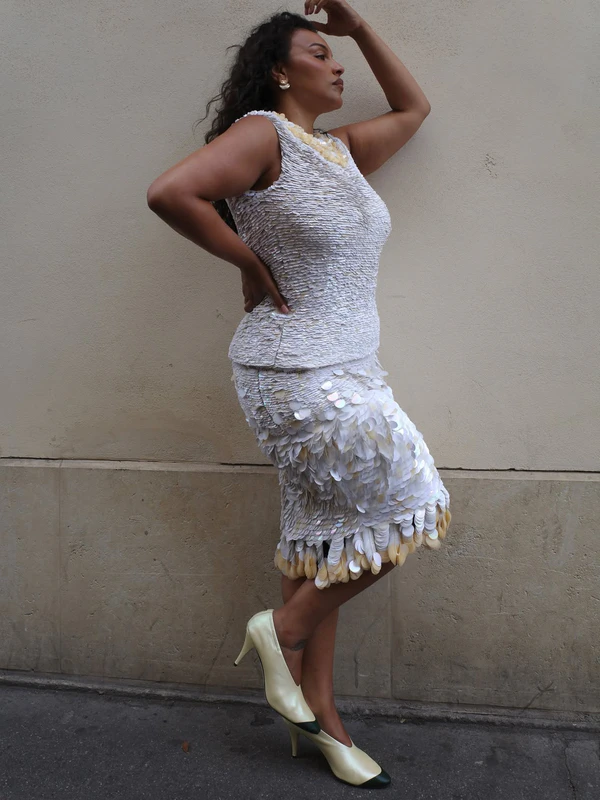
Couples are no longer defaulting to what their parents did, or what etiquette guides, or centuries of tradition say they should do. The details that used to be afterthoughts—favors, signage, the playlist—are now where couples spend the most energy. It's no longer just a simple color scheme; every choice is expected to say something true about the two people getting married.
Dates are being chosen for their numerological significance. Photographers are being chosen for their specific style and how it resonates with the couple. Even the food comes down to its meaning, seasonality, or locality. Down to the smallest detail, every aspect of a wedding now is carefully chosen, and every significance is taken into consideration.
The Rise of the Themed Wedding
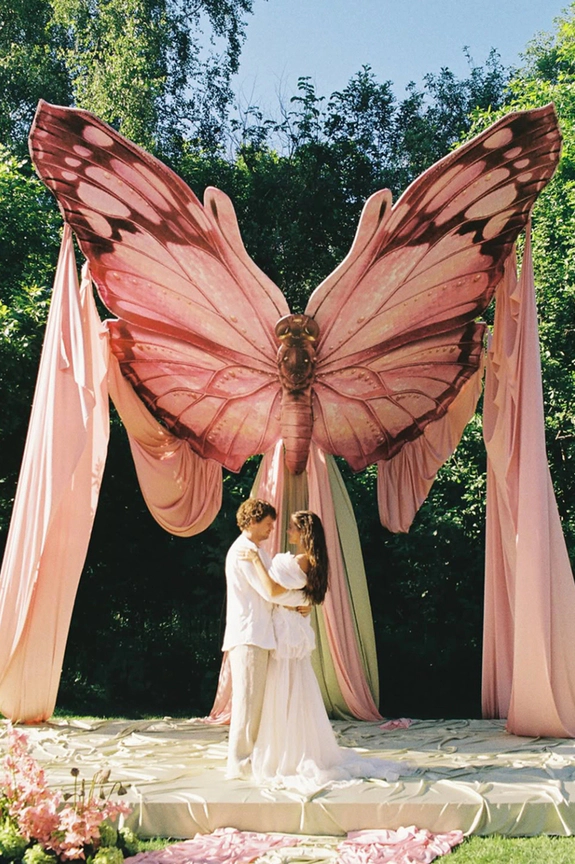
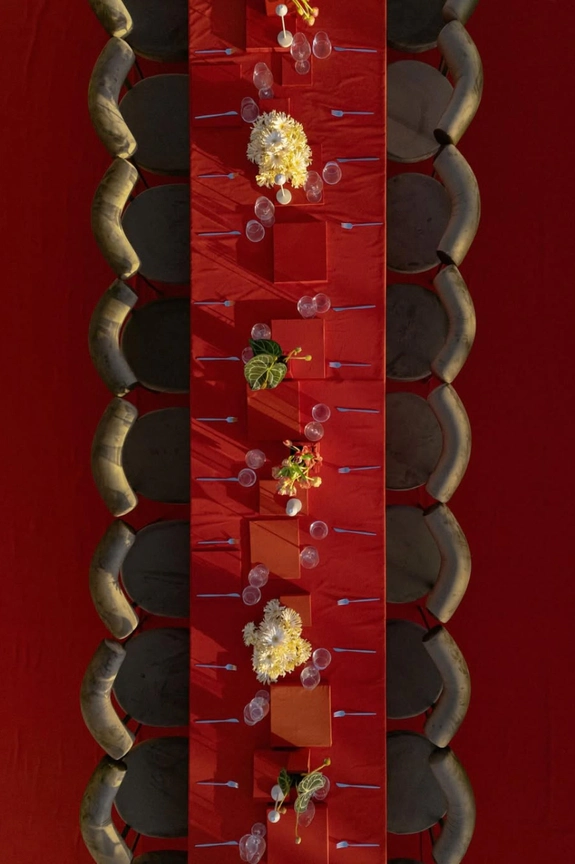
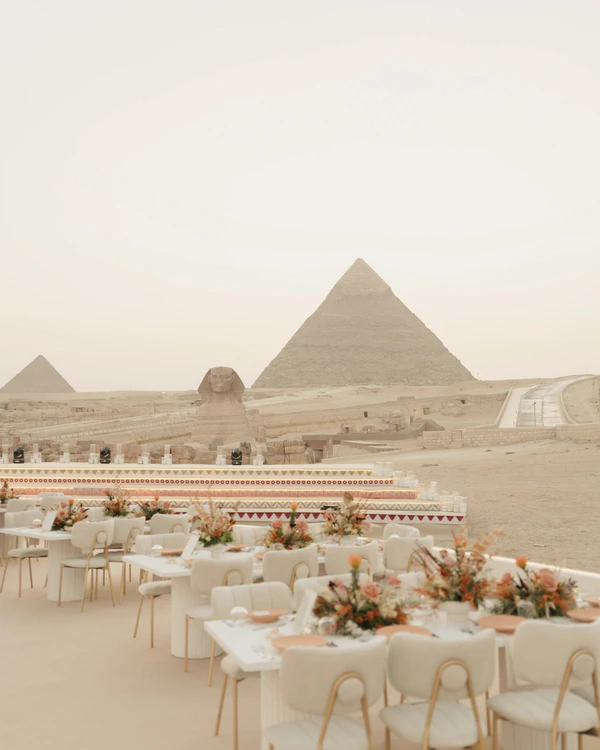
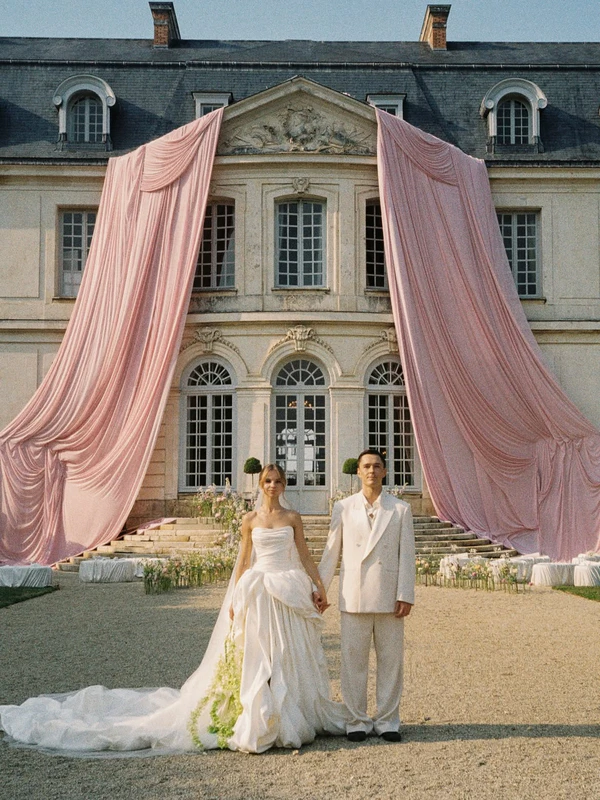
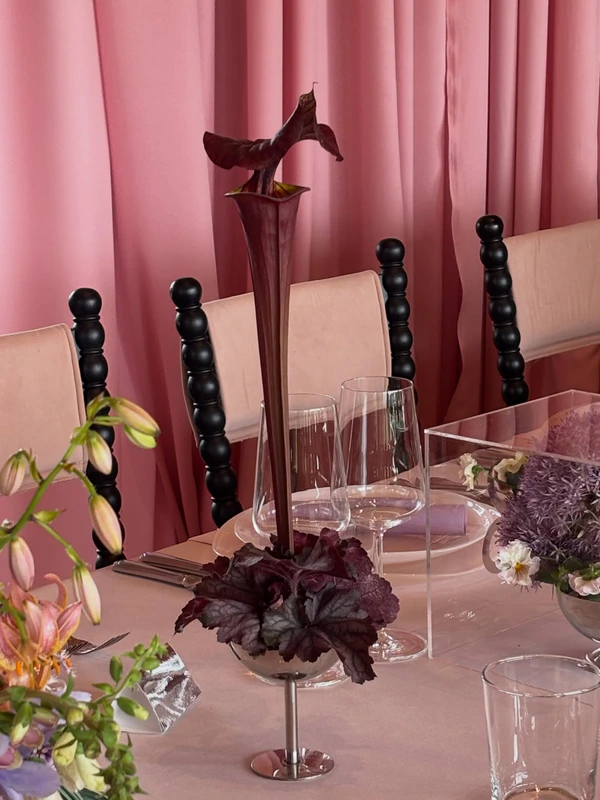
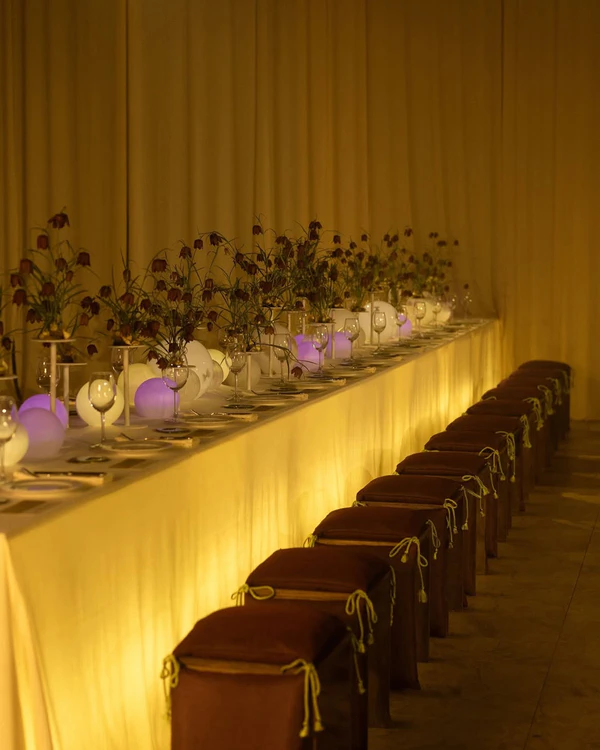
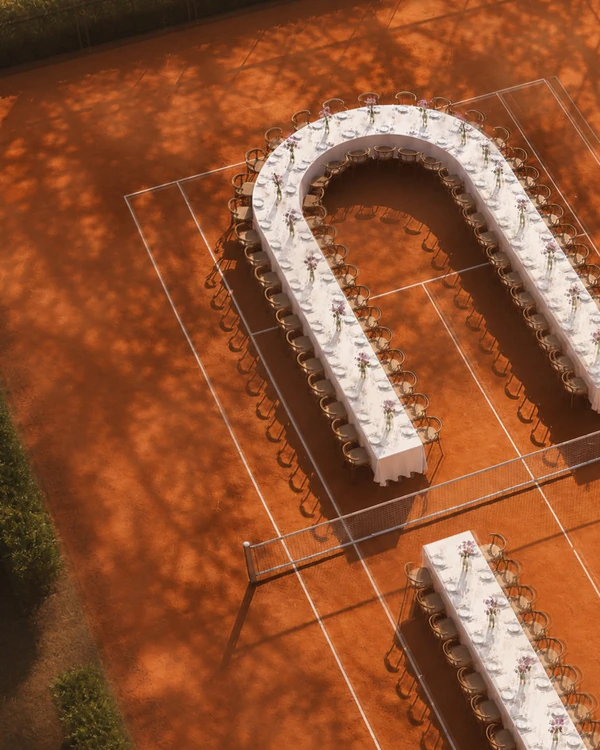
Entire worlds are also being built around a singular concept. Be it as broad as a tropical wedding or as niche as Slim Aarons-inspired, today's weddings are often reflecting themes that invite their guests into a fully immersive experience. Every choice, from the font on the menu card to the shape of the cake, answers back to that central idea. Executed with the precision of a set designer, the rise in themed weddings shows a significant shift from simple decorating to directing.
Elaborate Bachelor & Bachelorette Parties
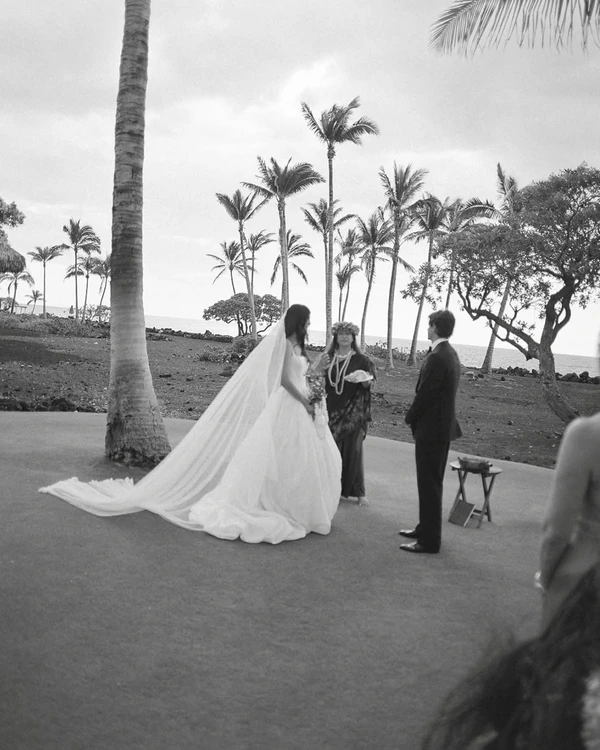
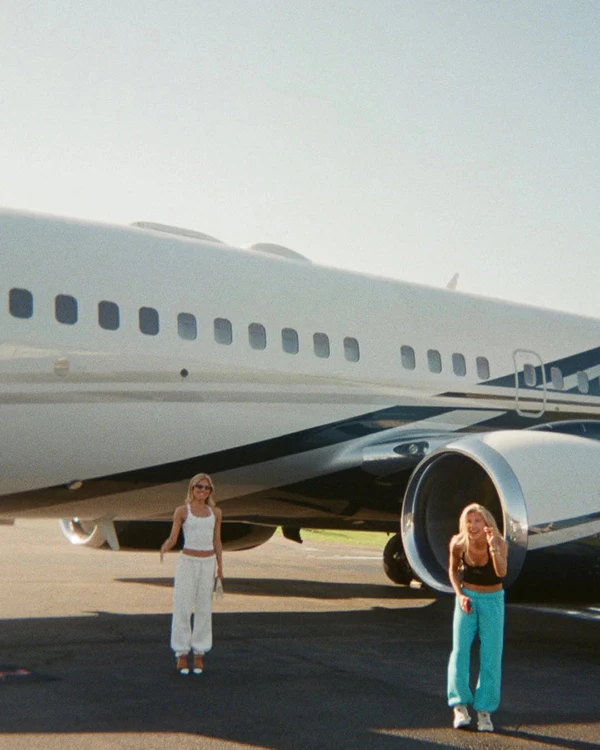
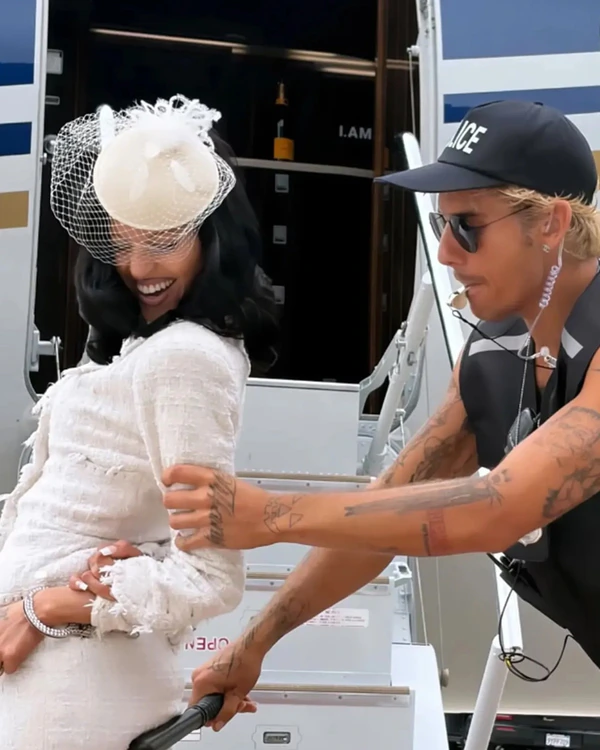
A weekend in Vegas with matching t-shirts used to be the standard. Now bachelor and bachelorette trips span multiple countries, come with their own itineraries, and often rival the wedding itself in planning hours. We've seen it with influencers firsthand—Acquired Styles' private jet bachelorette is probably the prime example. Private chefs, carefully curated wardrobes, and professionally shot group photos have become the norm rather than the exception. Has the pre-wedding celebration become an event in its own right, or has it become too much? That's up to you.
Weddings as a Performance
There's no denying that weddings have become a bit more staged for an audience beyond the room. Couples are choreographing entrances, commissioning custom monograms, and planning moments that photograph and film well before they've confirmed the guest list. This generation grew up watching weddings unfold online, and they know exactly how a great one is supposed to look. They've studied the getting-ready moments, the confetti exit, the first-look reaction shot, long before they had a wedding of their own to plan. That fluency shows up in the planning process itself, with couples arriving to vendor meetings already speaking in reels and references. The best ones still manage to feel like a party and not just a production, even when every corner of it has been staged for a screen.
Micro-Weddings Made Their Case
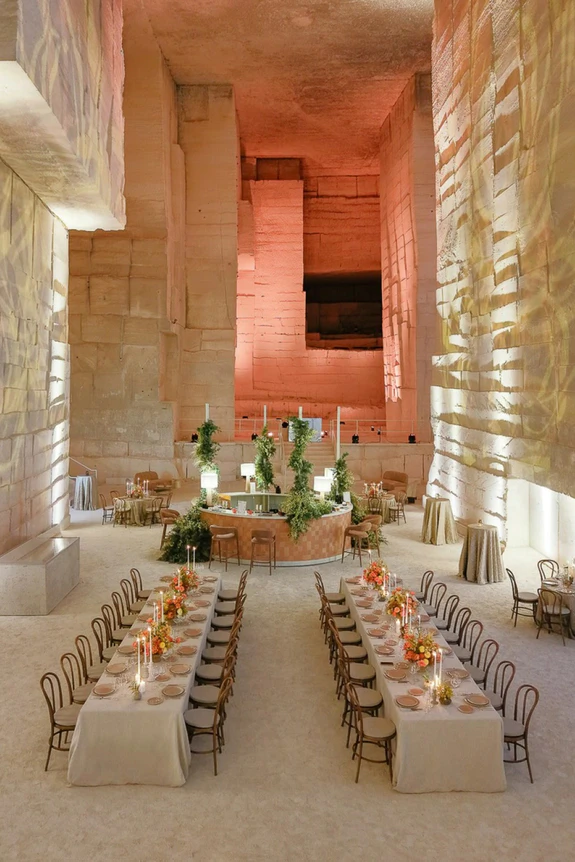
The pandemic forced couples to shrink their guest lists, and many liked what they found on the other side. A tighter guest count means a bigger budget per head, which shows up in the food, the flowers, and the overall polish of the day. Fifty guests at a private villa now reads as more aspirational than three hundred at a ballroom. The rise of micro-weddings has endured their 2020 moment of necessity and become a category of its own.
The Multi-Day Takeover
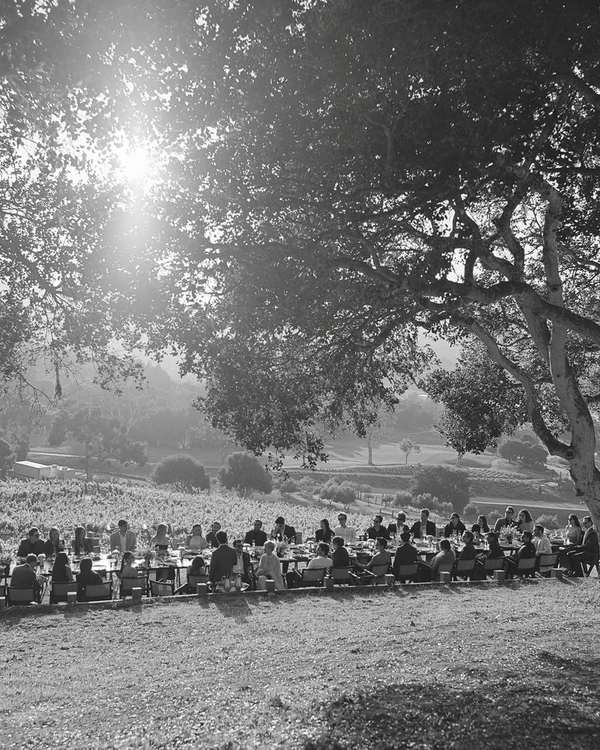
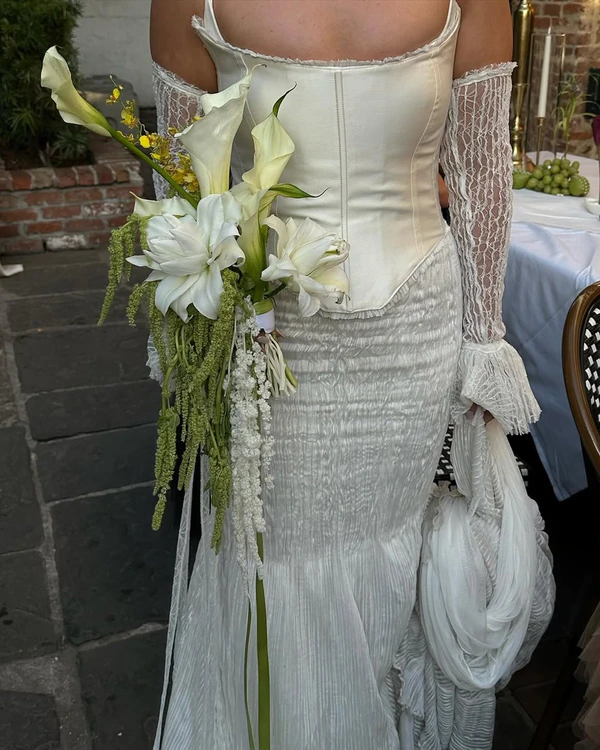
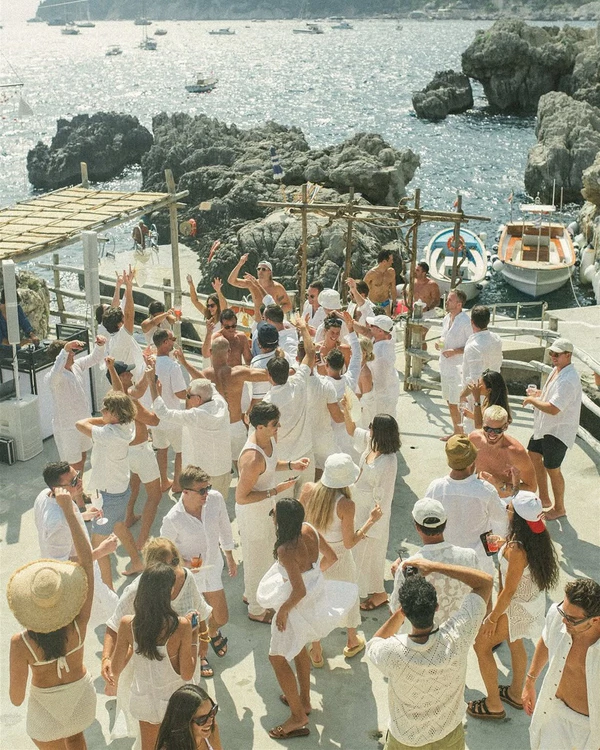
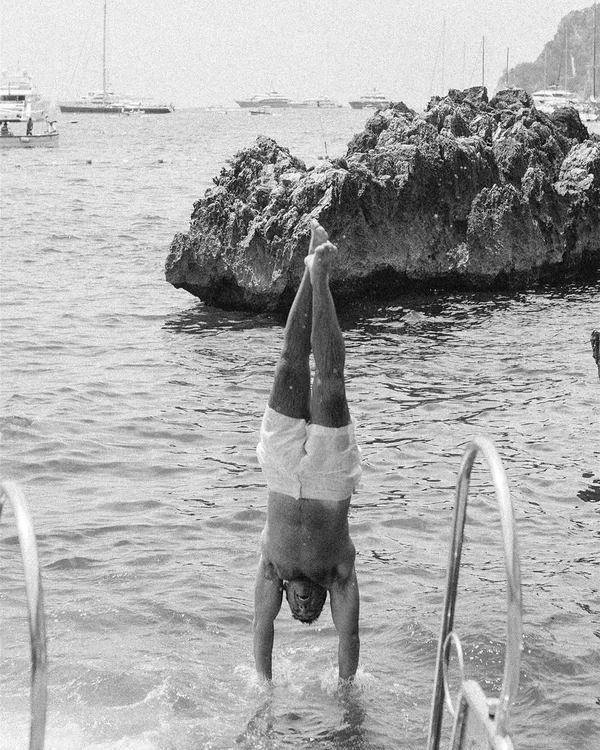
The model used to be one ceremony, one reception, all done in one night, but that model is fading fast. Couples are now planning welcome dinners, cocktail hours, day-after brunches, recovery pool parties, and sometimes a full second event in a different location entirely. Destination weddings in particular have expanded from a single ceremony abroad into a weekend-long itinerary, with vendors booked for three or more days instead of one, turning the whole celebration into a multi-day trip.
Budgets Spent Differently
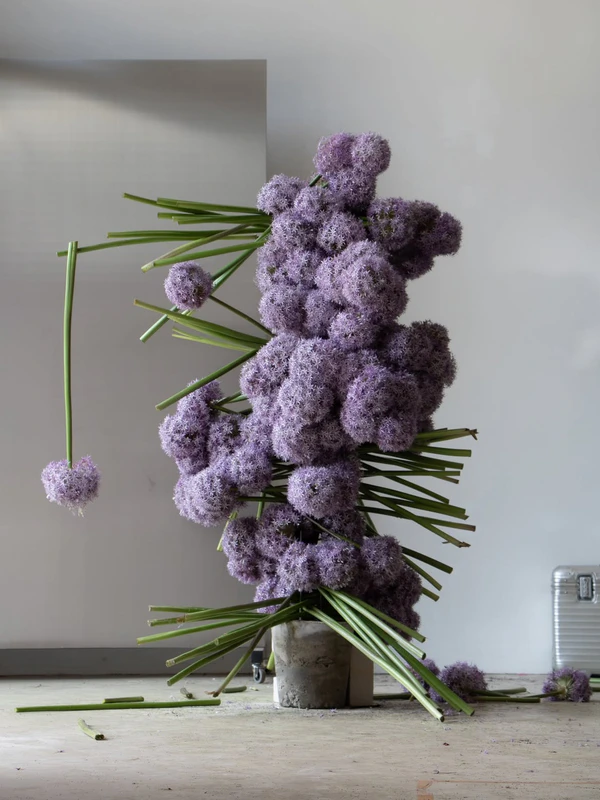
A decade ago, the big-ticket items were typically the venue and the dress. Now couples are funneling serious money into catering experiences, unconventional floral installations, and photographers and videographers who can produce something worth posting, just to name a few. Guest experience has overtaken guest count as the priority, which means a smaller wedding with a cocktail bar and a live band can easily outspend a larger, more traditional affair. Where the money goes has become its own kind of statement, a way of showing guests exactly what the couple values most. Vendors have taken notice, too, building entire offerings around the idea that couples want to spend more on moments and create unforgettable experiences for their guests.
Built for the Feed
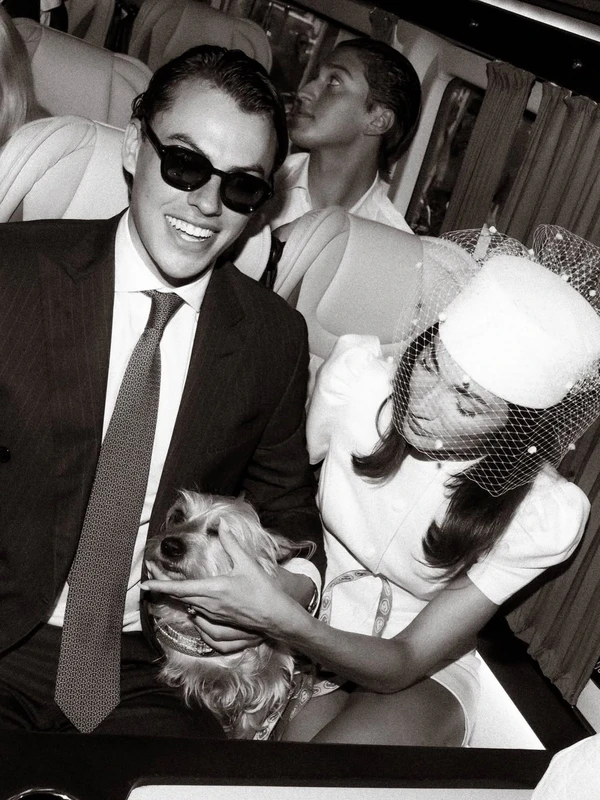
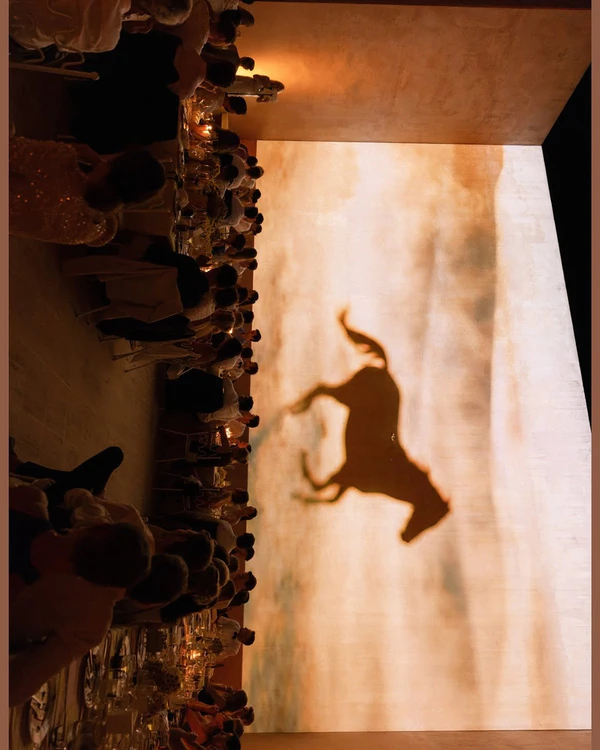
Every decision is now made with a phone camera in mind. Couples are choosing venues, lighting, and even guest seating with an eye toward what will photograph well and travel far online. Time on the day of might be carved out just for filming TikToks, and couples are documenting every aspect of their wedding planning journey to share online. A new vendor has even emerged to meet the demand: professional content creators, hired to shoot lo-fi, iPhone-style photos and videos built for social media, often delivering galleries on a turnaround so fast they're practically ready for immediate use.
AI Arrived
Like it or not, AI landed, and it's proving it's here to stay. We may resist it, question it, or occasionally wish it would stay out of our lives, but it's undeniably intrinsically woven into how couples are now planning weddings and vendors are working behind the scenes. Already, the tools are helping to streamline planning, organize ideas, and turn a hundred open tabs into something resembling a plan, and we can only expect them to become smarter, more specialized, and considerably more useful from here. The most interesting role for AI, though, isn’t replacing the human parts of a wedding. The best technology takes care of the work around them, giving couples more time to make meaningful decisions and vendors more space to do what technology can’t replicate: bring craftsmanship, artistry, instinct, and a genuinely original point of view to the day.
What's Coming Next?
Well, that depends on how far ahead you’re willing to look. In the immediate future, we expect weddings to continue much as they are now, only more evolved: new technology, new ways of sharing, new creative roles, and an industry becoming increasingly sophisticated in response to what couples are asking of it. Some of today’s growing pains will settle, new standards will emerge, and the business of weddings will inevitably become more polished. But look a little further ahead and things become more interesting. As with fashion, design, and culture more broadly, no movement continues in one direction forever. Eventually, excess creates an appetite for restraint, visibility for privacy, and ubiquity for something that feels harder to access. If the past five years were about rewriting the rules, the next five may be about deciding which ones are actually worth keeping.
A Return to the Human Hand
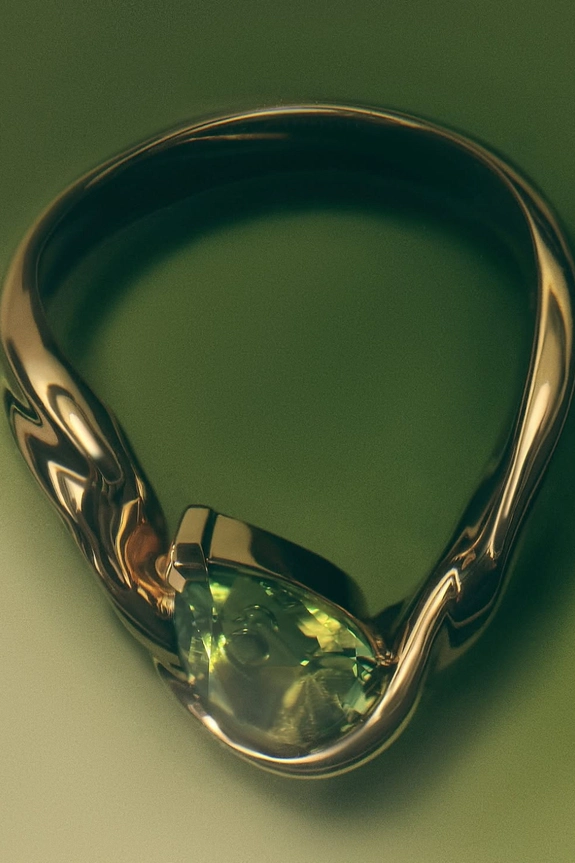
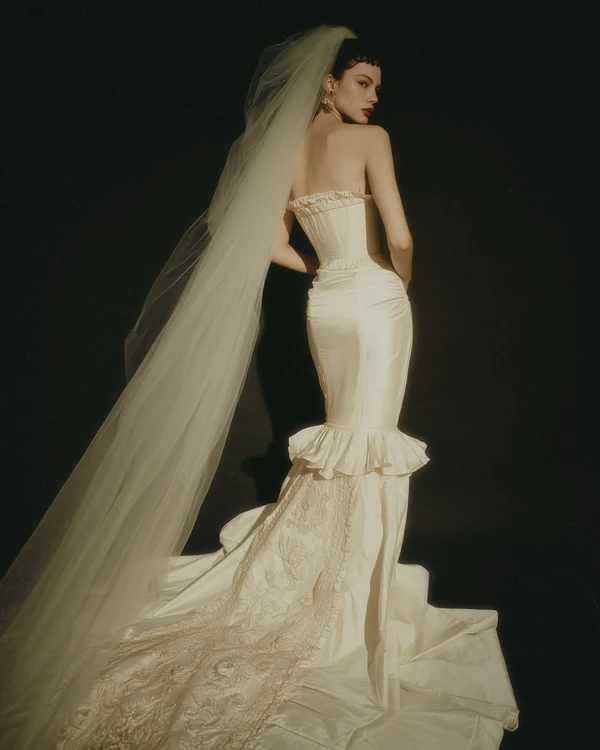
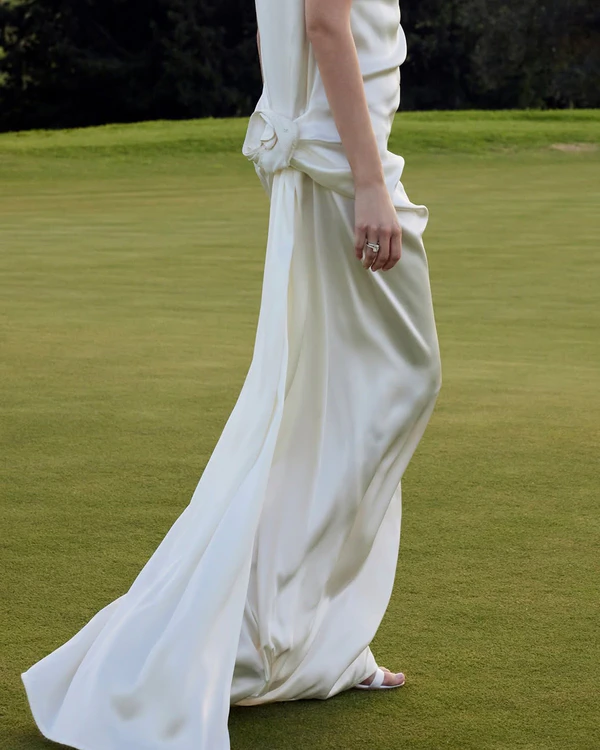
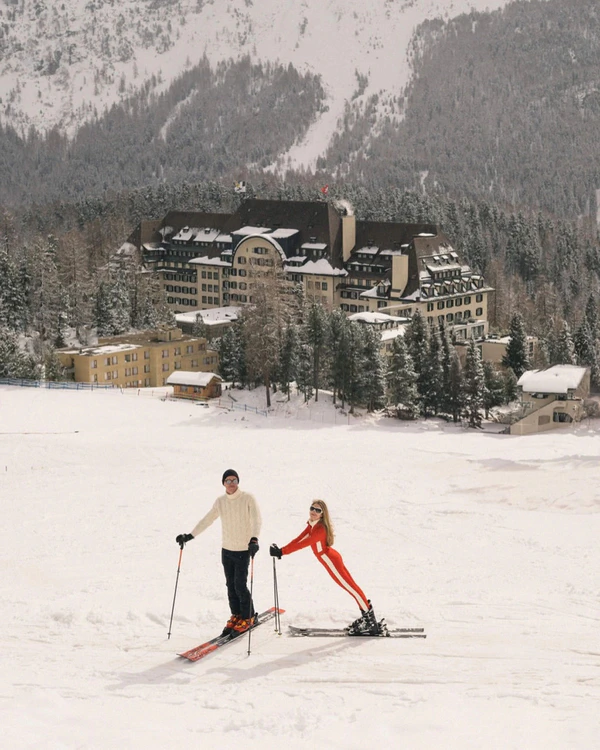
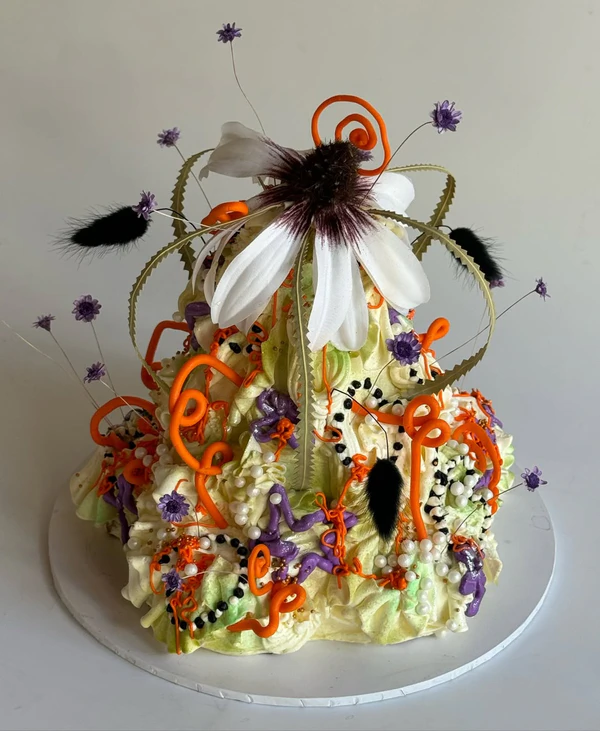
The more technology can do for us, the more we may find ourselves craving the things it can’t. As AI makes polished imagery, instant ideas, and near-perfect design increasingly accessible, we predict a renewed appreciation for evidence of the human hand. Think hand-painted stationery, commissioned textiles, bespoke ceramics, couture made over hundreds of hours, locally grown flowers, and objects created specifically for one celebration rather than sourced because they happened to fit the moodboard. Imperfection may even become part of the appeal. In a world where almost anything can be generated, replicated, or found within seconds, knowing who made something, where it came from, and the story behind it could become its own marker of luxury. The future of wedding design may be increasingly high-tech behind the scenes, but what we value most could become decidedly more human.
Enter the Wedding Creative Director
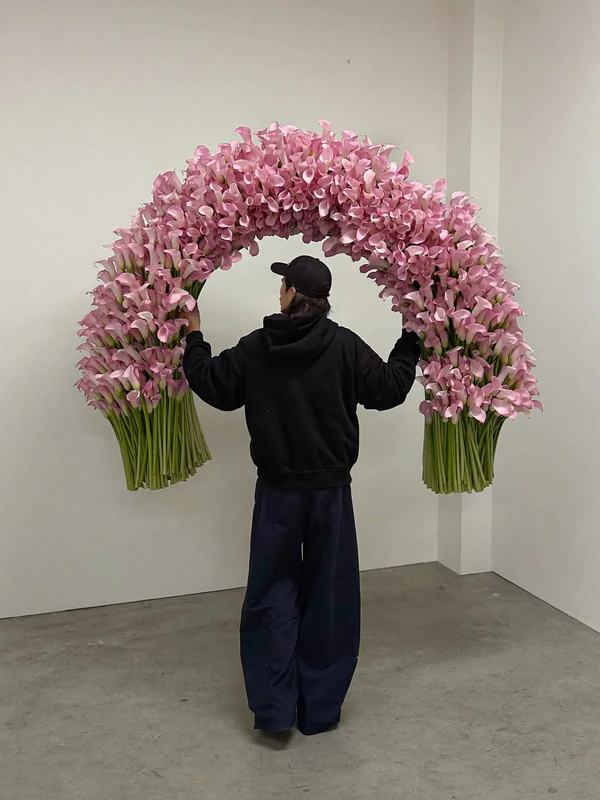
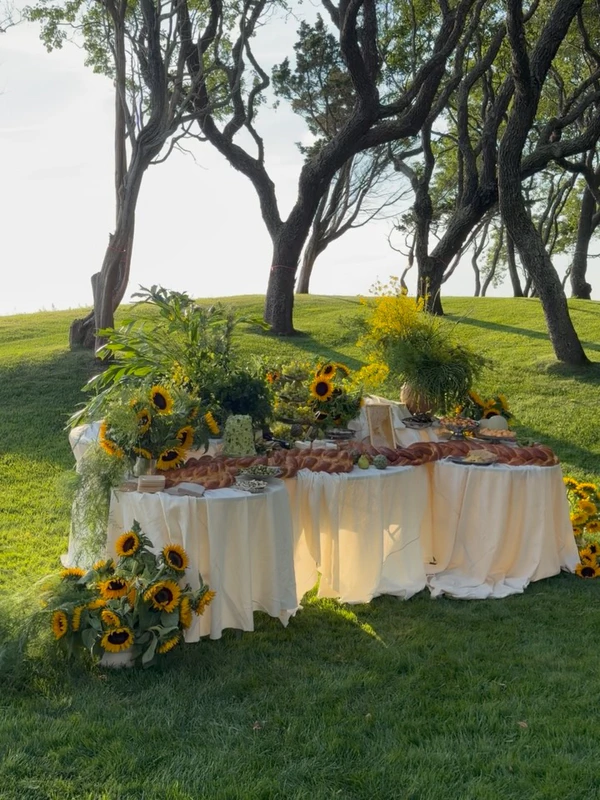
As weddings become more creatively ambitious, the people behind them are becoming more specialized too. We’re already seeing the traditional planner-stylist role begin to separate, with some celebrations bringing in dedicated stylists alongside planners focused on logistics and production. We expect that distinction to become even clearer as a new generation of creative voices enters the industry, with the wedding creative director emerging as a category of its own. Much like in fashion, their role will be to establish the overarching vision and ensure every creative decision speaks the same language, from the florals and stationery to lighting, tablescapes, fashion, photography, and even the way the weekend unfolds. The planner makes sure it all happens, the stylist brings the physical details together, and the creative director asks the bigger question: what is the world we’re trying to create?
The Rise of the Wedding Agency
As the roles within weddings become more specialized, we expect the way talent is represented to evolve with them. Boutique agencies already exist across the industry, but we could see the model become far more established, operating much like creative agencies in fashion and advertising, with photographers, filmmakers, stylists, content creators, and other talent represented all under one roof, becoming a go-to one-stop-shop for couples. As destination weddings stretch across multiple days, locations, and increasingly complex productions, having access to a trusted roster of creatives who already understand how to work together and align on quality, craftsmanshp and vision makes sense. For vendors, it offers representation and the freedom to focus more closely on their craft; for couples and planners, it could make assembling the right creative team considerably more seamless. The wedding industry has become a serious creative economy, and the infrastructure around its talent may finally catch up.
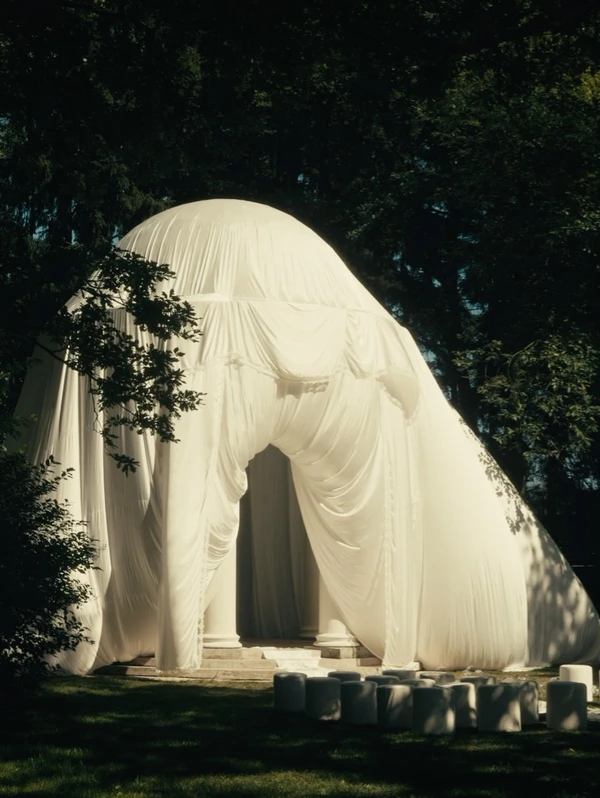
The Price of Transparency
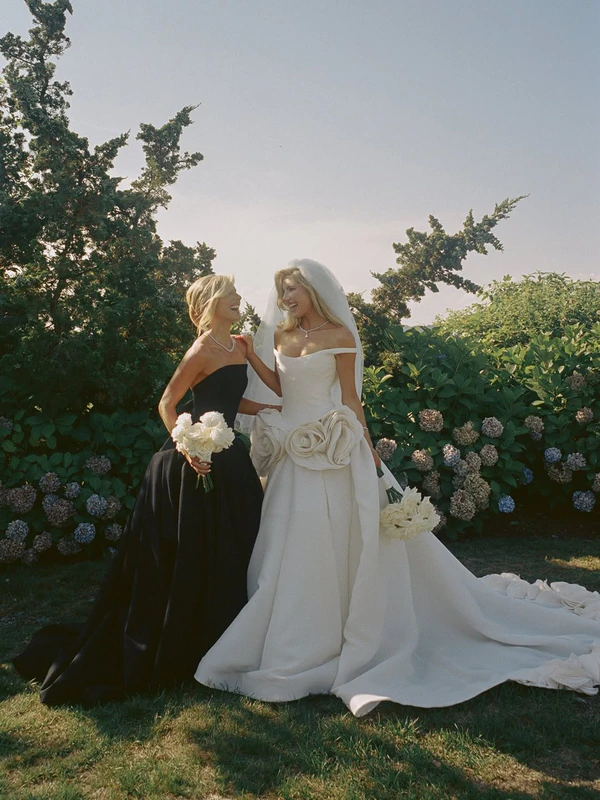
For an industry built around budgets, weddings can still be remarkably coy about money. Vendor rates are often hidden behind inquiry forms, venue costs can be difficult to decipher until well into the conversation, and the beautiful real weddings we see online rarely come with any indication of what it actually cost to create them. We expect that opacity to become harder to maintain. Couples are more informed, more research-driven, and increasingly accustomed to understanding the price of something before deciding whether it belongs on their shortlist. That doesn’t mean bespoke creative work needs a fixed price tag, but clearer starting rates, realistic investment ranges, and more honest conversations around what real weddings actually cost will become the norm (or at least we hope!) Perhaps the next evolution in wedding inspiration isn’t simply showing couples what’s possible, but giving them a better understanding of what it takes to make it possible.
A Return to "Less is More"
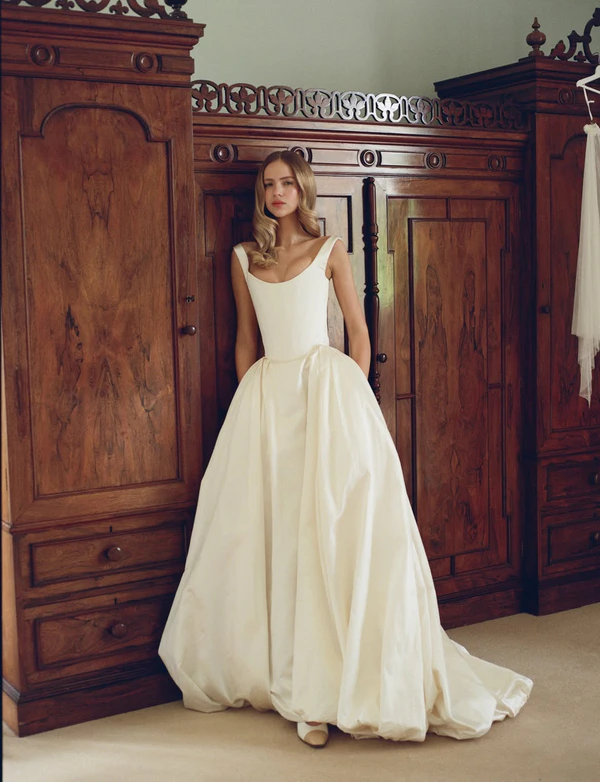
Look further ahead, however, and our prediction becomes almost the antithesis of everything we’re seeing now. Fashion, design, and culture rarely move endlessly in one direction, and weddings are no different. After years of bigger productions, bigger budgets, constant documentation, and celebrations increasingly designed with an audience beyond the guest list in mind, we expect the pendulum to eventually swing back. Weddings won’t necessarily become smaller, less personal, or any less beautifully considered. Rather, we think the forces of social media that have shaped this particular era of weddings may simply begin to lose some of it's influence. What replaces them could be softer, more considered, and far less concerned with keeping up. If the past five years have been an exercise in more, perhaps the next will make a case for less.
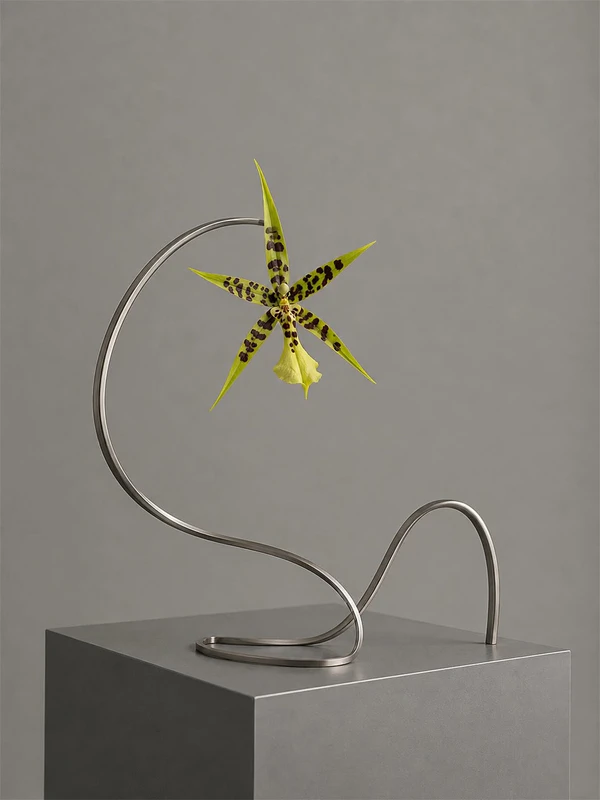
Privacy Becomes the New Luxury
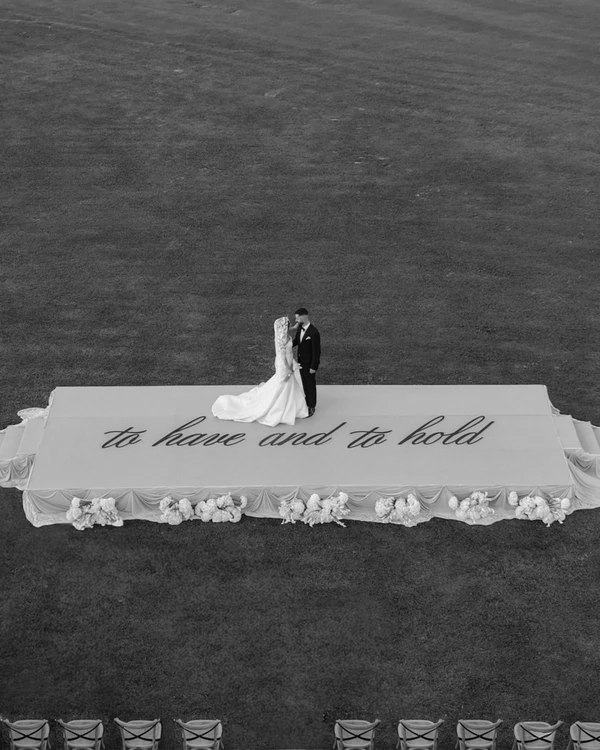
For years, the ultimate wedding flex has been visibility: the photos, the films, the features, the posts that allow a celebration to live far beyond the people actually invited to it. We predict the opposite may soon become just as aspirational. We’re already seeing early signs, and not only among celebrities, of couples asking guests not to post, restricting how imagery is shared, and even introducing NDAs to keep their celebrations genuinely private. As more of our lives become public by default, choosing what remains unseen begins to feel increasingly powerful. That doesn’t mean the photographs won’t be extraordinary or the details any less considered; they simply might not be created for everyone else to consume.
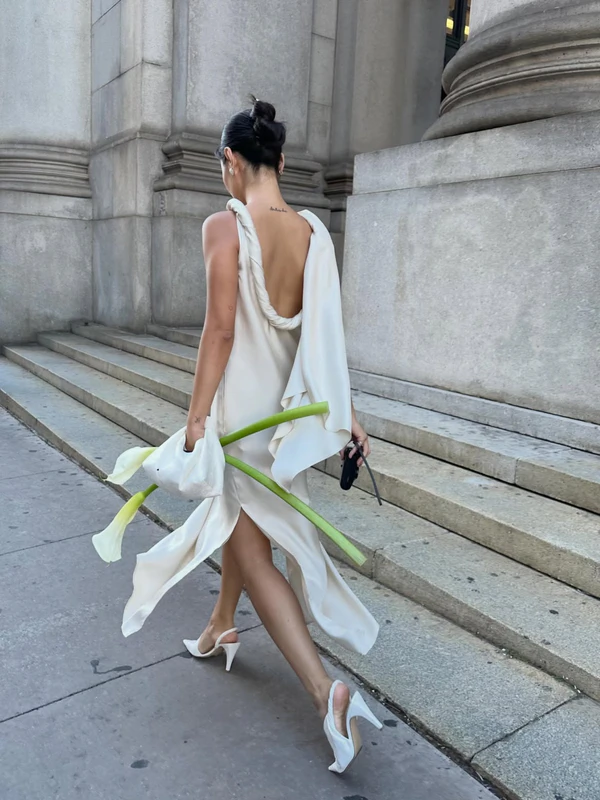
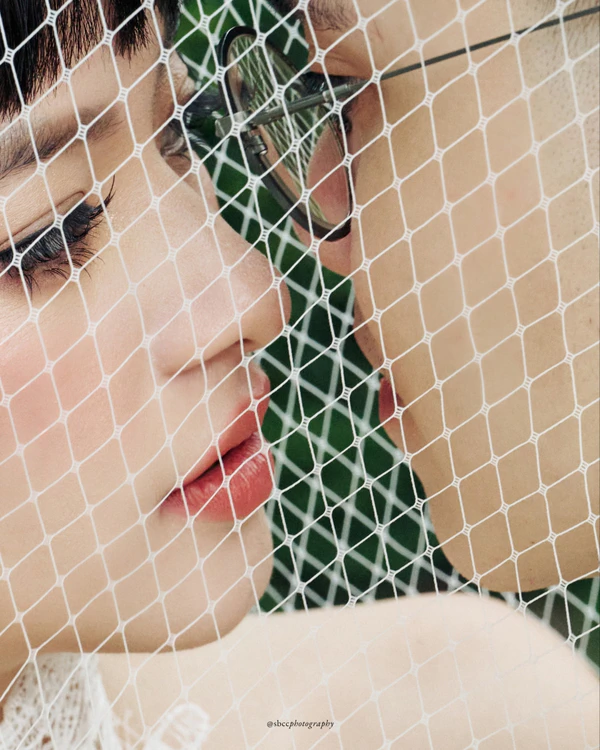
The Wedding Will No Longer the Finish Line
Perhaps the biggest shift will be in how much weight we place on the wedding itself. For years, couples have been encouraged to think of it as the pinnacle: the biggest party, the biggest spend, the moment everything has been building toward. But a wedding is ultimately one chapter in a much longer story, and we predict couples will become increasingly conscious of what they invest into that single moment, both financially and emotionally. That won’t mean abandoning beautiful design, extraordinary food, meaningful details, or the craftspeople who make them possible. It may simply mean spending with greater intention, resisting the pressure to keep pace with what they see online, and leaving room for everything that comes after. The wedding can still be one of life’s great celebrations without having to be its greatest production.