Wedding Vendors
Top wedding vendors from all over the world. Based on our experience and vision, we select professionals we can recommend for weddings and private events
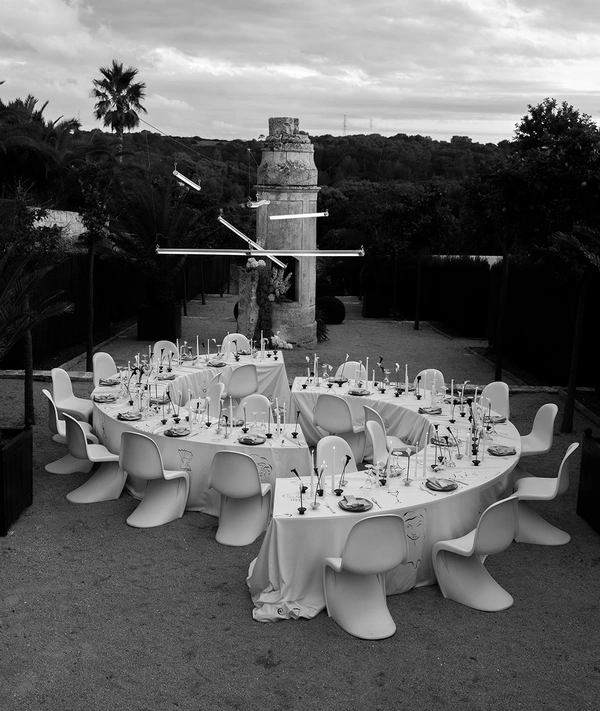
Open the Door Events

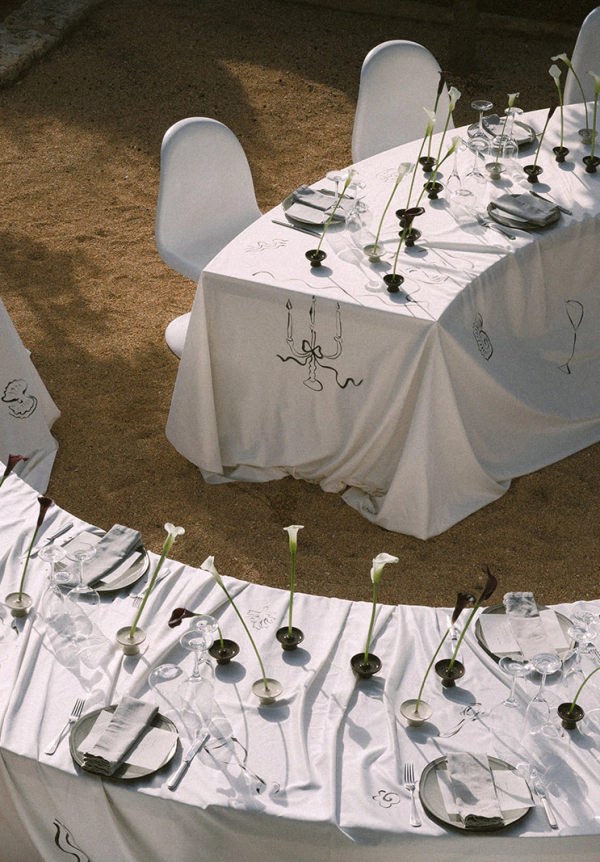
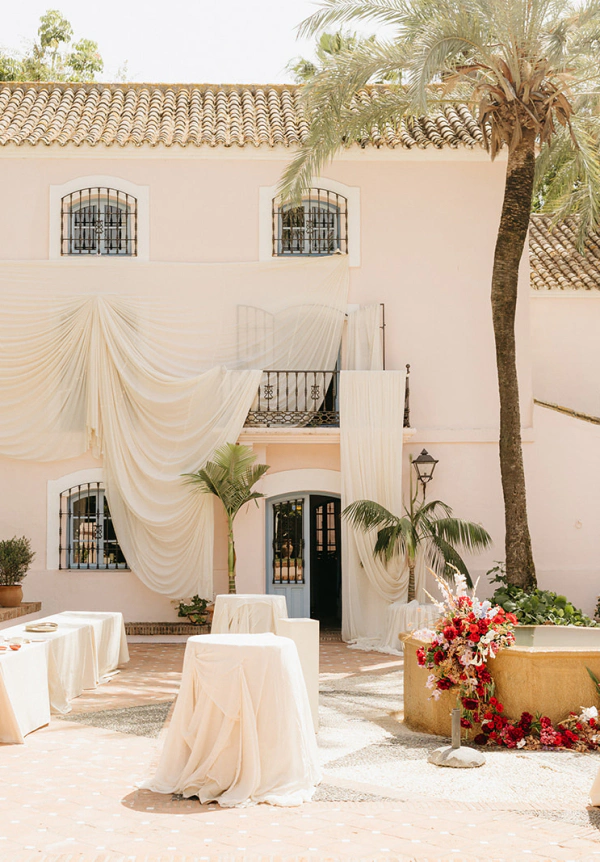

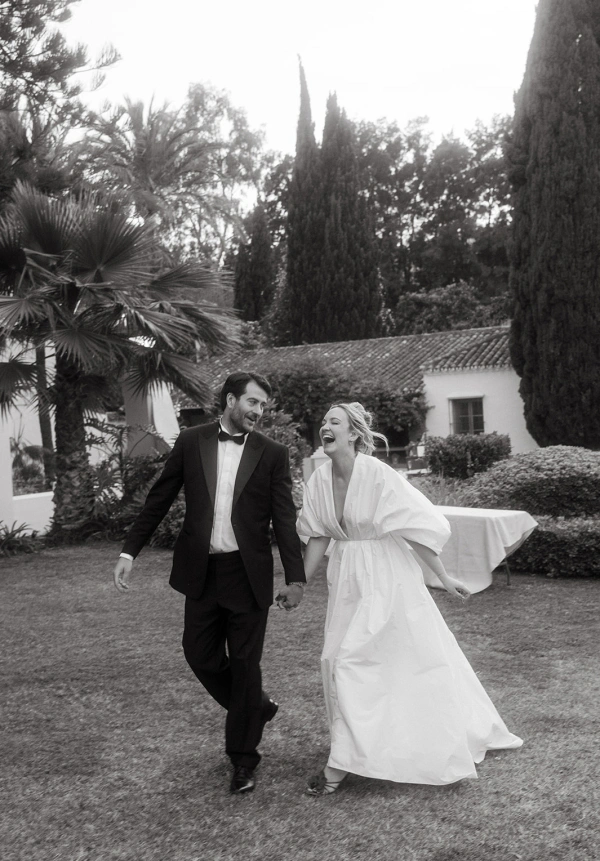


Joy Zamora

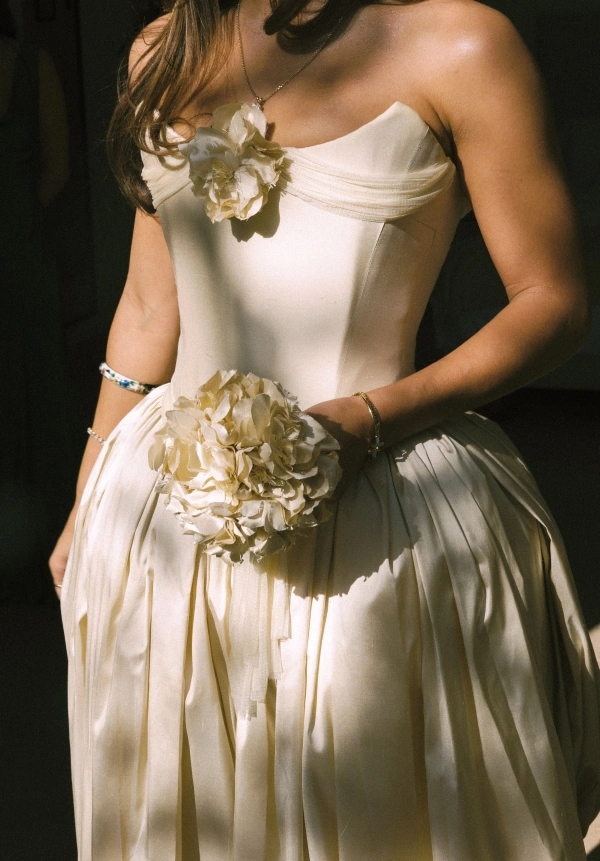

Ev Polish







Babel Bloom
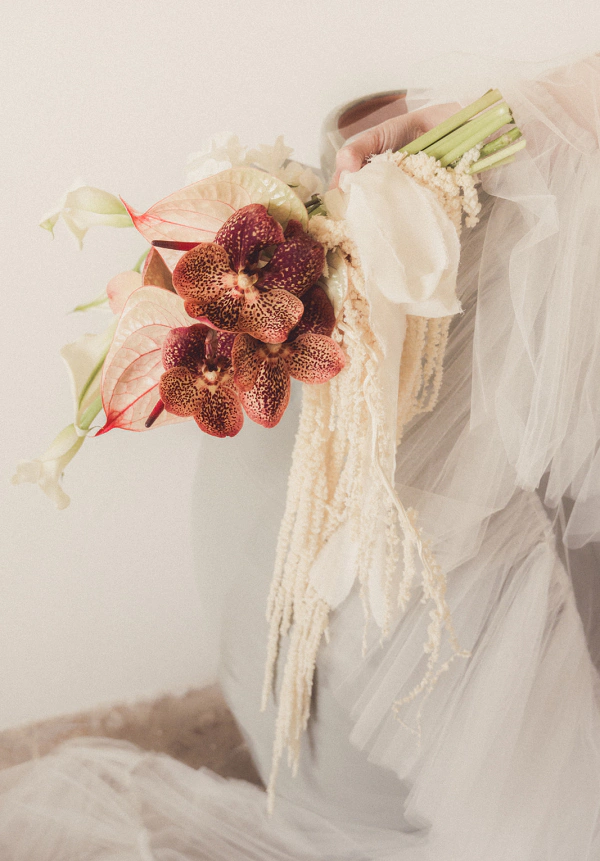
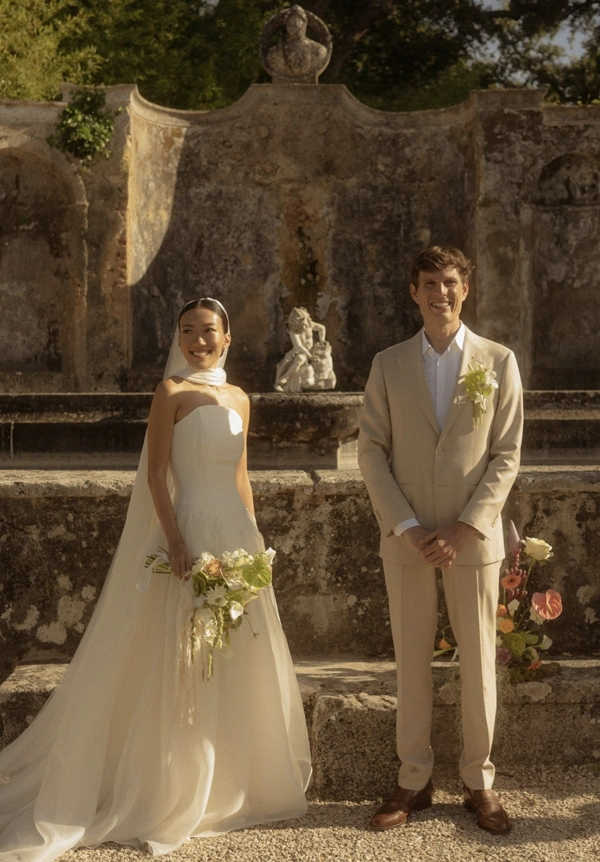
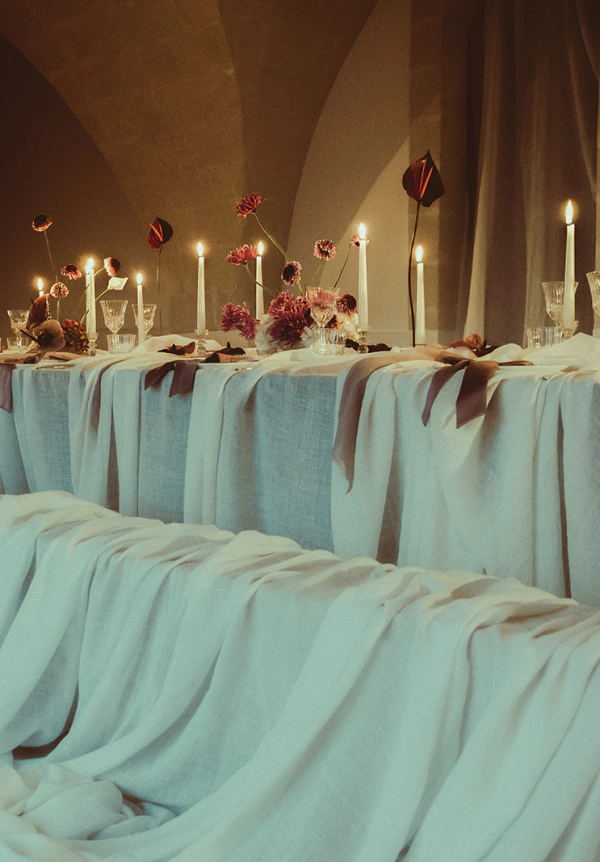

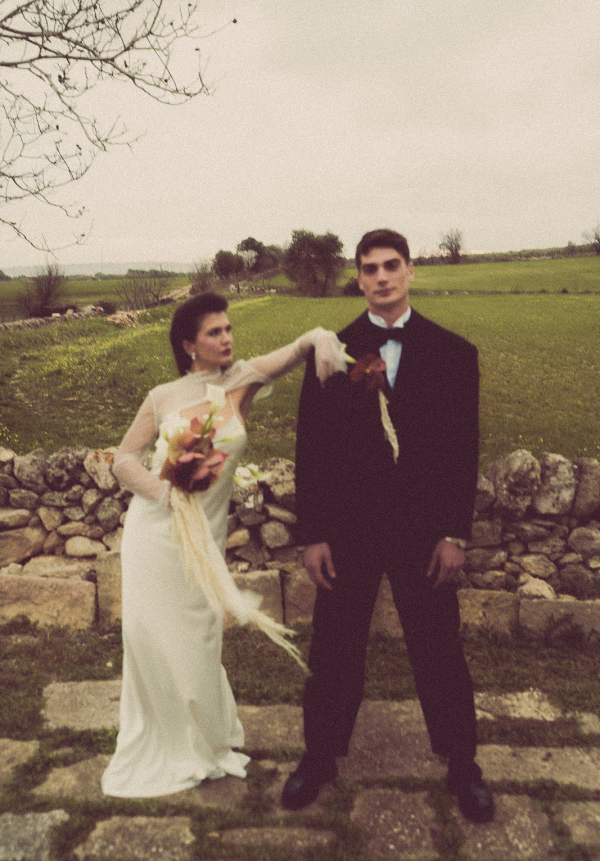
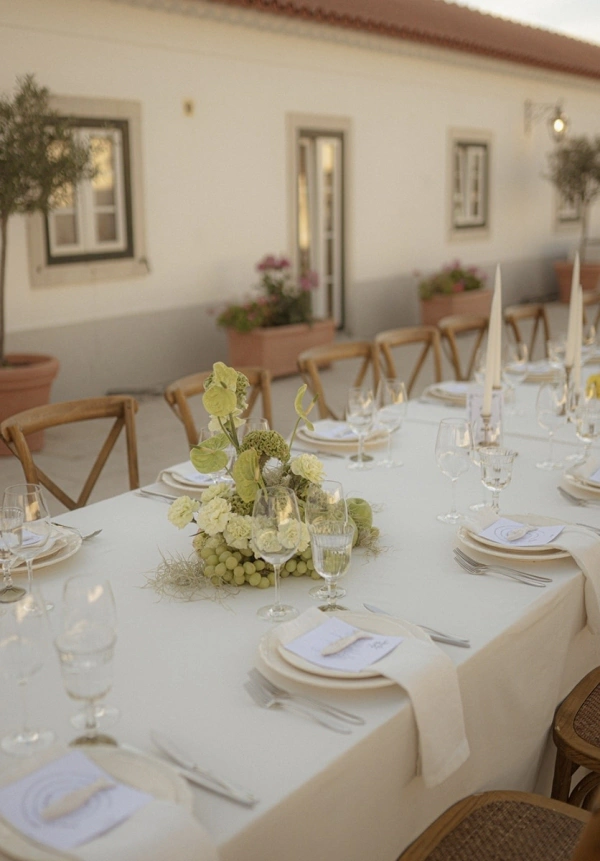

LUXWEDD

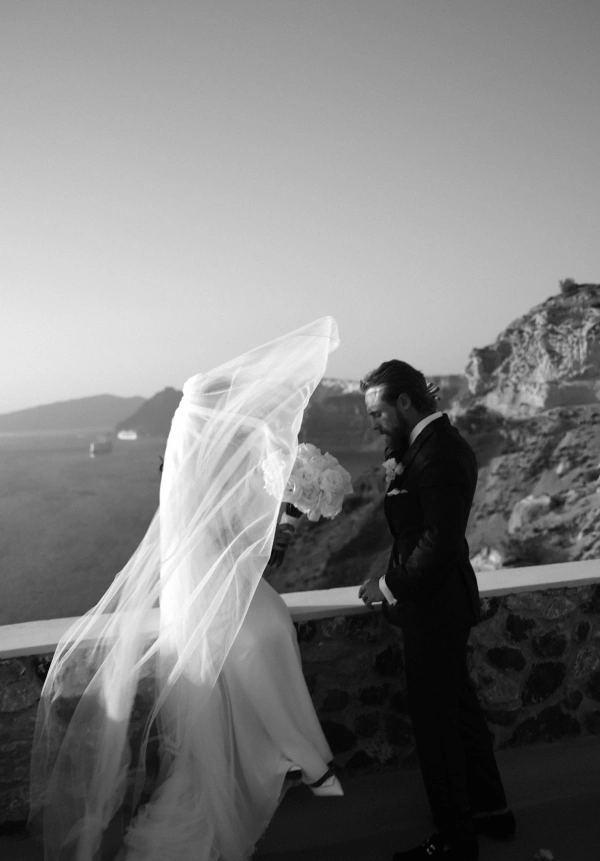
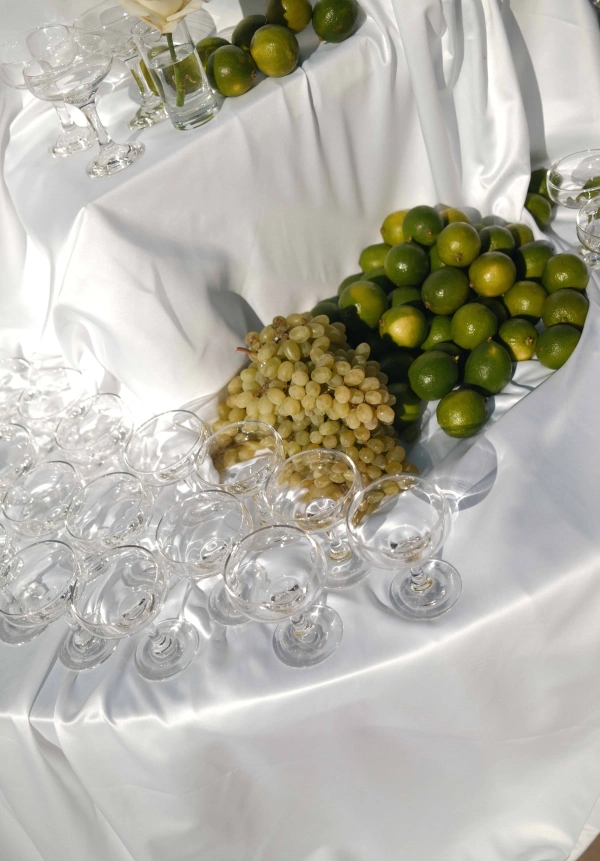
MAKTUBI





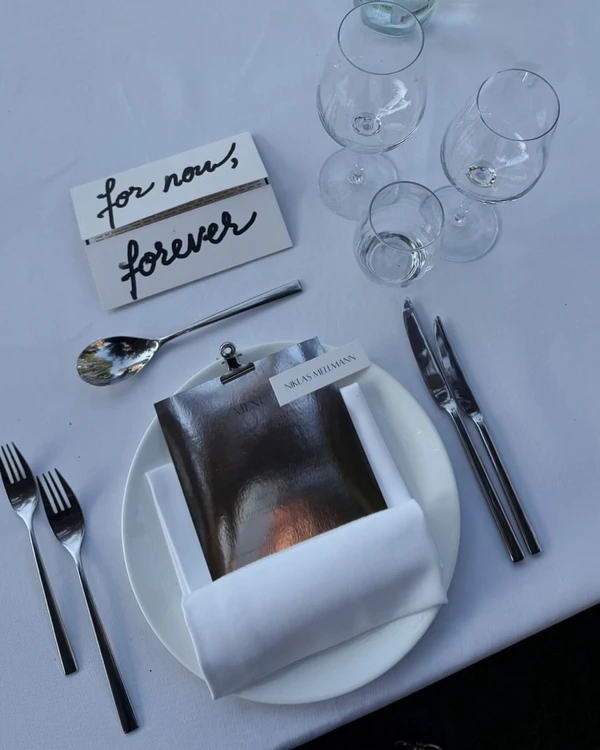

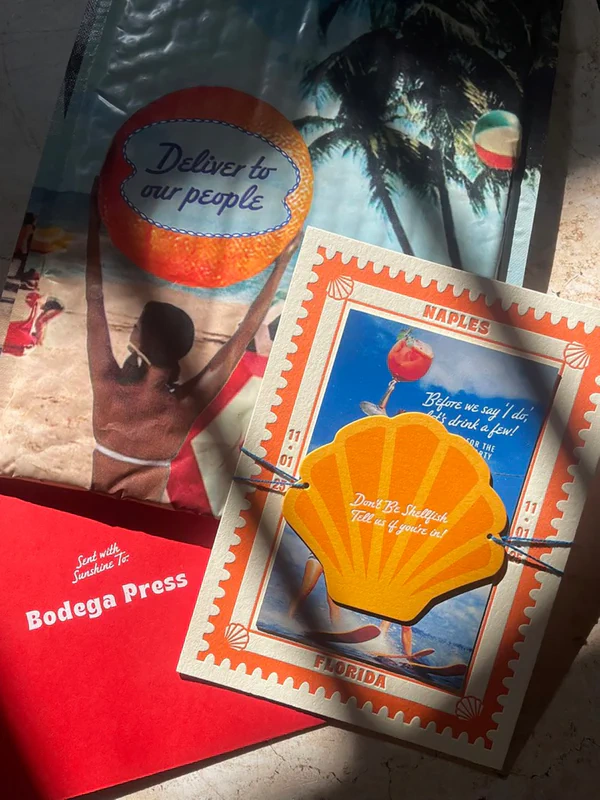
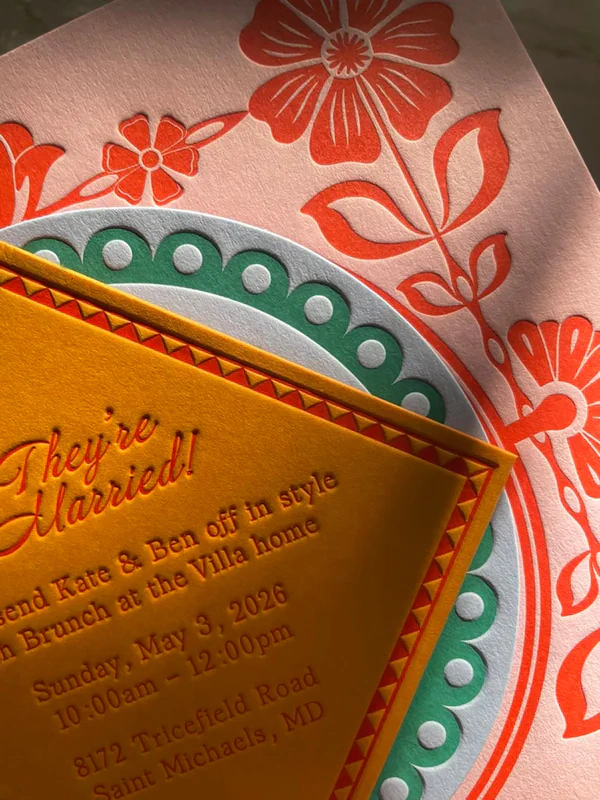
Bodega Press

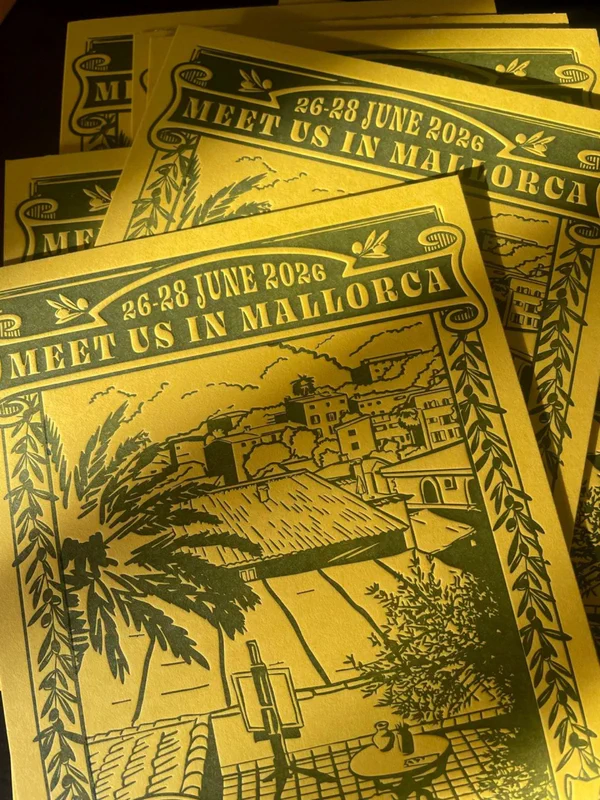

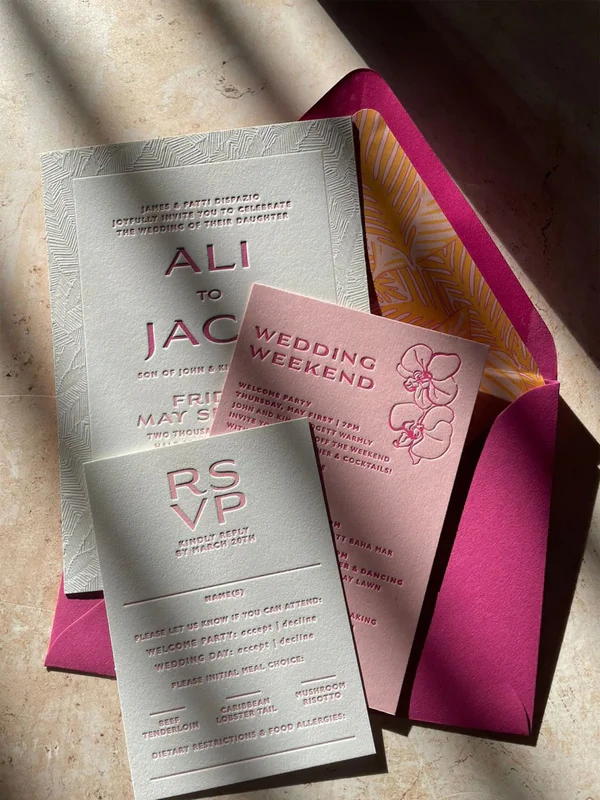

Paramonova Movies


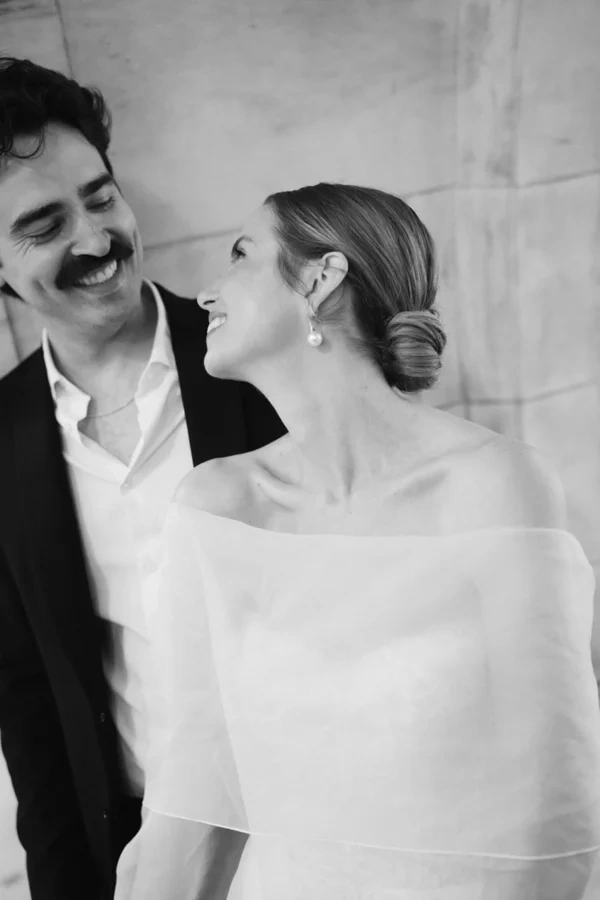
Maria Shevchenko






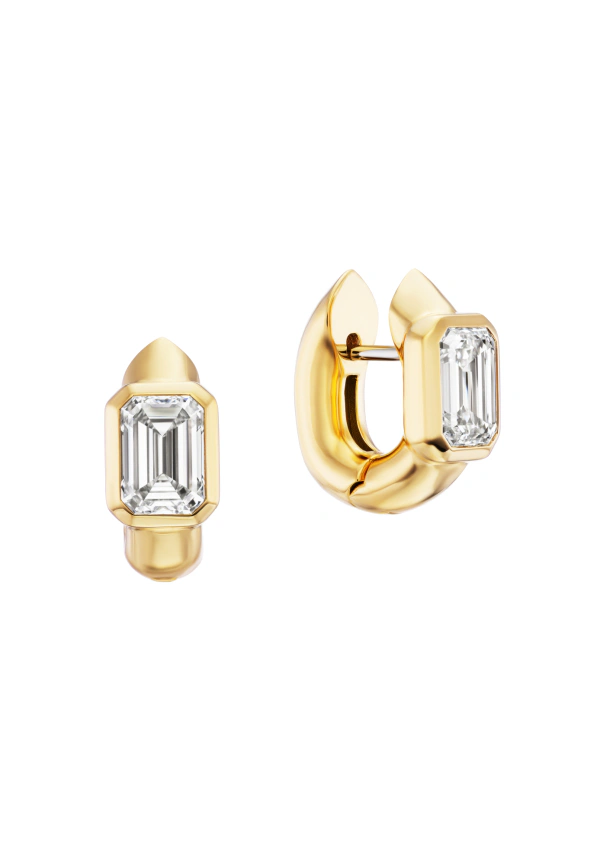
Uniform Object






Sital Jansson






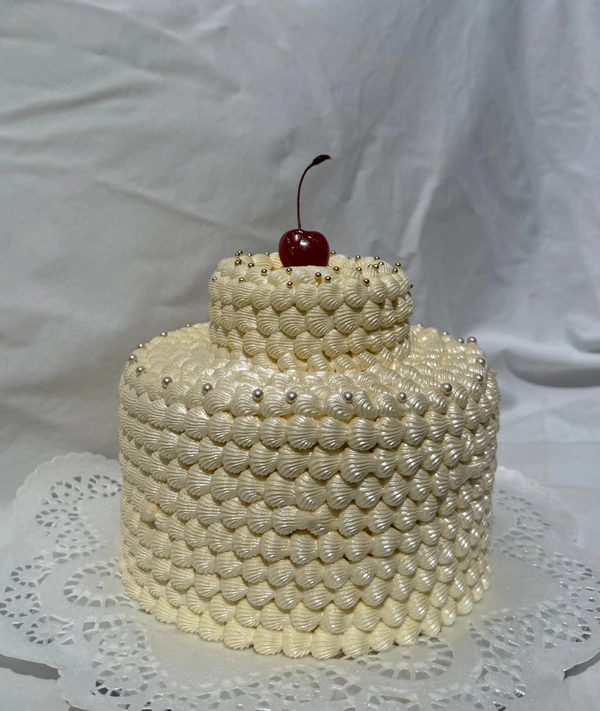
Lil Choux Choux





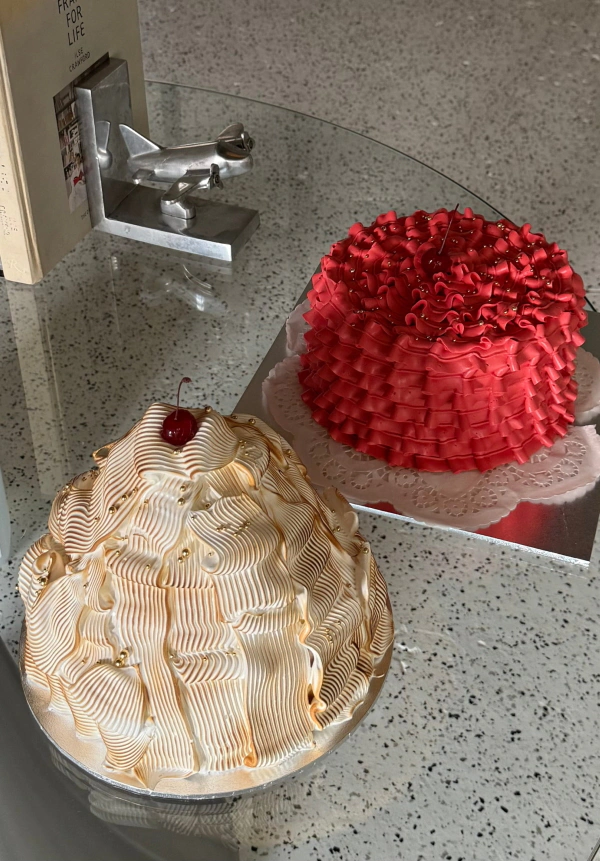
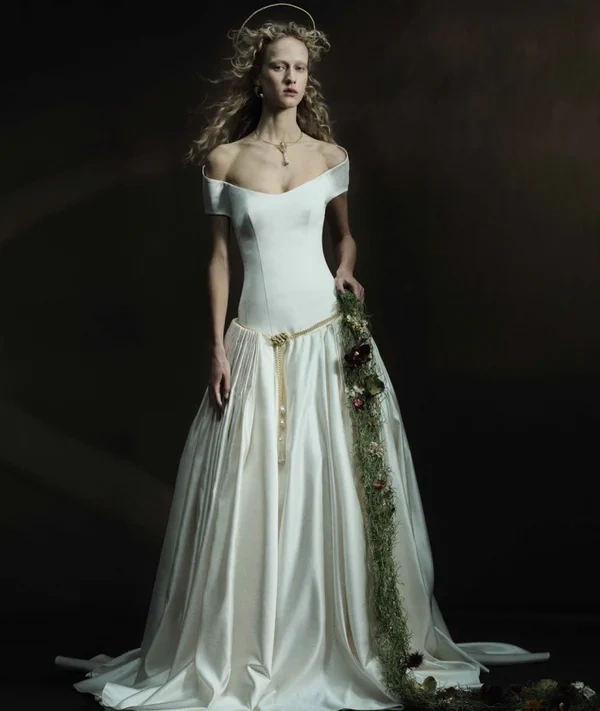
Cagteks Bridal

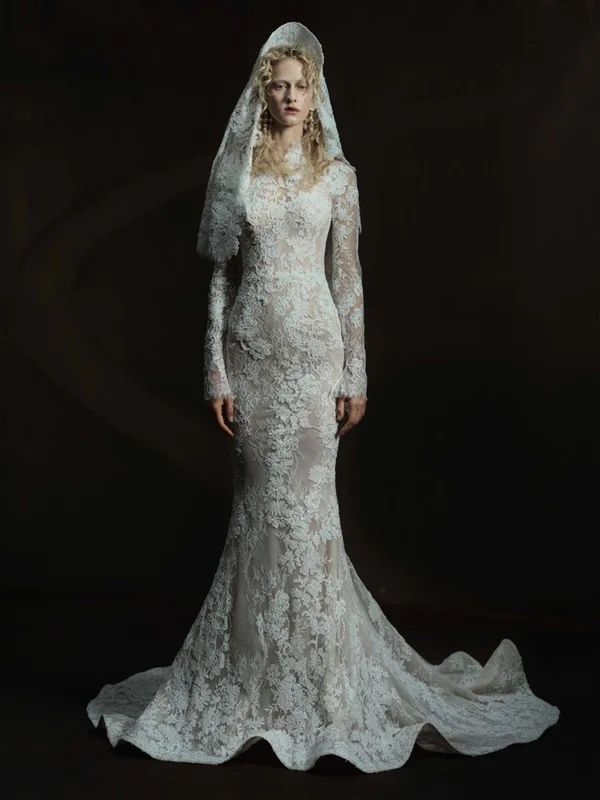
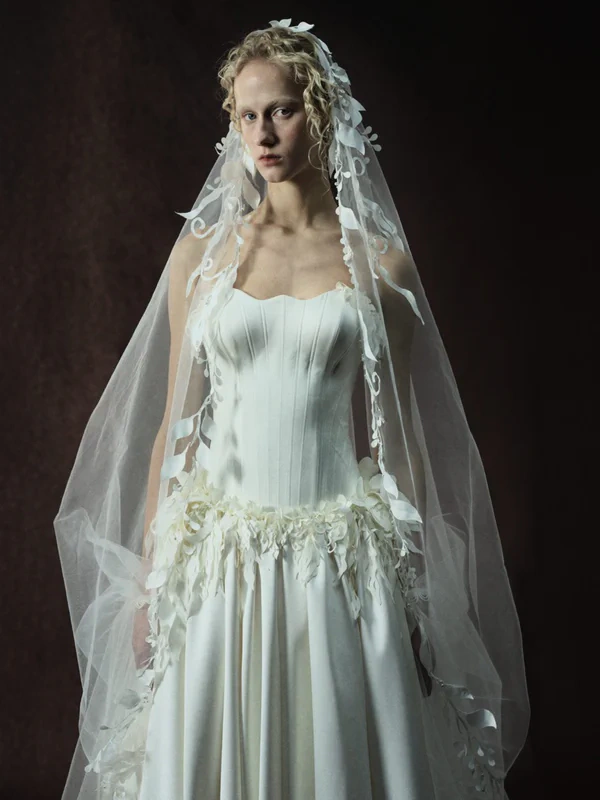
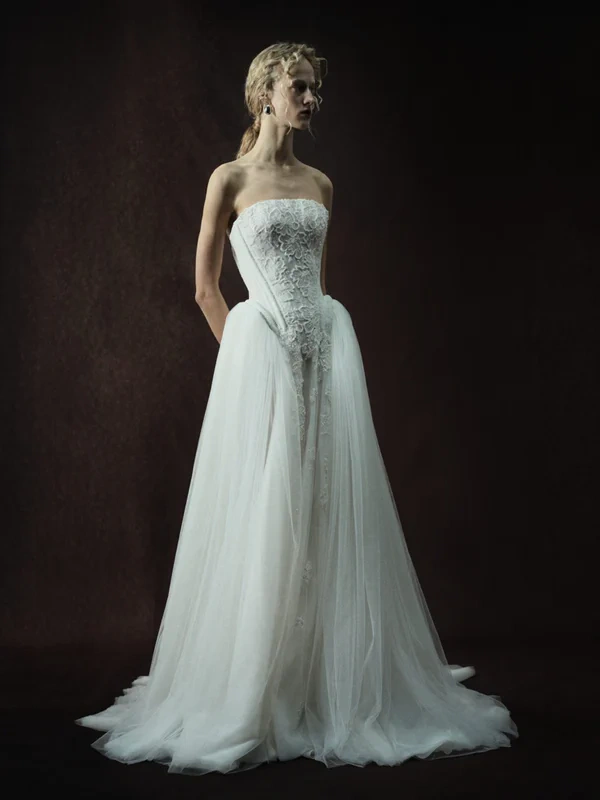

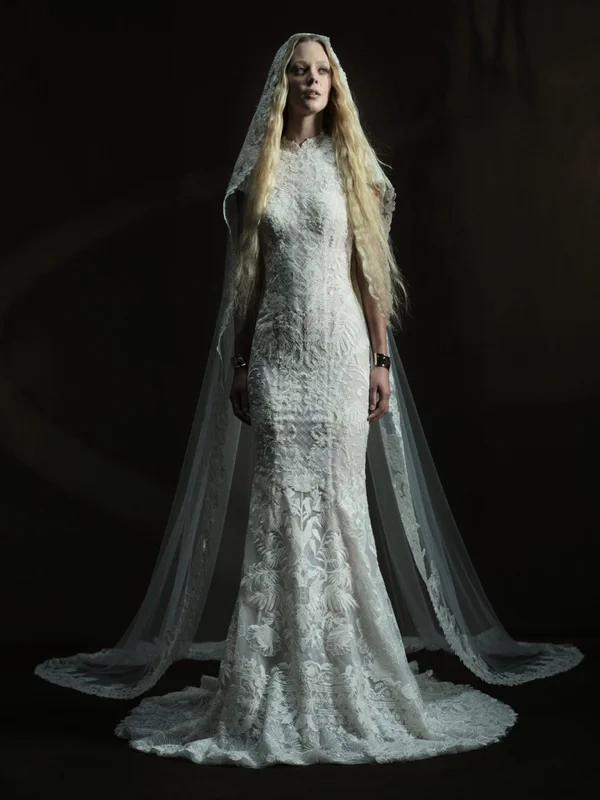

DADA Island



Social Brides Collective
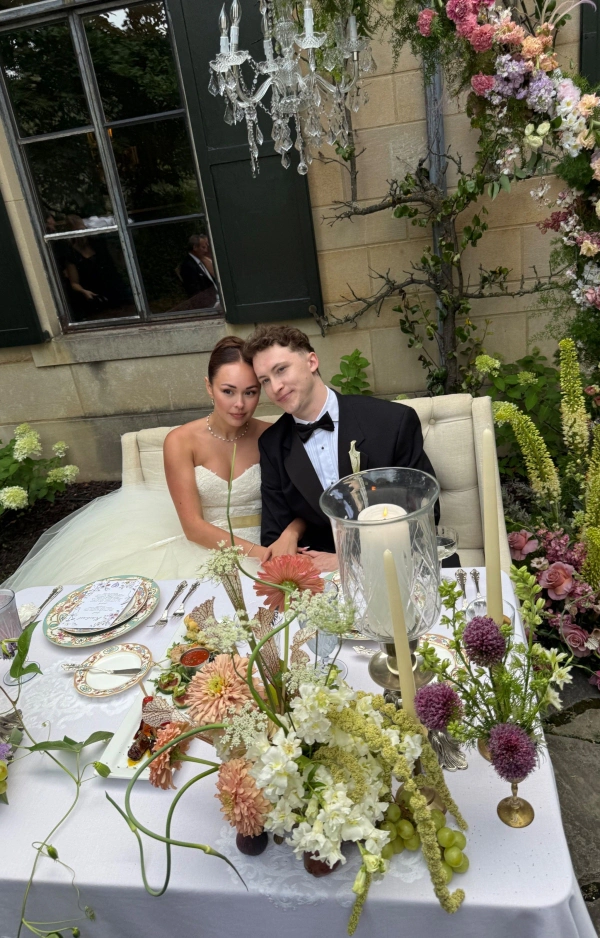

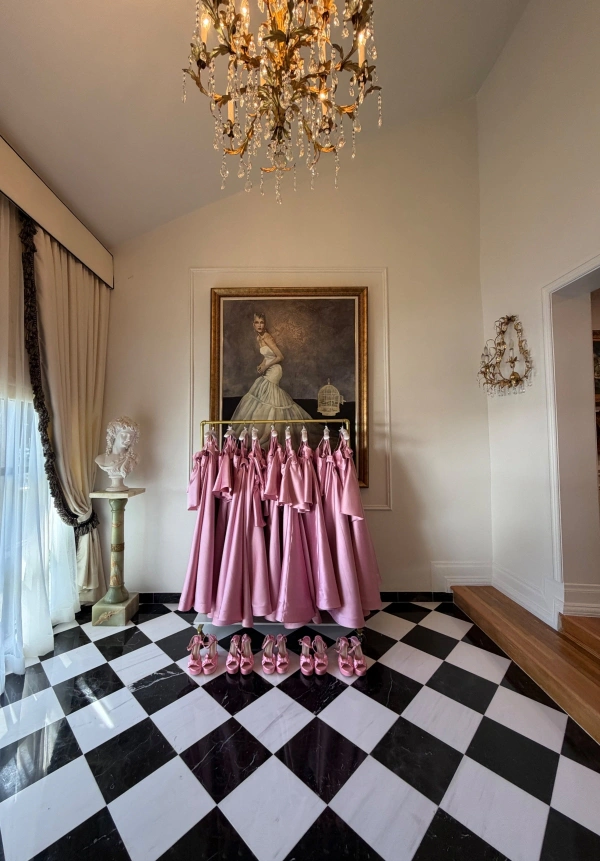
María Amaría




Edénique Floral Design
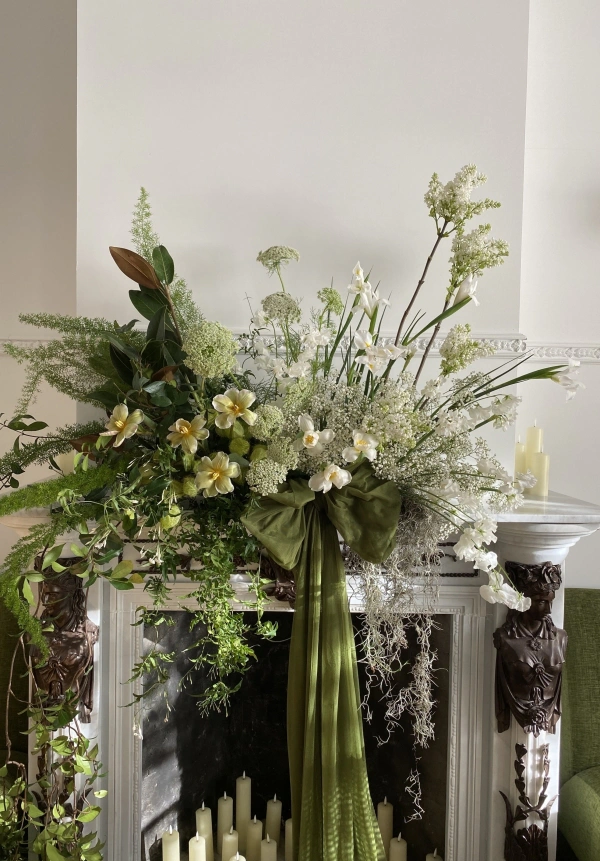
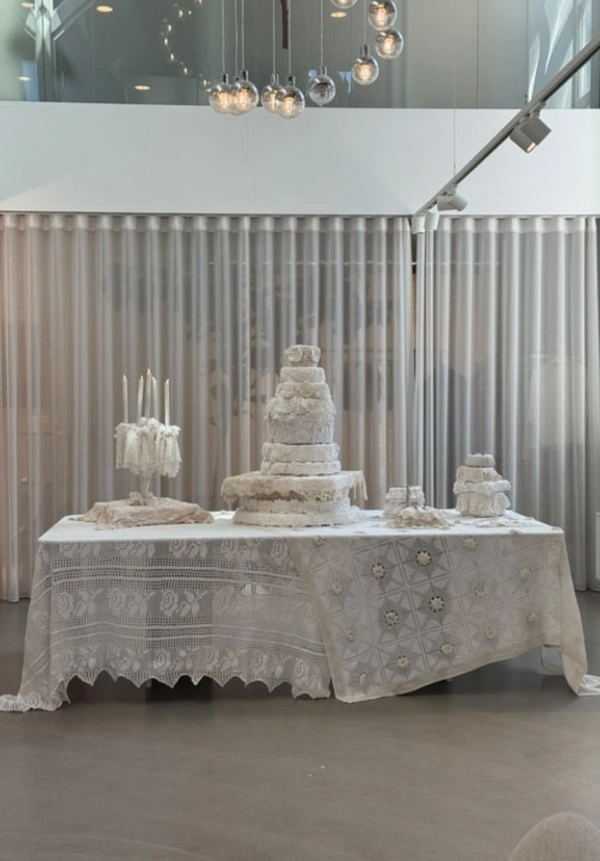
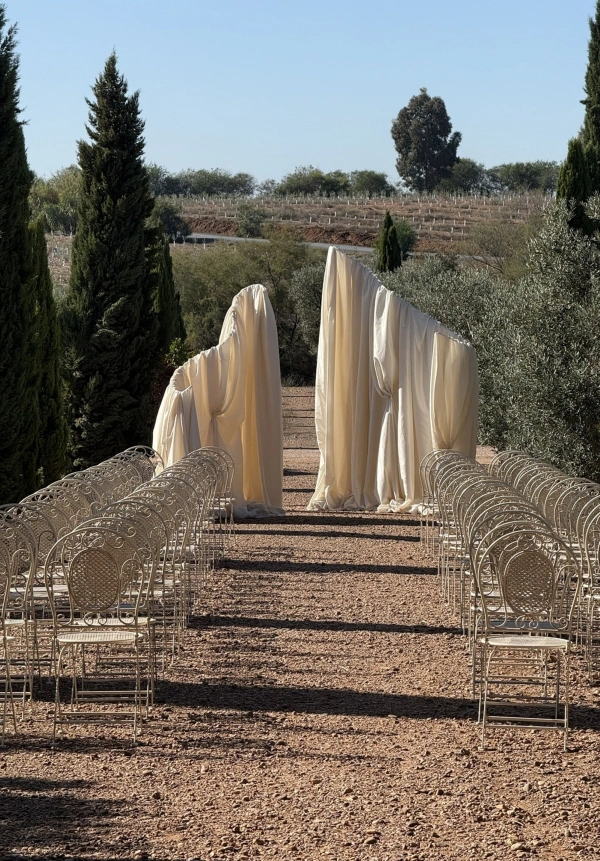
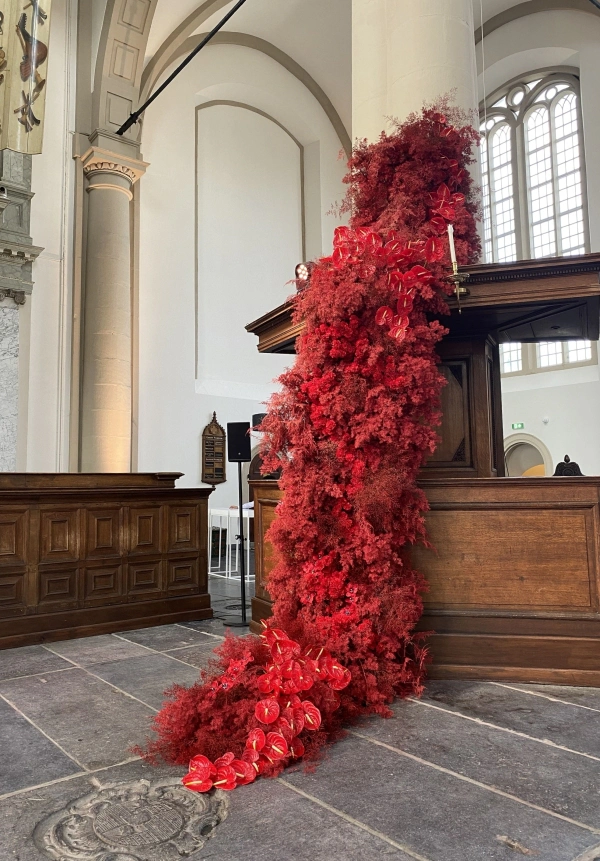
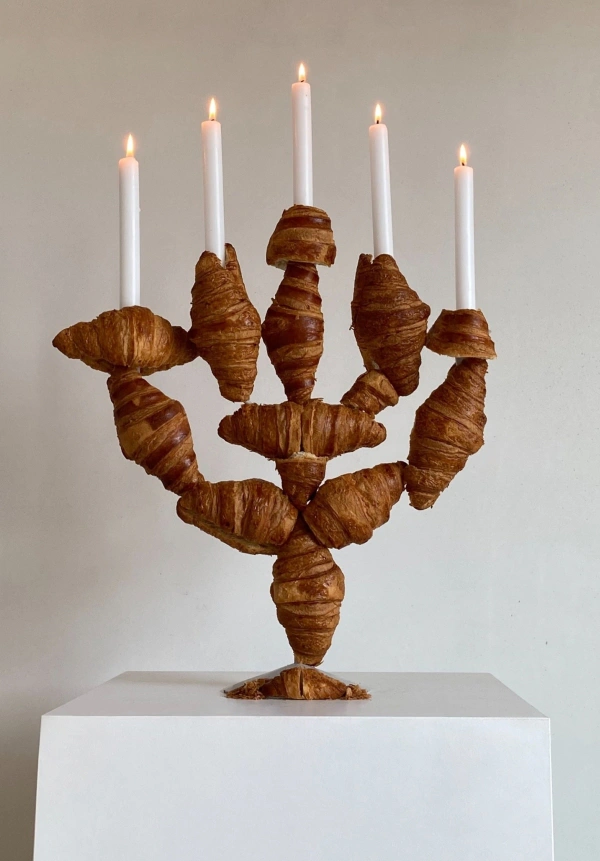
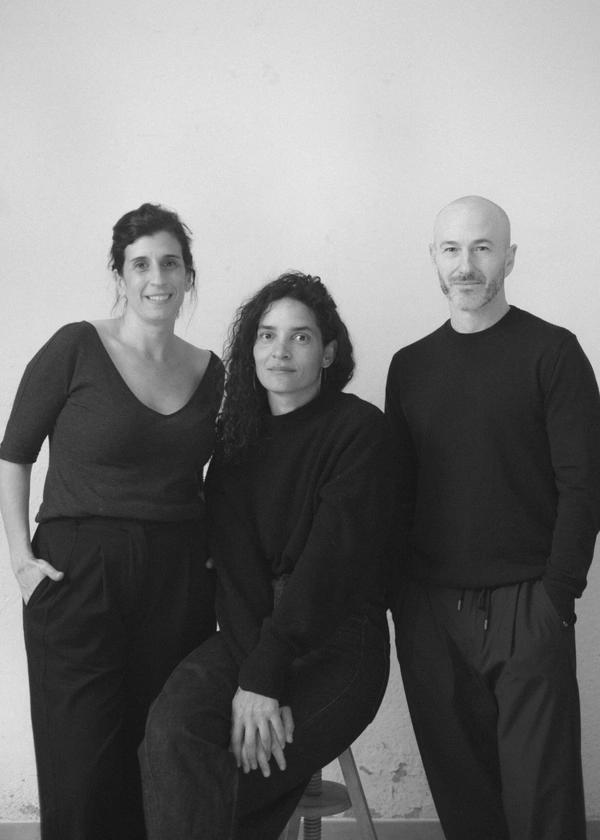
Dos Mas En La Mesa



Prea James Bridal
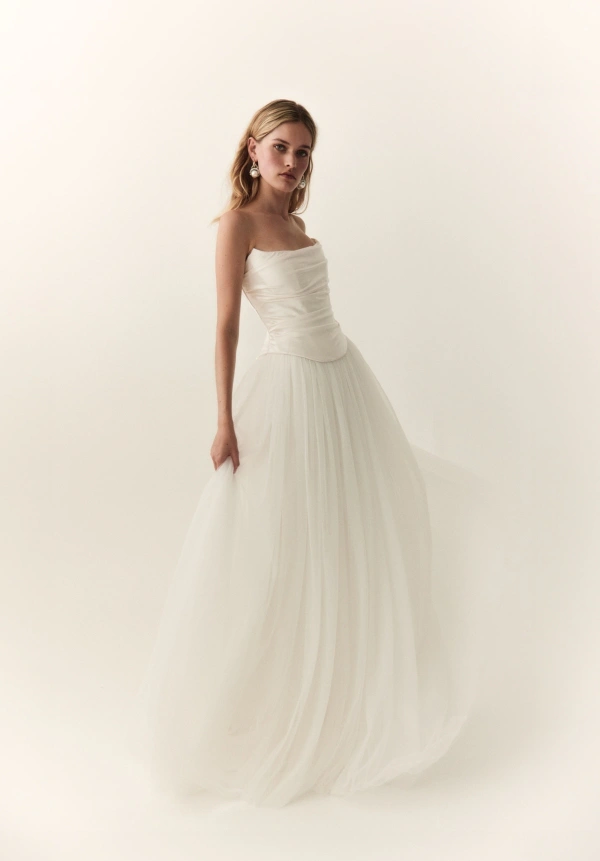



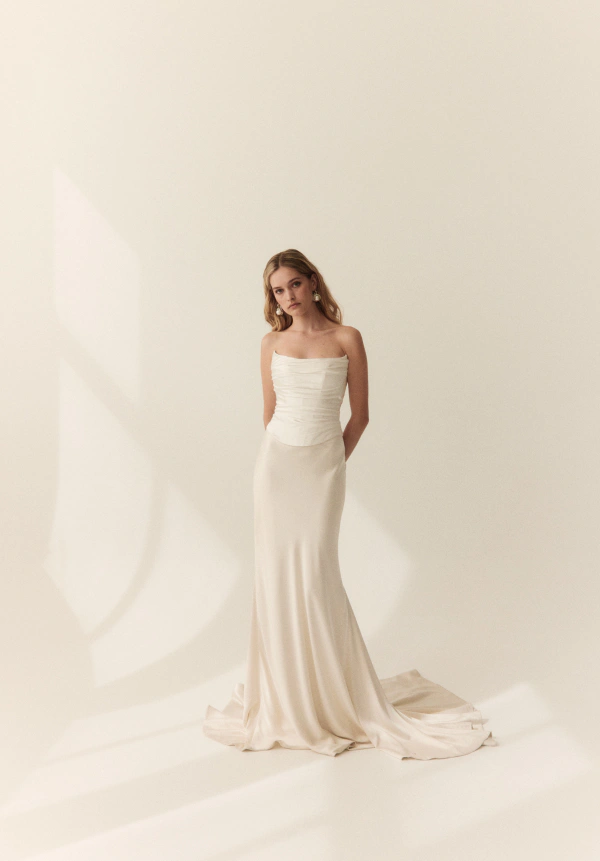


The Wedding Bliss Thailand
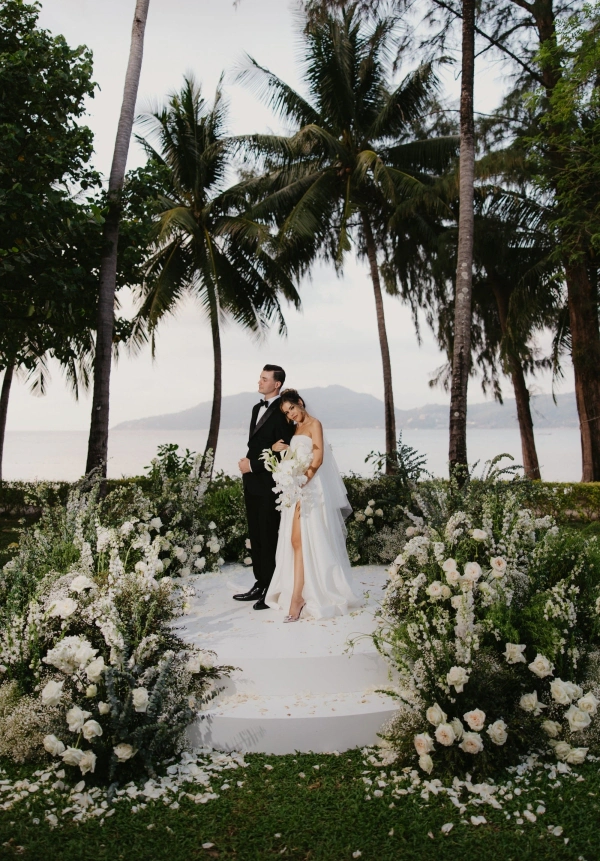
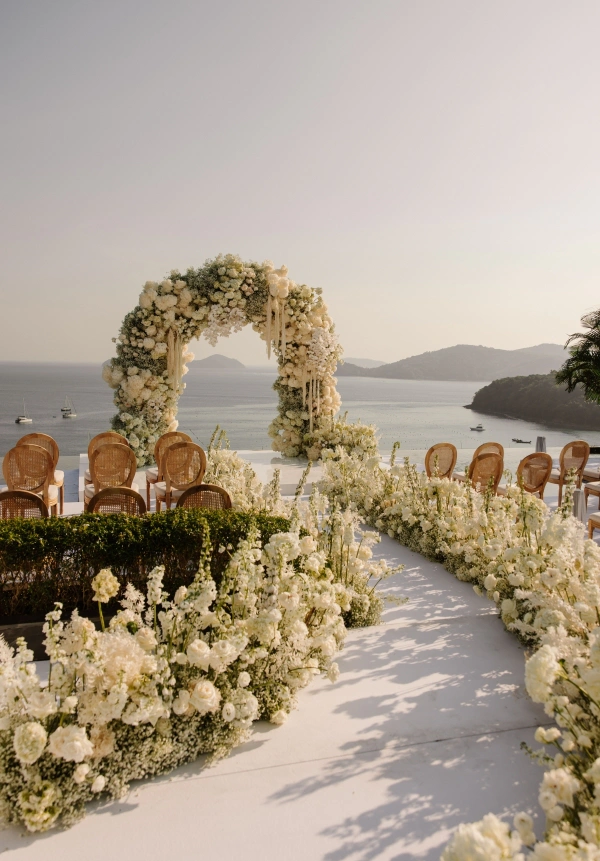
How to Build a Wedding Vendor Team, Not a Shopping List
Most couples hire their wedding vendors one at a time, in whatever order the search results happen to surface them. The weddings that actually feel coherent are built the other way round: the venue first, then the two or three suppliers whose work sets the tone — usually the planner, the photographer and whoever is handling design — with everything else briefed to fit what they establish. A wedding planner booked early is less an extra layer of cost than the person who keeps that logic intact, holds the budget honest and absorbs the twenty parallel conversations you would otherwise be having yourself. If you are marrying abroad, that role moves from useful to close to essential.
Book in the order that constrains everyone else. The venue and the date come first, because they decide capacity, catering rules, noise curfews and access times; the planner and photographer follow immediately, since the strongest studios take a limited number of weddings a season and peak-season Saturdays are gone twelve to eighteen months ahead. Florals, styling, cake, hair and make-up, stationery and music can be commissioned later, but they should be commissioned against the same reference material rather than in isolation — one palette, one mood, one set of images. Ask every supplier the same three questions before you sign: what exactly is included, who from the team is physically present on the day, and what happens if they cannot be.
Wedding Suppliers by Category, Country and City
The THE WED directory is organised the way couples actually plan: by discipline first, then by where the wedding is happening. Every profile is an invitation rather than a paid listing — professionals are selected on the strength of the portfolio and its fit with the work we publish, which is why the categories are deliberately narrow rather than exhaustive. Filter to wedding photographers and you are looking at a shortlist you could hand to a client, not a page of search results; the same applies across planners, florists, stylists, videographers, content creators, stationery designers, cake artists and caterers, beauty specialists, bridal designers and fine jewellers.
Location matters more than most planning advice admits. A supplier who works regularly in a region knows which venues have a service lift, which town halls want documents six weeks ahead, how the light behaves in August and which local kitchens and florists hold up at short notice — knowledge no travel budget replaces. Many of the studios listed here work worldwide and are marked as such, but the fastest route to a realistic shortlist is to start from the country or city you are marrying in: the vendors working across Italy read very differently to the same categories in New York or Bali. Each profile states discipline, home base and coverage, so a single line tells you whether someone travels to you or is already there.